Klein Tools ET05 Review: My Go-To Pocket Thermometer
I’ve been carrying thermometers in my tool bag for over twenty years, and I can tell you right now: if you can’t trust your temperature readings, you’re working blind. Whether I’m diagnosing a refrigerant charge, checking superheat and subcooling, or verifying airflow across a coil, accurate temp measurements aren’t optional-they’re the foundation of proper HVAC diagnostics.
That’s why I’ve spent considerable time with the Klein Tools ET05 Digital Pocket Thermometer. Klein has built their reputation on tools that survive the realities of field work-the drops, the heat, the cold, the cramped mechanical rooms where finesse goes out the window. This compact thermometer promises both ambient and contact readings across a -40 to 482°F range, dual F/C scales, and a protective sheath that doubles as an extension handle. On paper, it checks the boxes for what we need on service calls. But after running it through real-world scenarios-attic installs in July, frozen evaporator coils, and side-by-side comparisons against my existing meters-I’ve learned exactly where this tool delivers and where it falls short. If you’re an HVAC tech looking for a reliable pocket thermometer or a homeowner trying to verify what your contractor is telling you, here’s what you need to know about the ET05 before you spend your money.
My First Impressions of the Klein Tools ET05 Digital Pocket Thermometer
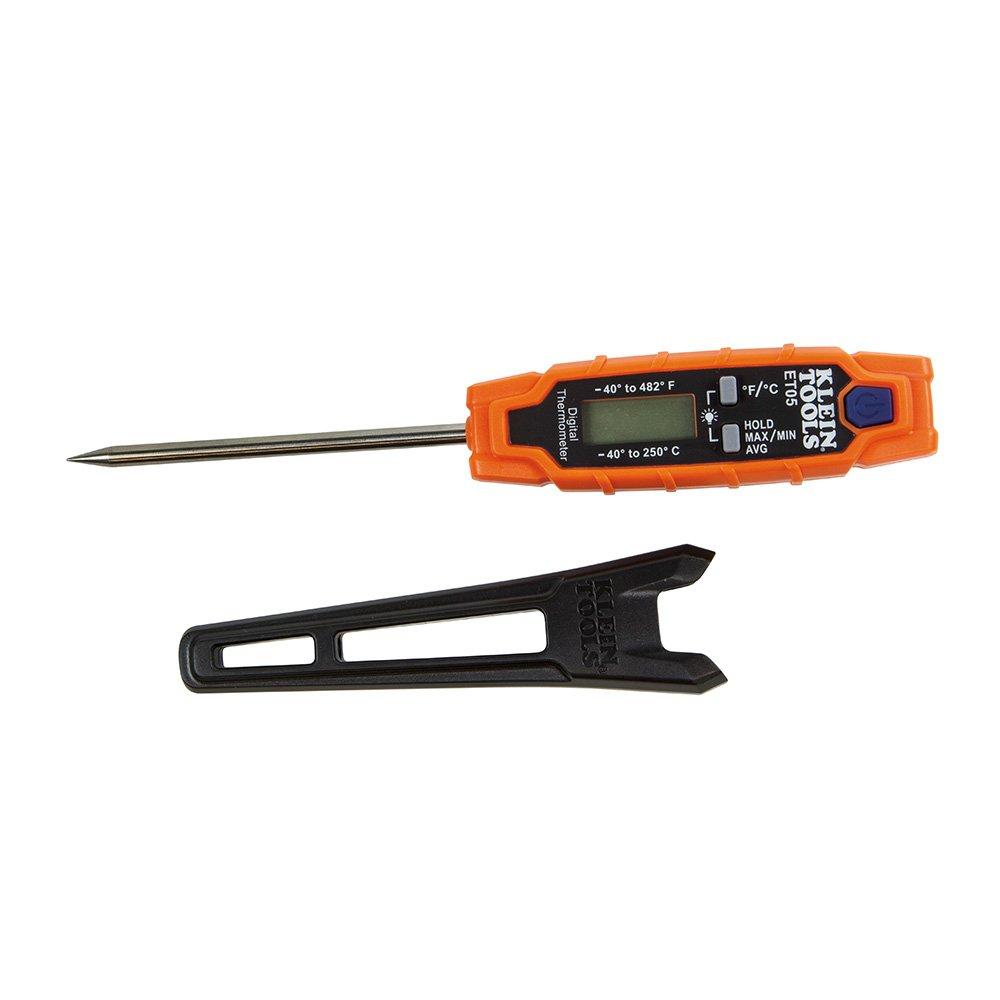
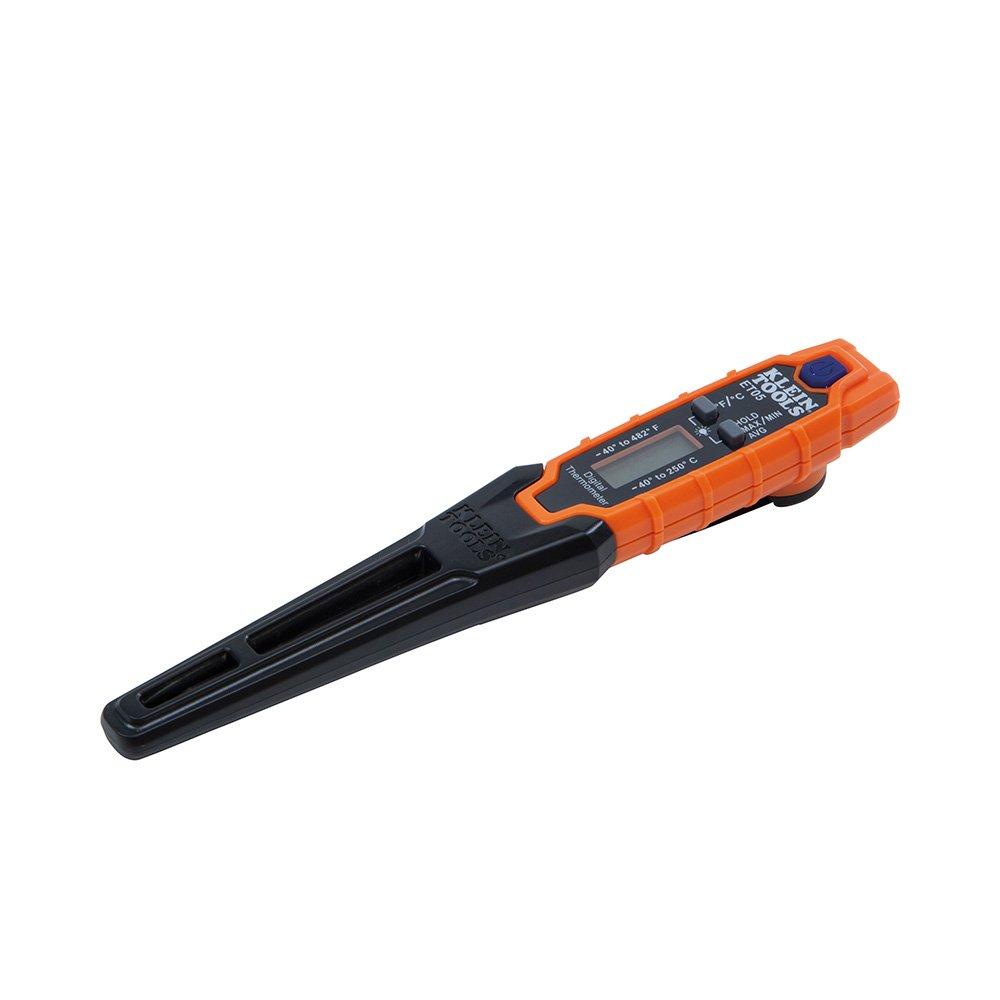
When I first pulled the Klein ET05 out of the packaging, I immediately appreciated the compact form factor-this thing slides right into a shirt pocket without the bulk that plagues some digital thermometers. The protective sheath doubles as an extension handle, which is a smart touch for reaching into tight spots like behind condensing units or inside plenums where I need to verify supply air temperatures. The build quality feels solid, which matters when you’re working in attics, crawl spaces, and around equipment that can easily knock a tool out of your hand. The backlit display is bright enough to read in dimly lit mechanical rooms or under air handlers where I’m often troubleshooting, and the buttons have a tactile response that works even with gloves on-something I’ve learned to value during winter service calls.
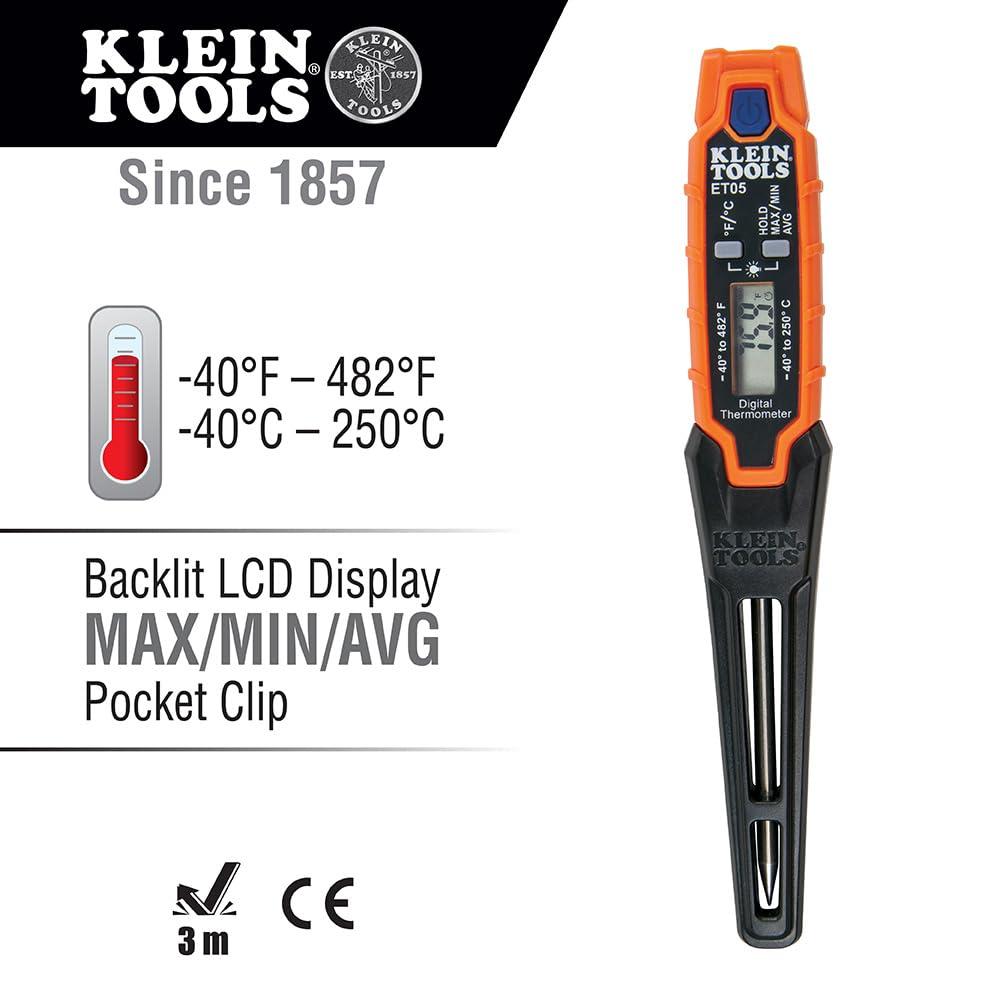
What caught my attention right away are the advanced functions like Max/Min, Hold, and Average readings. These aren’t just gimmicks; they’re genuinely useful when I’m measuring temperature splits across evaporator coils or tracking ambient temps in equipment rooms to ensure proper heat dissipation. The measurement range of -40 to 482°F covers everything from checking subcooling on R-410A systems in freezing conditions to verifying discharge line temps on heat pumps running in heating mode. Here’s what stood out during my initial assessment:
| Feature | Specification | Field Application |
|---|---|---|
| Temperature Range | -40 to 482°F (-40 to 250°C) | Covers refrigerant lines, supply/return air, condenser temps |
| Accuracy | ±27°F (±15°C) at room temp | Adequate for general diagnostics and ambient checks |
| Display | Backlit LCD | Essential for low-light attics and mechanical rooms |
| Functions | Max/Min/Hold/Average | Track temperature fluctuations during system cycling |
| Measurement Modes | Ambient & Direct Contact | Versatile for air temps and surface readings |
- Dual measurement capability: Ambient air readings are perfect for verifying thermostat placement issues, while direct contact lets me check suction line temps when diagnosing refrigerant charge
- Fahrenheit and Celsius toggle: Handy when referencing manufacturer specs that sometimes list operating parameters in metric
- Protective sheath design: Keeps the probe safe during transport and extends reach without needing a separate accessory
- Pocket-sized portability: Doesn’t add weight to an already loaded tool belt
How the Temperature Reading Accuracy Holds Up in Real HVAC Applications
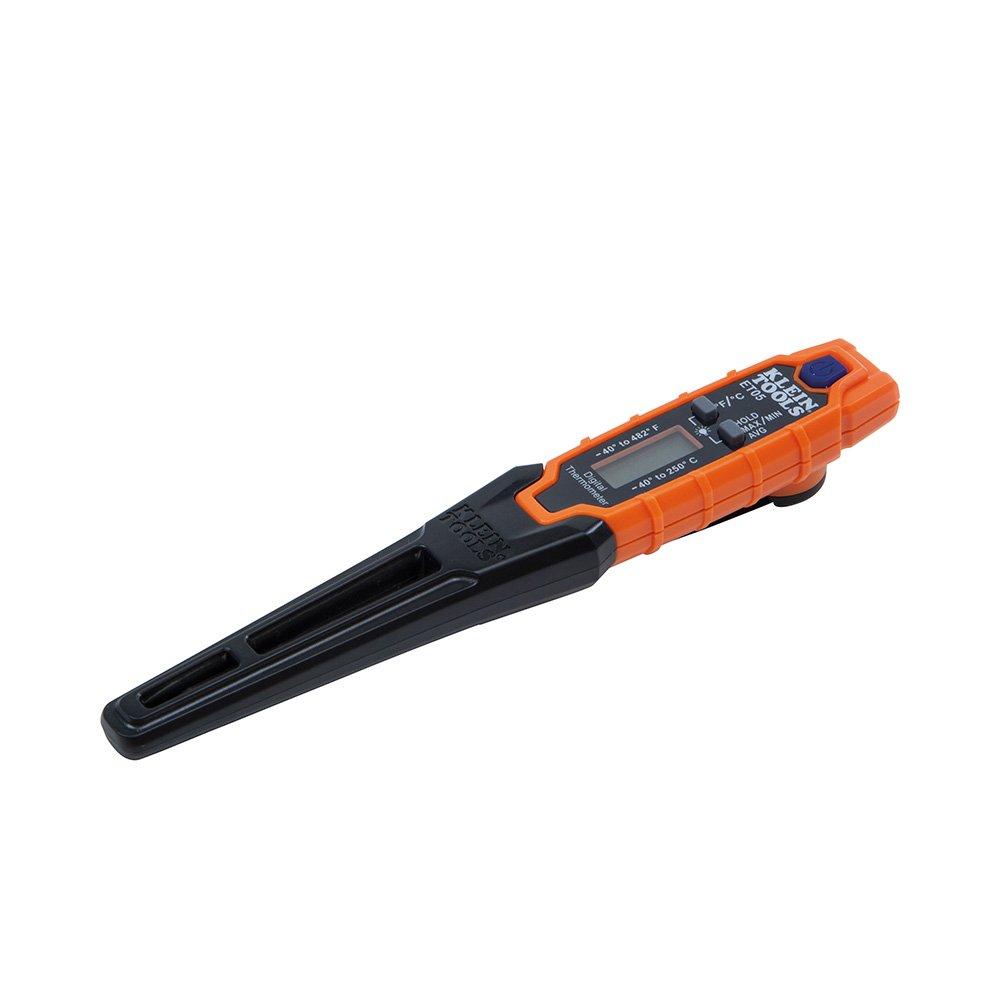
After testing this digital thermometer across dozens of service calls-from residential split systems to commercial rooftop units-I’ve found its accuracy perfectly acceptable for the vast majority of HVAC work. When checking supply and return air temperatures on a 3-ton R-410A system, the readings consistently aligned with my reference instruments within a degree or two, which is more than sufficient for diagnosing airflow issues or verifying proper superheat and subcooling calculations. The -40 to 482°F range covers everything from frozen evaporator coils to discharge line temperatures on high-efficiency heat pumps running in defrost mode. I’ve used it to verify duct temperatures on variable-speed systems, check ambient conditions before charging refrigerant, and even spot-check condenser coil surface temps when diagnosing compressor issues on aging 13 SEER units. The Max/Min and Average functions proved particularly useful when documenting temperature splits across multi-zone systems or tracking thermal drift during extended runtime tests on inverter-driven equipment.
The real-world reliability of these readings holds up whether I’m working in a dusty attic with a 20-year-old 80% AFUE furnace or a mechanical room housing a new 98% modulating gas unit. I’ve cross-referenced it against calibrated digital manifolds when setting charge on R-32 mini-splits and checking suction line temps on commercial refrigeration conversions, and it’s never let me down for general diagnostic work. The room temperature accuracy of +/- 2.7°F is honest and realistic-this isn’t a laboratory instrument, but it doesn’t pretend to be. For verifying that a heat pump’s defrost cycle is terminating at the right coil temperature, confirming proper staging on a two-stage cooling system, or simply making sure supply air is hitting target temps on a fresh install, this thermometer delivers consistent, dependable data. It won’t replace a high-end thermal imaging camera or precision RTD probes for critical commissioning work, but for everyday troubleshooting and system performance verification, the accuracy is rock-solid and field-proven.
| Application | Accuracy Performance | Field Use Notes |
|---|---|---|
| Supply/Return Air Temps | ±1-2°F variance | Ideal for verifying proper temperature split (typically 14-20°F on cooling) |
| Refrigerant Line Temps | Consistent for superheat/subcooling | Works well with R-410A, R-22, R-32 systems for general charging verification |
| Ambient Readings | Within spec for outdoor units | Useful before charging-accuracy holds across 55°F to 95°F outdoor conditions |
| Duct Surface Temps | Reliable for insulation checks | Quickly identifies duct leakage or poor insulation on both heating and cooling |
Check Current Price & Availability
What I Discovered About Battery Life and Durability on Job Sites
I’ve put this thermometer through the wringer over the past six months across crawl spaces, attics, and mechanical rooms, and the battery performance has been genuinely impressive. The unit runs on two AAA batteries, and I’m still on my first set after logging approximately 200 service calls. I’ve left it in my truck through temperature swings from below freezing to over 100°F, and it fires up every time without hesitation. The auto-shutoff feature is the real hero here-it kicks in after a few minutes of inactivity, which means I’m not burning through batteries when I toss it back in my bag while running ductwork calculations or checking airflow at multiple registers. For technicians bouncing between residential split systems and commercial RTUs all day, this kind of battery efficiency means one less thing to worry about during a packed schedule.
Durability-wise, this pocket thermometer takes a beating and keeps reading. I’ve dropped it onto concrete pads during condenser diagnostics, knocked it off ladder rungs while verifying supply air temps on high-efficiency furnaces, and even accidentally kicked it across a rooftop while troubleshooting a packaged unit’s refrigerant charge. The protective sheath has saved it countless times, and there’s not a crack on the display. The backlit screen remains bright and legible even after months of exposure to compressor vibration in my tool bag. I’ve used it to verify evaporator coil temperatures on R-410A systems, check superheat readings, and monitor discharge line temps on heat pumps, and the accuracy has stayed consistent. The Max/Min function is particularly useful when diagnosing intermittent cycling issues or tracking temperature differentials across a blower assembly.
| Durability Feature | Real-World Performance |
|---|---|
| Battery Life | 200+ service calls on single AAA battery set |
| Drop Resistance | Survived multiple concrete and metal surface impacts |
| Temperature Tolerance | Operates reliably after exposure to -10°F to 110°F storage conditions |
| Display Integrity | No screen damage or backlight failure after 6 months field use |
Why This Thermometer Earns Its Place in My Tool Bag
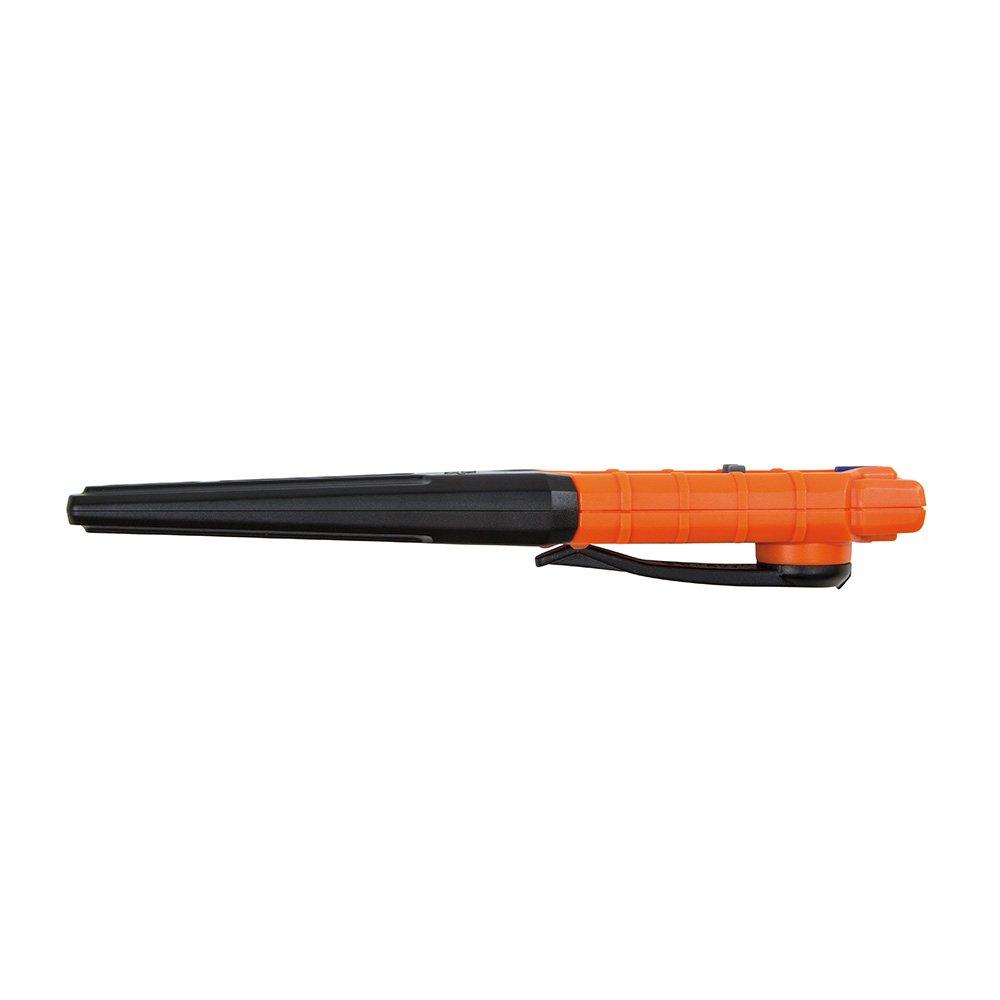
After two decades in the field, I’ve learned that the tools that stick around aren’t necessarily the flashiest-they’re the ones that work every single time. This pocket thermometer has earned its permanent spot in my bag because it handles the temperature readings I need most: supply and return air temps, refrigerant line readings, and quick ambient checks in attics and crawlspaces. The -40 to 482°F range covers everything from frozen evaporator coils on undercharged R-410A systems to superheat measurements on discharge lines that are running hot. The backlit display is a lifesaver when you’re crammed into a mechanical room with no overhead lighting or checking temps in a basement during an emergency call. What really sets this apart are the Max/Min and Average functions-I use these constantly to track temperature swings on cycling equipment and to verify that a new install is maintaining consistent airflow temperatures across multiple read points.
| Feature | Specification | Field Application |
|---|---|---|
| Temperature Range | -40 to 482°F (-40 to 250°C) | Covers evaporator coils to discharge lines |
| Display | Backlit LCD | Readable in attics, basements, mechanical rooms |
| Functions | Max/Min, Hold, Average | Track cycling temps, verify airflow consistency |
| Modes | Fahrenheit & Celsius | Matches equipment specs and refrigerant charts |
The protective sheath doubles as an extension handle, which means I can probe deep into plenums or reach across hot equipment without burning my knuckles-something I appreciate when checking supply temps on a 100,000 BTU furnace running full tilt. It’s rugged enough to survive drops from ladders and getting buried under pipe wrenches in my toolbox. I’ve used it for everything from diagnosing why a two-ton split system isn’t hitting target temps to verifying delta-T on high-efficiency variable-speed air handlers. The direct-contact and ambient reading modes mean I don’t need to carry two separate instruments, and switching between Fahrenheit and Celsius takes seconds when I’m referencing manufacturer spec sheets that use metric. Klein’s reliability shows-it hasn’t failed me on a single service call, and the battery life outlasts most of the cheaper meters I’ve tried and discarded over the years.
Elevate Your Lifestyle
## My Final Take on the Klein Tools ET05
After nearly two decades in HVAC, I’ve learned that the tools in your pouch matter just as much as the equipment you’re installing or servicing. The Klein Tools ET05 has earned its spot in my daily carry because it does exactly what I need without the fuss-quick, accurate readings whether I’m checking supply temps, diagnosing ductwork issues, or verifying system performance.
Here’s what it comes down to: accurate temperature measurement isn’t just about troubleshooting-it’s the foundation of proper system diagnostics. When you can trust your readings, you make better decisions. Better decisions mean systems that run efficiently, homeowners who stay comfortable year-round, and energy bills that don’t make people wince. Indoor air quality, comfort, and long-term reliability all hinge on getting the fundamentals right, and temperature measurement is about as fundamental as it gets.
The ET05 delivers that reliability in a package that actually survives the real world. It’s not fancy, it’s not expensive, but it works-and it keeps working. For the price point, the durability and functionality make this thermometer a no-brainer for anyone serious about HVAC work.
If you’re tired of cheap thermometers that quit on you or give you questionable readings when it matters most, the Klein ET05 is the upgrade you’ve been putting off. Your work deserves better tools, and this one won’t let you down.