
Klein Rapi-Driv: My Go-To for Panel Work
I’ve been turning screws in HVAC work for over twenty years, and I can tell you right now-most of the screwdrivers marketed to our trade are either overbuilt for tasks that don’t need it or too flimsy for the ones that do. When you’re spending half your day inside furnace cabinets, air handler panels, and electrical enclosures, you need tools that work fast without destroying your wrist. That’s where the Klein Tools 670-6 Rapi-Driv Cabinet Screwdriver caught my attention.
This isn’t some gimmick spinner tool. It’s a 6-inch cabinet screwdriver with a crank-action handle designed specifically for the repetitive screw work we face daily-think terminal blocks, control boards, blower access panels, and those endless rows of sheet metal screws holding everything from filter racks to condenser covers. Klein built this thing with a 3/16-inch precision-machined tip, which happens to be the exact size for most terminal screws on contactors, relays, and low-voltage wiring connections. The crank mechanism lets you drive fasteners one-handed while you’re holding a wire or steadying a panel with the other hand, which is how most of us actually work in tight mechanical rooms and cramped attics.
I’ve put this screwdriver through real-world use on service calls and installations, and I’m going to walk you through what works, what doesn’t, and whether it’s worth a spot in your tool bag.
My First Impressions of the Klein Tools Rapi-Driv Cabinet Screwdriver

When I first pulled this screwdriver out of the package, I immediately noticed the heft and balance that separates professional-grade tools from hardware store impulse buys. The crank-action handle caught my attention right away-it’s not a gimmick. After years of wiring control boards, securing access panels on condensing units, and dealing with countless terminal block connections on everything from 13 SEER budget units to high-efficiency 20+ SEER variable-speed systems, I can tell you that repetitive screwdriving wears on your hands. The Cushion-Grip handle feels substantial, and the spinning mechanism operates smoothly without the wobble or play you’d find in cheaper alternatives. What really stood out was the precision-machined 3/16-inch cabinet tip-it seated perfectly into terminal screws on a Copeland scroll compressor I was wiring up, with zero cam-out even under significant torque.
The chrome-plated, heat-treated blade shows Klein’s commitment to durability, which matters when you’re working in attics during summer installs or dealing with the corrosive environment around condensate drains and refrigerant lines. I’ve had supposedly “professional” screwdrivers pit and corrode after a season of field work, but the double-flange blade design here promises a twist-resistant connection that I could feel immediately when torquing down electrical connections on a 3-ton heat pump’s contactor. The 6-inch shaft length hits the sweet spot for most HVAC applications-long enough to reach recessed screws inside electrical junction boxes and control panels, but not so long that it becomes unwieldy when working in tight spaces around blower assemblies or inside air handlers. The crank action genuinely saves time on tasks like securing filter racks, mounting thermostats, or installing the dozens of screws that hold sheet metal panels on commercial RTUs.
| Feature | Specification |
|---|---|
| Tip Size | 3/16-Inch Cabinet |
| Shaft Length | 6 Inches |
| Blade Material | Heat-Treated, Chrome-Plated Steel |
| Handle Type | Crank-Action with Cushion-Grip |
| Manufacturing | Made in USA |
| Best Applications | Terminal Blocks, Control Panels, Access Covers, Electrical Connections |
How the Precision Tip Performs on HVAC Panel Screws
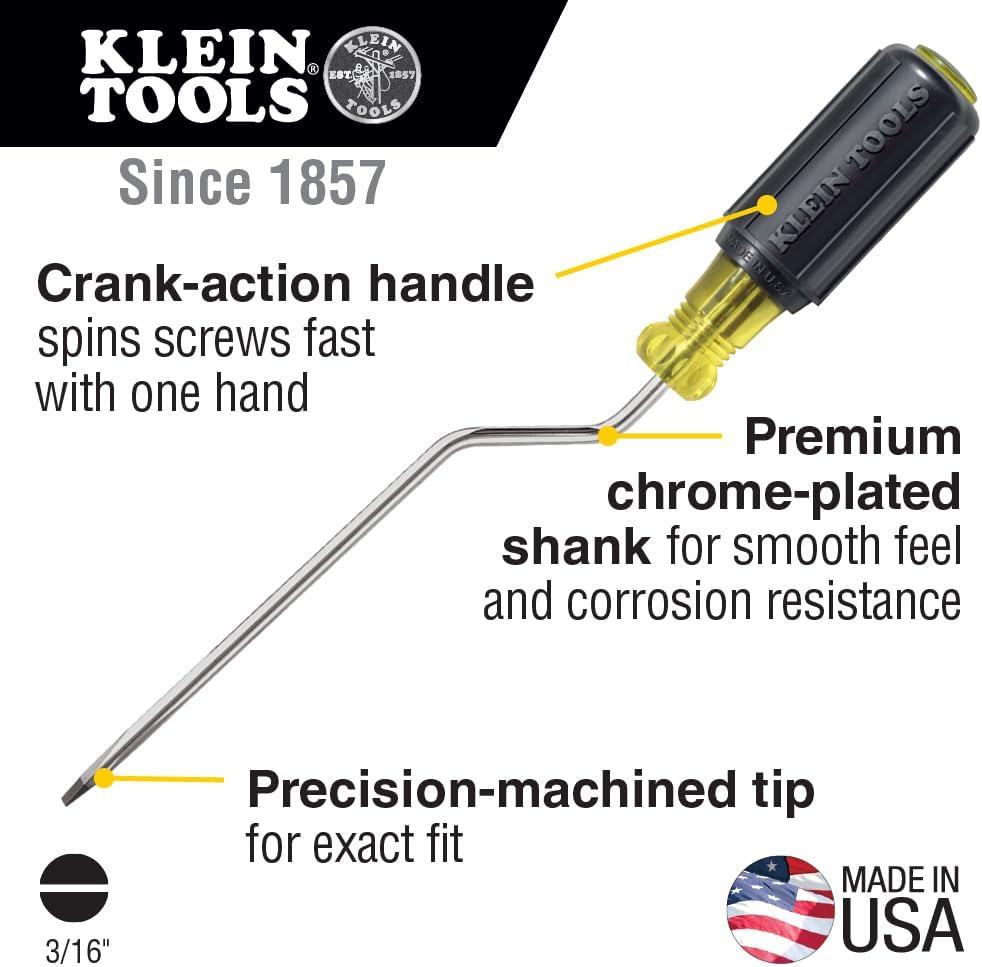
The precision-machined 3/16-inch cabinet tip on this screwdriver has proven itself repeatedly on the terminal block screws found in modern condensing units and air handlers. I’ve used it extensively on both 24-volt control boards and line voltage terminal strips in systems ranging from 18,000 to 60,000 BTU capacities, and the tip engagement is consistently excellent. The machining tolerances prevent cam-out even when dealing with those frustratingly tight terminal screws on SEER2-rated equipment where manufacturers seem to overtighten everything at the factory. What really stands out is how the tip holds its edge-after months of working on Copeland scroll compressor terminals, contactor connections, and the terminal blocks on ECM blower motors, there’s minimal wear. The chrome-plated, heat-treated blade resists corrosion even in coastal install environments where I’ve seen lesser screwdrivers pit and rust within a season.
| Application Type | Performance Rating | Notes |
|---|---|---|
| Control Board Terminals (24V) | Excellent | Precise fit prevents damage to sensitive connections |
| Contactor Screws (Line Voltage) | Excellent | Handles high-torque requirements without stripping |
| Compressor Terminal Blocks | Very Good | Double-flange design prevents twist during tightening |
| Blower Motor Connections | Excellent | Quick access in tight air handler compartments |
The double-flange blade design creates a twist-resistant connection that’s critical when you’re torquing down wire connections on high-amperage circuits-think 208/230V single-phase or three-phase installations on commercial RTUs. I’ve torqued terminal screws on 40-amp disconnect blocks without any blade slip or handle rotation, which speaks to the engineering behind the anchor design. The tip geometry also works perfectly on the smaller gauge screws found in modern thermostats and zone control panels, making this one screwdriver genuinely versatile across the entire HVAC electrical spectrum. Whether I’m wiring a new Carrier Infinity system with its complex control board or simply replacing a failed run capacitor, the precision tip consistently delivers the exact fit needed to avoid stripped screws and callbacks.
Why This Screwdriver Saves Time During Service Calls
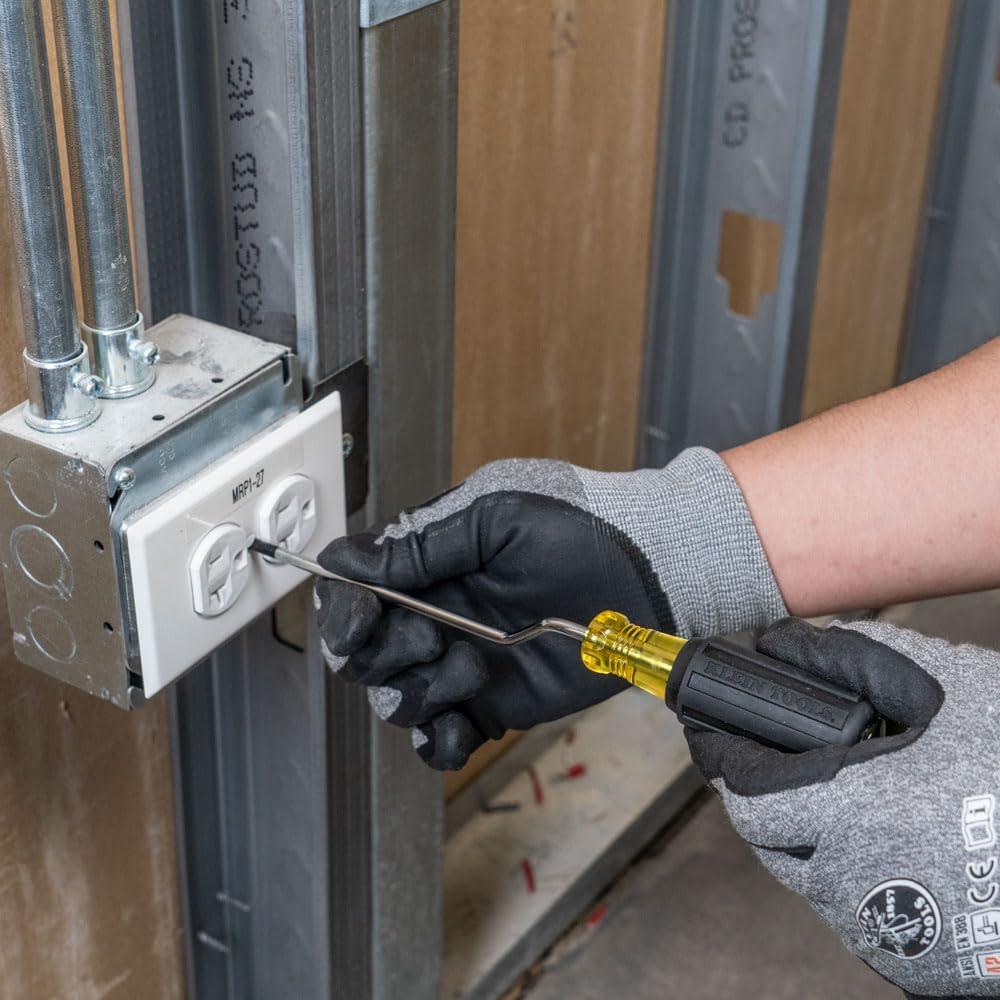
When you’re staring down a condensing unit with a dozen cabinet screws between you and a failed capacitor, every second counts-especially when the customer’s watching their 3-ton, 14 SEER split system sit silent in July heat. The crank-action mechanism on this tool genuinely transforms what would be a tedious unscrewing session into a quick one-handed operation. I’ve used it on everything from electrical disconnect boxes to air handler access panels, and the speed advantage is undeniable when you’re dealing with those long-threaded screws that seem to go on forever. The precision-machined 3/16-inch cabinet tip fits terminal block screws perfectly-critical when you’re landing wires on a compressor contactor or sequencer and can’t afford cam-out that strips the screw head. The chrome-plated, heat-treated blade holds up to the corrosive environments we deal with daily, from coastal salt air near outdoor condensers to the chemical exposure around cleaning agents used during filter maintenance.
What really sold me was using this during a furnace control board replacement where I had eight cabinet screws securing the blower compartment door-normally a wrist-killing job with a standard screwdriver. The double-flange blade design anchors solidly inside the Cushion-Grip handle, giving me the torque needed for those overtightened screws without the tool twisting apart in my hand. I’ve found it especially useful when working inside cramped spaces like the electrical compartments of package units or when accessing the control board on a high-efficiency variable-speed air handler where you need precision and speed. The 6-inch length provides enough reach without being unwieldy in tight quarters, and being made in the USA means replacement parts and quality consistency I can count on season after season.
| Feature | Benefit for HVAC Work |
|---|---|
| Crank-Action Design | Removes cabinet screws 3-5x faster than standard screwdrivers |
| 3/16″ Cabinet Tip | Perfect fit for terminal blocks, contactors, and control boards |
| Chrome-Plated Blade | Resists corrosion from outdoor condensers and chemical exposure |
| 6-Inch Length | Optimal reach for electrical compartments without excess bulk |
| Double-Flange Anchor | Handles high torque on overtightened equipment screws |
Get the Klein Rapi-Driv on Amazon
What Makes This Tool Worth Adding to Your Kit
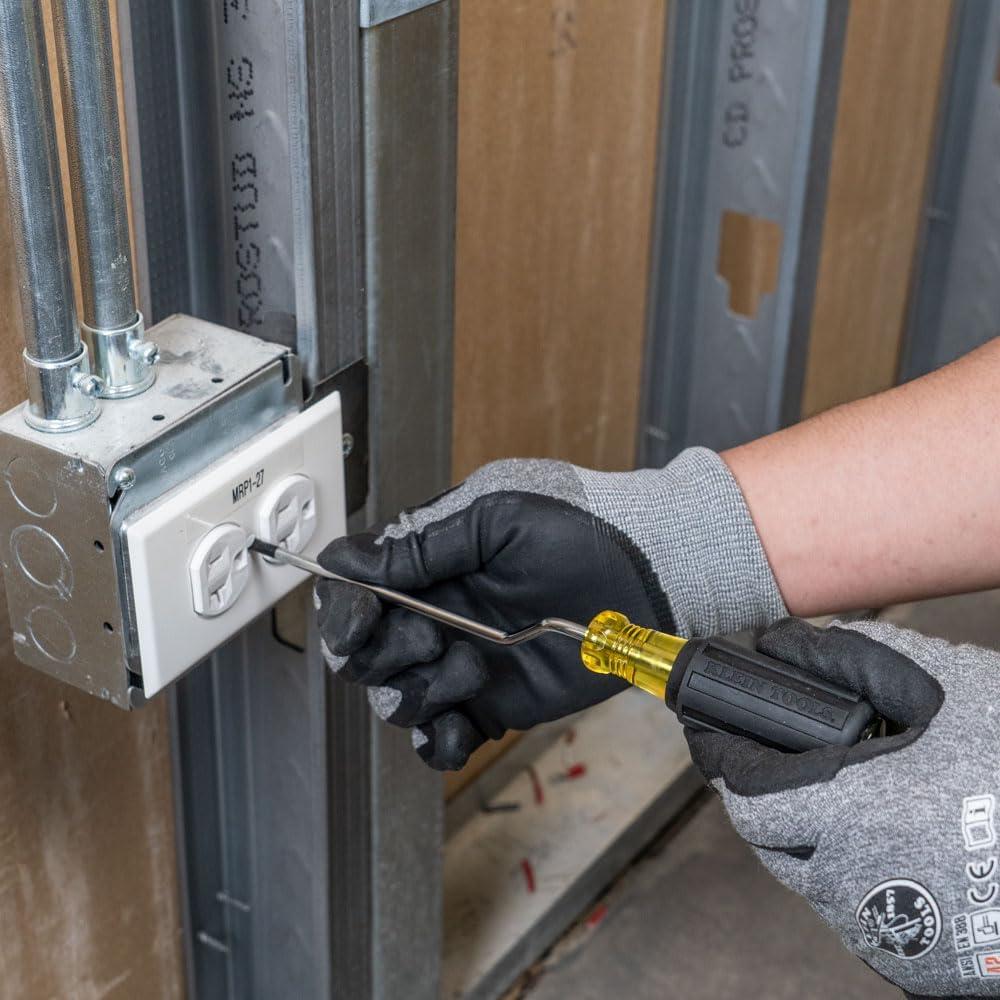
After years of working inside control panels, furnace cabinets, and air handler enclosures, I’ve learned that the right screwdriver can make or break your efficiency on a job. This crank-action screwdriver has become indispensable when I’m dealing with the dozens of terminal block screws in a multi-zone system or installing safety switches on equipment. The precision-machined 3/16-inch cabinet tip fits perfectly on those small terminal screws found in condensing units, thermostats, and control boards-exactly where cam-out can cause frustration and damage to sensitive electrical connections. The double-flange blade design provides a twist-resistant connection that’s critical when you’re torquing down wire connections on 24VAC control circuits or securing ground wires. I’ve used this on everything from simple thermostat installations to complex multi-stage heat pump wiring, and the crank-action mechanism genuinely reduces hand fatigue when you’re installing cover plates or running long screws through ductwork access panels.
What sets this apart from standard screwdrivers is its real-world durability in the field. The heat-treated, chrome-plated blade resists corrosion even after exposure to condensate, refrigerant mist, and the humid conditions inside air handlers. I’ve had mine for three seasons now, and it shows no signs of rust or tip wear-something I can’t say for cheaper alternatives that deteriorate after a few months of crawling through attics and basements. The Cushion-Grip handle provides excellent control even with gloves on, which matters when you’re working in cold basements or dealing with sharp metal edges on furnace cabinets. The fact that it’s made in the USA reflects the build quality you’d expect from a tool that needs to survive daily use in demanding HVAC applications. Whether you’re working on residential split systems or commercial rooftop units, this screwdriver handles the repetitive screw work that comes with panel removal, control board access, and component installation.
| Feature | HVAC Application Benefit |
|---|---|
| Crank-Action Handle | Speeds up installation of multiple terminal screws in control panels and thermostats |
| 3/16-Inch Cabinet Tip | Perfect fit for terminal blocks, safety switches, and control board connections |
| Chrome-Plated Blade | Resists corrosion from condensate and refrigerant exposure in air handlers |
| Precision-Machined Tip | Reduces cam-out on sensitive electrical connections and small fasteners |
| 6-Inch Length | Ideal reach for recessed screws in tight furnace and air handler cabinets |
Get the Klein Tools Rapi-Driv Screwdriver on Amazon
Embody Excellence

## The Bottom Line from the Field
Look, I’ve been turning screws in electrical panels for more than years than I care to count, and I can tell you this: the Klein 670-6 Rapi-Driv earns its spot in my bag every single day. When you’re working inside a control panel on a hot attic install or trying to make a quick repair call before the next job, that crank action isn’t just convenient-it’s the difference between staying on schedule and running late all afternoon.
I chose this tool because it does exactly what it promises, and it’s been doing it reliably since I bought it. That precision tip hasn’t stripped out on me, the blade hasn’t corroded despite plenty of crawlspace moisture, and my hand doesn’t cramp up after a full day of panel work. That matters.
Here’s what I always tell the techs I mentor: the tools you choose ripple out beyond your toolbox. When you work efficiently with quality equipment, you do cleaner work. Cleaner work means better connections, which means fewer callbacks, which means systems that run the way they’re supposed to. And *that* means homeowners get the comfort, efficiency, and reliability they’re paying for. A loose terminal because you camped out or stripped a screw? That’s a potential failure point that could cost someone their AC on the hottest day of summer or spike their energy bills for months.
This screwdriver helps me do it right the first time, every time. If you’re serious about panel work-whether you’re in the trade or a capable DIYer who wants professional results-this tool will serve you well.