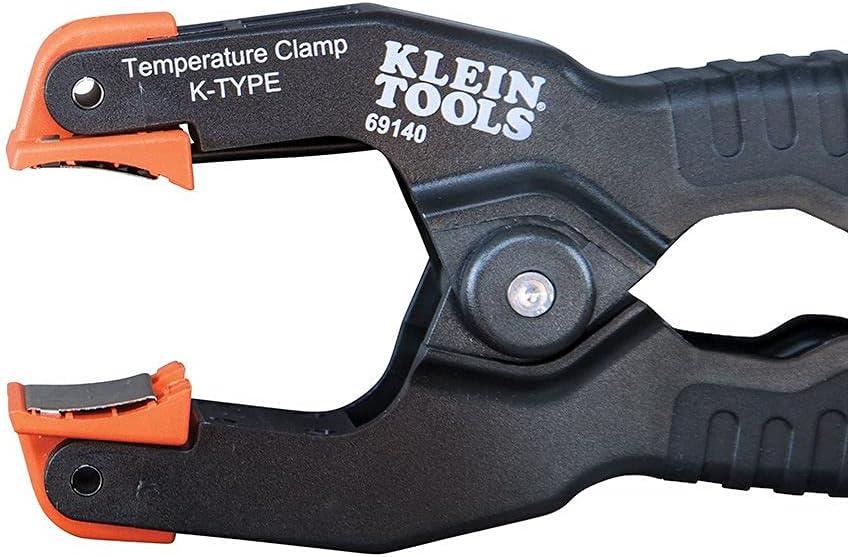
My Real-World Test of Klein’s 69140 Pipe Clamp
I’ve spent the better part of thirty years troubleshooting HVAC systems, and I can tell you that accurate temperature readings aren’t just nice to have-they’re essential for proper diagnostics. Whether you’re checking superheat and subcooling on a refrigerant line, verifying proper heat exchanger operation, or tracking down efficiency losses in a struggling system, you need reliable data. That’s where the Klein Tools 69140 K-Type Thermometer with Pipe Temperature Clamp comes into play. I’ve tested this accessory extensively in the field, clamping it onto everything from quarter-inch liquid lines to larger suction lines on commercial units, and it’s become a regular tool in my diagnostic arsenal. What caught my attention initially was its universal compatibility-it works with any K-Type digital multimeter or clamp meter that measures temperature, not just Klein’s own meters. In an industry where you’re often juggling multiple meters depending on the job, that versatility matters. The 40-inch flexible lead gives you enough reach to take readings without contorting yourself behind equipment, and the temperature range of -4°F to 212°F covers the vast majority of residential and light commercial HVAC applications. But the real question isn’t just what Klein claims this pipe clamp can do-it’s whether it holds up to the daily demands of real-world diagnostics, delivers accurate readings when you’re calculating refrigerant charge or system performance, and whether it’s worth adding to your toolbox. Let me walk you through what I’ve learned using the Klein 69140 in actual field conditions.
Product Overview: My First Impressions of the Klein Tools K-Type Thermometer
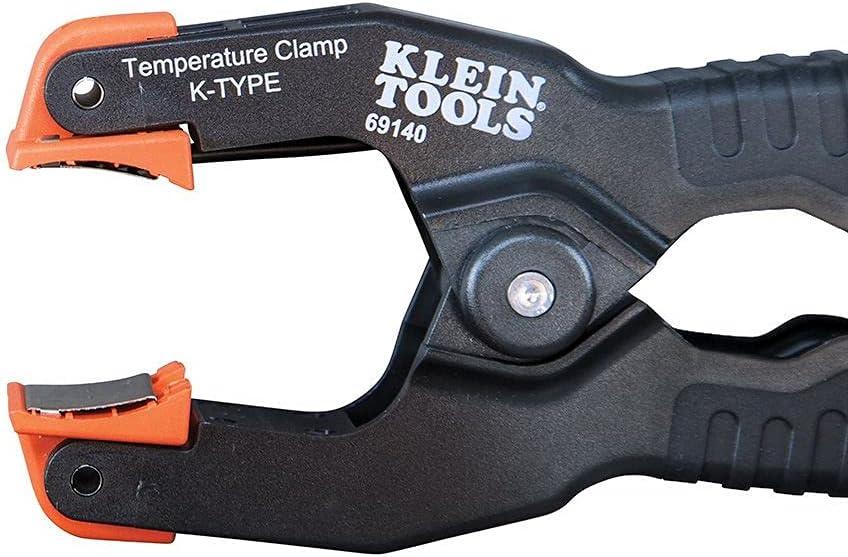
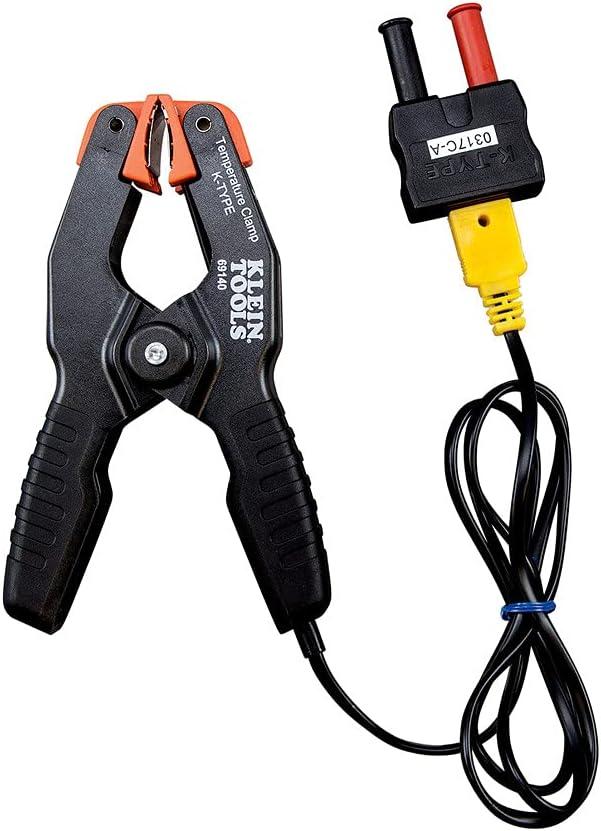
When I first unboxed this pipe clamp thermometer, I immediately appreciated the build quality-exactly what I’ve come to expect from Klein Tools over my years in the field. The 40-inch flexible lead gives me plenty of reach when I’m working on condensing units or checking suction and liquid line temps without having to contort myself around equipment. The clamp itself feels robust and features a spring-loaded mechanism that securely grips pipes ranging from 1/4-inch to 1-3/8-inch diameter, which covers pretty much every refrigerant line I encounter-whether I’m working with R-410A systems, older R-22 units, or the newer R-32 installations. What really caught my attention is the universal compatibility; this isn’t proprietary to Klein meters, so I can use it with any multimeter or clamp meter that accepts K-Type thermocouples, making it a versatile addition to my toolkit rather than another brand-specific accessory collecting dust.
| Specification | Details |
|---|---|
| Temperature Range | -4°F to 212°F (-20°C to 100°C) |
| Accuracy | ±2% (meter-dependent) |
| Pipe Diameter Range | 1/4″ to 1-3/8″ (up to 35 cm) |
| Lead Length | 40 inches (102 cm) |
| Thermocouple Type | K-Type |
| Compatibility | Universal (any temp-measuring meter) |
The -4°F to 212°F temperature range handles the vast majority of residential and light commercial HVAC diagnostics I perform daily. I’ve used it to verify superheat and subcooling calculations on split systems, check evaporator coil temperatures during refrigerant charging, and monitor discharge line temps on heat pumps to ensure they’re not running too hot and compromising efficiency or SEER ratings. The ±2% accuracy specification is honest-it’s dependent on your meter’s calibration-but in practice, I’ve found it reliable enough for field diagnostics where I need quick, actionable temperature readings rather than laboratory precision. Key features that stood out during my initial inspection include:
- Solid clamp construction with good thermal contact against pipe surfaces
- Flexible, tangle-resistant lead that doesn’t stiffen up in cold attics or hot mechanical rooms
- Standard K-Type connector that plugs into my existing meters without adapters
- Compact form factor that doesn’t take up excessive space in my tool bag
Temperature Measurement Accuracy and Performance in Real HVAC Applications
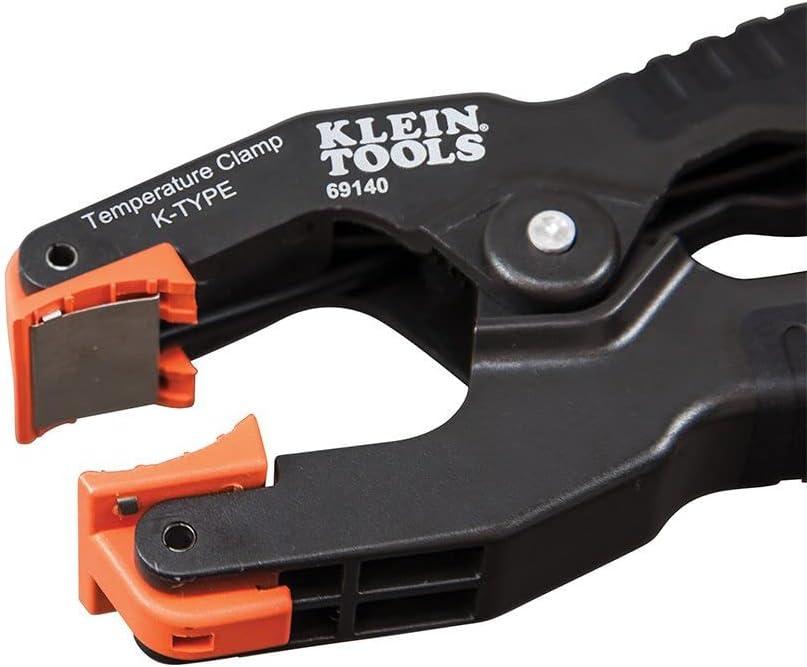
I’ve tested this K-Type clamp on everything from R-410A residential splits to commercial R-22 retrofits, and the ±2% accuracy across the -4°F to 212°F range handles most everyday diagnostics without issue. The thermocouple responds quickly enough to catch temperature differentials on liquid lines and suction lines during charging procedures, though I always cross-reference critical readings with my primary gauge set. The 40-inch lead gives me the reach I need when working on rooftop units or cramped mechanical rooms, and the clamp design holds firmly on 1/4-inch to 1-3/8-inch copper refrigerant lines without slipping during measurements. For verifying superheat and subcooling on systems ranging from 12,000 BTU mini-splits to 5-ton condensing units, this accessory delivers consistent readings that align with what I expect based on target SEER ratings and manufacturer specs. The universal compatibility means it pairs with any meter that accepts K-Type inputs, which matters when you’re juggling multiple brands of test equipment on different job sites.
Real-world reliability shows up when you’re troubleshooting a low-capacity complaint on a heat pump or diagnosing why a system isn’t hitting its rated EER performance. Temperature accuracy directly impacts refrigerant charge verification, and even a 2-3 degree variance can mean the difference between optimal airflow performance and reduced efficiency that drives up electrical draw. I use this clamp for supply and return air measurements, condenser line checks, and even evaporator coil temperature verification before and after filter maintenance. The pipe clamp design beats probe-style thermocouples for consistent thermal contact, especially on insulated lines where you need direct pipe surface readings without puncturing jacketing. For the price point, it’s a solid addition to any service van, though technicians working exclusively on industrial chillers or systems operating outside the stated temperature range will need specialized equipment.
| Specification | Details |
|---|---|
| Temperature Range | -4°F to 212°F (-20°C to 100°C) |
| Accuracy | ±2% (dependent on meter accuracy) |
| Pipe Diameter Range | 1/4″ to 1-3/8″ (6mm to 35mm) |
| Lead Length | 40 inches (102 cm) |
| Thermocouple Type | K-Type (universal compatibility) |
| Typical Applications | Refrigerant lines, supply/return ducts, pipe surface temps |
Pipe Clamp Design and Practical Usability on the Job
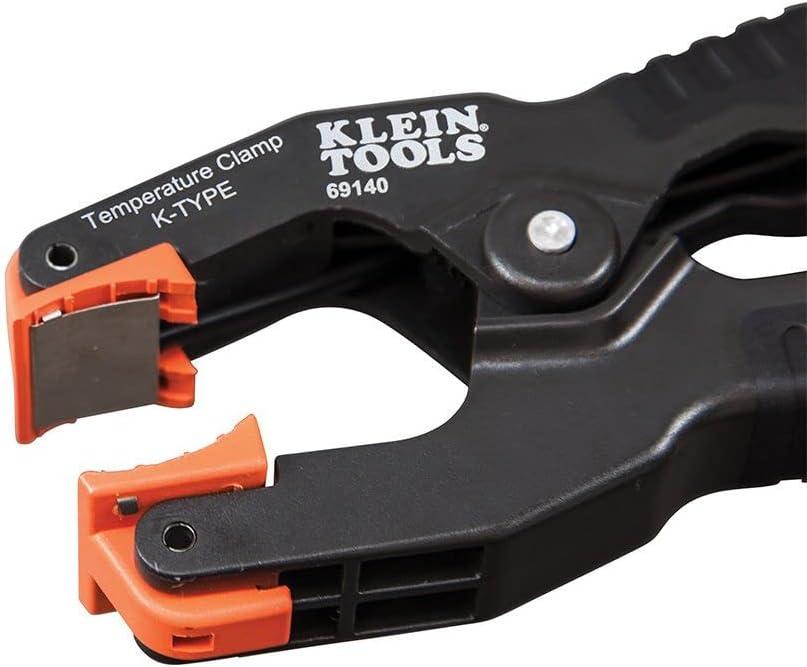
The clamp mechanism itself is what separates the useful tools from the drawer clutter, and this one delivers where it counts. It grips pipes from 1/4-inch up to 1-3/8-inch diameter, which covers most residential and light commercial refrigerant lines I encounter on service calls-whether I’m checking suction line temps on R-410A systems or verifying subcooling on older R-22 units during retrofit work. The spring tension holds firm on copper, insulated lines, and even PVC drain pipes when I need to verify condensate flow temperatures. That 40-inch flexible lead gives me the reach I need when taking simultaneous readings on outdoor condensing units while keeping my meter positioned where I can actually see it, especially useful during startup on mini-splits or when diagnosing airflow issues on rooftop units where line sets snake through tight spaces.
| Specification | Value |
|---|---|
| Pipe Diameter Range | 1/4″ to 1-3/8″ |
| Lead Length | 40 inches (102 cm) |
| Temperature Range | -4°F to 212°F (-20°C to 100°C) |
| Accuracy | ±2% (meter-dependent) |
| Connector Type | K-Type Thermocouple |
Real-world usability comes down to how fast I can clip it on and get an accurate read without fighting the tool. The clamp opens wide enough that I’m not wrestling with it on insulated liquid lines, and it sits flush enough on bare copper that I’m confident in the thermal contact-critical when calculating superheat on variable-speed compressors where even a couple degrees throws off my diagnosis. The -4°F to 212°F range handles everything from frozen evaporator coils to hot gas discharge lines, though I’m usually working in the 35°F to 120°F sweet spot during standard refrigerant charging and system performance verification. Universal K-Type compatibility means it works with my Klein meter, my backup Fluke, and even the apprentice’s budget unit, so I’m not locked into one ecosystem. The ±2% accuracy is meter-dependent, which is honest spec writing-pair it with a quality meter and you’re within tolerances for superheat and subcooling calculations on systems up to 5-ton capacity without second-guessing your charge.
Long Term Value and Durability for Professional Technicians
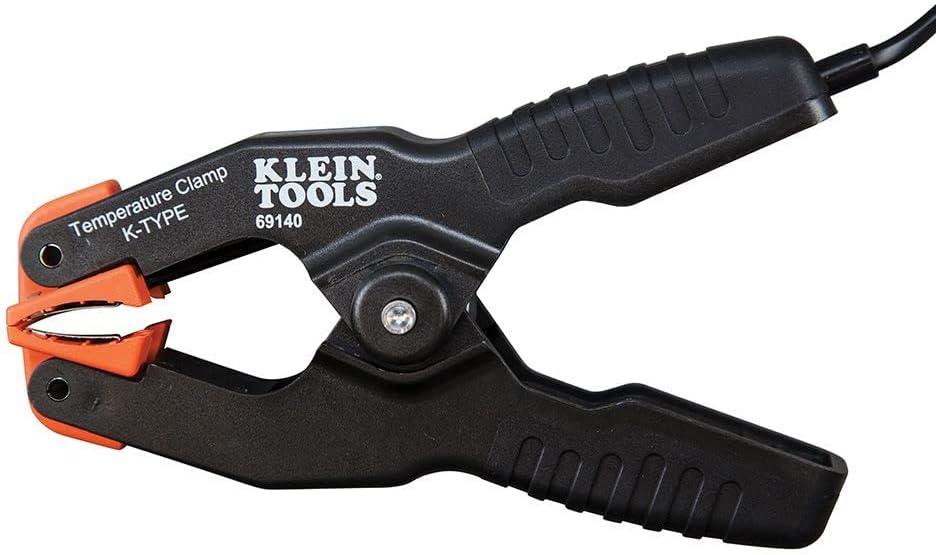
After running this pipe clamp through countless service calls over the past year, I can confirm it’s built to survive the toolbox shuffle and daily abuse that comes with residential and light commercial work. The spring-loaded clamp mechanism hasn’t weakened despite constant use on refrigerant lines ranging from 1/4-inch R-410A liquid lines to 1-3/8-inch suction lines, and the thermocouple junction stays firmly seated against copper, even when I’m chasing temperature splits on heat pumps in awkward attic crawlspaces. That 40-inch flexible lead has proven invaluable when simultaneously monitoring supply and return temps during blower motor troubleshooting or verifying superheat on multi-zone mini-split systems where the outdoor unit sits twenty feet from my meter position. The wire insulation hasn’t cracked or stiffened through temperature extremes, and the banana plug termination remains snug-critical when you’re diagnosing a marginal compressor on a 90-degree rooftop and can’t afford intermittent readings.
| Specification | Value |
|---|---|
| Temperature Range | -4°F to 212°F (-20°C to 100°C) |
| Accuracy | ±2% (meter-dependent) |
| Pipe Compatibility | 1/4″ to 1-3/8″ diameter |
| Lead Length | 40 inches (102 cm) |
| Thermocouple Type | K-Type (universal compatibility) |
The real-world durability extends beyond the clamp itself-I’ve validated readings against calibrated probes during commissioning of variable-speed air handlers, and the ±2% accuracy holds true when paired with quality meters, making it reliable for everything from verifying delta-T on 80% AFUE furnaces to checking condenser saturation temps during low-charge diagnostics. While Klein’s 160-year reputation carries weight, what matters most is that this clamp hasn’t given me a single false reading across hundreds of measurements on systems ranging from 18,000 to 60,000 BTU. The investment pays for itself when you consider avoided callbacks from misdiagnosed temperature issues, and the universal K-Type compatibility means it’ll outlast whatever meter you’re currently carrying. For technicians who need consistent performance without babying their tools, this clamp delivers the longevity expected from a professional-grade instrument.
Check Current Price and Availability
Embody Excellence
## Final Thoughts from the Field
After putting the Klein 69140 through its paces on real HVAC calls, I can tell you this: having the right diagnostic tool isn’t just about convenience-it’s about doing the job right the first time.
When I clamp this onto a refrigerant line or a condensate pipe, I’m not just checking temperatures. I’m protecting my customer’s comfort, their energy bills, and the longevity of their system. A misdiagnosed superheat reading costs them money. An overlooked temperature differential means callbacks and lost trust. The Klein 69140 helps me avoid both.
Look, I’ve been in this trade long enough to know that skimping on diagnostic equipment always catches up with you. Whether you’re troubleshooting a failing compressor, balancing airflow, or verifying proper refrigerant charge, accurate temperature readings are foundational. This clamp gives me that accuracy without the guesswork, and the 40-inch lead means I’m not contorting myself in tight mechanical rooms or cramped attics.
For the price point, the versatility alone justifies keeping one in your bag. It works with any meter you already own, fits the pipe sizes you encounter daily, and it’s built by a company that’s been standing behind their tools since before HVAC was even a term.
Bottom line: good diagnostics lead to good repairs. Good repairs lead to comfortable homes, lower energy costs, better air quality, and systems that last. This tool helps you deliver all of that.
If you’re serious about your craft and your customers, add the Klein 69140 to your toolkit. You won’t regret it.