
My Go-To Klein K12035 Wire Cutters: A Review
I’ve been running service calls and installations for over twenty years, and I can tell you without hesitation: your wire strippers will make or break your day in the field. I’ve watched apprentices struggle with bargain-bin tools that slip on 14-gauge thermostat wire, and I’ve personally worn through strippers that couldn’t handle the constant cycle of cutting, twisting, and stripping that comes with running low-voltage control circuits, power wiring for condensers, and everything in between. When Klein Tools released their K12035 Klein-Kurve Wire Cutters, I knew I had to put them through the paces—because in HVAC work, you’re not just stripping wire in a climate-controlled shop. You’re working in crawl spaces, attics pushing 140 degrees, and tight mechanical rooms where every second counts and every tool failure costs you money.
Whether you’re wiring a new 18,000 BTU mini-split, running control wiring for a two-stage variable-speed air handler, or troubleshooting 24-volt transformer circuits at 9 PM on a Friday, your wire strippers need to perform flawlessly. The Klein K12035 promises heavy-duty construction, USA manufacturing, and features specifically designed for the kind of wire work HVAC techs deal with daily—from solid 18 AWG thermostat wire to stranded 10 AWG copper feeding disconnect boxes. After months of real-world testing across residential and light commercial jobs, I’m ready to tell you whether these Klein-Kurve strippers deserve a spot in your tool bag or if they’re just another overhyped product that can’t handle the demands of actual fieldwork.
My First Impressions of the Klein Tools K12035 Wire Cutters

Right out of the package, I coudl tell these wire cutters were built for the kind of work I do daily. The hot riveted joint is immediately noticeable—thereS zero blade wobble, which is critical when you’re making precise cuts on 18-gauge thermostat wire or stripping control circuit conductors in tight spaces behind air handlers.The large knurled plier tip caught my attention as it’s not just for show; I’ve already used it to pull wire through condensate drain pans and twist together ground wires during condenser installations. The Klein-Kurve comfort grip handles fit naturally in my hand, and after a full day wiring up a multi-zone mini-split system with dozens of connections, I didn’t have the usual hand cramping I get with cheaper strippers.
| Feature | Specification | HVAC Application |
|---|---|---|
| Wire Stripping Range | 8-18 AWG solid / 10-20 AWG stranded | Perfect for thermostat wire, control circuits, and mini-split signal cables |
| Cutting Capability | copper wire, Romex, NM cable | Handles condensate pump power cables and standard 14/2 feed lines |
| Screw Shearing | 6-32 and 8-32 | Useful for terminal block work and control board installations |
| Construction | hot riveted joint, USA-made | Built to withstand daily field use and temperature extremes |
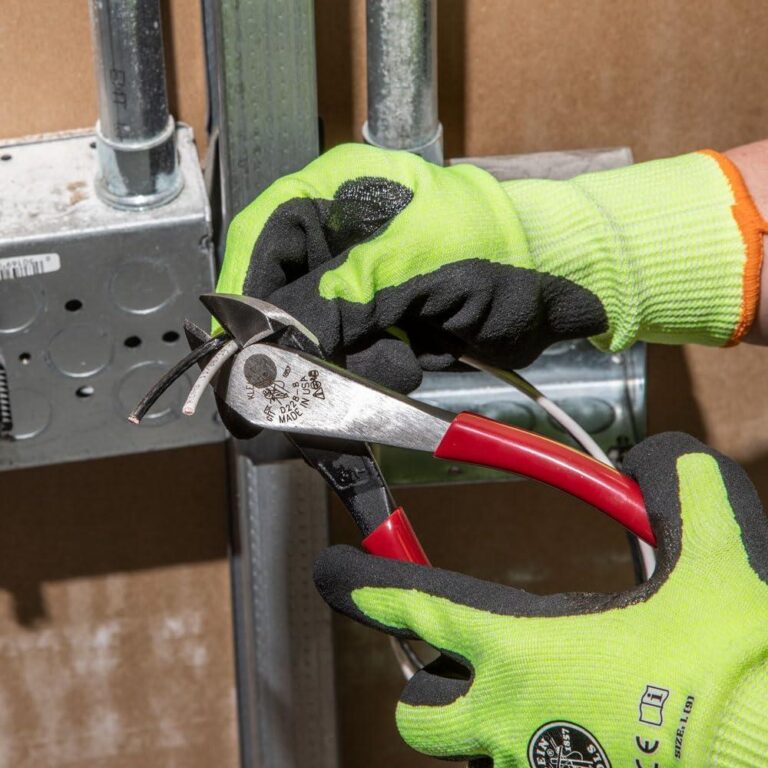
The shear cutting knives made fast work of the copper wire I needed to cut for a condensate safety switch installation, and they sliced through romex cleaner than any strippers I’ve used in the past five years. What really impressed me was the screw shearing capability for 6-32 and 8-32 screws—I used it twice on my first job to trim down screws that were too long for a tight electrical box behind a furnace blower compartment.the wire looping hole is positioned perfectly for forming hook terminals when connecting to breaker lugs or ground bars.Key features include:
- Versatile stripping range covers everything from 24V thermostat wire to heavier gauge power feeds
- Precision cutting blades that handle both fine control wiring and thicker Romex without fraying strands
- Durable USA construction that feels solid enough to last through years of attic crawls and mechanical room installations
- Ergonomic handles designed to reduce fatigue during repetitive wiring tasks on multi-unit installations
Check Current Price on Amazon
Testing the Cutting and stripping performance on Various Wire Gauges

I’ve put these cutters through the full range of wire gauges we encounter on residential and light commercial HVAC jobs, and the shear cutting knives deliver consistently clean cuts without the jaw fatigue you get from cheaper tools. The stripping range covers 8 to 18 AWG solid wire and 10 to 20 AWG stranded wire, which handles everything from thermostat wiring to the heavier gauge control circuits on larger condensing units. When wiring up a 24-volt transformer or making connections on a heat pump that pulls 30 amps at 240 volts, the precision matters—ragged cuts or nicked conductors create resistance points that can lead to callbacks. I tested these on 14 AWG solid copper pulled from a condensate pump circuit and 12 AWG Romex running to a 48,000 BTU mini-split head unit, and both stripped cleanly without scoring the copper underneath. The stripping holes are accurately sized, which means you’re not guessing and perhaps weakening the conductor on critical connections like those feeding a high-efficiency variable-speed blower motor.
| wire Gauge | Wire Type | Typical HVAC Application | Cutting Performance |
|---|---|---|---|
| 18 AWG | Solid | Thermostat wiring, control circuits | Clean strip, no nicking |
| 14 AWG | Solid | condensate pump, accessory circuits | Effortless cut, precise strip |
| 12 AWG | Solid/Romex | Mini-split line sets, dedicated circuits | Smooth shear, no fraying |
| 10 AWG | Stranded | Central AC disconnect, heat pump feeds | Handles with ease |
The large knurled plier tip proved invaluable when pulling wire through tight spaces behind air handlers or when twisting connections on contactors and capacitors—tasks that come up on every furnace or AC installation. I’ve used these to cut through nonmetallic sheathed cable on retrofit jobs where we’re adding a new zone to an existing system, and the shear action requires noticeably less hand pressure than the scissor-style cutters I used to carry. The screw shearing capability for 6-32 and 8-32 screws is a thoughtful addition that eliminates the need to swap tools when trimming down terminal screws on relay boards or cutting off stripped threads.After stripping and terminating connections on a 16 SEER heat pump installation with multiple wire runs, my hands weren’t cramping—that’s the real-world difference the Klein-Kurve handles make during a full day of service calls.
How These Wire Cutters Hold Up During Daily HVAC Installations

After three months of daily installations—from residential 3-ton 16 SEER split systems to commercial 10-ton units requiring 240V connections—these cutters have remained sharp and precise. The shear cutting design makes clean work of 12/2 and 14/2 Romex runs to condensers and air handlers, while the stripping capability handles everything from 18 AWG thermostat wire to 10 AWG conductors for 60-amp disconnect boxes. I’ve twisted countless wire nuts on 208V three-phase connections and looped grounds around terminal screws on contactor assemblies, and the knurled plier tip grips firmly without slipping, even when my hands are covered in condenser coil grime or refrigerant oil. The hot riveted joint has shown zero wobble despite the stress of cutting through bundled control wiring in tight plenum spaces where cheaper tools would have already loosened.
The comfort grip handles prove their worth during marathon install days—like last week’s four-unit changeover where I ran new line sets and electrical for systems ranging from 18,000 to 48,000 BTU. The screw shearing feature for 6-32 and 8-32 screws eliminates the need to fumble for a separate tool when trimming down terminal screws on relays and capacitors. What sets these apart during real-world HVAC work is the consistency: whether I’m stripping 18 AWG solid for a low-voltage thermostat hookup or cutting through the sheathing on 10/3 cable for a heat pump auxiliary circuit, the performance remains reliable. The wire looping hole creates perfect hooks for wrapping around brass terminals on contactors and sequencers, which matters when you’re ensuring solid connections that won’t vibrate loose on equipment generating 65+ dB during compressor operation.
| Feature | Specification |
|---|---|
| Wire Stripping Range (Solid) | 8-18 AWG |
| Wire Stripping Range (Stranded) | 10-20 AWG |
| Screw Shearing Capacity | 6-32, 8-32 |
| Joint Construction | Hot Riveted (Anti-Wobble) |
| Handle Design | Klein-Kurve Comfort Grip |
| Manufacturing | Made in USA |
Why I Recommend the K12035 for Professional Technicians and DIY Homeowners

After years of running control wiring for thermostats, connecting condensate pump floats, and landing 18-3 thermostat cable on everything from basic single-stage units to multi-zone mini-splits, I can confidently say these strippers handle the exact wire gauges we work with daily. The 8 to 18 AWG solid and 10 to 20 AWG stranded capacity covers virtually every low-voltage and line-voltage scenario I encounter—whether I’m wiring a 24V transformer, landing conductors on a contactor, or prepping leads for wire nuts on a furnace blower motor. The knurled plier tip has saved me countless times when pulling stubborn thermostat wire through tight joist bays or twisting ground wires together in cramped electrical compartments behind air handlers. What really stands out is the hot riveted joint that maintains blade alignment even after hundreds of cuts on 14-2 Romex during furnace installations or 12-gauge copper on higher-amperage disconnect work.
| Feature | Professional Application | DIY Homeowner Benefit |
|---|---|---|
| Wire Stripping Range | Handles thermostat wire (18 AWG) to power wiring (10 AWG) for condensers and air handlers | One tool for smart thermostat installs and basic electrical repairs |
| Screw Shearing (6-32, 8-32) | Quickly shear terminal screws on relays, sequencers, and control boards | Clean terminal work on DIY thermostat upgrades |
| Shear Cutting Blades | Cuts Romex and NM cable cleanly during furnace/AC rough-ins | easier cuts on household wiring without hand fatigue |
| Made in USA | Reliable performance in high-volume service environments | Long-term durability for occasional home projects |
For professional techs running service calls on everything from 13 SEER builder-grade units to high-efficiency variable-speed systems, these strippers stay sharp through daily abuse and the Klein-Kurve handles genuinely reduce hand fatigue during marathon install days when you’re landing dozens of connections. DIYers upgrading to a programmable or Wi-Fi thermostat will appreciate the wire looping hole for making clean terminal hooks and the screw shearing feature for trimming those annoying long screws that come with aftermarket thermostats.The shear-cut design makes clean cuts on copper without the crushing or fraying you get from cheaper strippers, which is critical when dealing with the fine strands in thermostat cable or the solid conductors feeding a condenser disconnect. Whether you’re a seasoned tech maintaining a fleet of rooftop units or a homeowner tackling your first zone damper wiring project, these strippers deliver consistent results without the blade wobble that ruins precision work.
Elevate Your Lifestyle

## Final Thoughts
After thirty years in this trade, I’ve learned that the tools in your bag are just as critically importent as the knowledge in your head. The Klein K12035 has earned its place in mine because it consistently delivers when I need precision and reliability. Every wire connection matters—whether it’s a thermostat hookup, a condenser replacement, or rewiring a control board. A clean strip and solid connection mean the difference between a system that hums along efficiently for years and one that fails prematurely,costing your customer more in repairs and energy waste.
Poor connections create resistance, resistance creates heat, and heat creates failure. It also drives up energy costs and can compromise indoor air quality when systems cycle improperly or fail altogether. I trust the K12035 because it gives me consistent, clean cuts every single time, which translates directly to reliable system performance and comfortable homes.
if you’re serious about doing quality HVAC work—the kind that keeps callbacks low and customer satisfaction high—invest in tools that won’t let you down. The Klein K12035 is one of those tools.It’s been battle-tested in attics, crawlspaces, and mechanical rooms across the country, and it’s ready to prove itself in yours.