electrical tools

  • Klein Tools 80013: My Go-To Crimping Kit Review

    After twenty years pulling wire in attics and crawl spaces, I’ve learned that most combo tool kits are garbage. The Klein Tools 80013 changed my mind. This two-piece setup pairs an automatic wire stripper with a ratcheting crimper, and both actually work like they’re supposed to. The stripper handles 10-22 AWG without mangling the copper—something I deal with daily on thermostat and control wiring. The ratcheting crimper gives you consistent pressure every time, which means reliable connections on insulated terminals. No more guessing if you squeezed hard enough. I’ve been running this kit for eight months now, and it’s held up through residential installs and commercial service calls. Not the cheapest option out there, but it’s Klein—you’re paying for tools that won’t fail when you’re three jobs deep on a Friday afternoon.

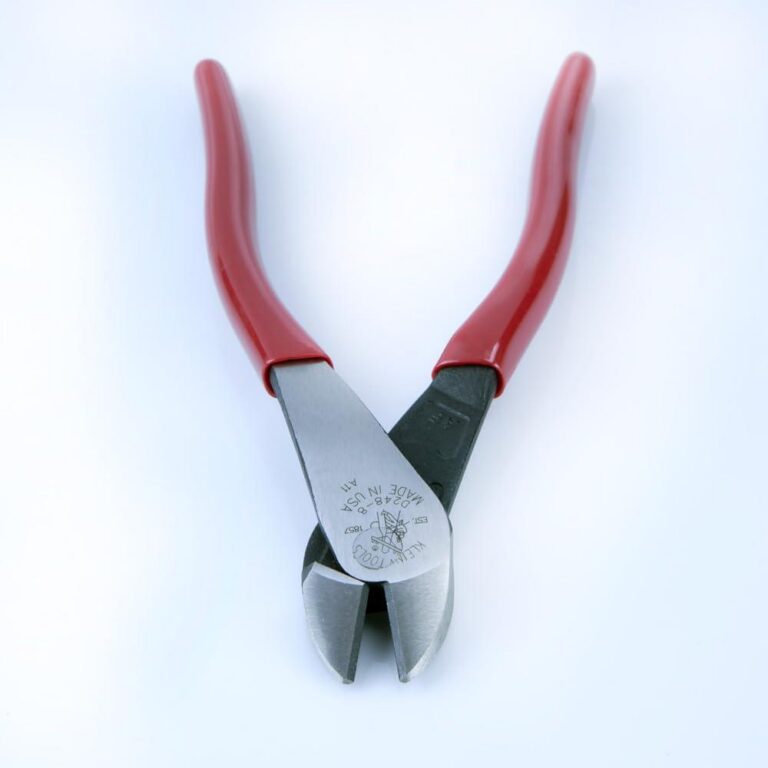
  • Klein D248-9ST: My Go-To Diagonal Cutters Review

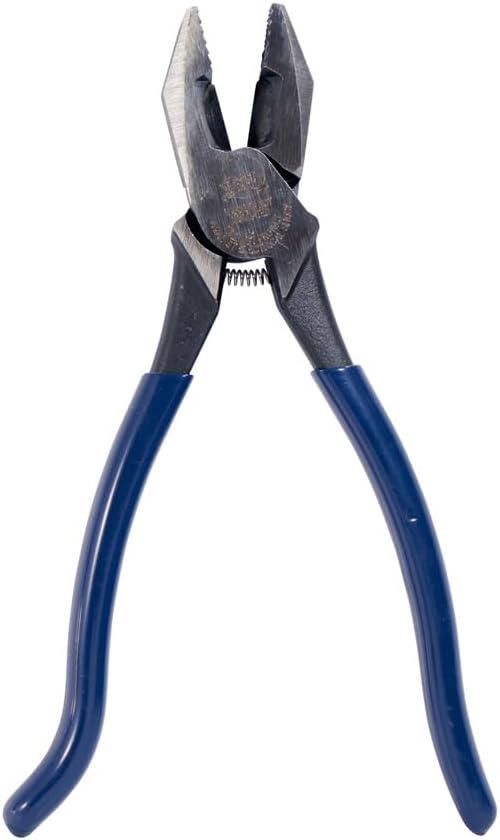
    I’ve been running HVAC service calls for over a decade, and I can tell you straight up: most diagonal cutters marketed to our trade are garbage within six months. The Klein D248-9ST changed that for me. These aren’t your typical wire snips — they’re built like ironworker tools because that’s exactly what they are. I started using them after snapping my third pair of “professional grade” cutters on a condensing unit’s wire loom. The high leverage design means I’m not death-gripping every cut, and yes, I’ve actually used them on rebar when retrofit work gets creative. Made in USA matters here because the steel quality is noticeable. At 9 inches, they fit my tool bag without being awkward. Bottom line: these cutters have survived two years of daily abuse and still bite clean. That’s all I need to know.

  • Klein Tools 85442DD: My Go-To Demo Drivers

    I’ve been beating on the Klein Tools 85442DD demo drivers for eight months now, and they’ve earned their spot in my bag. These aren’t your typical cabinet screwdrivers—the strike caps actually hold up when you’re hammering out rusted panel screws or persuading frozen access doors. The 1/4-inch and 5/16-inch keystone tips handle 90% of what I encounter on service calls, from transformer covers to blower housings.

    What sold me? The shafts don’t twist when you’re applying serious torque on corroded fasteners, and the handles haven’t split despite regular hammer abuse. They’re heavier than cheap alternatives, but that’s exactly what you want when demolishing old equipment. At this price point, they’re simply reliable tools that do what they promise without the premium markup of fancier options.

  • Klein Tools 11048: My Go-To Wire Stripper Review

    After fifteen years turning wrenches in attics and crawl spaces, I’ve learned that your wire stripper either earns its spot in your pouch or it doesn’t. The Klein Tools 11048 has been riding on my belt for three years now, and it’s not going anywhere.

    This thing strips 10-18 AWG solid wire clean every single time—no nicks, no do-overs. I’ve used it on countless thermostat installs, control board replacements, and low-voltage runs. The cutting edges still bite through copper like day one, and the grip hasn’t gone sloppy despite being dropped off more ladders than I’d like to admit.

    Made in USA means something when you’re working in 120-degree attic temps and can’t afford tool failures. It’s not the cheapest stripper out there, but it’s the last one you’ll buy.

  • Klein 11046 Wire Stripper: My Field-Tested Review

    I’ve stripped more wires in crawlspaces and attics than I care to count, and the Klein 11046 has earned a permanent spot in my tool bag. This isn’t some fancy gadget that impresses the apprentices—it’s a straightforward stripper that does exactly what you need when you’re running thermostat wire or low-voltage controls.

    The precision-ground holes consistently strip 16-26 AWG stranded without nicking the copper, which matters when you’re dealing with delicate control circuits. At under six inches, it fits where those bulkier strippers won’t, especially in tight junction boxes. Yes, it’s Made in USA, and you can feel it in the build quality.

    After six months of daily use, the cutting edges are still sharp and the spring tension hasn’t weakened. It’s not revolutionary, but it’s reliable—and in this trade, that’s what counts.

  • Klein Tools 32306INS: My Go-To Insulated Driver

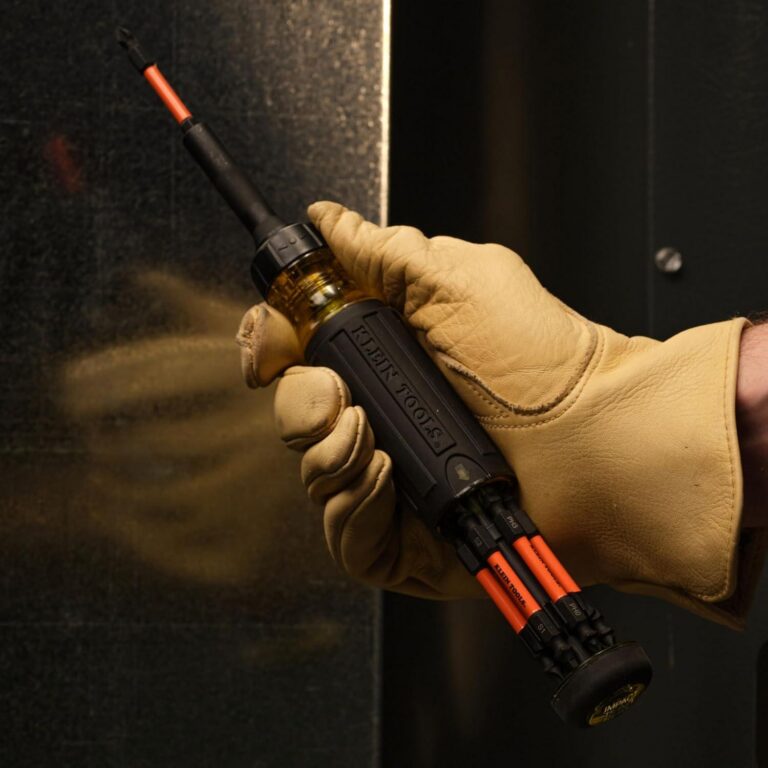
    I’ve been carrying the Klein 32306INS for eight months now, and it’s earned its spot in my daily rotation. The 1000V rating isn’t just marketing—when you’re working near live circuits in tight mechanical rooms, that peace of mind matters. What really sold me was the auto-locking collar. No more bits backing out mid-turn when you’re shoulder-deep in a furnace cabinet. The in-handle storage actually works, unlike some drivers where the bits rattle loose or jam up. I keep my most-used tips right there: #2 Phillips, 1/4″ and 5/16″ nut drivers see constant action on contactors and terminal blocks. The grip feels solid even with sweaty hands, and after months of panel work and countless drops onto concrete, it’s holding up. It’s not the cheapest driver out there, but for insulated work, I’m not gambling with my safety.

  • My Take on the Klein Tools Electrician’s Knife

    I’ve been carrying the Klein Tools Electrician’s Pocket Knife for six months now, and it’s become one of those tools I actually notice when I forget it. The stainless steel blade holds an edge better than I expected—I’ve stripped countless Romex jackets and trimmed wire insulation without needing to sharpen it yet. What really sold me is the deep-carry clip. It sits low in my pocket and doesn’t snag on everything like my old knife did when I’m crawling through tight attic spaces or squeezing behind condensers. The lanyard hole is a nice touch for those rooftop jobs where dropping a tool means a long walk down. It’s not fancy, but Klein knows what electricians and HVAC techs actually need. Solid everyday carry that just works.

  • Klein’s Ferrule Crimper: A Pro’s Take on Quality

    I’ve been running HVAC service calls for over a decade, and I can spot tool hype from a mile away. When Klein released their 34055 ferrule crimper, I’ll admit I was skeptical—another “must-have” tool gathering dust in my van? But after six months of daily use on control wiring and thermostat installations, this thing’s earned its spot in my everyday bag. The ratchet mechanism isn’t just smooth; it’s actually adjustable, which matters when you’re crimping everything from 22 AWG thermostat wire to heavier 10 AWG runs. What sold me is the consistency—every crimp comes out clean and secure, no re-dos. It’s not cheap, but neither are callbacks for loose connections. If you’re serious about professional-grade terminations, this crimper delivers.

  • Klein Tools 80025: My Go-To Outlet Testing Kit

    After fifteen years in HVAC, I’ve learned that electrical troubleshooting separates the pros from the amateurs. The Klein Tools 80025 has become my daily driver for one simple reason: it just works. I’ve tested countless outlets in attics, crawlspaces, and mechanical rooms where a single misread could mean real problems. This kit gives me the confidence to diagnose wiring issues fast—the GFCI tester handles what it’s supposed to, and that non-contact voltage pen has saved me from hot wires more times than I care to admit. Klein didn’t overthink this one. It’s compact, reliable, and priced right for techs who need results, not gimmicks. Whether you’re running service calls or doing installs, this kit deserves a spot in your bag.

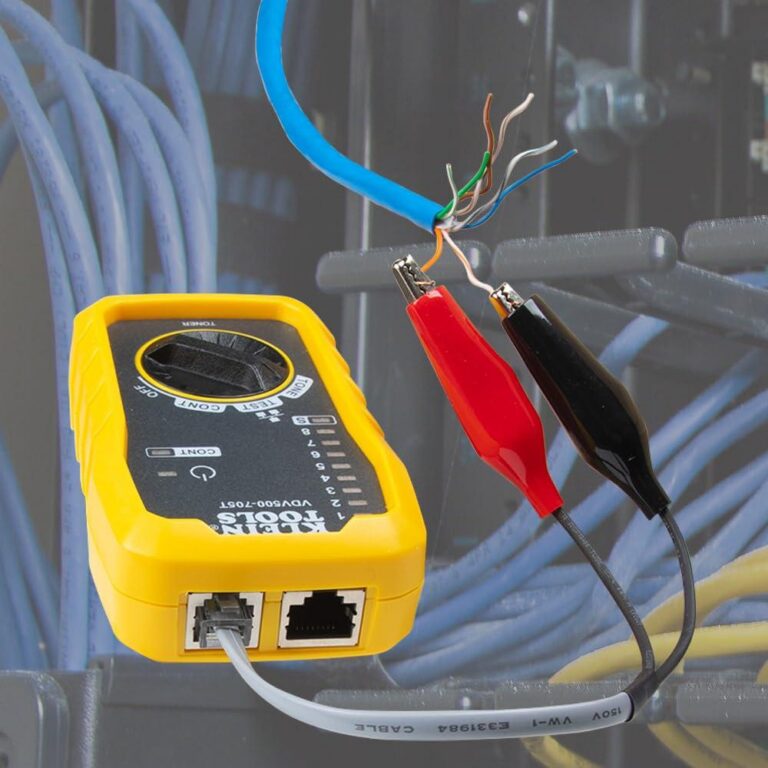
  • Klein VDV500-820: My Go-To Wire Tracer Kit

    I’ve been running HVAC service calls for over a decade, and let me tell you—tracing wires in cramped attics and behind finished walls isn’t just tedious, it’s where cheap tools go to die. The Klein VDV500-820 has earned a permanent spot in my toolkit because it actually works when I need it to.

    What sets this kit apart? The tone is strong enough to trace through bundled cables without getting lost in the noise, and the probe’s tip lights up even in dark crawlspaces—small detail, huge difference. I use it constantly for thermostat wiring, zone control troubleshooting, and tracking down mystery cables behind equipment.

    Sure, it’s designed for low-voltage telecom work, but it handles HVAC control wiring beautifully. At this price point, it’s the wire tracer I recommend to every tech on my crew.

  • Klein RT210 Review: My Go-To Outlet Tester

    I’ve been carrying the Klein RT210 in my tool bag for the past two years, and it’s become one of those tools I reach for without thinking. As an HVAC tech, I’m constantly checking outlets before I install equipment, and this little tester has saved me from more headaches than I can count. It’s dead simple—plug it in, read the lights, done. No complicated menus or batteries to die mid-job. What I appreciate most is how it catches the wiring issues that’ll actually cause me problems: open grounds, reversed polarity, the usual suspects. The GFCI test button works every time, which sounds basic but you’d be surprised how many testers get flaky after a few months of real use. It’s tough, reliable, and priced right for something I’m not worried about breaking on a job site.

  • Klein 11061 Wire Stripper: My Honest Field Test

    I’ve been running the Klein 11061 self-adjusting stripper for three months now, and it’s earned a permanent spot in my tool bag. After stripping countless thermostat wires and Romex runs in cramped attics and tight mechanical rooms, this thing just works. The self-adjusting mechanism actually lives up to the hype—no more fumbling with different gauge settings when you’re wedged behind a furnace. It handles 18-gauge thermostat wire as cleanly as 12/2 Romex, which matters when you’re doing control wiring one minute and power the next. The cuts are clean, the grip doesn’t slip when your hands are sweaty, and it’s taken some serious abuse without failing. At this price point, it’s not a gamble—it’s a solid investment that’ll pay for itself in time saved alone.