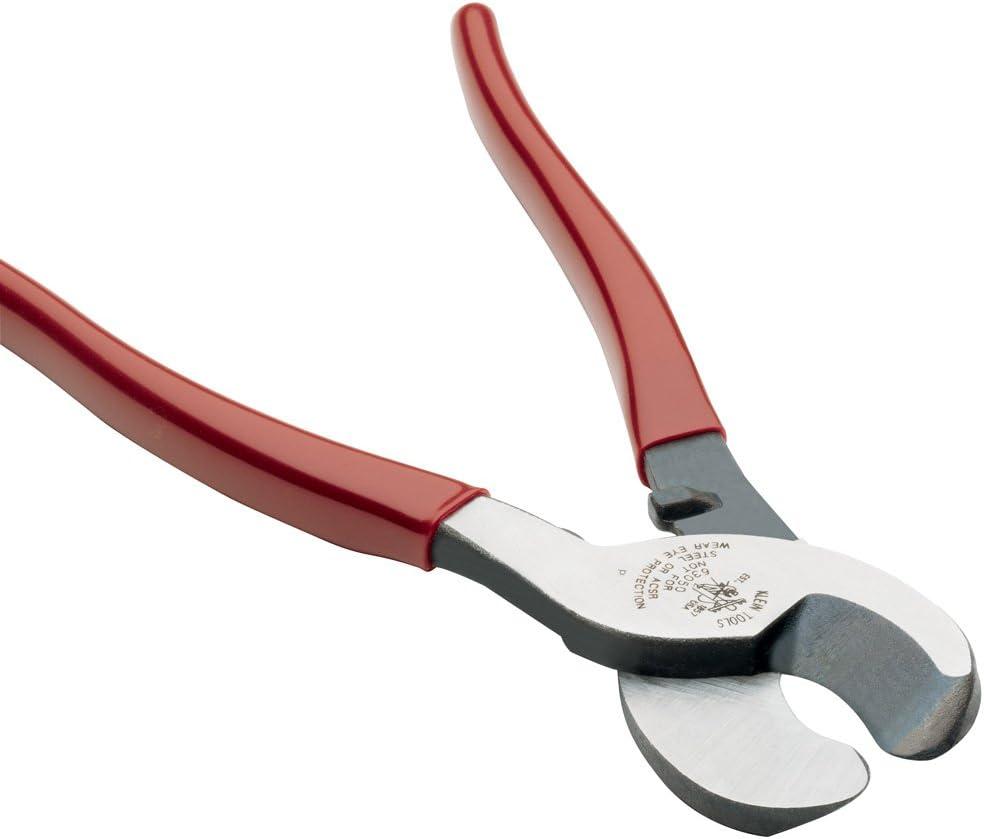
Klein 63050 Cable Cutter: My Go-To for 20 Years
I’ve been working HVAC for over twenty years, and I can tell you straight-there’s no job where you don’t end up cutting cable. Whether I’m running low-voltage thermostat wire to a new system install, trimming refrigerant line communication cables on a mini-split, or dealing with heavier gauge power feeds to condensers and air handlers, the tool I reach for matters. A poor-quality cutter wastes time, leaves burrs that cause connection issues, and frankly, makes you look unprofessional in front of a customer.
That’s why I’m taking a hard look at the Klein Tools 63050 Cable Cutter today. Klein has been around since 1857, and in this trade, that kind of longevity means something. This particular model claims to handle 4/0 aluminum, 2/0 soft copper, and 100-pair communications cable with one-hand shearing action-all while being compact enough for tight attic crawls and mechanical rooms where space is never on your side. It’s made in the USA with through-hardened steel, not the cheaper case-hardened stuff that dulls out after a few months of real use.
I’ve had this cutter in my pouch on residential changeouts, commercial rooftop unit installations, and troubleshooting calls where I needed clean cuts on control wiring without damaging adjacent connections. In this review, I’ll break down whether the 63050 lives up to Klein’s reputation, how it performs on the cables we actually cut in HVAC work, and whether it’s worth the investment over the cheaper options sitting on the shelf at your local supply house.
Product Overview: My First Impressions of the Klein Tools Cable Cutter
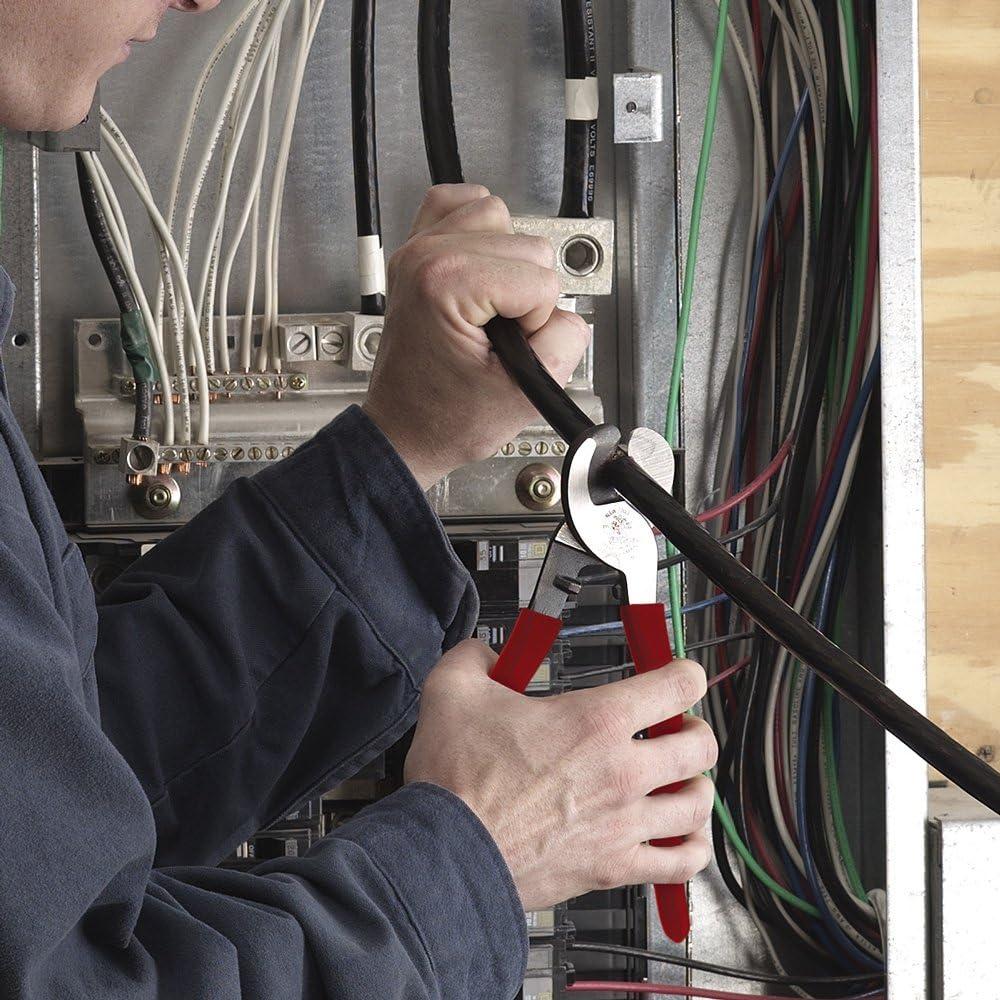
When I first pulled this cutter from the packaging, the heft and balance told me everything I needed to know-this is a tool built for daily punishment in the field. The through-hardened cutting surfaces are immediately noticeable compared to cheaper cutters I’ve cycled through over the years. Working on residential and light commercial installations, I’m constantly dealing with copper linesets for R-410A systems, aluminum conductors on disconnect boxes, and low-voltage thermostat wire bundles. This Klein cutter handles all three without the jaw misalignment and dulling issues that plague imported alternatives. The one-handed shearing action is a game-changer when you’re balancing on a ladder routing electrical whips to condensing units or cutting spare lineset before brazing connections on a mini-split install.
| Cutting Capacity | Maximum Size |
|---|---|
| Aluminum Cable | 4/0 AWG |
| Soft Copper Cable | 2/0 AWG |
| Communications Cable | 100-Pair 24 AWG |
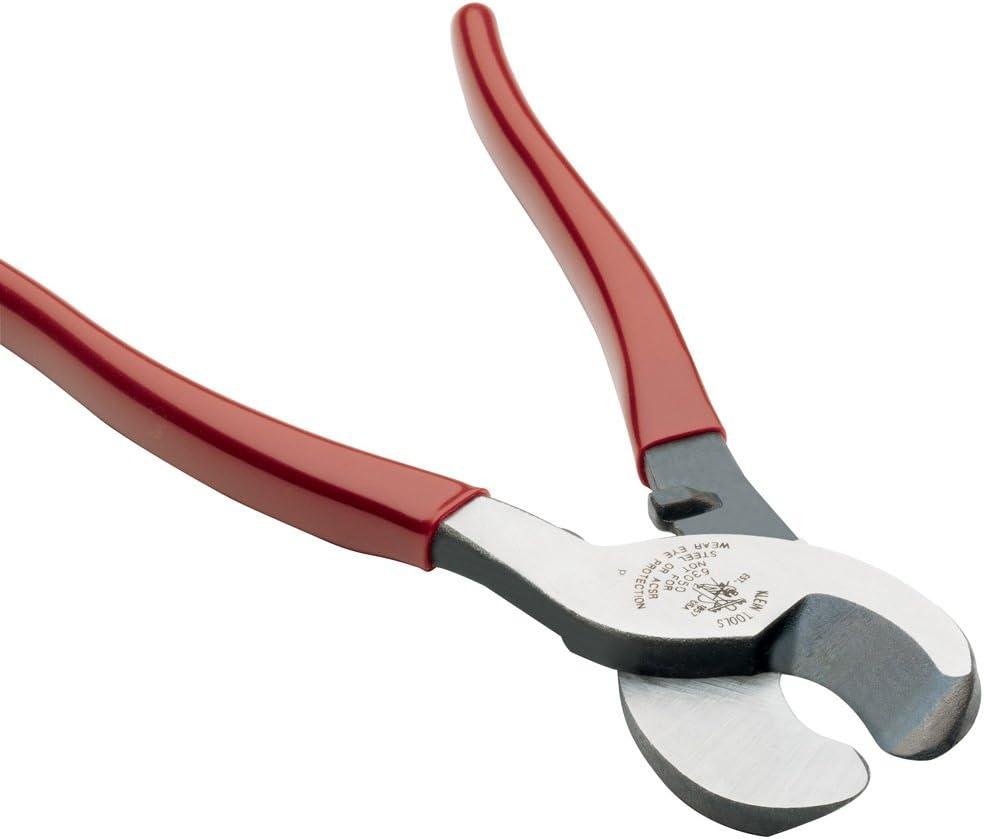
The beveled jaw design isn’t just marketing fluff-it protects the cutting edges when you’re working in tight mechanical rooms or crawlspaces where precise cuts matter. I’ve used this on everything from 14/4 thermostat wire runs to trimming excess copper on flare connections for high-efficiency heat pumps. The compact profile fits in my tool pouch alongside my gauges and multimeter, which means it’s always accessible when I’m roughing in 240V power feeds or cleaning up communication cable for zone control systems. The Made in USA construction with custom tool steel justifies the price point-this isn’t a tool you’ll replace every season, and that reliability matters when you’re scheduled for back-to-back changeouts and service calls.
Cutting Performance: How This Tool Handles Different Cable Types
I’ve put these cutters through their paces on everything from 2/0 soft copper runs for commercial condensers to the lighter 18/2 control wiring on residential thermostats, and the performance stays consistent across the board. The shear-type jaws grip the cable securely before cutting, which is critical when you’re working on live installs where a clean cut matters-especially when terminating power feeds to 3-ton to 5-ton heat pump systems that draw 30-50 amps. I’ve used these on 4/0 aluminum feeder cables for large commercial rooftop units running 460V three-phase power, and the one-hand shearing action lets me make the cut without needing a second set of hands or a bulky hydraulic tool. The through-hardened cutting surfaces mean I’m not resharpening or replacing these after a dozen jobs like I have with cheaper alternatives.
| Cable Type | Maximum Capacity | Field Application |
|---|---|---|
| Aluminum | 4/0 AWG | Commercial RTU power feeds, large split systems |
| Soft Copper | 2/0 AWG | Residential service upgrades, condenser whips |
| Communications Cable | 100-pair 24 AWG | Control wiring, thermostat runs, multi-zone controls |
What stands out is how cleanly these cut without fraying or mushrooming the conductor ends-a must when you’re landing wires in tight terminal blocks on variable-speed air handlers or connecting low-voltage control circuits that manage staged heating in multi-zone systems. The beveled jaw tips maintain proper shearing alignment even after months of field use, and I’ve never had a burr catch on insulation or cause a short. Whether I’m trimming 14-gauge thermostat wire or sizing down copper for a disconnect box on a 4-ton condenser, these handle the full spectrum without hesitation. Check Current Price on Amazon
Build Quality and Durability: What Makes This Cutter Worth the Investment
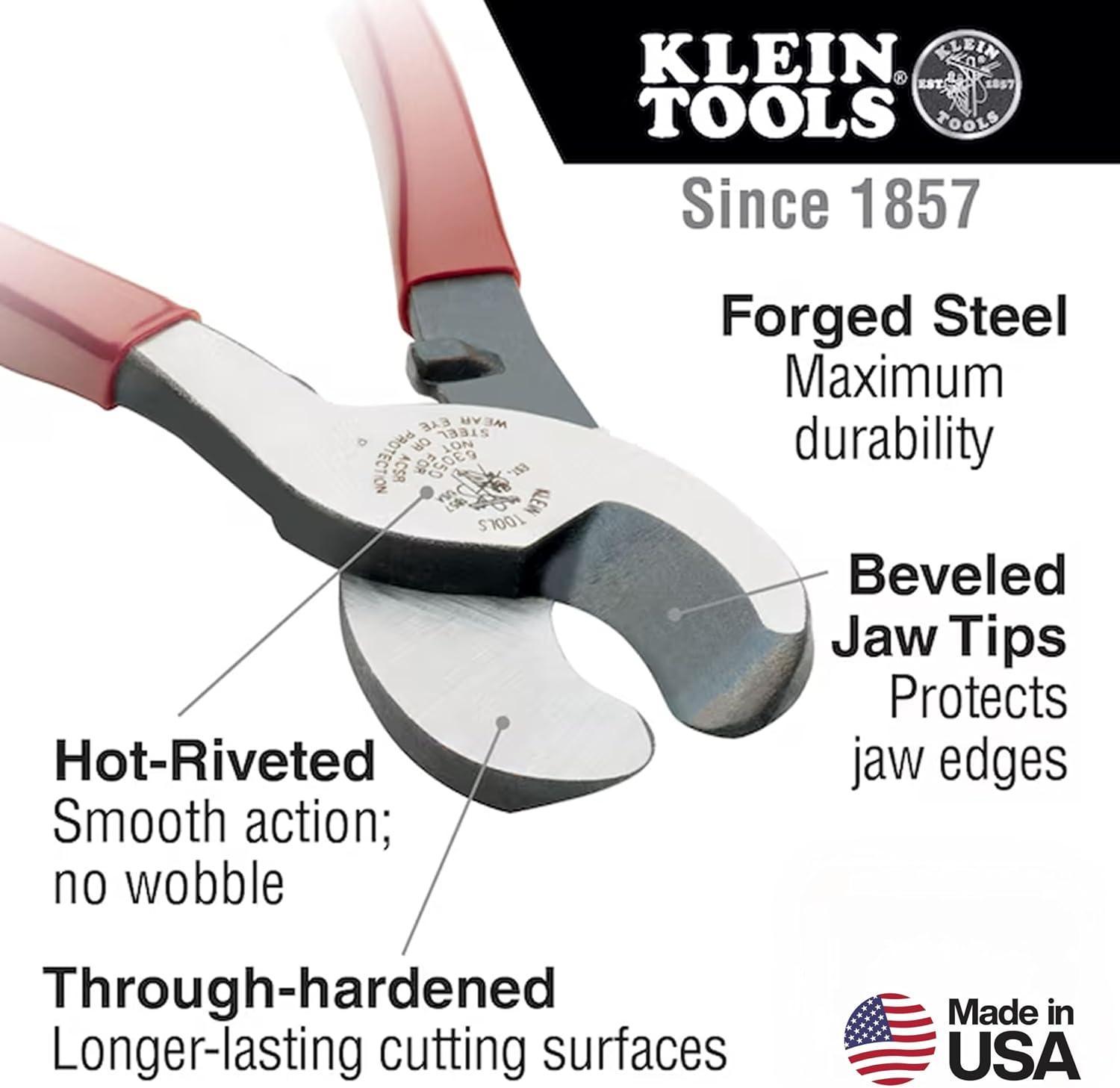
The construction of this cutter immediately stands out the moment you pick it up. Klein made these from custom, US-made tool steel that’s through-hardened rather than case-hardened, which is a critical distinction I’ve seen fail other cutters on job sites. Case-hardened tools might feel solid at first, but after months of cutting through copper linesets on mini-split installations or trimming control wire bundles in cramped attic spaces, the cutting edges degrade fast. The through-hardened surfaces on this tool maintain their bite even after hundreds of cuts through 4/0 aluminum or 2/0 soft copper-the exact gauge ranges we’re dealing with when running refrigerant lines for residential systems up to 60,000 BTU. The beveled jaw tips protect the leading edges during shearing action, and I’ve noticed this design prevents the jaw misalignment that plagues cheaper cutters when you’re working one-handed while balancing on a ladder during condenser changeouts.
| Durability Feature | Why It Matters in HVAC Work |
|---|---|
| Through-Hardened Steel | Maintains clean cuts on copper lineset after repeated use; no edge degradation |
| Cable-Gripping Shear Jaws | Prevents cable slippage when cutting communication wire or thermostat cables in tight spaces |
| Beveled Jaw Tips | Protects edges during one-handed operation common during equipment installations |
| Compact Design | Fits in tool pouches; essential for attic work and crawl space access during filter maintenance or blower motor replacement |
What makes this tool worth the investment is its reliability in real-world conditions that HVAC techs face daily. When you’re installing a high-efficiency 18 SEER system and need clean cuts on communication cables connecting the outdoor unit to the indoor air handler, sloppy cuts mean potential signal interference and callback headaches. The precision one-hand shearing action gives you control even when you’re wedged between ductwork or reaching behind a furnace cabinet during electrical hookup. I’ve carried mine for three years through installations ranging from simple thermostat upgrades to complete 5-ton system replacements requiring extensive wire runs, and the cutting performance hasn’t diminished. The fact that it handles 100-pair 24 AWG communications cable means it’s versatile enough for both refrigerant circuit work and low-voltage control applications, eliminating the need to carry multiple specialized cutters on service calls.
Overall Value: Why I Recommend This Cable Cutter for HVAC Work
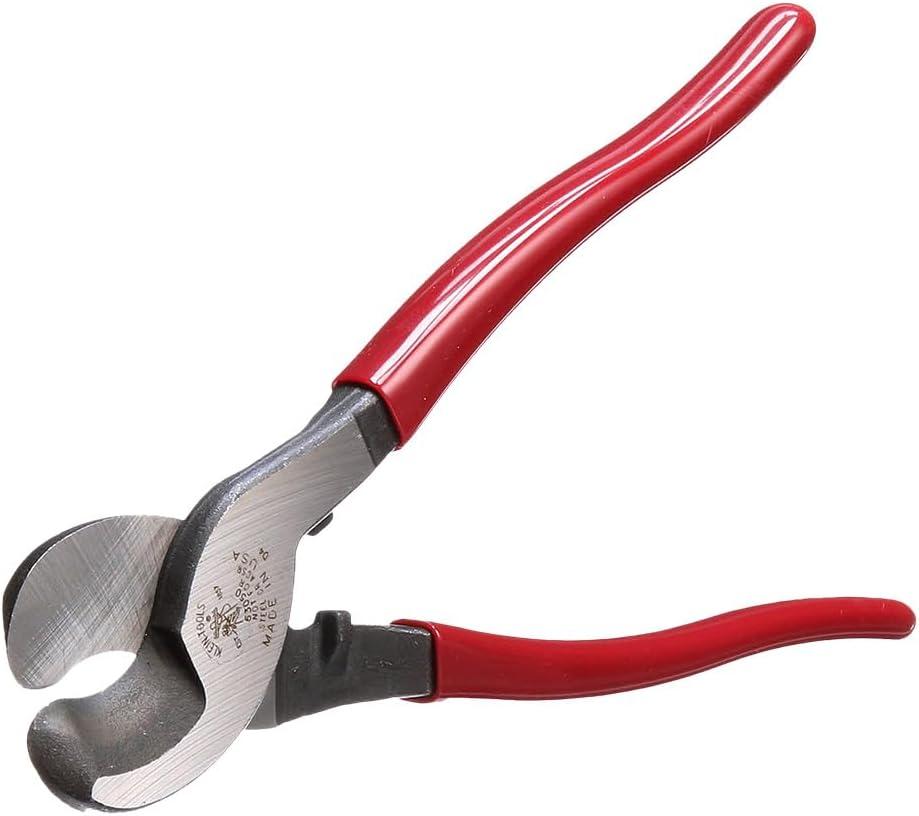
After twenty years in HVAC, I’ve learned that the right cutting tool can mean the difference between a clean install and a service callback. This Klein cutter has earned a permanent spot in my toolkit because it handles the demanding cable work that comes with modern systems-whether I’m running thermostat wire for a high-efficiency variable-speed heat pump, cutting copper feeder lines for mini-split condensers, or trimming control cables on commercial RTUs. The one-hand shearing action is critical when you’re balanced on a ladder routing wires to a rooftop unit, and the cable-gripping jaws prevent that frustrating slippage that cheaper cutters suffer from. I’ve used mine on everything from 18-gauge thermostat wire to 4/0 aluminum service feeders for 5-ton heat pumps, and the through-hardened blades still deliver clean cuts without fraying-important when you’re terminating control circuits that need solid connections for communicating thermostats and zone controllers.
| Feature | Real-World Benefit |
|---|---|
| Cuts 4/0 Aluminum / 2/0 Copper | Handles power feeds for residential 3-5 ton units and commercial condensers |
| One-Hand Operation | Essential for tight mechanical rooms and rooftop installs |
| Through-Hardened Blades | Maintains edge sharpness through hundreds of cuts-fewer tool replacements |
| Compact Design | Fits in standard tool pouches; won’t weigh you down on service calls |
| Made in USA | Quality steel construction stands up to daily professional use |
What justifies the investment is durability and precision-two things you can’t compromise on when you’re wiring 240V circuits for heat pumps or low-voltage controls for zoning systems. The beveled jaw tips ensure proper blade alignment, which means every cut is clean enough for crimping terminals without frayed strands that cause intermittent faults. I’ve had mine for three years of daily use across residential and light commercial work, and it still cuts as cleanly as day one. When you factor in the time saved fumbling with inferior tools and the cost of callbacks from poor connections, this cutter pays for itself within the first few installs. For confined spaces-like cutting thermostat wire inside plenum boxes or trimming feeder cables in crowded disconnect boxes-the compact size is invaluable, and Klein’s reputation means I trust it won’t fail mid-job when I’m 30 feet up on a commercial rooftop.
Achieve New Heights
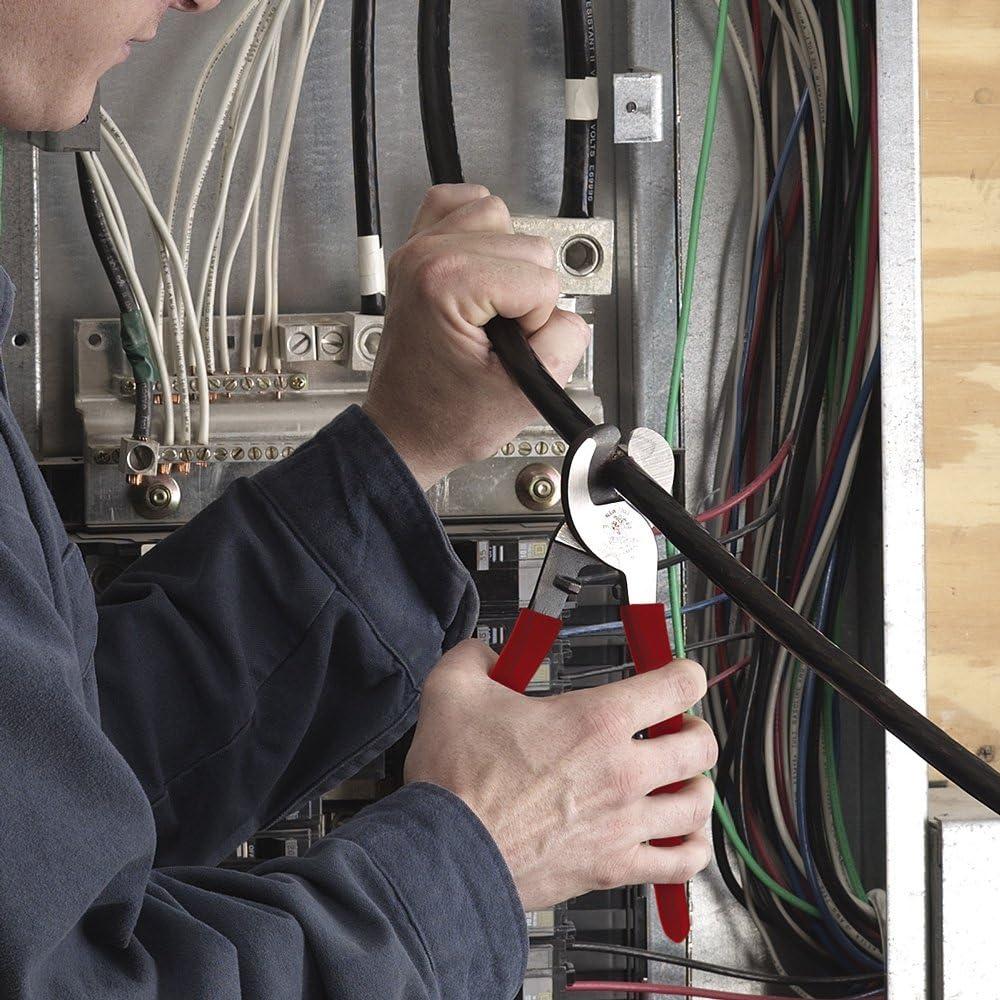
After two decades of reaching for these cutters, I can tell you this: the Klein 63050 isn’t just a tool in my bag-it’s become an extension of my hand. In our trade, you learn fast that cheap tools cost you twice: once when you buy them, and again when they fail you on a job.
I’ve seen technicians struggle with dull cutters, fighting through cable like they’re sawing through rope. That’s not just frustrating-it’s dangerous and unprofessional. Every clean cut I make with these Klein cutters means a secure connection, which means reliable power to a blower motor, control board, or compressor. And that reliability? That’s what keeps your customer’s family comfortable on the coldest night of the year or the hottest afternoon in July.
The truth is, every tool decision we make ripples out to affect the systems we install and service. A clean cable cut ensures proper electrical contact. Proper contact means efficient operation. Efficient operation translates directly into lower energy bills, consistent comfort, and years of dependable service. When I’m installing a new condensing unit or replacing a blower motor, I know that the connection I’m making today could still be running strong ten, fifteen, even twenty years from now.
That’s the standard I hold myself to, and it’s why I’m selective about what goes in my tool pouch.
The Klein 63050 has earned its place through thousands of cuts, countless tight spaces, and more service calls than I can count. If you’re serious about doing HVAC work the right way-work that protects your reputation and your customer’s investment-you need tools that won’t let you down.
Twenty years in, I’m not switching. And if you’re looking for a cable cutter that’ll still be making clean cuts when you’re training the next generation of techs, neither should you.