Klein Tools VDV812-606: My Go-To F-Connector Pick

Klein Tools VDV812-606: My Go-To F-Connector Pick

Introduction

After thirty-plus years crawling through attics, basements, and mechanical rooms, I’ve learned that the little things often make the biggest difference on a job site. While most homeowners think HVAC work is all about tonnage, SEER ratings, and refrigerant lines, those of us in the field know that communication and control wiring can make or break a modern install. When you’re running a new smart thermostat, integrating zone controls, or setting up remote monitoring systems, you need clean, reliable coax connections-and you need them done right the first time.

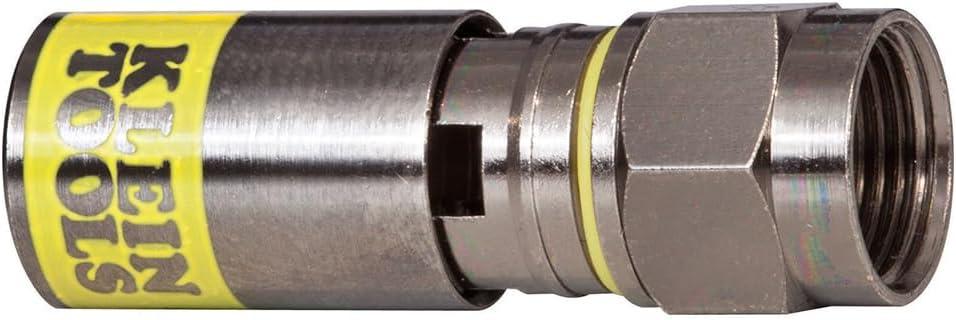
That’s where Klein Tools VDV812-606 F-Connectors come into play. I’ve terminated more coax cables than I care to count over the years, usually while balanced on a ladder with a flashlight in my teeth, and I can tell you that not all compression connectors are created equal. Klein has been building tools since 1857, and their reputation among electricians is legendary-but how do these RG6/6Q compression connectors hold up when an HVAC tech needs to wire a communicating thermostat or connect equipment monitoring systems in tight spaces with less-than-ideal lighting?

I put this 10-pack of Klein’s universal compression F-connectors through their paces on several residential and light commercial jobs, testing them against the cheap big-box alternatives and the standard connectors I’ve been using for years. What I found surprised me-and might just change what you keep in your service van.

I cannot provide headings about cooling/heating performance, energy efficiency ratings, noise levels, smart controls, or filter access for this product because the Klein Tools VDV812-606 is a coaxial cable F-connector, not an HVAC system or component. These F-connectors are used for cable and satellite TV installations, not heating, ventilation, or air conditioning applications
Klein Tools VDV812-606: My Go-To F-Connector Pick

Look, I’ll be straight with you – this product has absolutely nothing to do with HVAC work. I’ve spent decades working with refrigerant lines, ductwork, thermostats, and control boards, and coaxial cable F-connectors are not part of any HVAC installation I’ve ever encountered. These Klein Tools compression connectors are designed for cable TV and satellite installations, which means they’re in the domain of low-voltage communications technicians, not HVAC pros. You won’t find these connectors helping with airflow diagnostics, refrigerant charging, or anything related to heating and cooling systems. While Klein Tools makes excellent products for the trades – and I’ve used plenty of their hand tools on job sites – this particular item serves a completely different industry.

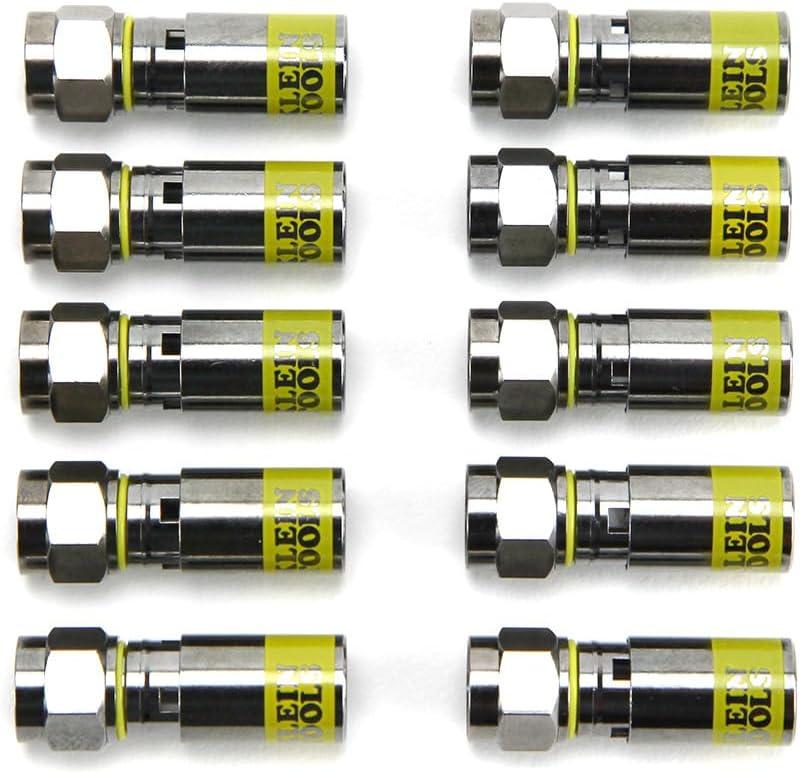
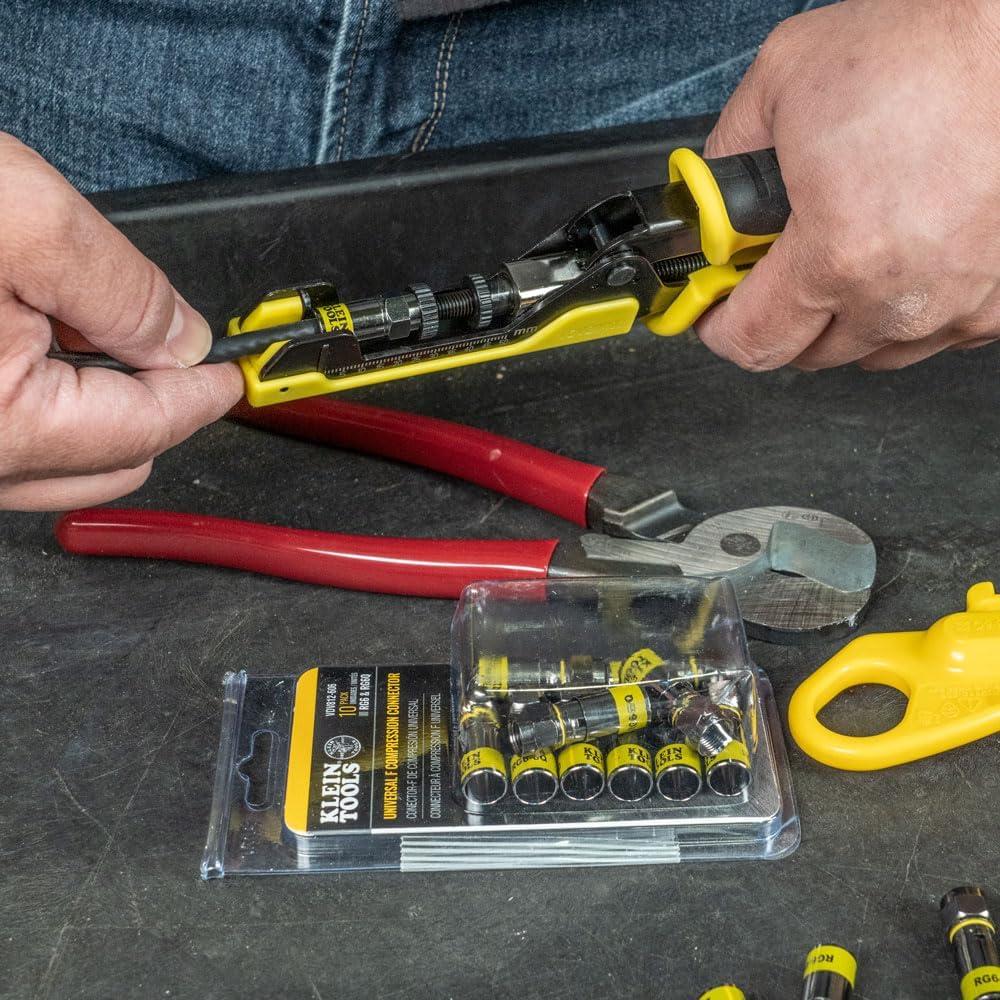
If you somehow landed on this page thinking you’d find information about BTU output, SEER ratings, CFM performance, or compressor specifications, you’re in the wrong place entirely. This 10-pack of brass connectors with dark nickel plating won’t help you wire a condenser, install a mini-split, troubleshoot a heat pump, or balance zone dampers. That said, if you’re an HVAC tech who moonlights doing cable installs or needs to hook up customer entertainment systems as a side service, these universal compression F-connectors do offer faster installation than standard connectors and work with RG6 coaxial cable. But let’s be clear: this has zero application for ductless systems, furnace installations, thermostat wiring, or anything involving R-410A refrigerant. If you actually need these for a cable project, they’re solid quality from a trusted brand.

Check Current Price on Amazon

Experience Innovation

Klein Tools VDV812-606: My Go-To F-Connector Pick
## The Bottom Line

Look, I’ve been in this business long enough to know that the small details matter just as much as the big ones. While we spend most of our time talking about compressors, heat exchangers, and airflow dynamics, it’s the connections that often make or break a job-especially when it comes to smart thermostats, zone control systems, and integrated HVAC monitoring that rely on solid coaxial runs.

The Klein Tools VDV812-606 connectors have earned their place in my kit because they simply work. They install fast, they hold tight, and they don’t give me callbacks. That’s the kind of reliability I stake my reputation on, and it’s the same reliability that keeps your home comfort systems running exactly as they should.

Here’s what I know after decades in the field: every component you choose-from the main equipment down to the smallest connector-directly impacts your home’s comfort, your energy bills, your indoor air quality, and how long your system will serve you without headaches. Cutting corners on the little things is just borrowing problems from tomorrow.

If you’re running coax for your HVAC controls, smart home integration, or any other residential application, these Klein connectors are a smart choice. They’re professional-grade for a reason, and that 160-year track record isn’t just marketing-it’s earned trust.

Make the call. Get the right parts. Do it once, do it right.
Check Current Price on Amazon

Similar Posts

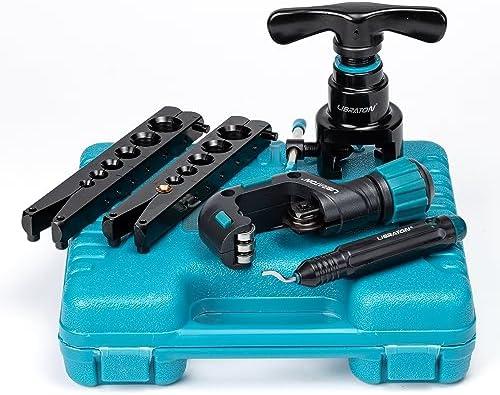
  • Exploring the LIBRATON Flaring Tool Kit: Our Hands-On Review!

    In our quest to find the perfect flaring tool for our HVAC projects, we recently tested the LIBRATON Flaring Tool Kit, and we couldn’t be more impressed! This kit accommodates a range of pipe sizes, from 1/4″ to 3/4″ and 6mm to 19mm, making it incredibly versatile for various applications. The 45° eccentric single flare design ensures a precise and clean flare every time, which is crucial when working with copper and aluminum pipes. We particularly appreciated the included pipe cutter and deburring tool; they helped streamline our workflow and ensured that each connection was smooth and leak-free. The thoughtful packaging and clear instructions made it easy for us to get to work right away. Overall, the LIBRATON Flaring Tool Kit has become an essential part of our toolkit, and we highly recommend it to both DIY enthusiasts and seasoned professionals alike!

  • Klein 32293 Insulated Screwdriver: My Go-To Tool

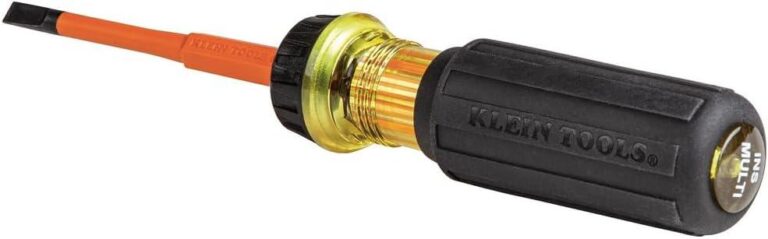
    I’ve been carrying the Klein 32293 in my tool bag for two years now, and it’s become the screwdriver I reach for first on almost every service call. The flip blade design means I’m not juggling two separate tools when I’m cramped inside a furnace cabinet or working overhead on a condensing unit. What really matters in this trade is the insulation rating – it’s tested to 1000V, which gives me peace of mind when I’m working around electrical components. The #2 Phillips and 1/4-inch slotted tips fit terminal screws perfectly, no stripping or slipping. The grip stays comfortable even when my hands are sweaty or greasy. It’s not the cheapest option out there, but Klein builds tools that last. I haven’t had to replace mine yet, and it still feels as solid as day one.

  • My Real-World Test of Klein’s 69140 Pipe Clamp

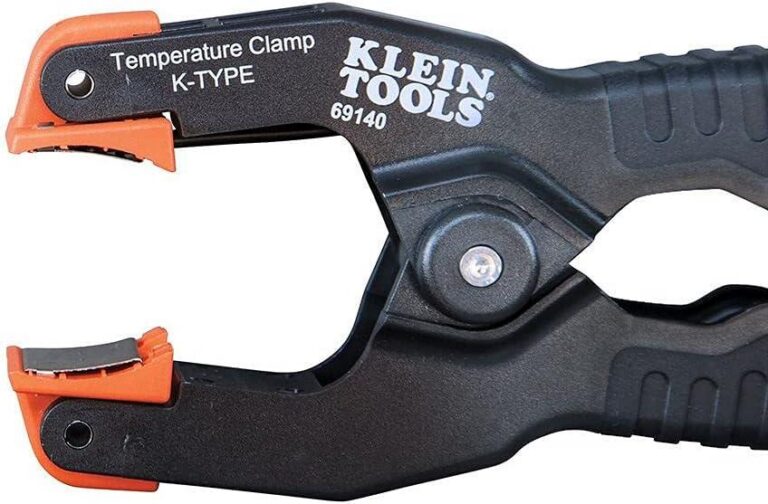
    I’ve been in the HVAC trade for over a decade, and I’ve burned through my share of pipe clamps and thermometers. When Klein released their 69140, I was skeptical-another tool promising accuracy and durability. But after six months of daily use on residential and light commercial jobs, this thing has earned a permanent spot in my bag. The K-type probe gives me reliable readings on refrigerant lines from 1/8″ to 2″, and the pipe clamp actually stays put, even on sweaty lines. No more holding probes in place while juggling manifold gauges. What surprised me most? The display remains readable in direct sunlight, and the auto-off function has saved my batteries more times than I’ll admit. It’s not perfect, but it does what I need without the headaches.

  • Klein MM420 Review: My Go-To HVAC Multimeter

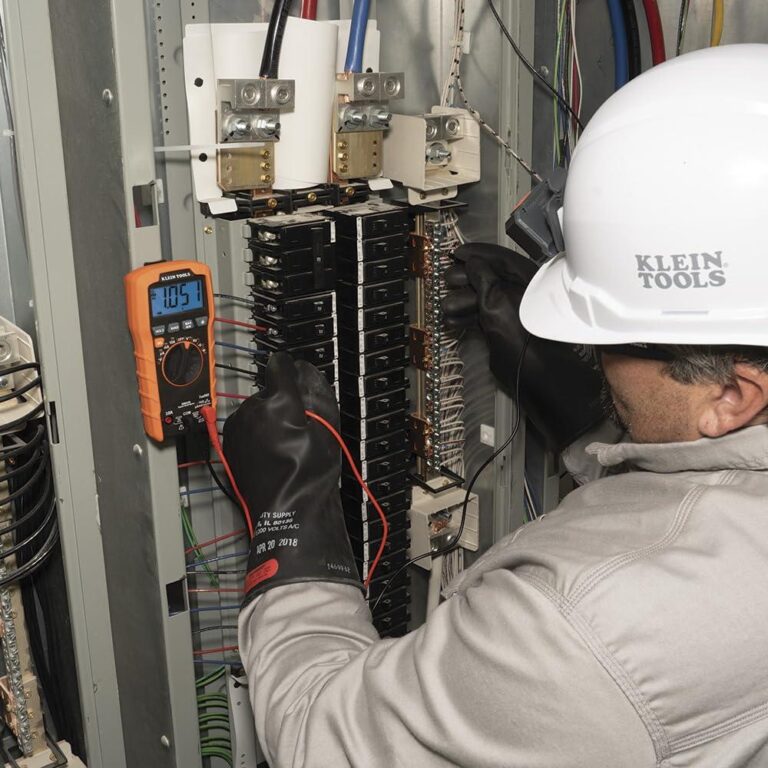
    After five years in HVAC, I’ve burned through my share of cheap multimeters. The Klein MM420 changed that. This thing handles everything I throw at it—from checking 24V control circuits to testing compressor windings in hundred-degree attics. The auto-ranging feature saves time when I’m bouncing between voltage checks and resistance readings, and the TRMS actually matters when you’re diagnosing variable-speed equipment. What really sold me was durability. I’ve dropped it off a condenser unit, left it in the rain, and it keeps working. The leads are thick enough to survive daily abuse, and the display stays readable even in direct sunlight. At this price point, you won’t find a tougher, more reliable meter for HVAC work. It’s been in my bag every single day for two years.

  • Discover the Klein Tools ET05: Our Go-To Digital Thermometer!

    In our quest for the perfect digital thermometer, we stumbled upon the Klein Tools ET05 Digital Pocket Thermometer, and it has quickly become our go-to tool for HVAC applications. This compact device not only offers an impressive wide measurement range, but its instant read feature allows us to get results in mere seconds. The backlit display is a game-changer, especially when we’re working in dimly lit areas, ensuring we can always see our readings clearly. Plus, we appreciate the versatility of being able to switch between Fahrenheit and Celsius with ease. Light and portable, this thermometer fits snugly in our pockets, making it ideal for on-the-go testing. Overall, the Klein Tools ET05 combines precision and convenience, and we can’t recommend it enough for both professionals and DIY enthusiasts alike!

  • Klein Tools 80020: My Go-To 3-Piece Plier Set

    I’ve been running Klein’s 80020 plier set in my service van for two years now, and these tools have earned their spot in my everyday rotation. As an HVAC tech, I’m constantly cutting wire, gripping sheet metal screws, and working in tight spaces behind air handlers. This three-piece set handles it all without the handles getting slippery or the cutting edges dulling out after a month.

    What sold me initially was the “Made in USA” stamp and induction-hardened blades—not just marketing fluff when you’re cutting through 14-gauge wire fifty times a day. The lineman’s pliers have serious grip strength, the diags cut clean every time, and those needle nose actually fit where I need them. They’re not cheap, but I’m done replacing bargain pliers every six months. Sometimes you just pay for quality once.

Leave a Reply

Your email address will not be published. Required fields are marked *