Klein Tools 50900R Locknut Wrench Set Review
I’ve wrestled with more conduit locknuts in cramped mechanical rooms and behind air handlers than I care to count, and I can tell you right now: the tool you use matters. When you’re flat on your back trying to secure conduit entering a disconnect box six inches from a basement ceiling, or you’re reaching behind a condenser unit where there’s barely room for your hand, a standard adjustable wrench just doesn’t cut it. That’s where Klein Tools’ 50900R Conduit Locknut Wrench Set comes into play.
Over my years in the field, I’ve learned that the difference between a smooth installation and a knuckle-busting nightmare often comes down to having the right specialty tool for the job. Electrical conduit runs are part of nearly every HVAC install-whether you’re wiring a new condensing unit, running line voltage to a furnace, or connecting control circuits to a zone panel. Those locknuts need proper torque in spaces that weren’t designed with your comfort in mind, and Klein’s offset bend design promises to solve a problem every technician who’s done serious install work knows all too well.
I’m taking a close look at this three-piece set to see if it lives up to Klein’s reputation and whether it deserves a spot in your tool bag alongside your gauges and multimeter. We’ll cover how the offset bend actually performs in tight quarters, whether the magnetic storage is a gimmick or genuinely useful, and if the hooked tips provide the leverage you need without slipping off and scratching equipment housings. If you’re tired of improvising with channel locks and dealing with marred locknuts, let’s find out if this Klein set is the solution you’ve been looking for.
My First Impressions of the Klein Tools Conduit Locknut Wrench Set
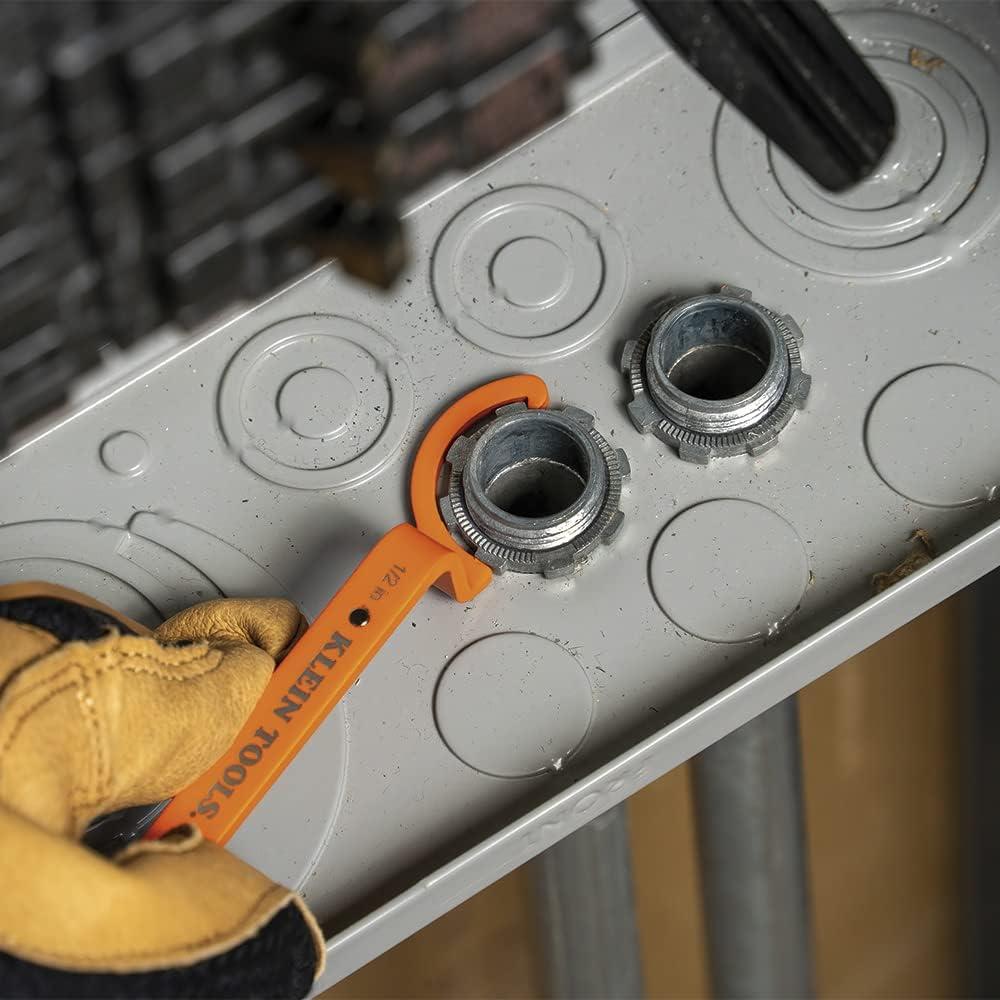
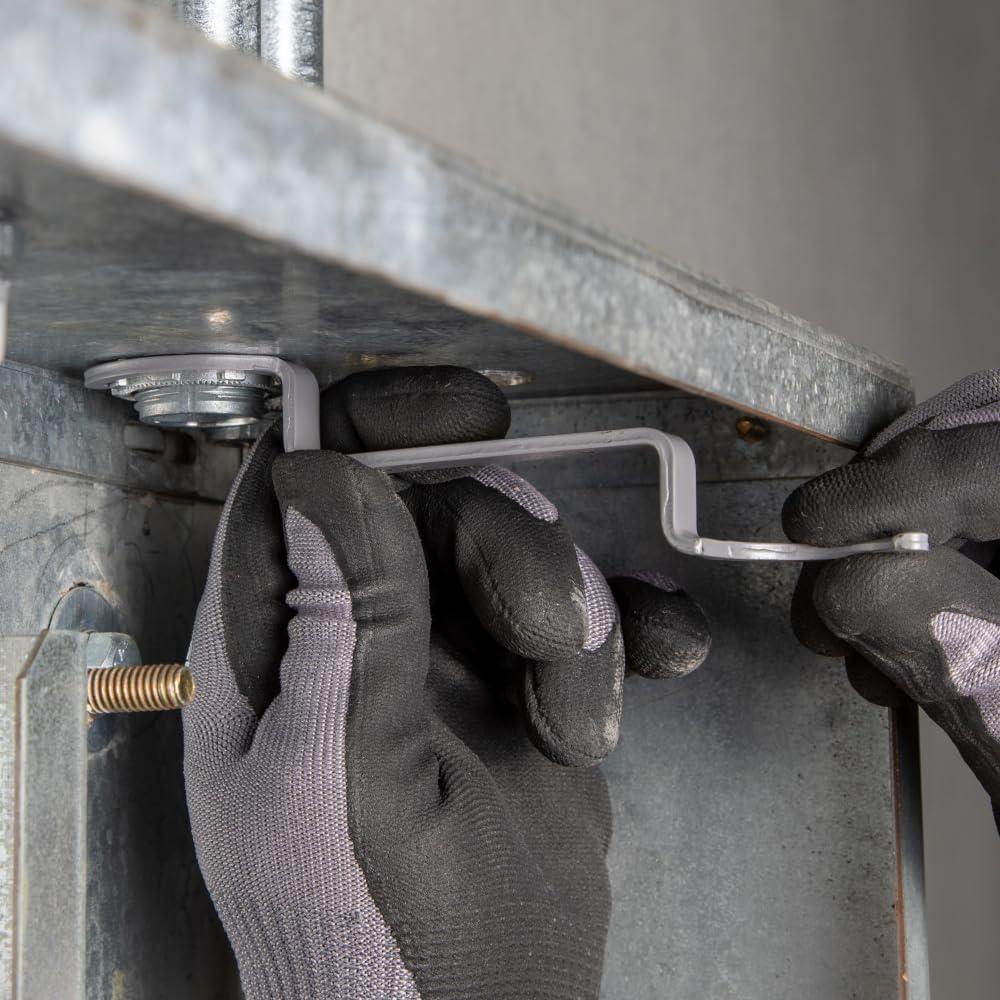
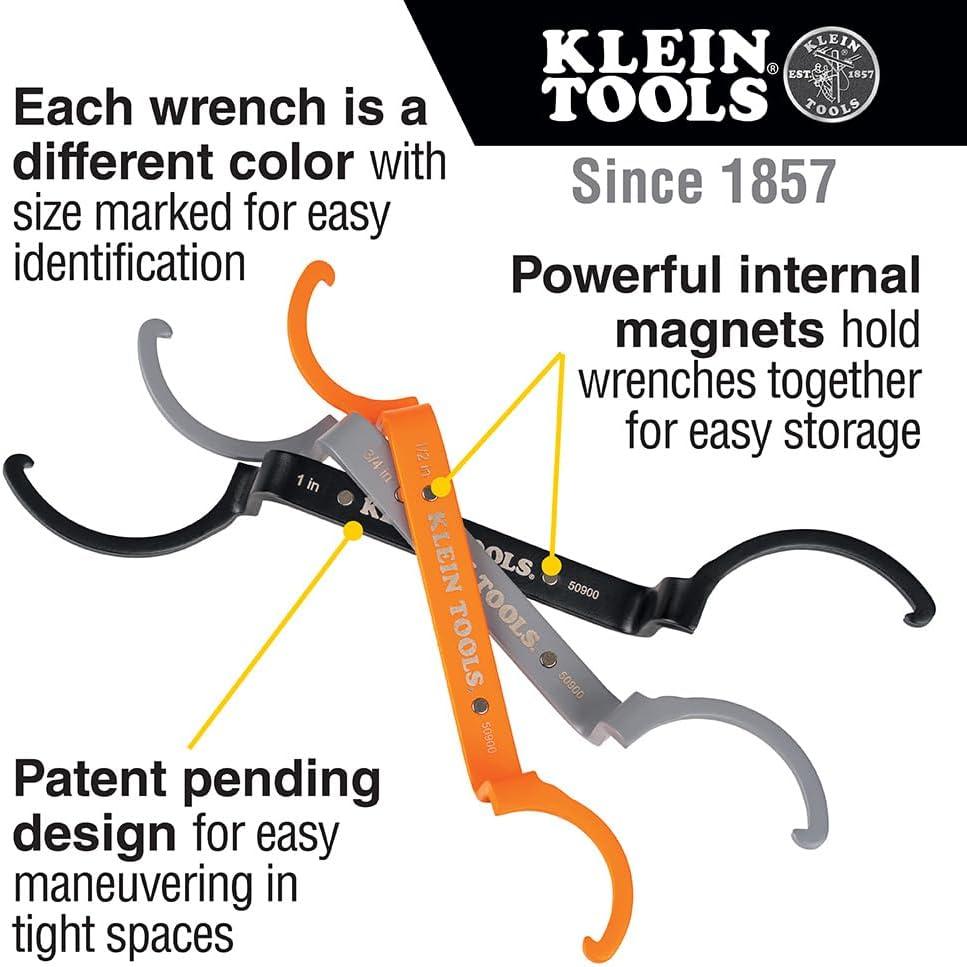
Right out of the box, the first thing I noticed was the patent-pending offset bend design-and honestly, it’s a game-changer for those nightmare installations where you’re wrestling with conduit in cramped mechanical rooms or tight attic spaces near air handlers. The set includes the three sizes I reach for constantly: 1/2-inch, 3/4-inch, and 1-inch, each color-coded and laser-etched for instant identification when you’re elbow-deep in a 208/230V disconnect box or securing conduit near a condensing unit. The internal magnets are a clever touch that actually works-these wrenches stack together securely, so they’re not rattling around loose in my toolbox or vanishing into the abyss of my van. The slim profile genuinely allows access in spots where traditional wrenches just won’t fit, like when you’re working around refrigerant line sets or securing conduit near the service valves on a high-efficiency heat pump.
The hooked tip design locks onto locknuts with authority, giving you maximum leverage without slipping-critical when you’re torquing down connections on outdoor disconnect boxes exposed to the elements or securing weatherproof fittings in coastal environments. The steel construction feels solid and durable, not the flimsy stamped metal you sometimes see with cheaper alternatives. After years of using improvised tools or oversized adjustable wrenches for locknut work during condenser installations and electrical rough-ins, having a dedicated set that’s purpose-built for the task makes a noticeable difference in both speed and precision. Whether I’m running line voltage to a 36,000 BTU mini-split condenser or securing conduit for control wiring on a commercial RTU, these wrenches have already earned a permanent spot in my everyday carry.
| Feature | Specification |
|---|---|
| Included Sizes | 1/2″, 3/4″, 1″ conduit |
| Construction | Steel with offset bend design |
| Storage | Dual internal magnets per wrench |
| Identification | Laser etching + color coding |
| Best Use Case | Tight-space conduit locknut work |
How the Offset Bend Design Performs in Tight Spaces
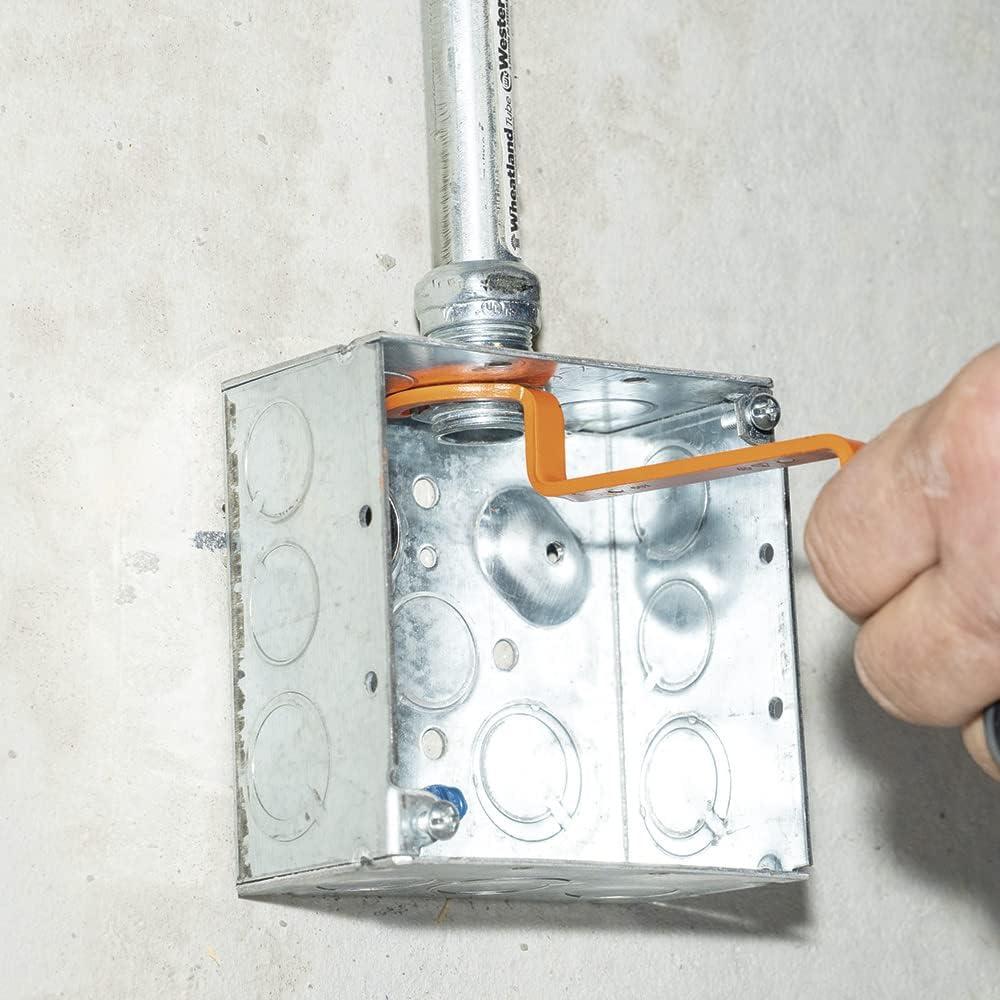
The offset bend design is where this wrench set really earns its keep on job sites. I’ve wrestled with locknut installations behind compressor units and inside cramped mechanical rooms where you’re trying to secure liquid line sets and power whips alongside conduit runs, and the offset angles on these wrenches let me work around obstructions that would stop a standard wrench cold. The patent-pending opposing bends create clearance over refrigerant lines, electrical disconnects, and control wiring bundles-situations I encounter constantly when installing mini-split condensers or servicing rooftop units where every square inch matters. The slim profile slides into gaps between 24VAC transformer housings and conduit entries that I previously had to attack with adjustable pliers and a lot of frustration.
What impressed me most during a recent commercial install was how the offset design maintained leverage even when I couldn’t get a straight shot at the locknut. I was securing EMT conduit for the 208/230V power supply on a 4-ton heat pump, working in the 3-inch gap between the unit cabinet and a brick wall, and the hooked tip combined with the bend geometry gave me enough torque to properly seat the locknuts without scraping my knuckles raw. The color-coded sizes (½”, ¾”, and 1″) are instantly identifiable even in dim attic spaces or behind air handlers, which speeds up work when you’re running multiple line sets and need to match conduit size to wire gauge requirements for different BTU capacities. The magnetic storage keeps all three together in my bag, so I’m not fishing around for the right size when I’m on a ladder dealing with a disconnect box installation.
| Wrench Size | Typical HVAC Application | Common Wire Gauge |
|---|---|---|
| ½” | Thermostat wiring, low-voltage controls | 18/2 to 14/2 |
| ¾” | Standard condensing unit power, mini-splits | 12/2, 10/2 |
| 1″ | Large capacity units (3-5 ton), disconnect feeds | 8/2, 6/2 |
Build Quality and Long Term Durability in Daily HVAC Work
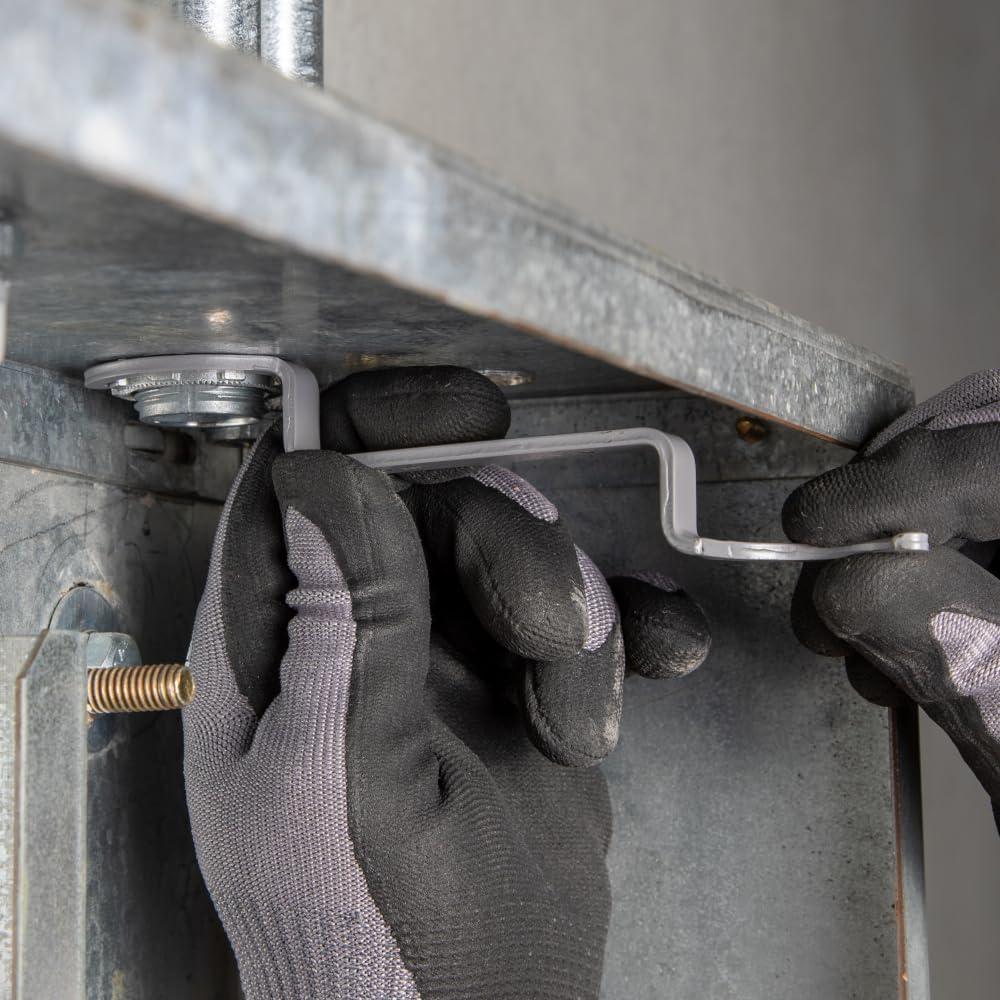
After running this wrench set through the paces on countless mini-split installations, condenser disconnect boxes, and rooftop unit electrical rough-ins, I can confirm the steel construction holds up exceptionally well under real-world abuse. The offset bend design isn’t just a gimmick-it’s a genuine problem solver when you’re torquing down locknuts behind control panels or in the cramped quarters of attic air handler installations where standard wrenches simply won’t fit. The hooked tip provides solid purchase on locknuts without slipping, which matters when you’re dealing with rigid conduit feeding 240V circuits to heat pump systems or securing liquidtight flexible conduit at condensate pump connections. The laser-etched markings and color coding remain legible even after months of tool bag abuse, though I’ve noticed the paint on the handles can chip if you’re rough with them-not a dealbreaker, but worth noting.
What truly sets these apart for long-term use is the magnetic storage system built into each wrench. Two internal magnets keep the set nested together, which means they’re not rattling around loose in your bag and potentially getting damaged or lost during service calls. I’ve been using mine for over a year across residential split system installs, commercial package unit changeouts, and emergency service work, and the magnets still hold strong. The slim profile has proven invaluable when working around compressor terminals, contactor boxes, and tight mechanical rooms where every millimeter counts. For techs running 1/2″, 3/4″, and 1″ EMT or rigid conduit regularly-which covers about 90% of residential and light commercial HVAC electrical work-this set delivers the durability you’d expect from Klein’s reputation without the stripped threads or bent shanks I’ve experienced with cheaper alternatives.
| Specification | Detail |
|---|---|
| Wrench Sizes Included | 1/2″, 3/4″, 1″ (most common HVAC conduit sizes) |
| Construction Material | Steel with color-coded handles |
| Key Design Feature | Opposing offset bends for tight-space access |
| Storage System | Dual internal magnets per wrench |
| Identification | Laser-etched markings + color coding |
| Primary HVAC Applications | Disconnect boxes, air handler connections, rooftop unit conduit work |
Whether This Three Piece Set Delivers Real Value for Professional Technicians
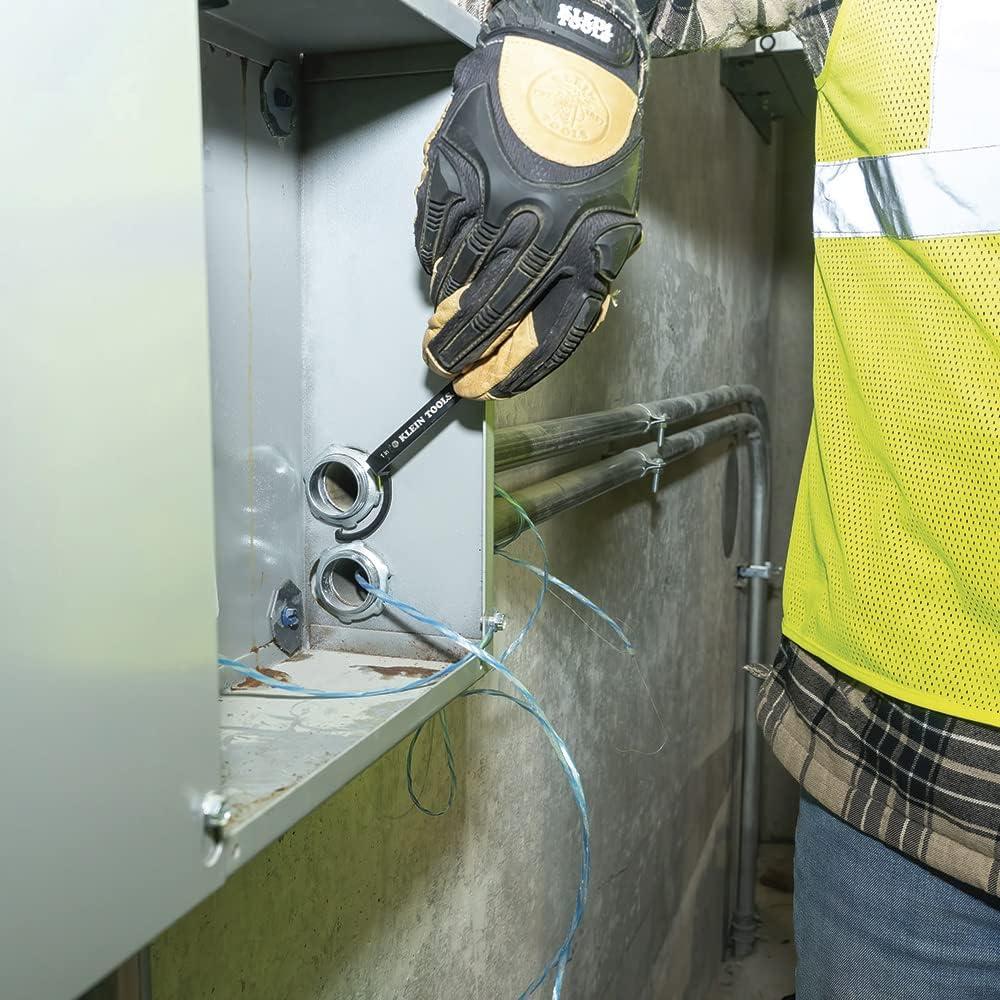
After years of wrestling with locknuts behind compressor units and in cramped mechanical rooms where you’re trying to secure conduit runs near disconnect boxes and control panels, I can tell you this three-piece set justifies its place in a professional’s truck. The offset bend design is what separates this from generic wrenches-when you’re installing electrical whips for mini-split condensers or running line sets through tight wall penetrations, that angle lets you get purchase on locknuts without your knuckles scraping against junction boxes or refrigerant lines. The 1/2-inch, 3/4-inch, and 1-inch sizes cover the vast majority of residential and light commercial HVAC applications, from standard 240V condensing unit disconnects to control wiring conduit. The magnetic storage feature isn’t just convenient-it’s a genuine time-saver when you’re on a ladder or working in an attic where dropped tools mean climbing down to retrieve them.
| Feature | Professional Value |
|---|---|
| Offset Bend Design | Clears obstructions near condensers, air handlers, and disconnect boxes |
| Steel Construction | Withstands torque demands without bending or stripping |
| Magnetic Connection | Prevents loss during transport and rooftop installations |
| Color-Coded Sizes | Quick identification reduces fumbling in dim mechanical spaces |
| Hooked Tip | Positive engagement reduces slippage on worn locknuts |
The steel construction holds up to the kind of abuse these tools see in the field-I’ve used them on corroded locknuts that required significant torque without any flexing or failure. The color-coding and laser etching mean you’re not squinting at markings in poorly-lit crawl spaces or trying to guess which wrench you need when you’re balancing on a condenser platform. For technicians running multiple service calls daily, the slim profile matters: when you’re snaking conduit around existing ductwork or working near pressurized refrigerant lines where clearance is minimal, bulky tools simply don’t cut it. At this price point, you’re getting Klein’s reputation for durability without the premium cost of their flagship products, and that’s precisely what makes this set a smart investment for professionals who bill by the hour and can’t afford tool failures mid-job.
Check Current Pricing and Availability
Unleash Your True Potential
## The Bottom Line from the Field
Look, I’ve been in this trade long enough to know that the small tools matter just as much as the big equipment. After spending years wrestling with locknuts in cramped utility rooms and tight mechanical spaces, I can tell you the Klein Tools 50900R isn’t just another wrench set-it’s one of those tools that actually saves you time and frustration on every install.
The offset bend design is a genuine game-changer when you’re working behind equipment or in those impossibly tight corners where a standard wrench just won’t reach. And having all three common sizes color-coded and magnetically linked means you’re not digging through your bag every time you need a different size. That’s time saved, knuckles preserved, and jobs done right the first time.
Here’s what I’ve learned over the years: the quality of your installation directly impacts everything your customers care about-their comfort, their energy bills, their indoor air quality, and how long that system is going to run reliably. When you’re using tools that make proper installation easier and faster, you’re not cutting corners to compensate for inadequate equipment. You’re doing the job the way it should be done.
Klein has been making professional-grade tools since 1857 for a reason. They understand what we need in the field because they listen to the people who use their tools every day. The 50900R is a perfect example of that-smart design solving a real problem that every HVAC tech faces regularly.
If you’re serious about your work and you value tools that’ll still be in your bag years from now, this set deserves a spot in your kit. Make the investment in equipment that helps you deliver the quality installations your customers deserve.