electrician tools

  • Klein 11046 Wire Stripper: My Field-Tested Review

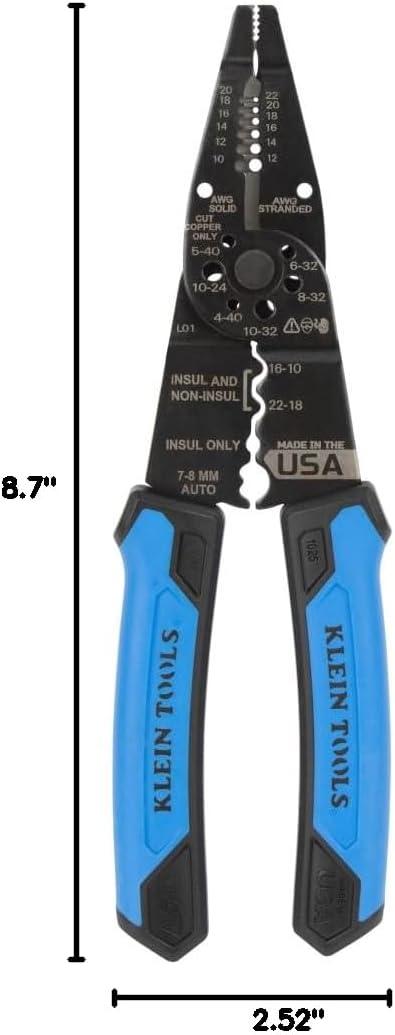
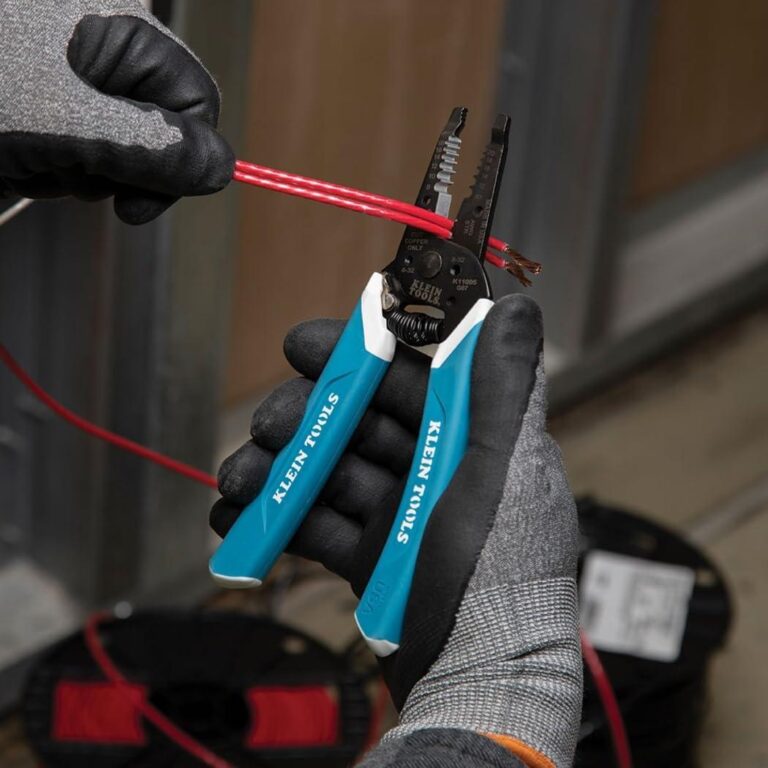
    I’ve stripped more wires in crawlspaces and attics than I care to count, and the Klein 11046 has earned a permanent spot in my tool bag. This isn’t some fancy gadget that impresses the apprentices—it’s a straightforward stripper that does exactly what you need when you’re running thermostat wire or low-voltage controls.

    The precision-ground holes consistently strip 16-26 AWG stranded without nicking the copper, which matters when you’re dealing with delicate control circuits. At under six inches, it fits where those bulkier strippers won’t, especially in tight junction boxes. Yes, it’s Made in USA, and you can feel it in the build quality.

    After six months of daily use, the cutting edges are still sharp and the spring tension hasn’t weakened. It’s not revolutionary, but it’s reliable—and in this trade, that’s what counts.

  • Klein T2110 Scissors: My Honest Field Review

    I’ve been running these Klein T2110 scissors on every job for the past eight months, and they’ve earned a permanent spot in my bag. Right out of the box, the titanium coating caught my eye, but what sold me was how they handled 26-gauge sheet metal without that annoying blade drift you get with cheaper shears. The 10-inch length gives you real leverage without being awkward in tight spaces—critical when you’re working inside cabinets or behind furnaces. I’ve cut through duct insulation, rubber gaskets, and even leather work gloves, and the blades are still sharp. The grip doesn’t get slippery when your hands are sweaty or dirty, which matters more than most people realize. Are they worth the price? If you’re cutting daily, absolutely. Let me break down what I’ve learned after putting them through real-world use.

  • Klein Tools 600-4 Review: My Go-To Screwdriver

    After fifteen years in HVAC, I’ve learned that your screwdriver takes more abuse than almost any other tool in your bag. The Klein Tools 600-4 has been my daily driver for the past three years, and it’s still going strong. What sets this apart isn’t flashy—it’s the basics done right. The cushion grip actually stays put when your hands are sweaty or greasy, which matters when you’re cramped behind a furnace in July. The 1/4-inch tip fits most terminal screws perfectly without slipping, and being Made in USA means quality control you can feel. I’ve stripped countless terminal blocks, reset dozens of contactors, and this thing hasn’t let me down yet. It’s not the cheapest option out there, but when a reliable screwdriver saves you even one callback, it’s paid for itself.

  • Klein Tools 32306INS: My Go-To Insulated Driver

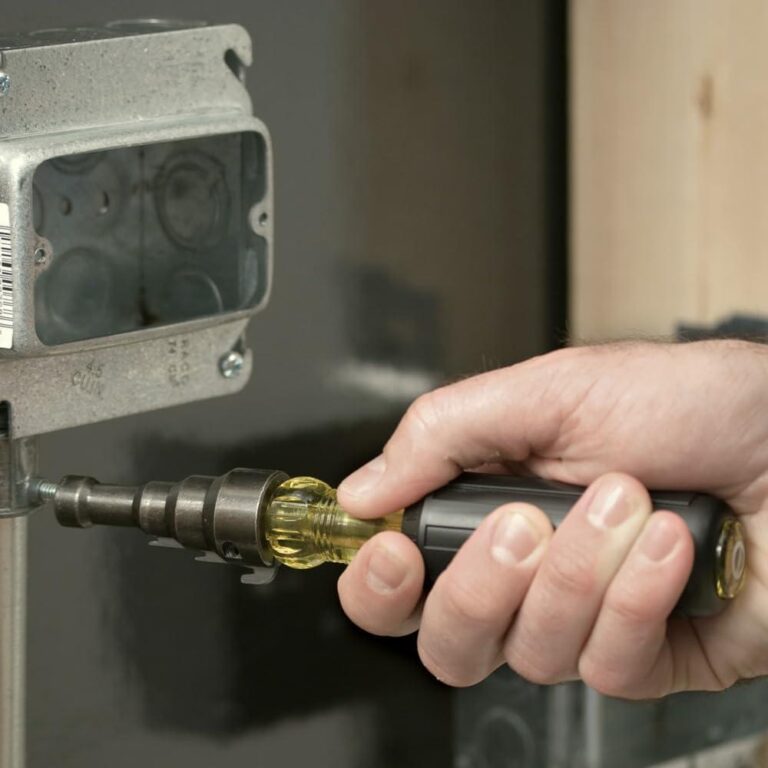
    I’ve been carrying the Klein 32306INS for eight months now, and it’s earned its spot in my daily rotation. The 1000V rating isn’t just marketing—when you’re working near live circuits in tight mechanical rooms, that peace of mind matters. What really sold me was the auto-locking collar. No more bits backing out mid-turn when you’re shoulder-deep in a furnace cabinet. The in-handle storage actually works, unlike some drivers where the bits rattle loose or jam up. I keep my most-used tips right there: #2 Phillips, 1/4″ and 5/16″ nut drivers see constant action on contactors and terminal blocks. The grip feels solid even with sweaty hands, and after months of panel work and countless drops onto concrete, it’s holding up. It’s not the cheapest driver out there, but for insulated work, I’m not gambling with my safety.

  • Klein 69381 Test Leads: A Pro’s Honest Take

    I’ve been running HVAC service calls for over a decade, and I’ve burned through more test leads than I care to admit. When Klein released the 69381s, I was skeptical—another “heavy-duty” claim from a manufacturer. But after six months of daily use, these leads have earned their spot in my tool bag. The alligator clips actually grip like they mean it, even on corroded terminals, and the 3-foot length hits that sweet spot where you’ve got reach without tangled mess. What really sold me? They’ve survived being slammed in van doors, dragged across rooftops, and forgotten in 120-degree attics. The banana plugs are still solid, no wiggle. Are they perfect? No. But they’re the first leads I’ve used that don’t feel like disposable junk. For the price point, they’re legitimate.

  • Klein Klaw Pliers: My Go-To Set for HVAC Work

    I’ve been running Klein’s Klaw pump pliers set in my van for two years now, and these tools have earned their spot in my daily rotation. The V-jaw design grips hex nuts and round pipe fittings better than traditional pliers—no more slipping on condensate drain connections or gas line fittings. The hardened teeth actually hold up to regular abuse, which matters when you’re cranking on stuck flare nuts in 100-degree attics.

    What sold me is the compact head design. I can get these into tight spots behind air handlers where my old channel locks wouldn’t fit. The 7-inch handles refrigerant service valves perfectly, while the 12-inch tackles larger diameter work. Sure, they cost more than box-store pliers, but I’m not replacing them every six months. For daily HVAC work, they’re worth it.

  • Klein Tools 32516HD: My Go-To Multi-Tool Review

    After fifteen years crawling through attics and wrestling with unit panels, I’ve learned that multi-tools either earn their spot on my belt or get tossed in the drawer. The Klein Tools 32516HD has been riding on my hip for six months now, and it’s not going anywhere.

    What sold me wasn’t the 16-in-1 gimmick – it was the first time I needed to swap from a Phillips #2 to a 5/16″ nut driver while balancing on a ladder. That flip socket design meant I didn’t have to climb down or fumble with loose bits. The magnetic tip actually holds screws, even the tiny ones from electrical covers. And when I needed extra torque on a seized panel screw, the impact-rating proved itself – no stripped tips.

    Is it perfect? No. But it handles about 80% of what I encounter daily, and that’s exactly what I need.

  • Klein PowerBox Review: My Go-To Job Box Power Solution

    I’ve been running HVAC service calls for over a decade, and I can tell you right now — most power strips don’t last six months in our work environment. That’s why I was skeptical when I first picked up the Klein PowerBox 29601. But after eight months of daily abuse on commercial and residential jobs, this thing has become as essential as my multimeter.

    What sets it apart isn’t just the magnetic base (though sticking it to a furnace cabinet while you work is clutch). It’s the fact that Klein actually built this for tradespeople who need power now, in tight spaces, often covered in dust and debris. The surge protection gives me peace of mind with sensitive diagnostic equipment, and having USB ports means I’m not hunting for my phone charger at 6 PM when dispatch calls.

    Let me walk you through why this has earned permanent real estate in my van.

  • Klein RT210 Review: My Go-To Outlet Tester

    I’ve been carrying the Klein RT210 in my tool bag for the past two years, and it’s become one of those tools I reach for without thinking. As an HVAC tech, I’m constantly checking outlets before I install equipment, and this little tester has saved me from more headaches than I can count. It’s dead simple—plug it in, read the lights, done. No complicated menus or batteries to die mid-job. What I appreciate most is how it catches the wiring issues that’ll actually cause me problems: open grounds, reversed polarity, the usual suspects. The GFCI test button works every time, which sounds basic but you’d be surprised how many testers get flaky after a few months of real use. It’s tough, reliable, and priced right for something I’m not worried about breaking on a job site.

  • Klein 11061 Wire Stripper: My Honest Field Test

    I’ve been running the Klein 11061 self-adjusting stripper for three months now, and it’s earned a permanent spot in my tool bag. After stripping countless thermostat wires and Romex runs in cramped attics and tight mechanical rooms, this thing just works. The self-adjusting mechanism actually lives up to the hype—no more fumbling with different gauge settings when you’re wedged behind a furnace. It handles 18-gauge thermostat wire as cleanly as 12/2 Romex, which matters when you’re doing control wiring one minute and power the next. The cuts are clean, the grip doesn’t slip when your hands are sweaty, and it’s taken some serious abuse without failing. At this price point, it’s not a gamble—it’s a solid investment that’ll pay for itself in time saved alone.

  • My Honest Take on This 8-in-1 Wire Stripper Tool

    I’ve been running HVAC service calls for over a decade, and I’ve blown through more cheap multitools than I care to admit. When I first grabbed this 8-in-1 wire stripper, I was skeptical—another gimmicky tool promising the world, right? But after three months of daily use on residential and light commercial jobs, I’m genuinely impressed. The voltage tester isn’t just for show; it’s saved me from some stupid mistakes on miswired thermostats. The stripper handles 18-10 gauge cleanly, which covers 90% of control wiring I deal with. Sure, the crimp function isn’t replacing my dedicated crimpers for critical connections, but for quick field repairs? It’s solid. Is it perfect? No. But for the price point and the space it saves in my already packed tool bag, it’s earned its spot.

  • Klein Tools 612-4: My Go-To Terminal Screwdriver

    I’ve been running service calls for over a decade, and if there’s one tool that’s earned a permanent spot in my pouch, it’s the Klein 612-4. This little screwdriver might not look like much, but when you’re elbow-deep in a control panel working on tight terminal blocks, it’s absolutely clutch.

    The 1/8-inch cabinet tip fits perfectly into those cramped TB-DIN terminals without chewing up the screw heads. The 4-inch round shank gives you just enough reach without being awkward in tight spaces. What really sets it apart is the quality — it’s made in the USA, and you can feel it. The tip hasn’t rounded out on me yet, even after countless wire hookups.

    In this review, I’ll break down why this screwdriver has become my go-to for terminal work and whether it’s worth adding to your toolkit.