Klein CL120VP Test Kit: My Go-To Electrical Toolset
I’ve carried a beat-up multimeter in my tool bag for the better part of twenty years, and I can tell you from experience that having the right electrical testing equipment isn’t just convenient-it’s essential for staying safe and diagnosing problems correctly in the field. Whether I’m troubleshooting a compressor that won’t start, tracking down a short in a condensate pump circuit, or verifying proper voltage at a blower motor, reliable test equipment has saved me countless hours and more than a few potential shocks.
That’s why the Klein Tools CL120VP Electrical Voltage Test Kit caught my attention. Klein has built a solid reputation among electricians and HVAC techs for tools that actually hold up to daily abuse, and this kit bundles four different testing tools into one package-a clamp meter, receptacle tester, non-contact voltage detector, and a basic voltage tester, all in a padded pouch with leads and batteries included. On paper, it looks like everything you’d need for most residential and light commercial HVAC electrical work, from checking the 240V supply to a condenser to verifying proper grounding at a thermostat.
But does this kit actually deliver in real-world conditions, or is it just another collection of mediocre tools that’ll let you down when you’re on a roof in July trying to figure out why a 3-ton unit isn’t pulling rated amps? I’ve put the CL120VP through its paces to find out if it’s worth the investment for working HVAC professionals and serious DIY homeowners alike.
Klein Tools CL120VP Electrical Voltage Test Kit Overview and First Impressions
Right out of the padded pouch, this kit immediately signals that Klein Tools understands what we deal with in the field. The CL120 clamp meter sits as the centerpiece-a 400 Amp AC auto-ranging unit that handles both AC and DC voltage testing through the included test leads. What caught my attention first is the test lead holder built into the side of the clamp body, a small detail that saves frustration when you’re balancing on a ladder troubleshooting a condenser’s electrical supply. The auto-ranging feature means I’m not fumbling with dial settings when checking whether a heat pump is pulling its rated amperage or diagnosing why a 3-ton unit isn’t meeting its 36,000 BTU capacity. The kit also includes compatibility with an optional magnetic hanger, which becomes invaluable when your hands are full managing refrigerant gauges and you need eyes on live amperage draw during startup.
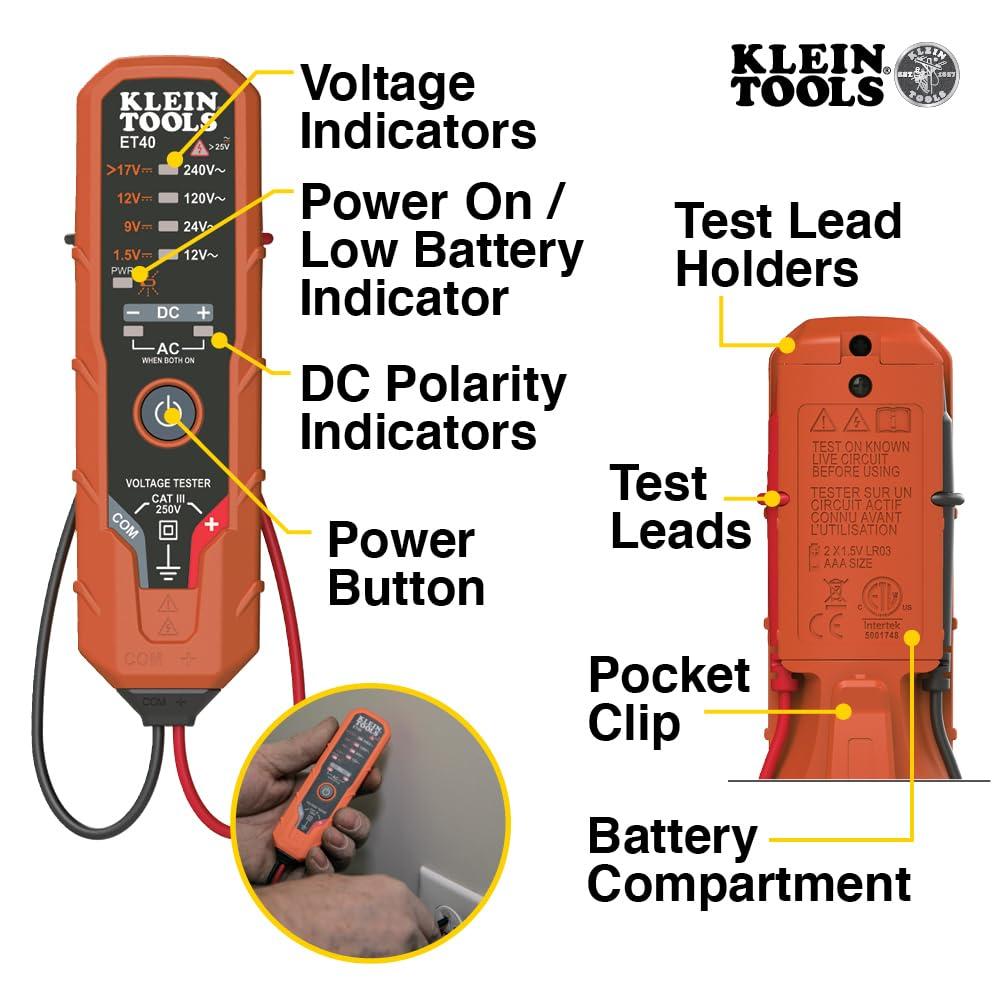
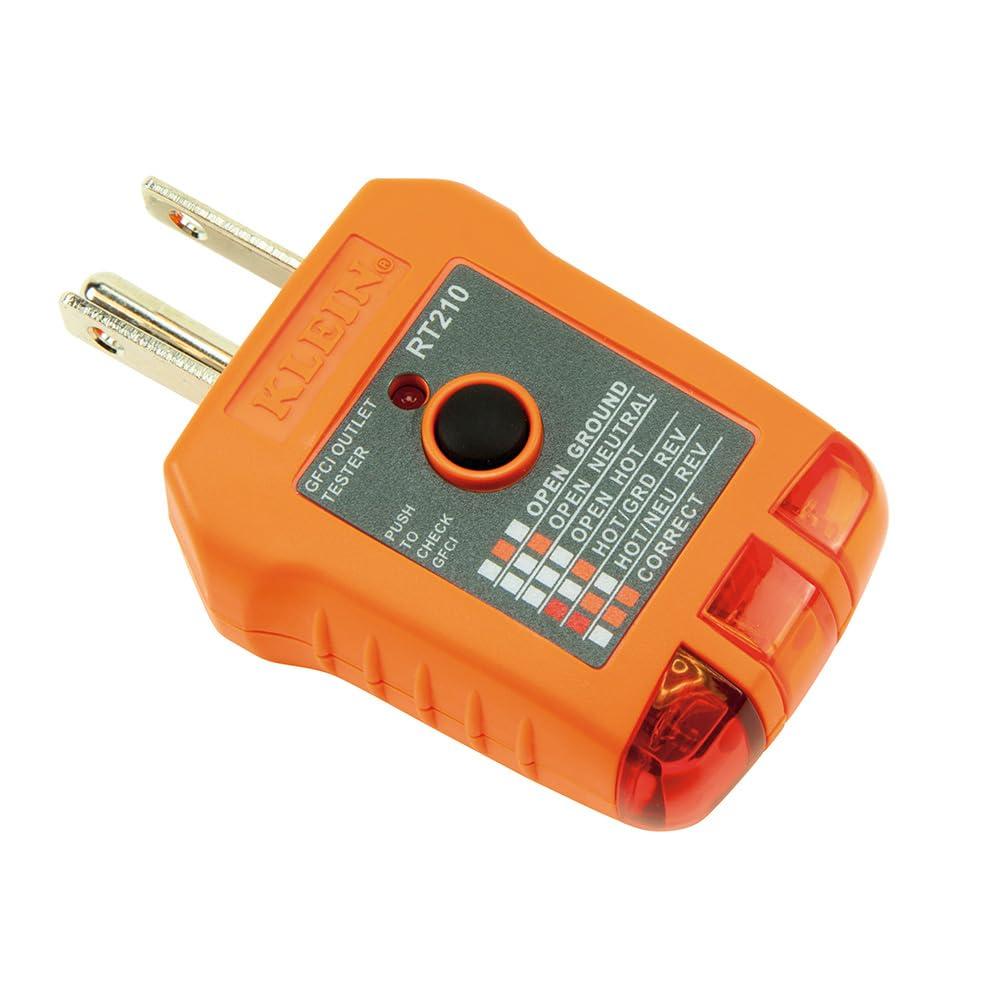
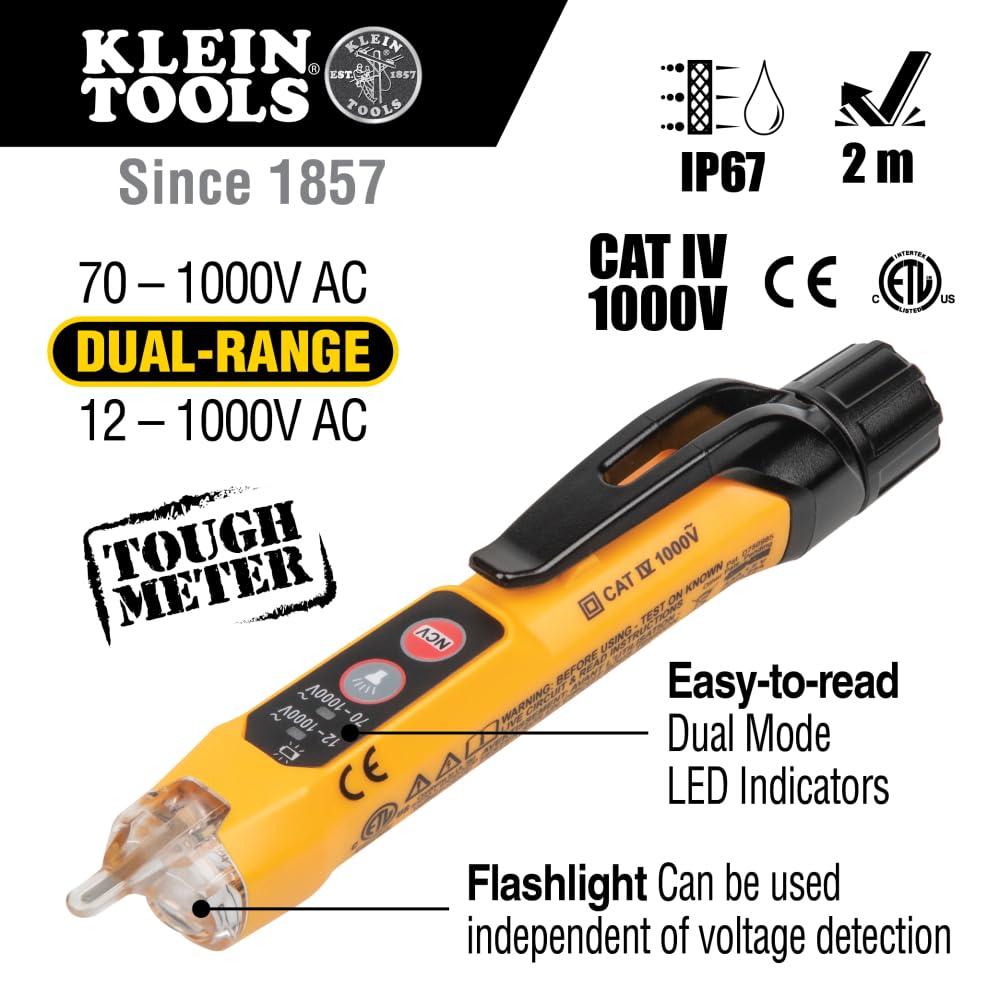
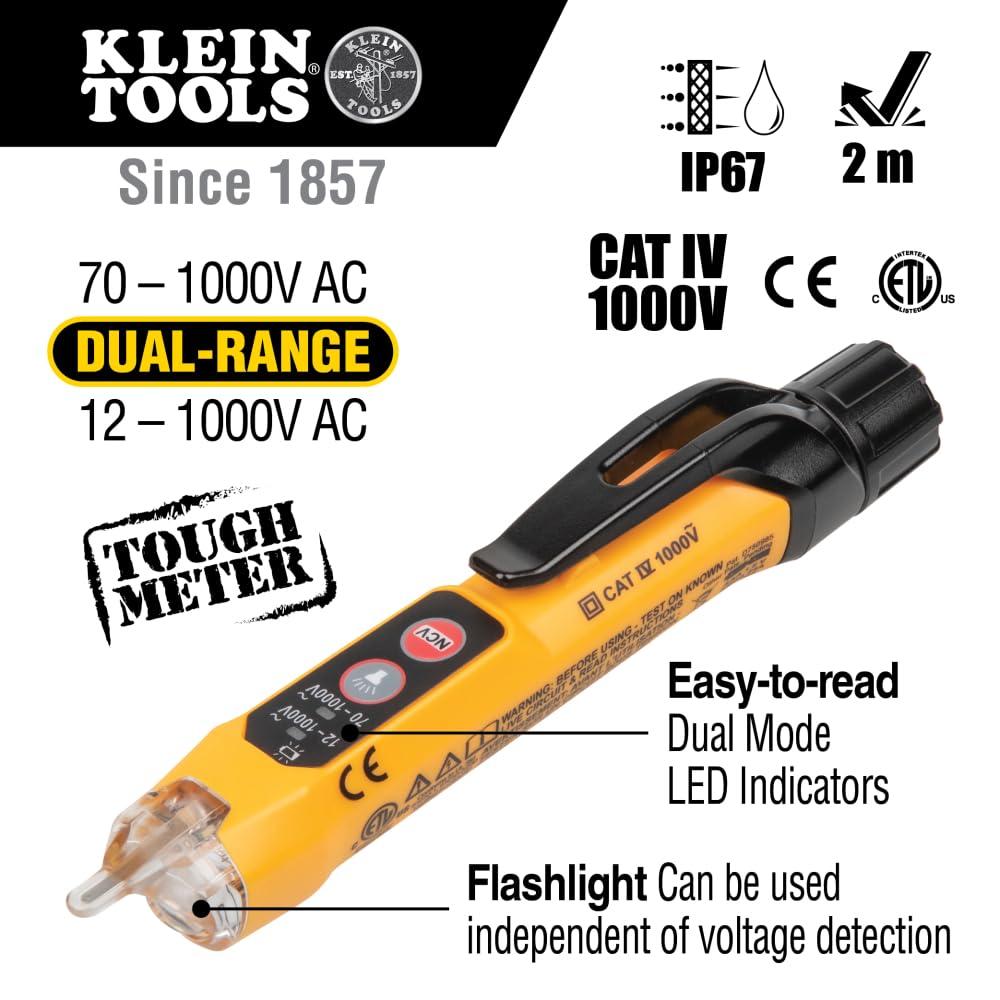
The supporting cast of testers rounds out the kit’s versatility in ways that directly address daily HVAC scenarios. The RT210 receptacle tester quickly identifies miswired outlets before I even think about plugging in recovery machines or vacuum pumps-critical when you’re working in older homes where electrical work might be questionable. The NCVT-3P non-contact voltage tester offers dual-range detection from 12V to 1000V AC, letting me verify everything from thermostat wiring to 240V compressor circuits without making contact, while the built-in flashlight helps in those inevitable attic and crawlspace calls. The ET40 voltage tester handles four common AC and DC voltage ranges, perfect for confirming proper voltage at disconnect boxes or checking 24V control circuits. Together, these tools cover the electrical diagnostics I need whether I’m installing a high-efficiency variable-speed system, tracking down why a furnace won’t fire, or verifying proper power delivery to a mini-split’s outdoor unit.
| Tool | Primary Function | Key HVAC Application |
|---|---|---|
| CL120 Clamp Meter | 400A AC current, AC/DC voltage, resistance, continuity | Compressor amp draw verification, electrical troubleshooting |
| RT210 Receptacle Tester | Detects wiring faults in standard/GFCI outlets | Pre-install outlet verification for equipment safety |
| NCVT-3P Voltage Detector | Non-contact voltage detection 12-1000V AC | Safe voltage verification on live circuits, disconnect boxes |
| ET40 Voltage Tester | AC/DC voltage testing, 4 ranges | Control circuit diagnosis, thermostat wiring checks |
Check Current Price & Availability on Amazon
How the Clamp Meter and Voltage Testers Perform in Real HVAC Troubleshooting
I’ve put this kit through its paces on everything from diagnosing compressor failures on 3-ton R-410A systems to troubleshooting control boards on high-efficiency 18 SEER mini-splits, and the versatility here is immediately apparent. The CL120 clamp meter handles the heavy lifting when I need to verify locked rotor amps on a struggling condenser or check if a blower motor is pulling the expected current-its 400-amp capacity covers residential units up to commercial RTUs without issue. The auto-ranging feature eliminates guesswork when diagnosing variable-speed ECM motors, which can have fluctuating current draws that would confuse lesser meters. What I appreciate most is the test lead holder on the side; when you’re balanced on a ladder checking voltage at a disconnect or measuring microamps on a flame sensor circuit, having leads secured means I’m not fumbling or dropping equipment. The magnetic hanger option would be useful for panel work, though I haven’t added that accessory yet.
The trio of testers fills specific gaps that the clamp meter alone can’t address. The NCVT-3P non-contact voltage detector has become my go-to for quick safety checks before opening equipment-whether verifying a 240V condenser is de-energized or tracing hot wires in a cramped air handler compartment, the dual-range sensitivity (12-1000V and 70-1000V) adapts to both low-voltage thermostat circuits and high-voltage compressor lines. The RT210 receptacle tester saves time on service calls when homeowners report tripped breakers; I can instantly confirm whether the issue is reversed polarity or an open ground before even opening the furnace panel. The ET40 voltage tester handles those moments when I need to verify 24V AC control voltage at a contactor or test DC voltage on a smart thermostat backup battery. Together, these tools cover the electrical diagnostic spectrum for condensers ranging from 18,000 BTU window units to 60,000 BTU heat pumps, and I’ve found the readings consistently reliable against my bench-grade reference meters.
| Tool | Primary Application | Voltage/Current Range |
|---|---|---|
| CL120 Clamp Meter | Compressor amp draw, blower motor current, locked rotor diagnostics | 400A AC, AC/DC voltage, resistance, continuity |
| NCVT-3P Non-Contact Tester | Live wire detection, safety verification before service | 12-1000V AC (low range: 70-1000V AC) |
| RT210 Receptacle Tester | Outlet wiring verification, GFCI functionality checks | Standard 120V AC outlets, GFCI protected circuits |
| ET40 Voltage Tester | Control voltage, thermostat circuits, capacitor discharge | AC/DC voltage at four common ranges |
Why This Test Kit Has Become Essential in My Daily Service Calls
After twenty years in the field, I’ve learned that diagnostic speed directly impacts profitability, and this kit delivers exactly that. The CL120 clamp meter’s auto-ranging capability has proven invaluable when I’m standing in front of a condensing unit pulling 28 amps on a 3-ton R-410A system that should be drawing 15-I don’t have time to fumble with range settings while the compressor is screaming. The 400-amp capacity handles everything from residential splits to light commercial packaged units, and I’ve used it to diagnose low-voltage issues on systems ranging from 12,000 BTU mini-splits to 60,000 BTU heat pumps. The RT210 receptacle tester saves me from pulling out leads every time I need to verify a 208V or 240V circuit before connecting a new condenser, and it’s caught reversed polarity issues that would’ve damaged control boards on high-SEER variable-speed systems where sensitive electronics can’t tolerate sloppy wiring.
| Tool Component | Primary Field Application | Typical Use Case |
|---|---|---|
| CL120 Clamp Meter | Current draw verification | Diagnosing compressor amp draw vs. nameplate specs |
| RT210 Receptacle Tester | Circuit verification | Pre-installation checks for 208/230V equipment |
| NCVT-3P Non-Contact Tester | Live wire detection | Safety checks in electrical panels and junction boxes |
| ET40 Voltage Tester | Direct voltage measurement | Transformer output testing, control voltage verification |
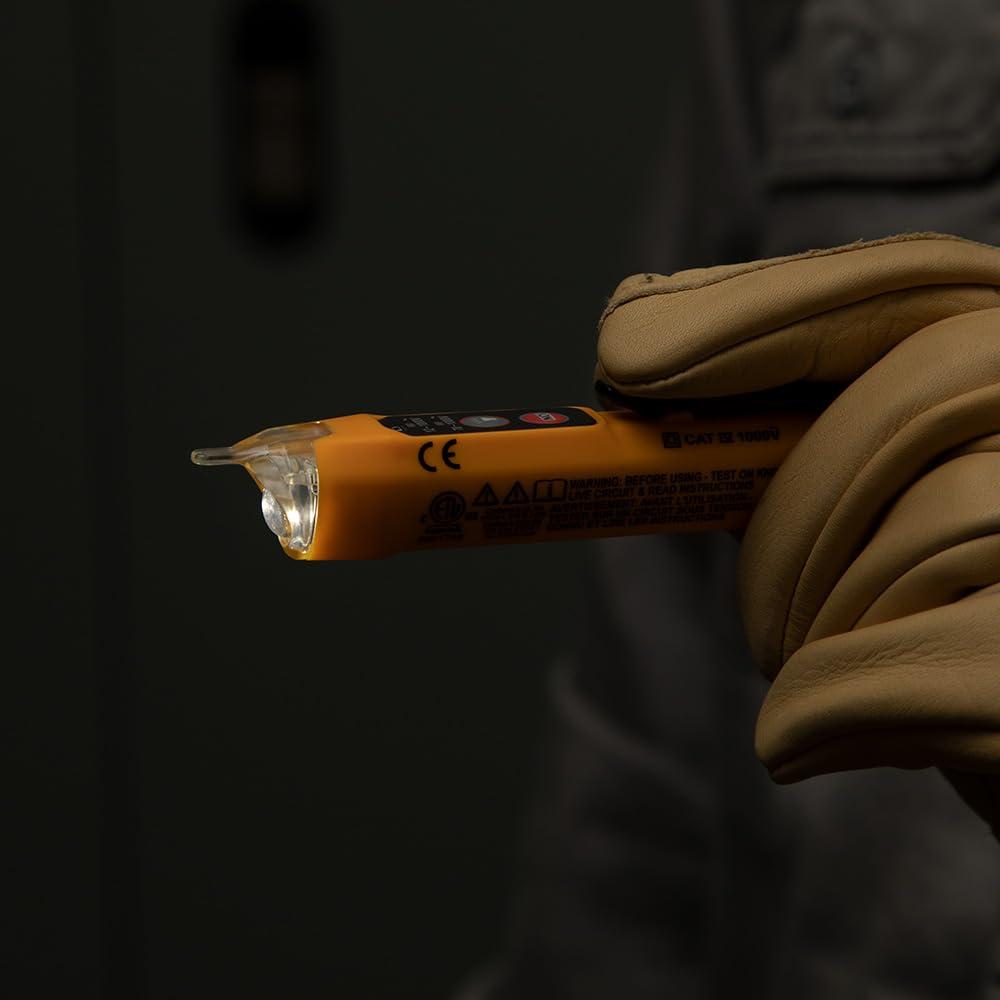
The NCVT-3P non-contact tester’s dual-range functionality means I can quickly check for hot wires in attic junction boxes without stripping insulation, which is critical when I’m troubleshooting control circuits on zoned systems or verifying that power is truly off before servicing ECM blower motors. What makes this kit indispensable is having all four testing tools in one padded pouch-when I’m on a callback for a system not cooling and suspect electrical issues before refrigerant problems, I can systematically check everything from the 24V thermostat circuit to the 240V compressor feed without running back to the truck. The auto-ranging eliminates user error when I’m moving between testing a capacitor’s microfarads and checking if a condensate pump is getting proper 120V supply, and the test lead holder on the clamp meter keeps everything organized instead of tangled at the bottom of my bag. This isn’t just a collection of testers; it’s a complete electrical diagnostic system that addresses every voltage scenario I encounter on residential and light commercial HVAC installations.
Get the Klein Tools CL120VP Test Kit on Amazon
What You Get for Your Money and How It Compares to Other Electrical Testing Solutions
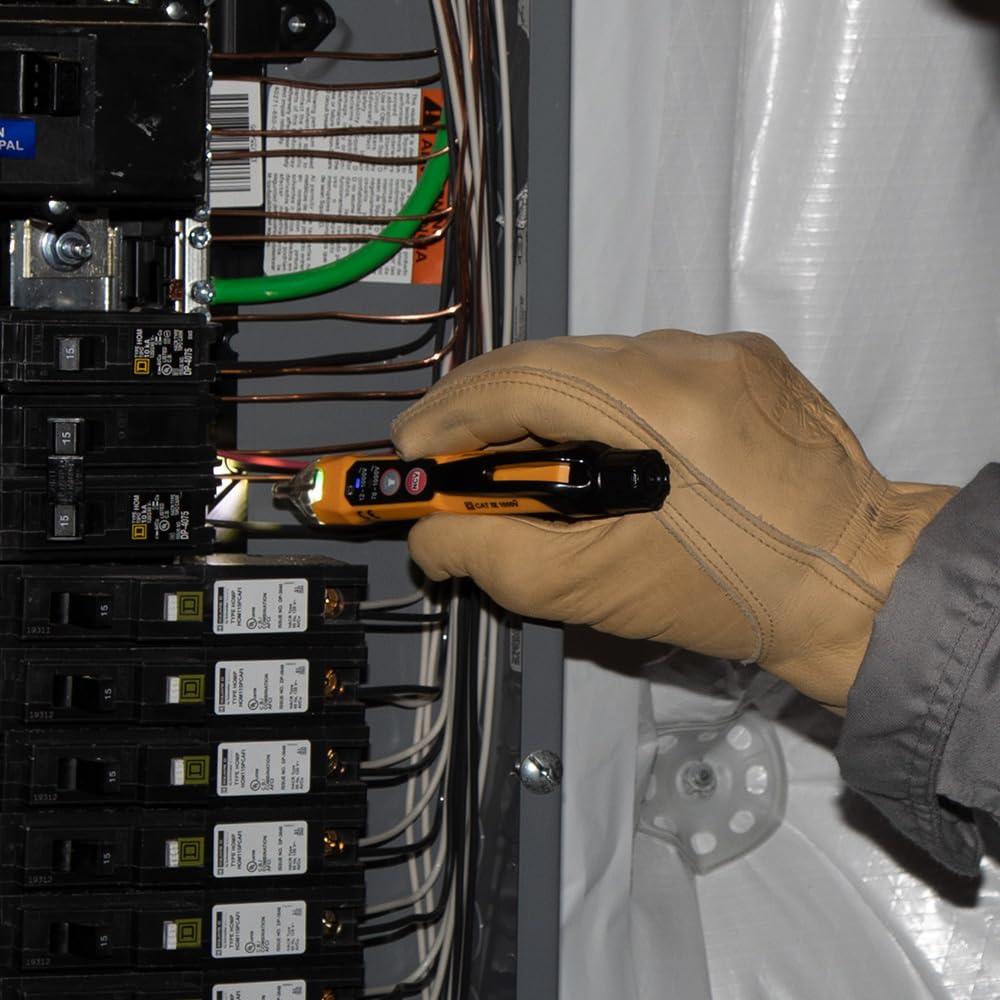
For what you’re getting here, this kit punches well above its price point. I’ve seen techs spend similar money on a basic clamp meter alone, and they’re left scrambling to buy separate testers for receptacle checks and voltage detection. This bundle gives you four distinct tools that cover nearly every electrical testing scenario you’ll face on residential and light commercial HVAC jobs. The CL120 clamp meter handles 400 Amp AC/DC current measurement, which is more than adequate for diagnosing issues on systems ranging from 12,000 BTU mini-splits running on 15-amp circuits to 60,000 BTU package units on 60-amp feeds. The RT210 receptacle tester quickly identifies miswired outlets-a surprisingly common issue that can cause nuisance GFCI trips on condensate pumps or electronic air cleaners. The NCVT-3P non-contact tester with dual-range detection (12-1000V AC) is what I reach for first when verifying power is off before opening disconnect boxes, and the built-in flashlight actually gets used in crawlspaces and attics. The ET40 voltage tester rounds out the kit for quick AC/DC voltage checks at common ranges without pulling out the clamp meter.
| Feature | Klein CL120VP Kit | Typical Single Clamp Meter | Buying Tools Separately |
|---|---|---|---|
| Clamp Meter Capability | 400A AC/DC, Auto-ranging | 400A AC/DC, Auto-ranging | 400A AC/DC, Auto-ranging |
| Receptacle Tester | Included (RT210) | Not included | $15-25 additional |
| Non-Contact Voltage Tester | Included (NCVT-3P, dual-range) | Not included | $20-35 additional |
| Secondary Voltage Tester | Included (ET40) | Not included | $15-20 additional |
| Storage Solution | Padded pouch included | Basic case or none | $10-20 additional |
| Total Investment | Single kit price | Base cost only | 60-100% more expensive |
Compared to buying individual tools, you’re looking at real savings without sacrificing quality-Klein’s reputation for durability means these won’t fail when you’re diagnosing why a high-efficiency variable-speed air handler isn’t communicating with its outdoor unit. The auto-ranging feature on the CL120 eliminates guessing when measuring compressor amperage on equipment with widely varying electrical draws, from inverter-driven mini-splits pulling 3 amps to older 4-ton straight-cool units hitting 30+ amps on startup. The test lead holder and optional magnetic hanger option mean I can clamp around a conductor and have both hands free to take notes or stabilize myself on a ladder. Everything fits in the included pouch, which keeps tools organized in my van instead of rattling around loose. For techs running multiple service calls daily-checking 208V three-phase on rooftop units, verifying 24VAC transformer output on thermostats, or confirming proper 240V single-phase at residential condensers-this kit delivers the versatility you need without the inflated cost of premium brands that offer marginal improvements for twice the money.
Unleash Your True Potential
## The Bottom Line from the Field
After decades in HVAC, I’ve learned one thing beyond doubt: you can’t diagnose what you can’t measure. The Klein CL120VP Test Kit gives me everything I need to troubleshoot electrical issues quickly and accurately-whether I’m tracking down a phantom voltage drain, verifying proper polarity at a disconnect, or confirming current draw on a condenser unit.
This isn’t just about having tools in your pouch. It’s about protecting your customer’s investment and their comfort. When you accurately diagnose electrical problems the first time, you prevent callbacks, avoid misdiagnoses that lead to unnecessary part replacements, and keep systems running at peak efficiency. That directly translates to lower energy bills, consistent indoor comfort, and equipment that lasts years longer than it should.
Poor electrical diagnostics lead to compressor failures, nuisance tripping, and systems that cycle inefficiently-all of which compromise indoor air quality and drive up operating costs. The right test equipment eliminates guesswork. It gives you confidence. And in this trade, confidence built on accurate data is what separates professionals from parts changers.
If you’re serious about this work-whether you’re a fellow tech or a homeowner who wants to understand what’s happening with your system-invest in tools that won’t let you down. The Klein CL120VP has earned its place in my kit, and I think it’ll earn its place in yours too.