Klein RT250KIT: My Go-To Electrical Test Kit
I’ve been carrying electrical testers in my service bag for over twenty years, and I can tell you straight up: the quality of your diagnostic tools determines how fast you work and how safe you go home. When Klein Tools released their RT250KIT combining a GFCI receptacle tester with an NCVT and flashlight, I knew it was worth a closer look-not because it’s flashy, but because in HVAC work, you’re constantly dealing with both the equipment voltage and the building electrical systems that feed them.
Whether I’m troubleshooting a condensate pump on a GFCI circuit, verifying power to a new air handler, or tracking down why a heat pump won’t fire up, having reliable voltage detection isn’t optional. I’ve seen techs waste hours chasing phantom electrical issues because their cheap tester couldn’t identify an open neutral, or worse, get bit because they trusted a non-contact tester that couldn’t reliably detect low-voltage control circuits. The RT250KIT addresses both scenarios with a receptacle tester that actually displays GFCI trip times and wiring faults on an LCD, plus a dual-range NCVT that covers everything from 12V thermostat wiring to 240V compressor feeds.
What caught my attention about this particular kit isn’t just the patent-pending open neutral and open ground detection-though that’s genuinely useful when you’re working in older homes where DIY electrical work is questionable at best. It’s that Klein bundled two tools I actually use daily into one organized package with a case and batteries included, which means it’s ready to work the day it arrives. After putting the RT250KIT through real-world service calls and installations, here’s what you need to know before adding it to your toolkit.
Klein Tools RT250KIT Overview: My First Impressions as an HVAC Professional
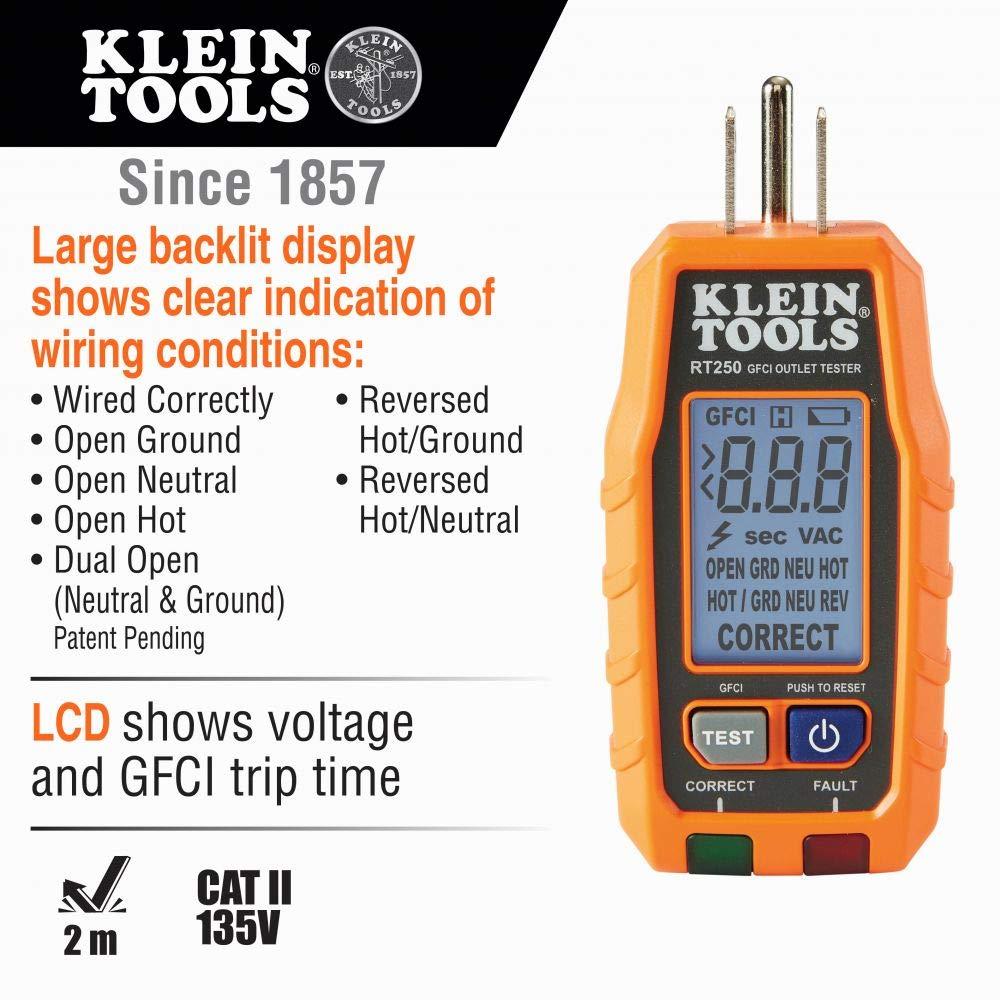
When I first unboxed this Klein electrical test kit, I immediately appreciated the completeness of the package. Everything comes ready to use-batteries included, organized carrying case, and two tools that handle the majority of electrical diagnostics I encounter on HVAC service calls. The GFCI receptacle tester with its backlit LCD is a step above the basic three-light testers I’ve used for years. It not only identifies wiring faults but actually displays trip time in milliseconds, which is critical when I’m verifying that outdoor condensing unit circuits and indoor air handler receptacles meet code. The patent-pending open neutral and open ground detection caught my attention right away-these are the sneaky faults that can cause intermittent compressor issues or nuisance breaker trips on 208/230V systems. The dual-range non-contact voltage tester switches between 12-1000V AC and 70-1000V AC, making it versatile enough for checking 24V control circuits on thermostats, verifying 120V blower motor feeds, and confirming 240V condenser power before I pull disconnect blocks.
| Tool Component | Key Feature | HVAC Application |
|---|---|---|
| RT250 GFCI Receptacle Tester | Trip time display & fault identification | Verify proper protection on condensate pump circuits, air handler receptacles |
| NCVT3P Non-Contact Voltage Tester | Dual-range detection (12-1000V AC) | Check 24V thermostat wiring, 120/240V equipment power, low-voltage controls |
| Integrated Flashlight | Independent operation | Illuminate attic installations, crawl spaces, electrical panels |
The build quality feels solid-Klein has a reputation in the trades for a reason. The integrated flashlight on the NCVT isn’t just a gimmick; I’ve already used it independently while inspecting ductwork in dark attics and checking filter access panels. What I value most is having both diagnostic tools in one compact case that fits in my service bag without taking up the space of a meter. Whether I’m troubleshooting why a high-efficiency heat pump isn’t drawing power correctly or verifying electrical safety before swapping a failed blower motor, this kit covers the essential voltage verification tasks without requiring me to break out my multimeter for every single outlet check.
How the Non-Contact Voltage Tester Performs in Real World Electrical Diagnostics
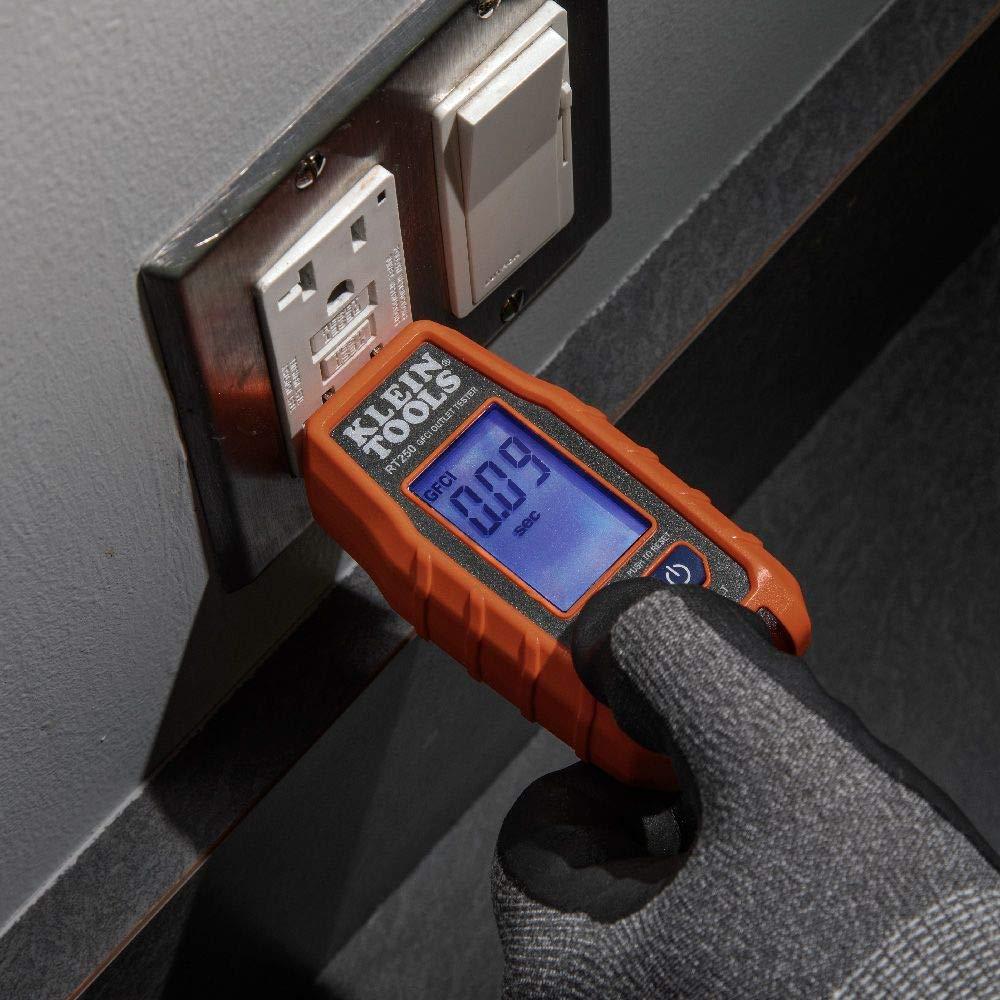
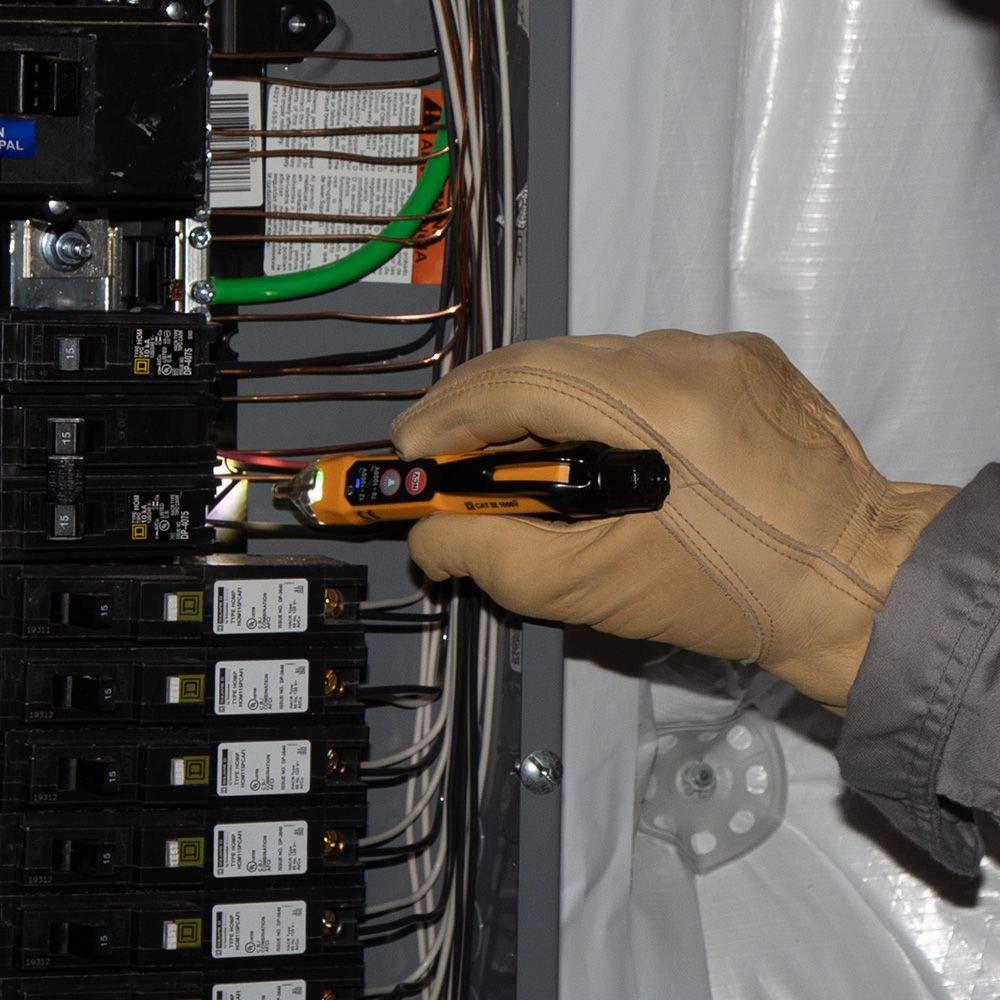
In the field, I’ve tested this NCVT in scenarios ranging from diagnosing live 240V circuits on condensing units to tracing low-voltage control wiring on multi-zone ductless mini-splits. The dual-range detection (12-1000V AC or 70-1000V AC) proves invaluable when you’re working on systems with varying electrical demands-whether it’s a high-efficiency 18 SEER heat pump pulling 30 amps or troubleshooting 24V transformer issues on a furnace control board. The voltage tester’s sensitivity adjustment lets me switch between detecting the faint signal from thermostat wiring and confirming hot 208/230V compressor feeds without false positives. The integrated flashlight isn’t just a gimmick; when you’re crammed into an attic space checking whether power is still live to a blower motor on a 60,000 BTU gas furnace, having hands-free illumination while keeping the tester in detection mode saves time and prevents accidental contact with energized terminals.
The RT250 receptacle tester has become my go-to for verifying proper grounding and GFCI function before installing mini-split line sets or confirming outlet integrity at outdoor disconnect boxes. The patent-pending open neutral and open ground detection caught a faulty receptacle at a job site where I was installing a 36,000 BTU ductless system-something a basic three-light tester would have missed entirely. The LCD trip time display is particularly useful for ensuring GFCI receptacles meet code requirements in areas near condensate drains or outdoor condenser pads where moisture is a constant concern. Here’s what makes this kit stand out in real electrical diagnostic work:
| Feature | Field Application |
|---|---|
| Dual-Range NCVT (12-1000V AC / 70-1000V AC) | Detects low-voltage control circuits and standard 120/240V compressor feeds |
| GFCI Trip Time Display | Verifies code-compliant GFCI performance near condensate lines and outdoor units |
| Open Neutral/Ground Detection | Identifies hidden wiring faults before connecting expensive HVAC equipment |
| Integrated Flashlight | Illuminates cramped spaces during voltage detection in attics, crawlspaces, or mechanical rooms |
Check Current Pricing on Amazon
Why the GFCI Receptacle Tester Has Become Essential in My Daily Toolkit
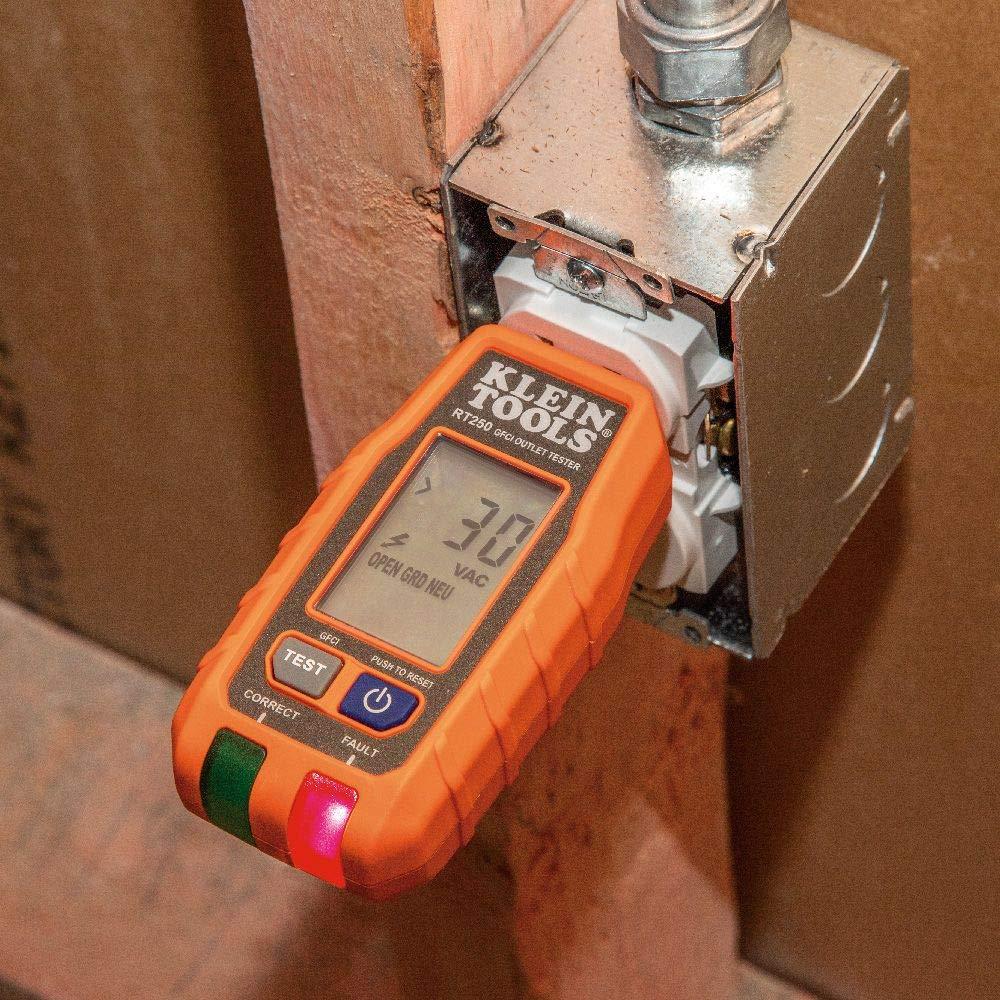
After years of troubleshooting everything from 240V condensing units to 24V thermostats, I can tell you that electrical faults are often the hidden culprits behind HVAC failures. I’ve lost count of how many service calls turned out to be simple wiring issues at outdoor disconnect boxes or improperly grounded receptacles near mini-split installations. The GFCI receptacle tester in this kit has completely changed how I approach these scenarios. The LCD readout displays both voltage and GFCI trip time, which is critical when verifying that outdoor condensate pump circuits or auxiliary drain pan float switches are functioning correctly. What really sets this apart is the patent-pending open neutral and open ground detection – I’ve caught multiple dangerous conditions at outdoor receptacles near heat pump installations that standard testers completely missed. The ability to identify wiring faults instantly means I’m not wasting time tracing circuits when I should be diagnosing whether that 3-ton unit isn’t running due to electrical issues or a failed compressor.
| Feature | Specification | Field Application |
|---|---|---|
| GFCI Trip Time Display | LCD shows exact trip duration | Verify condensate pump and auxiliary pan circuits meet code |
| Voltage Range (NCVT) | 12-1000V AC (dual-range) | Test everything from thermostat wiring to 208/240V compressor circuits |
| Wiring Fault Detection | Open neutral, open ground, and 5 other faults | Identify unsafe conditions at outdoor disconnect boxes and rooftop unit receptacles |
| Integrated Flashlight | Independent operation | Illuminate attic installations and crawlspace work areas |
The dual-range non-contact voltage tester is equally indispensable. I regularly switch between the 12V to 1000V range for control circuits and the 70V to 1000V range for line voltage work – especially when dealing with multi-stage heat pumps that have complex control boards and multiple power sources. The integrated flashlight isn’t a gimmick; it’s genuinely useful when you’re verifying power at a rooftop unit’s electrical whip or checking if a zone damper actuator is getting its 24V signal in a dark plenum. I keep this kit in my truck alongside my manifold gauges and refrigerant scale because it addresses the electrical side of diagnostics just as thoroughly as those tools handle the refrigeration side. When I’m installing a new high-efficiency variable-speed air handler that demands clean, properly grounded power for its ECM motor and control board, having these testers on hand prevents callbacks and ensures the installation meets both manufacturer specs and electrical code requirements.
Check Current Price and Availability
What I Appreciate About the Build Quality and Long Term Value
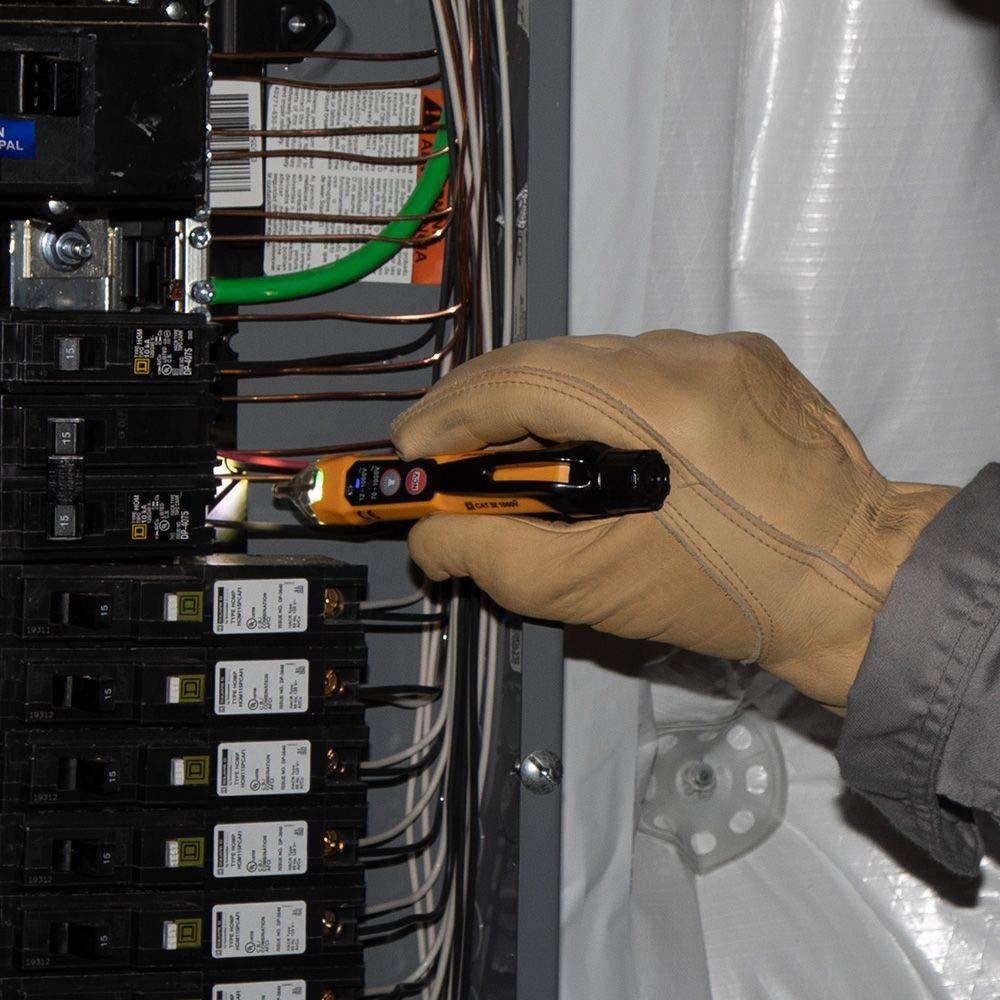
The housing on both testers feels genuinely robust-this isn’t the flimsy plastic that cracks after a few drops on concrete or in a cramped attic. I’ve had this kit in my bag for months now, and the build quality has held up through daily use in crawl spaces, mechanical rooms, and jobsites where tools take a beating. The RT250 receptacle tester has a solid backlit LCD that stays readable even in poorly lit utility rooms, and the buttons respond consistently without any mushy feel. The NCVT3P non-contact tester has survived multiple drops from ladder height, and the integrated flashlight remains a surprisingly useful feature when I’m troubleshooting condensate pump wiring or checking connections behind air handlers in dimly lit basements. The carrying case keeps everything organized, which matters when you’re juggling service calls and need to grab the right tool quickly.
| Feature | RT250 Receptacle Tester | NCVT3P Voltage Tester |
|---|---|---|
| Voltage Range | 120V AC (North American outlets) | 12-1000V AC (dual-range: 12-1000V or 70-1000V) |
| Key Diagnostics | Open Neutral, Open Ground, GFCI trip time | Non-contact voltage detection with audible/visual alerts |
| Display | Backlit LCD with voltage readout | LED indicators |
| Extra Function | Trip time display for GFCI troubleshooting | Independent flashlight mode |
Long-term value here comes down to reliability and versatility. The patent-pending open neutral and open ground detection on the RT250 has caught wiring faults at older installations where homeowners upgraded to mini-split systems but hadn’t addressed underlying electrical issues-problems that could’ve caused nuisance trips or worse. The NCVT3P’s dual-range capability means I’m not fumbling for a different tester when switching between checking 24V thermostat wiring and verifying 240V disconnect boxes on heat pump installations. Klein includes all batteries and clear instructions, so the kit is ready to use out of the box, and I haven’t needed to replace anything yet. For technicians who work on diverse equipment-from furnaces and air handlers to heat pumps and ductless systems-this kit delivers consistent performance without the premium price tag of specialty testers that do less.
Unleash Your True Potential
## The Bottom Line
After thirty-plus years in this industry, I’ve learned that the tools in your bag tell the story of how you work. The Klein RT250KIT isn’t flashy, and it won’t transform your business overnight – but it will make you faster, safer, and more confident on every service call. And in our line of work, that matters more than most homeowners realize.
Here’s what I know for certain: when you’re troubleshooting electrical issues during an HVAC install or repair, you can’t afford guesswork. A faulty receptacle or hidden voltage issue doesn’t just slow you down – it compromises system performance, creates safety hazards, and ultimately affects the home comfort you’re responsible for delivering. That heat pump or high-efficiency furnace you just installed? It needs clean, reliable power to run efficiently and keep energy costs in check. Poor electrical conditions mean reduced equipment lifespan, higher utility bills, and callbacks you don’t have time for.
The RT250KIT gives you the diagnostic clarity to catch these problems before they cascade into bigger issues. Open neutrals, GFCI faults, voltage irregularities – you’ll spot them immediately and address them properly. That’s how you protect indoor air quality systems that depend on consistent power, ensure long-term reliability for the equipment you install, and build the kind of reputation that keeps your schedule full.
I stand behind this kit because it does exactly what it promises, nothing more and nothing less. It’s practical, dependable, and priced right for what you get. If you’re serious about doing quality work and protecting both yourself and your customers, this belongs in your arsenal.
Don’t overthink it. Get the right tools, do the job right, and sleep better at night knowing you’ve covered all the bases.