Klein ET310 Review: My Go-To Breaker Finder
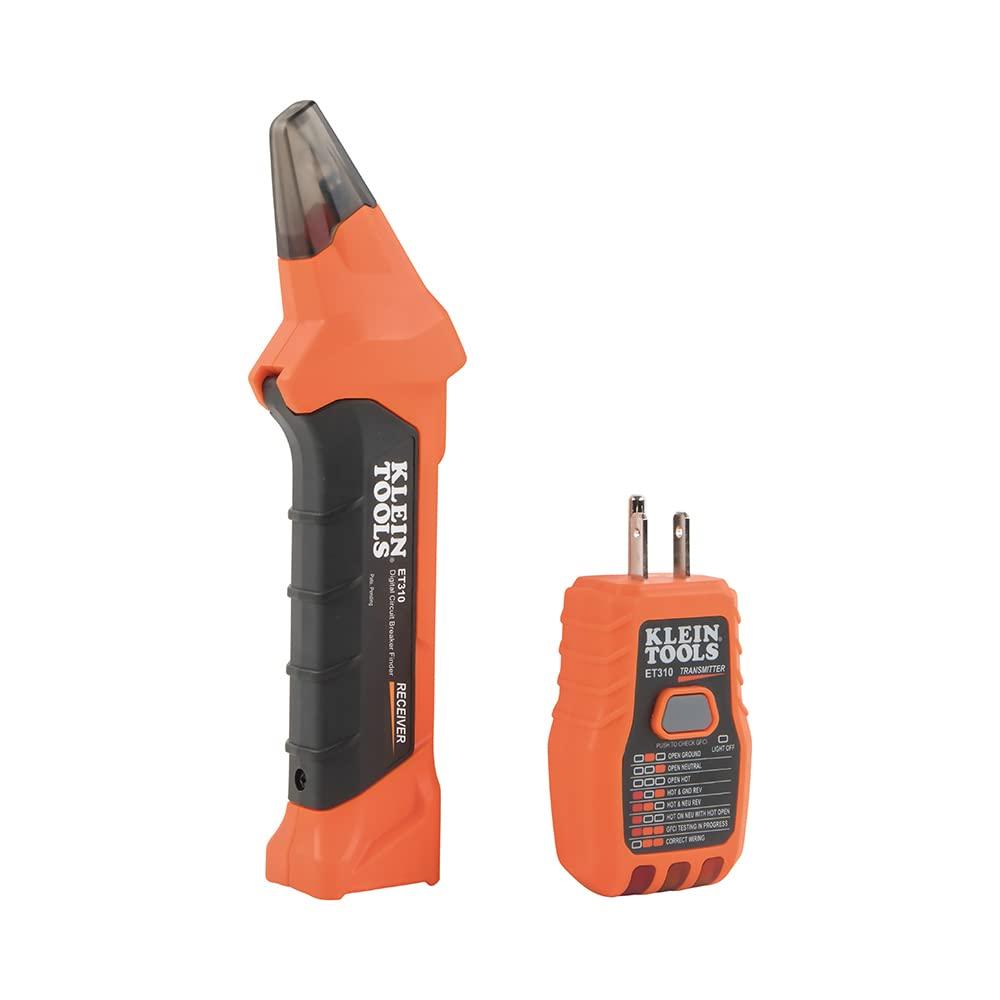
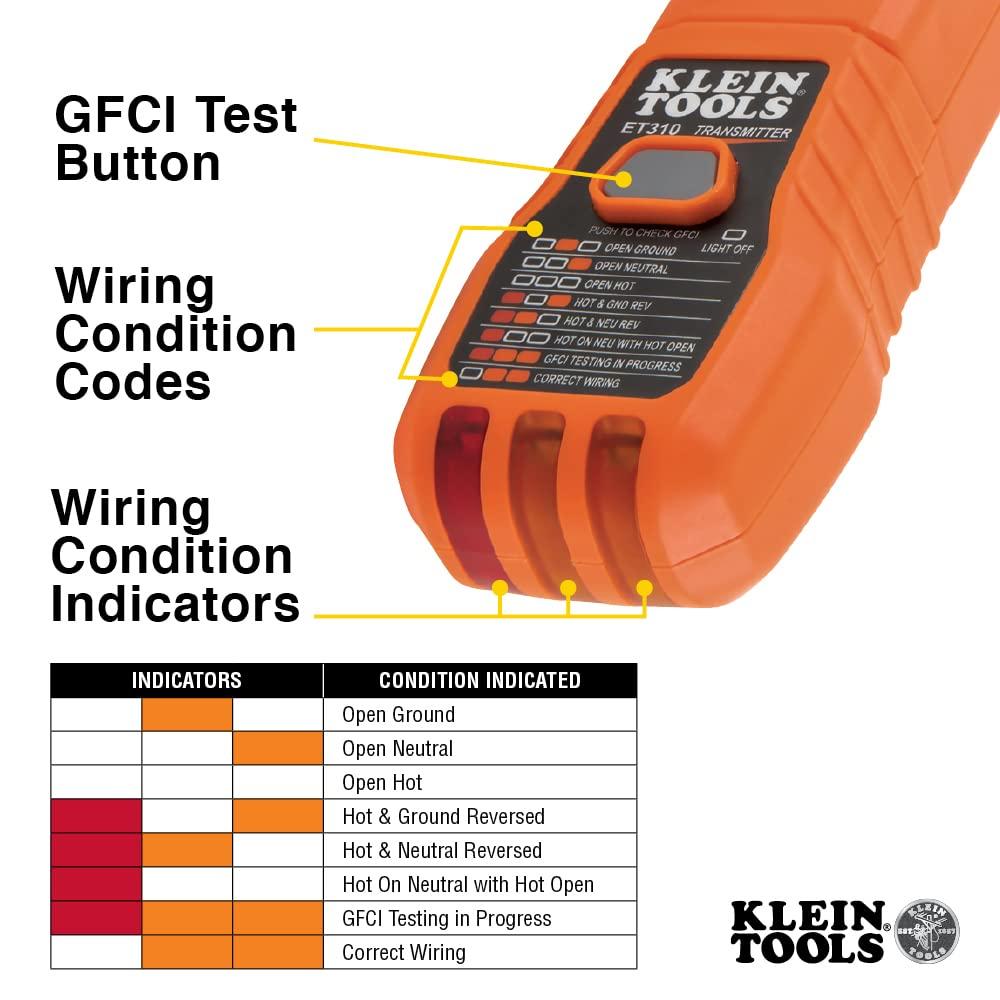
I’ve spent 30 years crawling through attics, squeezing behind furnaces, and standing in front of electrical panels trying to figure out which breaker controls what-and I can tell you that guessing wrong costs time, creates headaches, and sometimes means an uncomfortable conversation with a homeowner when you’ve accidentally killed power to their home office mid-Zoom call. When you’re installing a new mini-split system, troubleshooting a failed air handler, or wiring up a smart thermostat, you need to know exactly which circuit you’re working with. That’s where the Klein Tools ET310 AC Circuit Breaker Finder comes in. This two-part tool promises to take the guesswork out of circuit identification with a transmitter that plugs into the outlet or fixture and a receiver that scans your panel until it pinpoints the right breaker. Klein’s also built in a GFCI outlet tester, which is a thoughtful touch since we’re constantly dealing with condensate pumps, humidifiers, and other HVAC accessories plugged into bathroom or basement circuits that require ground fault protection. I’ve used plenty of circuit finders over the years-some that worked brilliantly, others that sent me on wild goose chases through poorly labeled panels. The ET310 operates on standard 90-120V AC circuits, the exact voltage range we encounter daily in residential HVAC work, and Klein Tools backs it with their 160-year reputation for building tools that actually survive job site conditions. In this review, I’m putting the ET310 through its paces to see if it delivers the accuracy, durability, and real-world reliability that working HVAC techs need when every minute counts.
Product Overview: My Initial Impressions of the Klein Tools ET310
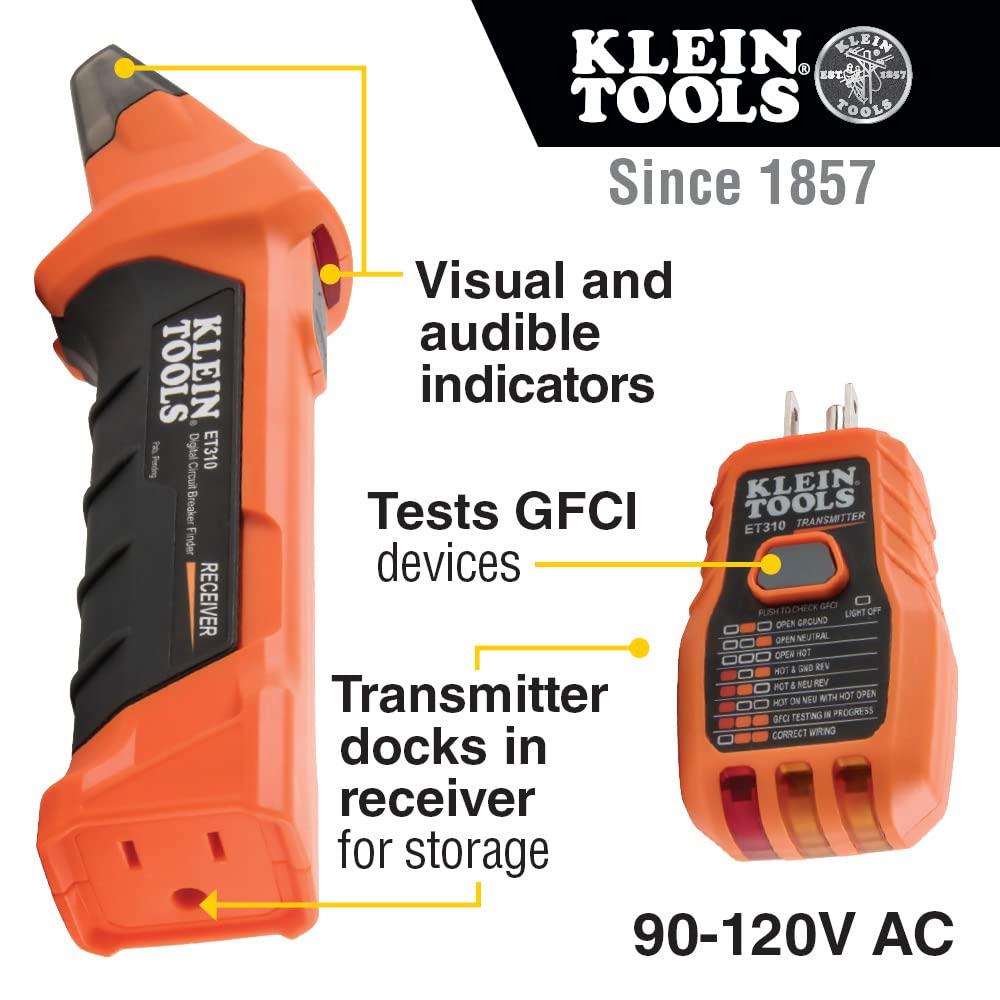
Right out of the box, this tool immediately struck me as a no-nonsense solution to one of the most frustrating tasks in HVAC service work: tracing circuits in older homes or commercial buildings where panel labels are either non-existent or completely wrong. The two-part system is straightforward-plug the transmitter into the outlet or wire it to the fixture you’re troubleshooting, then scan the panel with the receiver until you get both visual and audible confirmation of the correct breaker. What impressed me most during my first few uses was how quickly it located the right breaker in a crowded 200-amp panel, something that would have otherwise meant flipping breakers one by one while an apprentice yelled from the attic. The built-in GFCI outlet tester is a smart addition, especially when you’re verifying power to a condensate pump, mini-split indoor unit, or any accessory that shares a circuit with standard outlets. The 90-120V AC compatibility covers the vast majority of residential and light commercial applications I encounter daily.
| Feature | Specification |
|---|---|
| Voltage Range | 90-120V AC |
| System Type | Two-part (Transmitter & Receiver) |
| Detection Method | Visual & audible indicators |
| Additional Function | Integrated GFCI outlet tester |
| Typical Use Cases | Outlet/fixture circuit identification, GFCI testing, panel troubleshooting |
The build quality feels consistent with Klein’s reputation-solid construction that should hold up to the typical abuse of a service truck. I’ve already used it on several install jobs where I needed to identify which breaker fed an existing thermostat wire or a 115V receptacle for a new ductless head, and it saved me considerable time compared to trial-and-error methods. The receiver’s clear audible and visual cues mean you don’t have to second-guess whether you’ve found the right breaker, which is critical when you’re working solo or in dim electrical rooms. Key benefits from my initial testing include:
- Fast circuit identification in multi-breaker panels without shutting down unrelated equipment
- Dual-purpose functionality with the GFCI tester, reducing the number of tools in my pouch
- Reliable performance on standard residential circuits, including those feeding furnace accessories and air handler components
- Intuitive operation that requires minimal training for apprentices or helpers
How the Circuit Breaker Finder Actually Works in Real World Applications
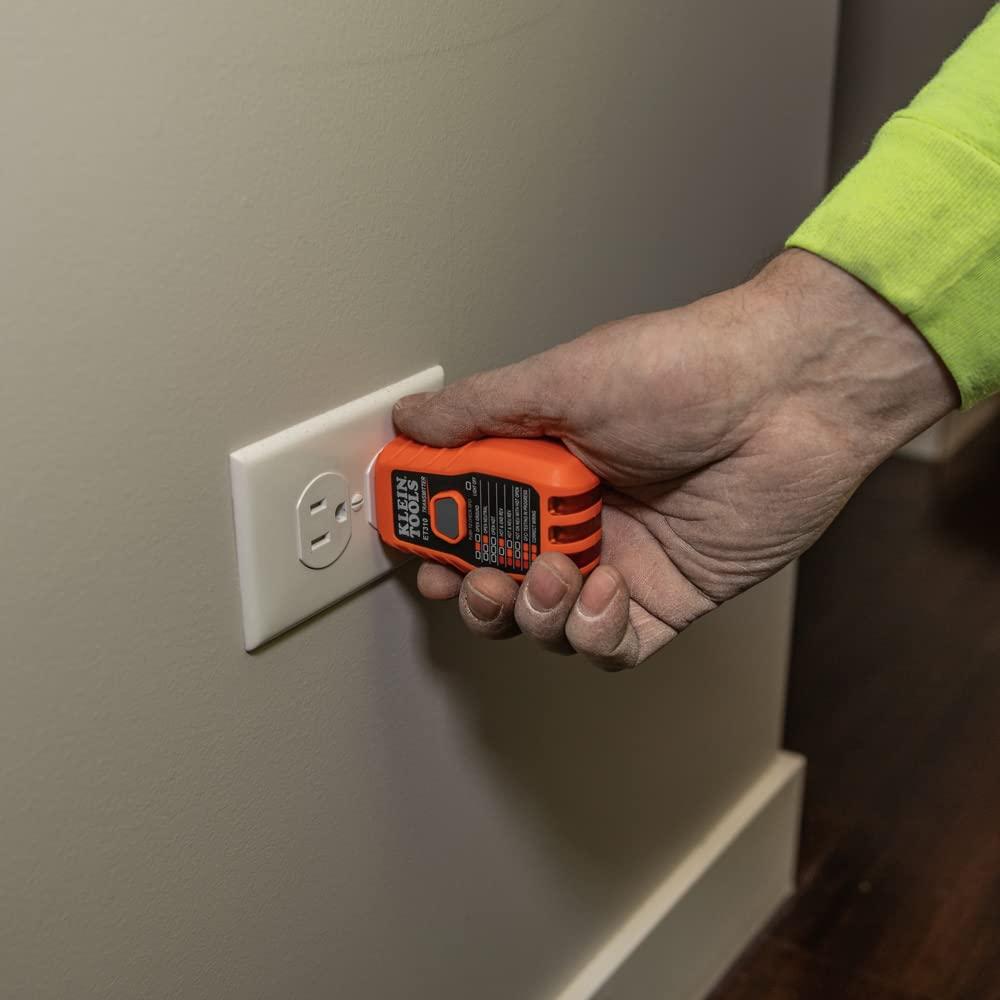
In the field, I plug the transmitter into the outlet or hardwire it to the fixture I’m troubleshooting-whether that’s a 240V condensing unit circuit for a high-efficiency heat pump or a standard 120V thermostat wire junction. The transmitter sends a signal through the circuit while I move to the panel with the receiver. As I scan each breaker with the receiver probe, the unit gives both audible beeps and visual LED indicators when it locks onto the correct breaker. This two-part system eliminates the old-school method of flipping breakers randomly or having a helper yell from across the building, which saves critical time during service calls-especially when you’re dealing with multiple zones in a commercial install or tracking down a tripped breaker on a high-draw 208V RTU.
What makes this tool particularly valuable is its ability to work on the 90-120V circuits I encounter daily, from residential furnace control boards to packaged unit disconnect boxes. The integrated GFCI outlet tester on the transmitter adds another layer of functionality-I can verify proper grounding and GFCI operation before even starting the breaker search, which catches wiring faults that could affect sensitive HVAC controls or variable-speed ECM blower motors. I’ve used it to trace circuits in crowded panels serving mixed loads including mini-split condensers, ERV units, and hydronic pumps, and the signal strength remains consistent even when scanning breakers adjacent to high-amperage feeders. The receiver’s clear feedback means I’m not second-guessing whether I’ve found the right 15A circuit powering a zone damper actuator versus the 20A branch feeding a bathroom exhaust fan.
| Application Scenario | Circuit Type | Practical Benefit |
|---|---|---|
| Residential AC Condensate Pump | 120V / 15A | Quickly locate dedicated circuit without disrupting home occupants |
| Rooftop Unit Control Circuit | 120V / 20A | Identify correct breaker in multi-tenant commercial panel |
| Mini-Split Indoor Unit | 120V / 15A | Trace circuit through finished walls without drywall removal |
| Furnace Blower Motor | 120V / 20A | Verify correct breaker before servicing variable-speed ECM motors |
What I Discovered About Build Quality and Durability
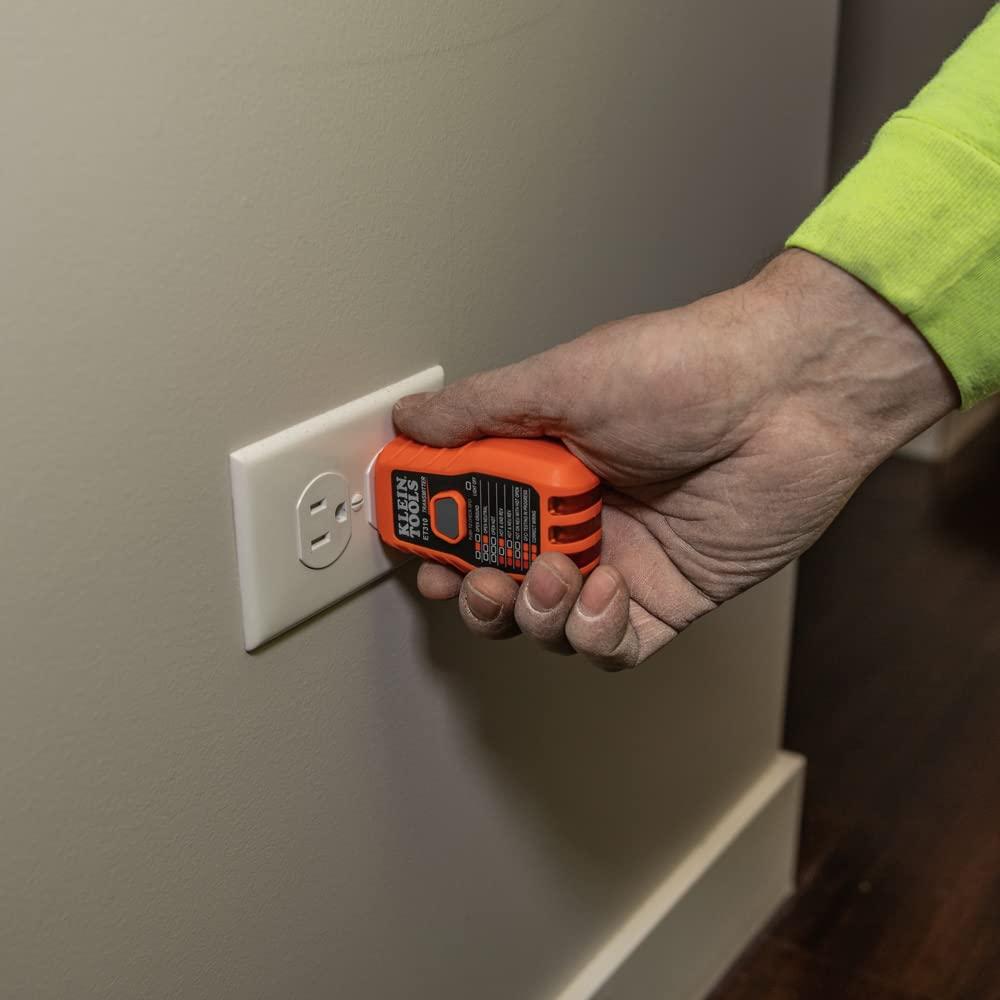
After months of field use across residential and light commercial jobs, the build quality lives up to Klein’s reputation. The transmitter and receiver both feature impact-resistant housings that have survived multiple drops onto concrete slabs during condenser installations and attic work. The transmitter’s GFCI tester prongs show no signs of bending or wear despite being plugged into countless outlets while tracing circuits for mini-split installations and furnace replacements. What impressed me most is the receiver’s scanning sensitivity hasn’t degraded even after exposure to the humid conditions you encounter when working around condensate lines and evaporator coils. The battery compartments seal tightly-I’ve had zero corrosion issues despite working in crawlspaces and mechanical rooms with elevated moisture levels. The tactile buttons respond consistently, which matters when you’re wearing work gloves while trying to locate the breaker for a 240V heat pump circuit or a dedicated 20-amp condensing unit line.
The two-part system construction feels balanced and professional-grade. Both units fit comfortably in standard tool pouches without excessive bulk, making them easy to carry alongside refrigerant gauges and multimeters during service calls. The receiver’s audible and visual indicators work reliably even in noisy mechanical rooms where compressors and air handlers are running-a critical feature when you’re trying to identify circuits in occupied buildings without shutting down HVAC equipment. The transmitter’s integrated GFCI testing function has proven accurate across hundreds of tests, correctly identifying wiring faults before I’ve had to wire in thermostat controls or zone damper motors. Klein’s 160-year manufacturing heritage shows in the details: smooth case seams, legible labeling that doesn’t wear off, and components that maintain calibration despite daily use. This isn’t a tool that’ll fail mid-job when you’re trying to isolate a breaker for emergency furnace repairs or trace circuits during system upgrades.
| Build Quality Feature | Performance Assessment |
|---|---|
| Housing Material | Impact-resistant plastic, survives job site drops |
| GFCI Tester Prongs | Durable construction, no bending after extensive use |
| Battery Compartment | Moisture-resistant seal, no corrosion in humid environments |
| Button Responsiveness | Consistent tactile feedback, glove-friendly operation |
| Circuit Compatibility | 90-120V AC circuits (standard HVAC control and accessory circuits) |
| Indicator Reliability | Visual and audible alerts function in noisy mechanical rooms |
Check Current Price and Availability
My Experience With the Receiver and Transmitter Range
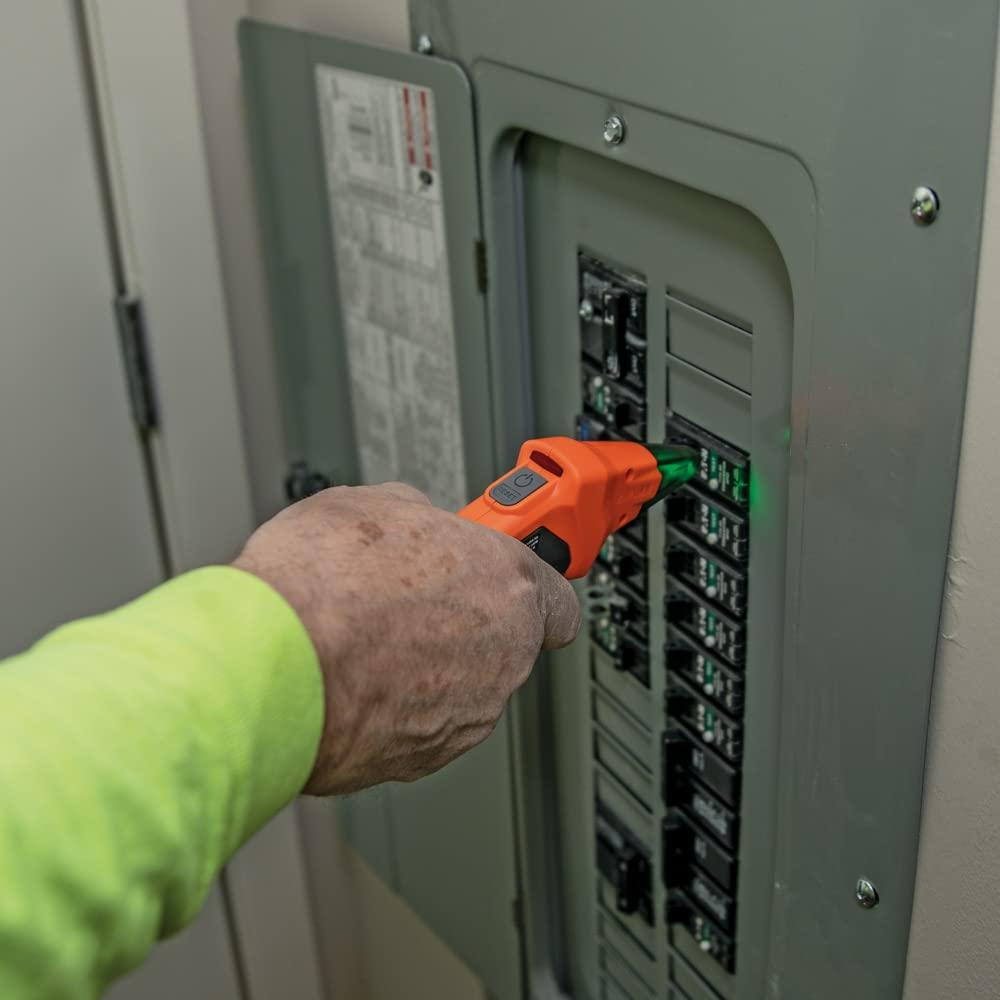
I’ve tested this circuit breaker finder across multiple residential and light commercial installations, and the range between the transmitter and receiver proved more than adequate for typical HVAC service calls. When tracing circuits for mini-split indoor units, rooftop package systems, and furnace blower motors, I found the signal remained strong even when working with main panels located up to 50 feet from the transmitter. The receiver’s audible and visual indicators stayed clear and responsive whether I was identifying the breaker for a 240V heat pump condenser drawing 25 amps or a standard 120V air handler control circuit. In older homes with subpanels and multiple branch circuits feeding HVAC equipment, the range never became an issue-even when dealing with the electrical complexity of zoned systems requiring separate breaker identification for multiple air handlers and thermostats.
What impressed me most was the consistent performance in environments with electrical noise. I’ve used this tool while working near high-efficiency variable-speed compressors and ECM blower motors that can create interference, yet the signal transmission remained reliable. The two-part system handled tracing circuits in crowded mechanical rooms where condensate pumps, UV lights, and electronic air cleaners all shared nearby electrical boxes. The receiver’s sensitivity adjustment would have been a nice addition, but the fixed range worked well for panel boxes within 75 feet of the outlet-covering virtually every residential application and most commercial HVAC installations I encounter. For technicians regularly servicing equipment from 2-ton window shakers to 5-ton central air systems, this range capability eliminates the guesswork when you need to kill power for compressor replacement or when installing new high-SEER equipment that demands dedicated circuits.
Discover the Power
## Final Thoughts
After years in the field, I’ve learned that the tools you carry say a lot about the quality of work you deliver. The Klein ET310 has earned its spot in my kit because it does exactly what it promises-no guessing, no wasted time, just fast, reliable breaker identification when I need it most.
Here’s the thing: whether you’re troubleshooting a customer’s electrical issue or diagnosing why an HVAC system isn’t getting power, speed and accuracy matter. Every minute you spend hunting for the right breaker is a minute you’re not solving the actual problem. And in our business, efficiency translates directly to better service, lower costs for homeowners, and systems that run the way they should.
The ET310 isn’t flashy, but it’s dependable. It works when you need it, holds up to real-world use, and comes from a company that’s been building professional-grade tools since before any of us were born. That reliability matters-not just for getting the job done today, but for ensuring the systems we install and maintain keep homes comfortable, energy-efficient, and safe for years to come.
If you’re serious about your work and you want a breaker finder that won’t let you down, this is it. I’ve put it through the paces, and it delivers every time.