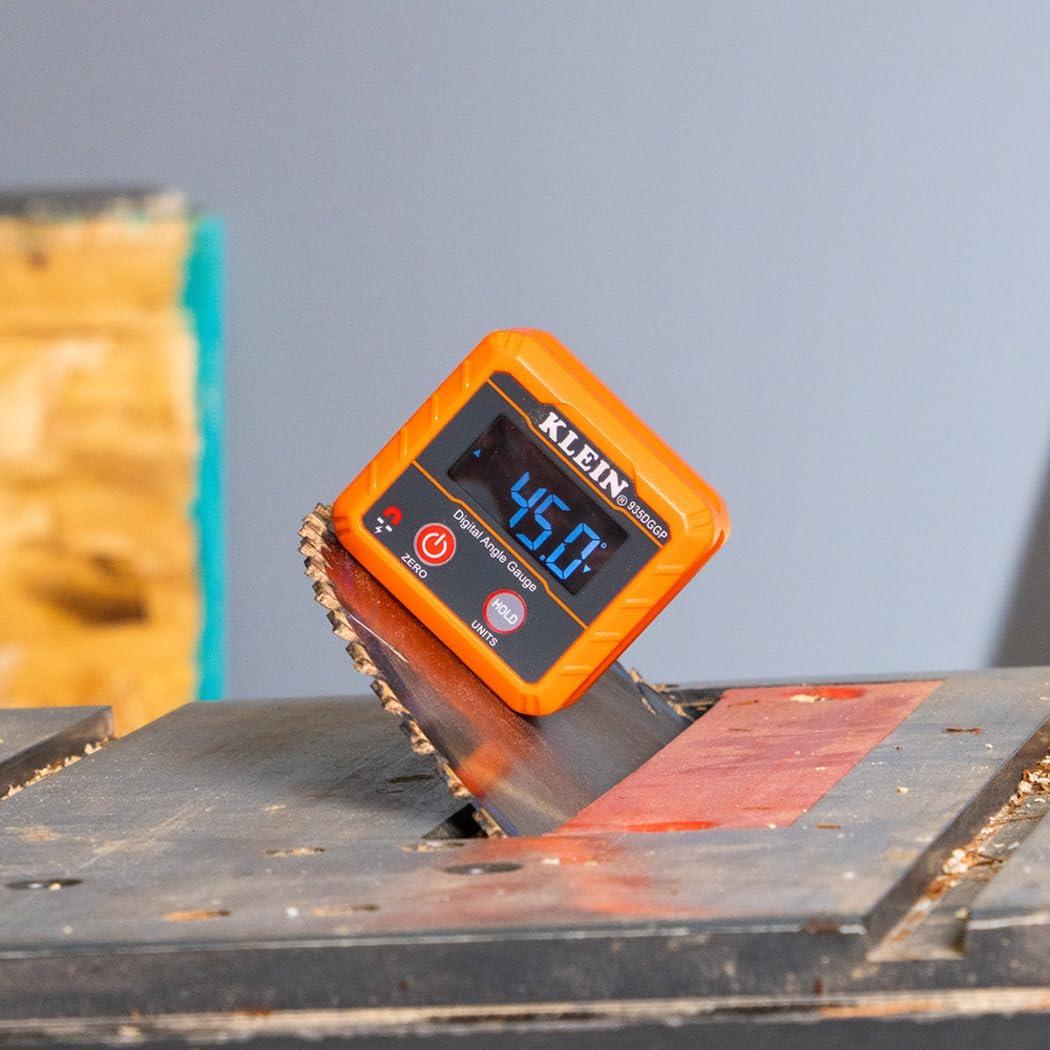
Klein 935DGGP: My Go-To Digital Angle Gauge
after thirty years in the HVAC trade,I’ve learned that precision isn’t just about getting the job done—it’s about getting it done right the first time. Whether I’m running condensate lines that need proper pitch, leveling a mini-split head unit, or checking the angle on refrigerant piping to ensure oil return, having an accurate angle measurement tool isn’t optional. It’s essential. That’s why I decided to put the Klein Tools 935DGGP Digital Angle finder through its paces in real-world HVAC applications.
I’ve carried bubble levels, protractors, and cheap digital gauges that died after one summer in an attic. When Klein—a name I’ve trusted sence my apprentice days—released this magnetic digital angle finder, I was curious whether it could handle the demanding environments we work in daily. From crawlspaces where you’re working upside-down to dusty attics where visibility is terrible, HVAC work tests every tool you own.A condensate line pitched at ¼ inch per foot prevents callbacks. A properly angled outdoor unit pad ensures drainage. A mini-split line set with correct slope protects the compressor. These aren’t suggestions—they’re requirements.
In this review, I’m breaking down how the Klein 935DGGP performs where it matters: on ductwork, refrigerant lines, drainage piping, and equipment leveling. I’ll cover whether that magnetic base actually holds on greasy sheet metal, if the display remains readable in a dark mechanical room, and whether the IP42 rating stands up to the moisture and debris we encounter daily. No marketing fluff—just what works, what doesn’t, and whether this tool earns a spot in your bag.
klein Tools 935DGGP Digital Angle finder: A Tool That Actually Earns Its Place in my Truck

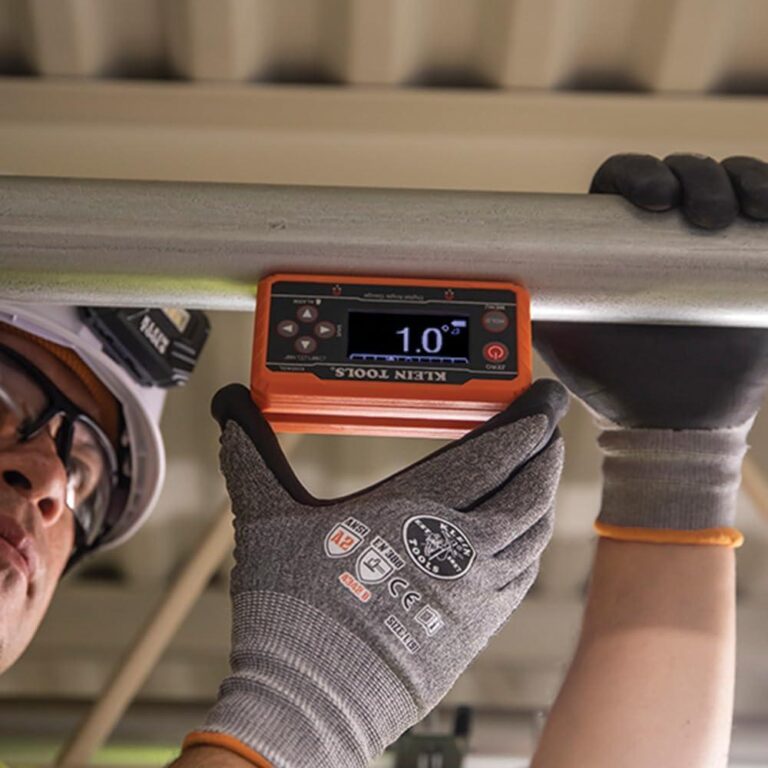
I’ve gone through plenty of angle finders over the years, and most end up collecting dust after the novelty wears off. This klein unit is different. The strong magnetic base is what sold me first—it actually holds firm on linesets, condensate piping, and ductwork without sliding around while I’m trying to get a reading.When you’re installing a mini-split and need to verify the lineset pitch for proper oil return, or checking the slope on a condensate drain to prevent water backup, having both hands free is critical. The V-groove edges make it dead simple to align on round surfaces like refrigerant lines and flue pipes, which is where I use it most. The display is luminous enough to read in a cramped attic or mechanical room, and it auto-rotates when upside-down, so I’m not craning my neck to see if my drain line actually has the quarter-inch-per-foot slope it needs. The ability to switch between degrees, percent grade, and in/ft on the fly means I’m not doing mental math in a hot attic—just set it, read it, move on.
durability matters when you’re crawling through tight spaces and dealing with the kind of environments HVAC work throws at you. The IP42 water and dust resistance has held up well; I’ve had this thing covered in attic insulation dust, condensation from working near evaporator coils, and it keeps working. It’s not going to survive a drop into a bucket of water, but it handles the everyday abuse of being tossed in a toolbag between jobs. I use it regularly for setting the pitch on drain lines to prevent algae buildup and water overflow, verifying lineset angles on systems where refrigerant oil migration is a concern (especially on longer R-410A runs), and checking duct slope when routing flexible duct to optimize airflow and prevent sag. For the price point, it’s accurate enough for field work and has proven more reliable than the cheap no-name digital levels I used to burn through. If you’re tired of guessing or using inferior tools that don’t hold their position, this one justifies the investment.
| Feature | Specification |
|---|---|
| Measurement Modes | degrees, Percent Grade, In/Ft, mm/m |
| Magnetic Base | Strong ferromagnetic attachment |
| V-Groove Edges | Precision alignment on pipes and conduit |
| Display | High-contrast, auto-rotating |
| durability Rating | IP42 (water and dust resistant) |
| Primary HVAC Uses | Condensate drain pitch, lineset slope, duct alignment |
Why I Needed a Reliable Angle Finder for HVAC Work

After three decades working on residential and light commercial systems, I’ve learned that precise angles aren’t just for aesthetics—they’re critical for proper drainage in condensate lines, correct pitch on refrigerant linesets, and ensuring ductwork maintains optimal airflow without restriction. I’ve dealt with countless callbacks where a lineset installed without proper pitch caused oil migration issues in R-410A systems, or where a poorly angled condensate drain led to water damage and mold growth around high-efficiency furnaces. When you’re installing a 3-ton, 16 SEER split system with 30 feet of lineset running through an attic, even a slight deviation from the recommended quarter-inch-per-foot pitch can create performance problems that show up months later. I needed a tool that could give me accurate readings on pipes, ductwork, and metal studs without fumbling with bubble levels that shift every time I let go.
The magnetic base was the game-changer for me—it locks onto copper linesets,galvanized ductwork,and even the outdoor unit’s cabinet while I’m checking whether the condenser pad settled after installation. The V-groove edges make aligning on ¾-inch refrigerant lines incredibly easy, which is essential when you’re sweating joints and need to maintain proper pitch before brazing. I’ve used it to verify the angle on supply plenums to prevent airflow restriction, check the slope on drain pans in air handlers, and even ensure wall-mounted mini-split heads are level for proper condensate drainage. The IP42 rating means it survives the dusty attics and damp crawlspaces where I spend half my time,and the auto-rotating display saves me from craning my neck when working overhead. Being able to quickly convert between degrees and inches-per-foot is invaluable when following manufacturer specs that call for specific pitches on gas venting or PVC drain lines.
| Application | Recommended Angle/Pitch | Why It Matters |
|---|---|---|
| Condensate Drain Lines | ¼” per foot minimum | Prevents standing water and biological growth |
| refrigerant Linesets | ¼” per foot toward compressor | Ensures proper oil return in R-410A systems |
| Ductwork Runs | Level to 1° downward | Maintains static pressure and airflow efficiency |
| Outdoor Unit Pad | Level ±1° | Prevents compressor oil migration and noise |
How the Magnetic Base and Digital Display Make Ductwork Installations Faster

The magnetic base on this digital angle finder transforms how I approach ductwork installations, especially when I’m working solo on commercial runs where precise angles determine airflow efficiency. I’ve used it extensively on rectangular trunk lines and branch takeoffs, and the magnet grips firmly to galvanized sheet metal without sliding—even when I’m reaching into tight mechanical rooms or positioning registers at awkward angles. The V-groove edges are what really set this tool apart for duct alignment; they cradle round pipe perfectly when I’m setting offsets or calculating the exact angle needed to maintain proper CFM distribution through a zoning system. when you’re installing a multi-zone system with varying supply runs, even a few degrees off can create pressure imbalances that affect the SEER rating you promised the customer. The hands-free operation means I can hold the duct section steady, check my angle, and adjust without fumbling for a protractor or eyeballing measurements that’ll haunt me during the final airflow test.
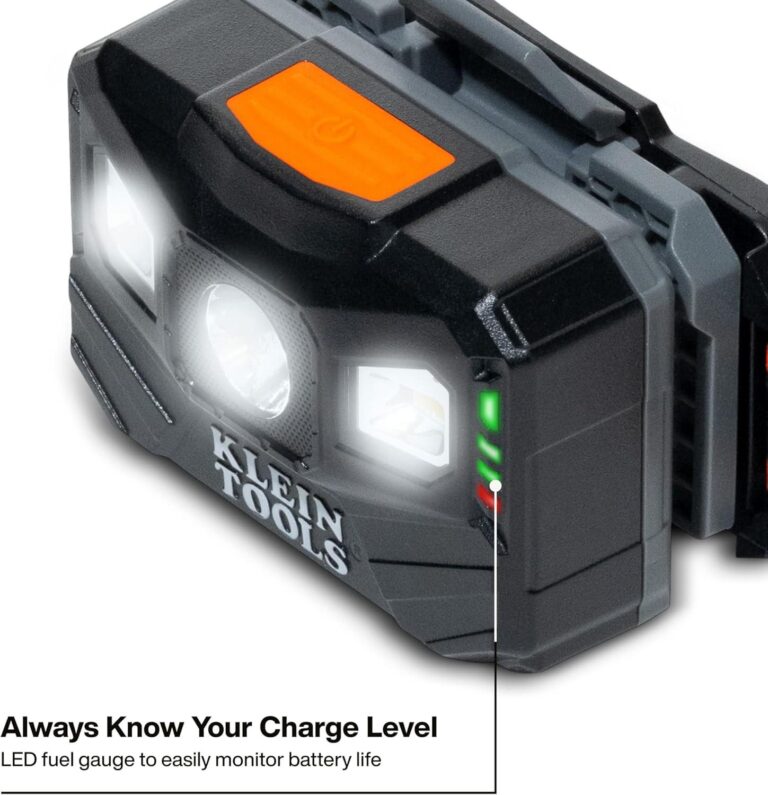
The high-contrast digital display has saved me countless trips back to the van for a headlamp, notably in unfinished basements or attic installations where I’m routing returns for new heat pump systems. The auto-rotating screen is genuinely useful—when you’re upside-down in a crawlspace verifying the pitch on a condensate drain line or setting the slope on refrigerant lines for proper oil return, you don’t want to crane your neck just to read a measurement. I appreciate the IP42 rating because HVAC work isn’t clean; between insulation dust, metal shavings from cutting duct, and the occasional refrigerant mist during brazing prep, tools take abuse. The rapid conversion between degrees and in/ft is practical when matching ductwork angles to architectural plans or explaining pitch requirements to apprentices who think “close enough” works for vertical risers on a 5-ton system.
| Feature | HVAC Application Benefit |
|---|---|
| Strong Magnetic Base | Secures to ductwork, conduit, and sheet metal for hands-free angle verification during installations |
| V-Groove edges | Precisely aligns on round refrigerant lines and circular duct for accurate offset measurements |
| Auto-Rotating Display | Readable from any position when working in tight attics, crawlspaces, or behind air handlers |
| IP42 Dust/Water Resistance | withstands typical job site conditions including metal debris and occasional moisture exposure |
| Multiple Unit Conversion | Switches between degrees and in/ft for condensate drain pitch and refrigerant line slope calculations |
Check Current price on Amazon
The Measurement Conversion Features That Save Me Time on Every Job

The instant conversion between degrees, percent grade, mm/m, and in/ft eliminates the mental math and guesswork that used to slow me down on installation days. when I’m setting the proper pitch on condensate drain lines—typically requiring that critical 1/4 inch per foot slope to prevent standing water and algae buildup—I just toggle to in/ft mode and get confirmation in seconds. the same goes for establishing the correct angle on refrigerant lines when running copper through tight attic spaces or ensuring ductwork maintains optimal slope for proper airflow and drainage. I’ve used this on everything from residential split systems with 410A refrigerant to larger commercial installs requiring precise line set angles, and having multiple unit options at my fingertips means I can match whatever specs the engineer called out without pulling up conversion charts on my phone. The V-groove edges align perfectly on 3/4-inch to 1-inch copper lines, giving me stable, repeatable readings even when I’m working alone on ladder work where condensate pans need exact leveling for proper drainage.
| Conversion Mode | Typical HVAC Application | Time Saved vs. Manual Calculation |
|---|---|---|
| Degrees (0-360°) | Ductwork angles, supply/return plenum alignment | ~45 seconds per measurement |
| In/Ft | Condensate drain pitch, refrigerant line slope | ~60 seconds per measurement |
| Percent Grade | Outdoor unit pad leveling, roof-mounted equipment | ~30 seconds per measurement |
| mm/m | International equipment specs, commercial documentation | ~90 seconds per measurement |
What really impressed me is how the auto-rotating display works when I’m checking angles on the underside of ductwork or verifying that mini-split line sets maintain proper rise for oil return in heat pump systems. I don’t have to crane my neck or mentally flip the numbers—the display does it automatically. The magnetic base grips tight to sheet metal duct,steel studs,and even the chassis of air handlers,staying put while I’m adjusting dampers or confirming that supply boots are angled correctly for maximum throw and proper air distribution. On a recent 4-ton 16 SEER heat pump install,I used the degree mode to match the exact angle called out for the drain pan (which prevents premature failure and water damage),then switched to in/ft to verify my 15-foot condensate run maintained proper pitch all the way to the termination point. Jobs that used to require a torpedo level, protractor, and calculator now get done with one tool that fits in my pouch and delivers readings I can trust in any lighting condition thanks to that high-contrast display.
Check Current Price on Amazon
How This Tool Holds Up After Six Months of Daily use in the Field

After half a year of constant use, this digital angle finder has proven itself indispensable for tasks I perform daily. The magnetic base hasn’t weakened despite being slapped onto everything from refrigerant lines to sheet metal ductwork, and the V-groove edges make aligning on round surfaces like copper linesets second nature when setting the proper pitch for condensate drains. I’ve used it countless times when installing mini-splits to ensure the indoor unit maintains that critical 1-2 degree tilt toward the drain connection, and it’s been equally reliable when checking the slope on horizontal duct runs where airflow efficiency depends on proper grading. The IP42 water and dust resistance has held up in attics thick with insulation dust and crawlspaces where condensation drips are unavoidable. Battery life remains solid—I’m still on the original set after six months of field work.
What separates this tool from cheaper options is its consistency in harsh conditions.I’ve verified condenser pad leveling on everything from 18,000 BTU residential units to commercial rooftop packages, and the display’s auto-rotate feature means I can read measurements whether I’m flat on my back under a furnace or standing on a ladder checking vent termination angles. The unit conversion between degrees and in/ft pitch has streamlined my workflow when setting drain lines—no more mental math to ensure proper drainage for high-efficiency condensing units that generate notable condensate. The high-contrast display remains visible even in dimly lit mechanical rooms and unfinished basements where I’m often working. Here’s how it stacks up for common HVAC applications:
| Application | Performance After 6 Months | Field Notes |
|---|---|---|
| Condensate Line Pitch | Excellent | Maintains accuracy; V-groove locks onto 3/4″ PVC perfectly |
| Mini-Split Mounting | Excellent | Magnetic base holds on wall brackets during single-person installs |
| Ductwork Slope Verification | Very Good | Quick reads on galvanized steel; display visibility strong in attics |
| Outdoor Unit Leveling | Excellent | faster than bubble levels; precise enough for compressor longevity |
| Durability in Harsh Environments | Very Good | Some cosmetic wear but zero functional issues; still water-resistant |
Check Current Price and Availability
Elevate Your Lifestyle

The Bottom line from a Pro
Look, I’ve been in this trade long enough to know that the tools in your bag matter just as much as the knowledge in your head. The Klein 935DGGP isn’t just some fancy gadget—it’s a precision instrument that helps you get angles right the first time. And in HVAC work, getting it right the first time isn’t just about saving your own time and reputation; it’s about delivering comfort, efficiency, and reliability to the families counting on you.
When you install ductwork at the proper slope, condensate drains correctly. When you mount equipment at the right angle, it operates as engineered. When you measure accurately, you don’t come back for callbacks. All of that translates directly to lower energy bills for your customers, better indoor air quality, and systems that last the way they’re supposed to. That’s the real impact of choosing quality tools that give you accurate, repeatable measurements every single time.
I’ve trusted this gauge on job after job, and it hasn’t let me down. The magnetic base, the clear display, the rugged build—it all adds up to a tool that earns its spot in your kit. If you’re serious about your craft and serious about delivering professional results, you already know what the right choice is here.
don’t second-guess yourself. Grab the Klein 935DGGP, put it to work, and experience the difference that real precision makes.