how to purchase a furnace and hvac system?
As the chill of winter sets in or the swelter of summer looms on the horizon, the importance of a reliable heating, ventilation, and air conditioning (HVAC) system becomes undeniably clear. Whether you’re renovating an older home, building a new one, or simply looking to upgrade your current setup, the process of purchasing a furnace and HVAC system can feel overwhelming. With a myriad of options available in terms of brands, features, and energy efficiency ratings, making an informed decision is crucial. This guide aims to demystify the path to finding the perfect HVAC solution for your home, empowering you with the knowledge to navigate the market with confidence. Join us as we explore the essential considerations, key components, and steps to effectively purchase a furnace and HVAC system that will keep you comfortable all year round.
Understanding Your Heating Needs
Before diving into the purchase of a new furnace or HVAC system, it’s essential to assess your specific heating requirements. Consider the size of your home, your local climate, and your existing insulation. A system that’s too small will struggle to heat your space effectively, while one that’s too large can lead to inefficiency and unnecessary costs. Key factors to evaluate include:
- Home Size: Measure the square footage of your living space to determine the capacity needed.
- Insulation Quality: Inspect your insulation to gauge how well your home retains heat.
- Number of Stories: Multi-level homes may require zoned heating systems for optimal comfort.
- Local Climate: Analyze your region’s winter temperatures to make informed decisions on heating power.
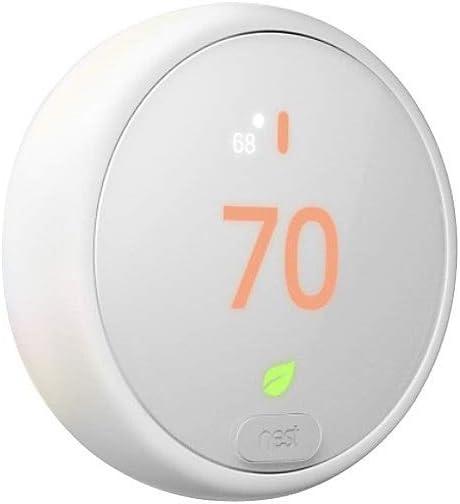
Keeping these factors in mind will guide you toward choosing the right model. Additionally, assessing your lifestyle can lead to more personalized options. For example, if you have a busy schedule, you might want to consider systems with programmable thermostats or smart home compatibility. Use the following table to compare different heating systems based on efficiency and features:
| System Type | Efficiency Rating (AFUE) | Smart Features |
|---|---|---|
| Gas Furnace | 90%+ | Yes |
| Electrical Heat Pump | 8.5 HSPF | Yes |
| Oil Furnace | 85%+ | No |
| Hybrid System | Variable | Yes |

Exploring Different Types of Furnaces and HVAC Systems
When diving into the world of heating and cooling solutions, understanding the array of furnace and HVAC systems available can significantly impact your purchasing decision. There’s a variety of furnace types to consider, from gas and oil furnaces to electric ones. Each type operates differently, offering distinct advantages:
- Gas Furnaces: Known for their efficiency and lower operational costs.
- Oil Furnaces: Typically used in areas with limited gas supply, providing reliable warmth.
- Electric Furnaces: Ideal for smaller homes or as a supplemental heating source, though generally more expensive to run.
In addition to traditional furnaces, modern HVAC systems provide a comprehensive approach to indoor climate control. Options like central air conditioning, heat pumps, and ductless mini-splits have become popular for their effectiveness and versatility. Below is a comparative overview to help you weigh the choices:
| System Type | Benefits | Considerations |
|---|---|---|
| Central Air Conditioning | Distributes cool air effectively throughout the home. | Requires ductwork; installation can be costly. |
| Heat Pumps | Energy-efficient; provides both heating and cooling. | Less effective in extreme cold without supplemental heating. |
| Ductless Mini-Splits | Flexible installation; zoned comfort control. | Higher initial cost; requires proper placement for efficiency. |

Evaluating Energy Efficiency and Costs
When considering the purchase of a furnace and HVAC system, it’s imperative to evaluate both energy efficiency and costs. Energy efficiency ratings, such as AFUE (Annual Fuel Utilization Efficiency) for furnaces and SEER (Seasonal Energy Efficiency Ratio) for air conditioning units, provide a clear indication of how effectively these systems convert fuel into heat or electricity into cooling. High-efficiency models may have a higher upfront cost but can lead to significant savings on energy bills in the long term. Be sure to check for available tax credits or rebates related to energy-efficient systems, as these can offset initial expenses significantly.
Cost comparison is another crucial element in the decision-making process. Consider both the purchase price and the operational costs associated with each system. Below is a simple overview of the factors to assess:
| Factor | Low Efficiency | High Efficiency |
|---|---|---|
| Initial Cost | Lower | Higher |
| Energy Bills | Higher | Lower |
| Maintenance | Frequent | Less Frequent |
| Longevity | Shorter Lifespan | Longer Lifespan |
By weighing these factors carefully, you can make a more informed decision that balances both the immediate budget and the long-term investment in your home’s comfort and energy consumption.

Guidelines for Selecting the Right Contractor
Choosing the right contractor for your furnace and HVAC system installation is crucial to ensure a smooth and efficient process. Start your selection by researching potential candidates thoroughly. Ask for recommendations from friends, family, or online forums. Compile a list of contractors and look for the following:
- Licensing and Insurance: Ensure the contractor is licensed and has liability insurance.
- Experience: Evaluate how long they have been in business and their track record with similar projects.
- References: Request references or read customer reviews to gauge their satisfaction.
Once you have a shortlist, schedule in-home consultations to discuss your specific needs. During these visits, pay attention to their communication skills and professionalism. Additionally, request detailed estimates from each contractor to compare not only costs but also the scope of work proposed. When reviewing estimates, consider the following criteria:
- Equipment Brands: Evaluate the quality and warranties of the equipment being offered.
- Energy Efficiency: Discuss options that maximize energy savings in line with your budget.
- Timeline: Understand the estimated project duration and potential disruptions to your home.
Q&A
Q&A: How to Purchase a Furnace and HVAC System
Q1: Why is it important to choose the right furnace and HVAC system?
A1: Selecting the right furnace and HVAC system is crucial because these components determine your home’s comfort, energy efficiency, and overall air quality. A mismatched or outdated system can lead to high energy bills, inadequate heating or cooling, and even costly repairs down the road.
Q2: What should I consider before purchasing a new system?
A2: Start with your home’s size and layout—different systems are designed for different space requirements. Evaluate your existing ductwork, insulation, and even your local climate. Budget is also key; consider both the upfront costs and long-term energy savings. Lastly, think about your specific heating and cooling needs, including any areas that may require additional climate control.
Q3: How do I know what size furnace and HVAC system I need?
A3: To determine the appropriate size, you can consult a professional for a load calculation, which assesses your home’s specific requirements. A system that’s too small will struggle to maintain comfort, while one that’s too large will cycle on and off too frequently, leading to inefficiency and wear. Aim for a balanced solution tailored to your space.
Q4: Should I choose a gas, electric, or oil furnace?
A4: The decision between gas, electric, and oil furnaces depends on factors like energy availability, cost, and personal preference. Gas tends to provide efficient and effective heating, while electric can be more convenient and easier to install in some settings. Oil is less common but can be a strong choice in certain regions. Evaluate your local energy prices and the environmental impact to make an informed choice.
Q5: How important is the brand of the furnace and HVAC system?
A5: Brand reputation can indicate reliability and quality, but it’s essential to consider that installation and upkeep are equally, if not more, essential for performance. Research brands with good warranties and positive customer reviews. However, prioritize a trusted contractor to ensure that your system is installed correctly.
Q6: What role do energy efficiency ratings play in my decision?
A6: Energy efficiency ratings, like SEER for air conditioning and AFUE for furnaces, help you gauge how effectively a system uses energy. Higher ratings typically lead to lower utility bills and a reduced carbon footprint. While energy-efficient models may require a higher initial investment, they often pay off in savings over their lifespan.
Q7: Is it necessary to have a professional install my HVAC system?
A7: Yes! Hiring a professional ensures that your furnace and HVAC system are installed correctly, as improper installation can void warranties and lead to inefficiencies or safety issues. Additionally, professionals can offer insights into system maintenance and optimize your setup for maximum comfort.
Q8: How can I finance my new furnace and HVAC system?
A8: There are several financing options available, including personal loans, home equity lines of credit, or financing programs offered by HVAC companies. Many manufacturers also have special promotions or rebates. It’s wise to compare different financing solutions to find the best fit for your budget and financial situation.
Q9: What warranties or service plans should I look for?
A9: Warranties vary by manufacturer and typically cover parts, while labor warranties often depend on the contractor. Look for comprehensive coverage for both, ideally lasting 5-10 years for parts and longer for the compressor in air conditioning units. Additionally, consider service plans that include regular maintenance and priority service to keep your system in top shape.
Q10: When is the best time to purchase a new furnace and HVAC system?
A10: Ideally, the best time to purchase is during the shoulder seasons—spring and fall. During these times, demand is lower, and you’re more likely to find discounts or promotional offers. However, if you experience a breakdown during peak seasons, prioritize getting your system replaced as soon as possible to ensure your comfort.
—
By considering these questions and answers, you’ll be well on your way to making an informed decision about purchasing a furnace and HVAC system that best meets your home’s needs. Happy shopping!
The Conclusion
As you embark on the journey of purchasing a furnace and HVAC system, remember that informed decisions are the cornerstone of a comfortable home. By considering factors such as efficiency, size, and your unique heating and cooling needs, you pave the way for a purchase that will serve you well for years to come. Take the time to research various brands, read reviews, and consult with professionals to ensure you find a system that not only fits your budget but also elevates your living experience.
In a world where comfort is paramount, your furnace and HVAC system are key players in creating a haven from the elements. With thoughtful preparation and a clear understanding of your requirements, you’ll be better equipped to choose a system that harmonizes with your home. As you take these steps, know that a cozy, climate-controlled sanctuary awaits at the end of your investment. Armed with the right knowledge, you’re not just buying a product—you’re making a long-term commitment to your comfort and well-being. Happy shopping!