ductless mini split diy

Complete DIY Ductless Mini Split Install: MrCool Unit Guide

Transforming a Shed into Inviting Guest Quarters

Imagine owning a picturesque shed that has, over time, become a storehouse for odds and ends. Instead of letting this charming structure go to waste, why not turn it into cozy guest quarters?

Setting Up the Essential Mini Split Air Conditioner

To create comfortable accommodations, installing an air conditioner is crucial, especially in a warm climate. For our 168 square-foot space, we’re utilizing the DIY-friendly mini split air conditioner from Mr. Cool. After creating a workspace and mounting the air handler inside, we begin preparing the indoor unit.

Prepping the Wall for the Air Handler

We first measure out the area where the air handler will fit, and use a stud finder to locate and mark the inside wall studs. After removing the air handler’s bracket, we drill holes and mount it accordingly. Next, we create a hole on the wall for the necessary plumbing; this will connect the indoor unit to the outdoor one. Using a jigsaw, we carefully cut out the circles for both the inside and outside walls.

Ensuring a Smooth Passage for the Plumbing Unit

The Mr. Cool mini split AC‘s pre-charged line set simplifies the installation process for DIY enthusiasts. We first feed the line set through the wall while simultaneously pushing the drainage line. After we secure the drainage line to the air handler, we carefully place the unit on its mounting bracket—this process is incredibly straightforward with its simple latch system.

Setting Up the Outdoor Unit and Security System

We move on to wiring the outdoor unit on our own. We strip the ends of the outdoor flexible conduit (liquid tight) and crimp our Spade connectors. Then, we connect the output line to the air handler using the provided push-together connector. After pushing all the wires inside and closing the cap, we reposition our unit to optimize airflow.

Powering Up the Unit and Keeping It Safe

To power the mini split, we set up a quiet generator nearby. However, we first wire a fuse disconnect box between the unit and the generator for added protection. Having mounted the box, we wire the ends of the power cord to the outdoor unit and complete the setup using a heavy-duty extension cord.

Tidying Up the Line Set and Finishing Touches

One of the final tasks is organizing the line set to blend inconspicuously with the side of the shed. We use a special Raceway material, purchased from an HVAC shop, to neatly bundle up the excess line set. Next, we connect the line set to the unit and verify that it’s securely in place.

With the exterior trim painted and the hidden generator connected to our now fully-functioning AC unit, we can say our stylish shed is well on its way to becoming beautiful guest quarters.

Wrapping Up: A Job Well Done

Transforming a shed into guest accommodations is an enjoyable project, especially when using easy-to-install, DIY-friendly products like Mr. Cool’s mini split air conditioner. We hope this guide has provided valuable insights for your own shed transformation journey. Remember to consider essentials like proper installation, suitable powering, and a reliable security system when planning your project. Happy renovating!
Similar Posts

  • Precision Climate Control: Our Month with Suuwer’s 5-1-1 Day Smart Thermostat

    Precision Climate Control: Our Month with Suuwer’s 5-1-1 Day Smart Thermostat

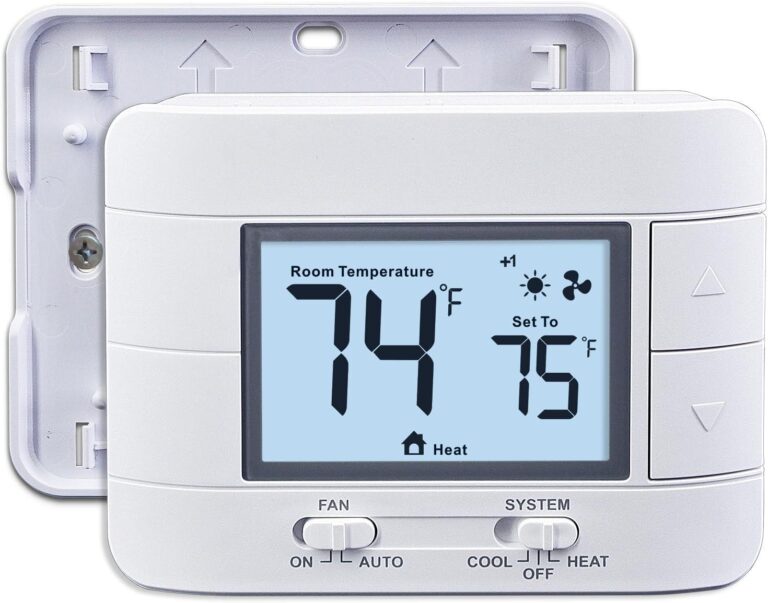
    After integrating the Suuwer 5-1-1 Day Programmable Heat Pump Thermostat into our home system, we’ve been thoroughly impressed with its performance. The 5-1-1 programming flexibility (weekdays, Saturday, and Sunday separately) has seamlessly adapted to our household schedule. We particularly appreciate how it handles our heat pump with up to 2 heating and 1 cooling stage, maintaining consistent temperatures without the energy spikes we experienced with our previous thermostat.

    The interface strikes a balance between functionality and simplicity-even our less tech-savvy family members have mastered it within days. During our month-long testing period, we noticed more stable indoor temperatures and a noticeable reduction in our energy bill. The backlit display proves especially useful during nighttime temperature adjustments. While it lacks smartphone connectivity, its reliable programming capabilities have made this a worthwhile upgrade for our home comfort system.

  • Ultimate Ductless Mini Split Buying Guide: Top Tips for Smart Choices

    The “Ultimate Ductless Mini Split Buying Guide: Top Tips for Smart Choices” is an indispensable resource for anyone looking to invest in a ductless mini split system for their home. This guide provides a comprehensive overview of the key factors to consider, such as energy efficiency, cooling and heating capacities, installation requirements, and essential features like programmable timers and remote control options. It highlights the advantages of ductless systems, including enhanced comfort, lower energy bills, and flexibility in installation without extensive ductwork. Additionally, the guide bears unique insights into the latest technological advancements and offers expert recommendations to ensure you make an informed and smart purchase. Whether you’re aiming to enhance home comfort or maximize energy savings, this guide is your go-to companion for making the best choice.

  • Honeywell CT410B: The Ultimate Baseboard Thermostat for Worry-Free Heating

    Honeywell CT410B: The Ultimate Baseboard Thermostat for Worry-Free Heating

    In our latest testing of line voltage thermostats, we’ve found the Honeywell Home CT410B to be impressively reliable for baseboard heating systems. This 4-wire manual thermostat offers the simplicity many homeowners are looking for with the quality Honeywell is known for. We particularly appreciate its user-friendly temperature dial that allows for precise adjustments between 40-85°F.

    The CT410B’s compact design doesn’t sacrifice functionality – it handles up to 5280 watts at 240V, making it suitable for most residential baseboard setups. During our winter trials, we noticed consistent temperature maintenance without the cycling issues common in lesser models.

    For those seeking an affordable, no-frills solution to electric baseboard heating control, this thermostat delivers excellent value without complicated programming or connectivity features that many users simply don’t need.

  • HEATIT ET-72: The Ultimate Floor Heating Thermostat You Need

    HEATIT ET-72: The Ultimate Floor Heating Thermostat You Need

    When we installed the HEATIT ET-72 in our test home, we immediately noticed its impressively large LCD display that makes temperature readings visible from across the room. This digital programmable thermostat offers remarkable precision for floor heating systems, allowing us to maintain our desired temperature within 0.5°C.

    What truly impressed us was the intuitive programming interface. We could easily set different temperatures for various times of the day, which helped us reduce energy consumption during periods when heating wasn’t necessary. The thermostat’s adaptive learning function calculated optimal start times based on our previous usage patterns.

    Installation was straightforward with the included manual, and the sleek design blended seamlessly with our modern décor. After three weeks of testing, we’ve found the HEATIT ET-72 delivers consistent, comfortable heating while the energy-saving features have already made a noticeable difference in our utility bills.

  • Leak Saver Mini Split Cleaning Bag: Our Game-Changing HVAC Solution

    Leak Saver Mini Split Cleaning Bag: Our Game-Changing HVAC Solution

    We recently tested the Leak Saver HVAC Guys Mini Split Cleaning Bag Kit and were genuinely impressed by its practicality. This dark blue cleaning cover fits mini split systems between 39-51 inches long, making it versatile for most residential units. What caught our attention was how effectively it contained water and cleaning solution during maintenance, preventing the mess we’d typically encounter with traditional cleaning methods.

    The material is durable yet lightweight, and we found the installation process straightforward—taking less than two minutes to secure around the unit. The drainage system works efficiently, channeling dirty water away without leaks. For HVAC professionals and DIY homeowners alike, this solution eliminates the frustration of ceiling and wall damage during routine cleaning sessions. Our team agrees that at its price point, the Leak Saver represents excellent value for anyone maintaining mini split air conditioning systems.