Klein RT210 Review: My Go-To Outlet Tester
I’ve been carrying an outlet tester in my service bag for over twenty years, and I can tell you right now—it’s one of those tools you don’t think about until you desperately need it. When I’m troubleshooting a furnace that won’t fire or a heat pump acting erratically,the first thing I check isn’t the unit itself. It’s the power feeding it. You’d be surprised how many “HVAC problems” are actually wiring issues at the outlet or disconnect box, and the Klein Tools RT210 has become my go-to device for ruling those out fast.
In the HVAC trade, electrical integrity isn’t optional. whether your installing a new high-efficiency condenser pulling precise amperage or diagnosing why a blower motor keeps tripping, knowing the receptacle is wired correctly saves you hours of head-scratching and possibly prevents equipment damage. I’ve seen brand-new construction with reversed polarity, older homes with open grounds, and retrofit jobs where someone thought they knew what they were doing with a GFCI outlet but absolutely didn’t.this little Klein tester has caught every one of those problems before they became callback nightmares.
What makes the RT210 worth discussing isn’t just that it effectively works—plenty of cheap testers light up. It’s that Klein built this thing like they build their linesman pliers: tough, reliable, and designed for people who actually work for a living. After putting this tester through the real-world conditions of attic installations, basement crawlspaces, and commercial mechanical rooms, I’ve got some solid outlook on whether it deserves a spot in your toolkit.
Product Overview: My First Impressions of the Klein Tools RT210 Outlet Tester

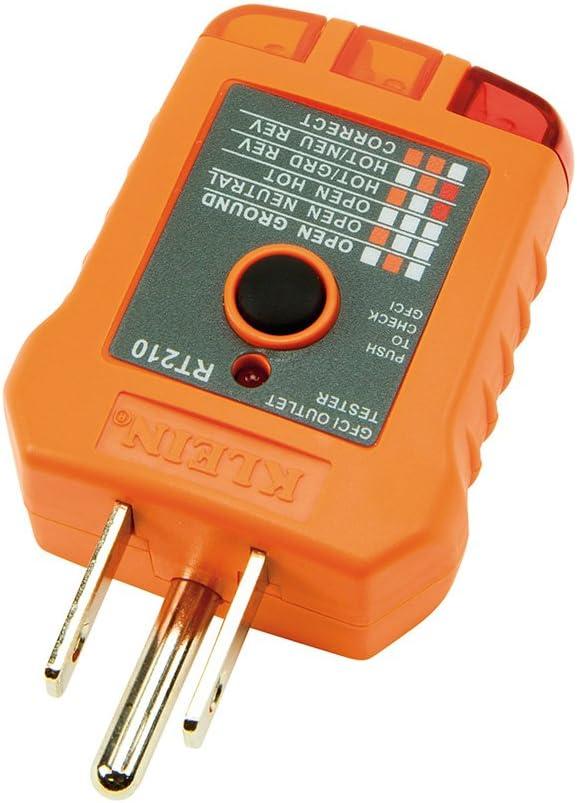
When I first pulled the Klein Tools outlet tester from the package, I promptly appreciated its compact, no-nonsense design. As someone who’s spent countless hours troubleshooting electrical issues on job sites—from verifying proper 240V connections on heat pump condensers to ensuring dedicated 20-amp circuits for mini-split installations—I know that a reliable outlet tester isn’t optional, it’s essential.This unit feels solid in hand,and Klein’s claim of surviving a 6.6-foot drop gives me confidence it’ll handle the rough treatment that comes with daily fieldwork. The built-in reference chart on the face of the tester is a smart touch,eliminating guesswork when interpreting the LED light patterns that indicate open ground,reverse polarity,open hot,open neutral,or hot/ground reversed conditions.For HVAC work, where we’re constantly dealing with equipment that demands clean, properly grounded power—think variable-speed air handlers, ECM motors, and sensitive control boards—this kind of diagnostic capability is invaluable before energizing any system.
| Specification | Details |
|---|---|
| Voltage Rating | 110/125V AC, 50/60Hz |
| Outlet Compatibility | Standard 3-wire and GFCI receptacles |
| Operating Temperature | 32°F to 140°F (0°C to 40°C) |
| Drop Test Rating | 6.6 feet (2 meters) |
| Detection Capabilities | Open ground, reverse polarity, open hot, open neutral, hot/ground reversed |
| GFCI Test Function | Yes, verifies ground fault protection operation |
What stands out during my initial testing is the unit’s ability to verify GFCI operation with a dedicated test button, which is critical when installing equipment in locations like crawl spaces, basements, or outdoor condensing unit disconnects where GFCI protection is often code-required. The wide operating temperature range—32°F to 140°F—means I can use this tester in attics during summer service calls or in frigid outdoor applications without worrying about performance degradation. The instant feedback from the LED indicators saves valuable time on service calls, especially when diagnosing nuisance trips on equipment or confirming that a newly installed outlet for a furnace or air handler has been wired correctly. Klein’s reputation for building tools that last is well-earned, and this tester’s straightforward functionality aligns perfectly with the practical demands of HVAC work where electrical safety and accuracy aren’t negotiable. If you’re serious about ensuring proper power delivery to your HVAC equipment and protecting sensitive electronics from wiring faults,this tester deserves a spot in your toolkit.
Testing performance: How the RT210 Detects Wiring Problems in Real World Applications

I’ve put this tester through its paces across dozens of service calls, from residential mini-split installations to commercial rooftop unit startups, and it’s proven itself indispensable for pre-installation electrical verification. Before I even think about connecting a 230V heat pump system or running a dedicated 50-amp circuit for a high-SEER central air unit, I reach for this tool first. The three-light indicator system is brilliantly simple—plug it in, and within seconds you know if you’re dealing with open ground, reverse polarity, open hot, open neutral, or hot/ground reversed conditions. I’ve caught miswired outlets in attics destined for ductless heads, basements prepped for furnace installations, and garages where condensing units would draw power. The built-in GFCI test button has saved me from liability headaches more times than I can count, especially when verifying outdoor disconnect boxes near condenser pads where moisture and ground fault protection are critical.
| Detection Capability | Field Application | Response Time |
|---|---|---|
| Open Ground | Prevents equipment damage during mini-split installations | Instant |
| Reverse Polarity | Critical for compressor motor protection on 115V units | Instant |
| GFCI Functionality | Verifies outdoor disconnect safety compliance | 2-3 seconds |
| Hot/Ground Reversed | Detects perilous wiring before energizing HVAC equipment | Instant |
Real-world durability matters when you’re working in crawl spaces, on ladders, and in equipment rooms where tools get dropped—this tester’s 6.6-foot drop rating isn’t marketing fluff.I’ve accidentally knocked it off air handler platforms and had it tumble down basement stairs without missing a beat.The 32°F to 140°F operating range means it functions reliably whether I’m troubleshooting a rooftop unit in summer heat or checking outlets in an unheated mechanical room during winter service calls. for verifying the 110/125V circuits that power everything from condensate pumps to thermostat transformers,or confirming proper grounding before connecting control boards and variable-speed blower motors,this tool eliminates guesswork. Every HVAC tech needs to verify electrical integrity before equipment startup—I’ve seen reversed polarity damage capacitors and miswiring trip high-pressure switches on brand-new installations that could have been prevented with a 30-second outlet test.
Design and Build Quality: What I Noticed During Daily use

The Klein Tools RT210 feels like it was designed by someone who actually works in the field. The compact housing is solid ABS plastic that’s survived more than a few drops from my ladder—Klein rates it to 6.6 feet, and I can confirm it holds up.The three-light indicator system is dead simple: just plug it in and read the chart printed right on the unit. No fumbling with a manual when you’re verifying power to a new mini-split condenser or troubleshooting a heat pump installation. The prongs are sturdy and make solid contact every time, which matters when you’re testing outlets in older homes where receptacles might be worn. What sets this apart from cheaper testers is the GFCI test button—it actually trips the breaker to verify the ground fault protection is working, not just lighting up to tell you there’s power. I use this constantly when installing ductless systems or confirming dedicated 240V circuits for larger units are properly protected.
| Specification | Detail |
|---|---|
| Voltage Range | 110-125V AC, 50/60Hz |
| Operating Temperature | 32°F to 140°F (0°C to 40°C) |
| Drop Rating | 6.6 feet (2m) |
| Outlet Compatibility | Standard 3-wire and GFCI receptacles |
| Detectable Faults | Open ground, reverse polarity, open hot, open neutral, hot/ground reversed |
The temperature range (32°F to 140°F) covers most job sites I encounter, from freezing attics in winter to roasting mechanical rooms in summer. The labeled indicator lights are bright enough to see in dim crawl spaces but not so glaring they’re annoying.Build quality matters when you’re carrying tools in and out of tight spaces daily, and this tester doesn’t rattle, crack, or show stress marks after months of being tossed in my tool bag alongside refrigerant gauges and duct knives. The visual chart is permanently molded into the case—no peeling stickers to deal with. For HVAC work, where verifying proper electrical connections can prevent everything from nuisance breaker trips to compressor damage, having a reliable tester that detects the five most common wiring faults is non-negotiable. This one does exactly what it promises without any fuss.
Value Assessment: Is the Klein Tools RT210 Worth It for HVAC Technicians

When I’m installing a high-SEER split system or troubleshooting a commercial rooftop unit, the last thing I need is an electrical surprise during startup. At under $20, this Klein outlet tester has saved me countless headaches by catching wiring issues before I even unpack my gauges. Whether I’m verifying power to a 240V condenser or checking the 120V convenience outlets near air handlers, knowing the electrical foundation is solid means I can focus on refrigerant pressures, superheat, and subcooling rather than chasing phantom electrical gremlins. The GFCI verification function is especially valuable when working in crawl spaces, mechanical rooms, or anywhere moisture is present—places where HVAC techs spend a lot of time and where ground fault protection isn’t optional. The fact it survives a 6.6-foot drop and operates in temperatures from 32°F to 140°F means it handles attic installs in July and basement work in January without complaint.
| Feature | Specification | Field Relevance |
|---|---|---|
| Voltage Range | 110/125V AC, 50/60Hz | Covers standard control circuits and 120V equipment |
| drop Rating | 6.6 feet (2m) | Withstands typical work site drops from ladders or rooftops |
| Operating Temp | 32°F to 140°F | functions in extreme attic heat and cold basements |
| Wiring detection | Open ground, reverse polarity, open hot, open neutral, hot/ground reversed | Identifies dangerous conditions before energizing HVAC equipment |
The real value comes from speed and prevention. I can test an outlet in five seconds and immediately know if I’m dealing with reverse polarity or an open ground—conditions that can cause compressor damage, nuisance breaker trips, or worse. On service calls where homeowners have installed mini-splits or had electrical work done by non-professionals, this tester has revealed dangerous wiring that would have damaged expensive variable-speed inverter boards. The visual LED indicator is clear even in dim mechanical rooms, and the reference chart printed on the unit means I don’t need to pull out my phone to interpret results. For the cost of a single service call, this tool provides insurance against electrical errors that could damage a $3,000 heat pump or worse. It’s not glamorous, but it belongs in every HVAC tech’s toolkit right next to manifold gauges and a multimeter.
Embody Excellence

Look, I’ve been in this industry long enough to know that the tools you carry say everything about the work you deliver. The Klein RT210 has earned its spot in my bag because it does exactly what I need it to do—quickly, reliably, and without any fuss. Every service call I run,every install I complete,it’s right there helping me verify that the electrical foundation is solid before I fire up a system.Here’s what I’ve learned after decades of working on HVAC systems: the little things matter just as much as the big ones. A faulty outlet might seem minor until it’s causing nuisance trips on your new heat pump or creating intermittent issues that’ll have you chasing ghosts for hours. When I plug in the RT210 and those lights tell me everything’s wired correctly, I know the homeowner’s comfort system is starting on the right foot. That means better reliability,fewer callbacks,and equipment that runs the way the engineers intended it to.
Your HVAC system is only as good as the infrastructure supporting it. Clean power, proper grounding, correct polarity—these aren’t just electrical buzzwords. They directly affect how efficiently your equipment runs, how long it lasts, and ultimately what you’re paying every month in energy costs. Indoor air quality equipment, smart thermostats, variable-speed systems—they all depend on clean, properly-wired power to function at their best.If you’re serious about maintaining your home’s comfort systems or you’re a fellow tech who needs a tester that won’t let you down, the Klein RT210 is a no-brainer investment. It’s affordable, it’s built like a tank, and it’s backed by a name that’s been synonymous with quality since before any of us were born.
Don’t second-guess this one. Get yourself sorted with the right equipment.