what is hvac
In the intricate dance of comfort within our homes and workplaces, few systems play a more vital role than HVAC—Heating, Ventilation, and Air Conditioning. Seamlessly blending technology with our everyday lives, HVAC systems are the unsung heroes that regulate temperature, ensure proper air quality, and maintain humidity levels, crafting a haven where we can thrive. But what exactly does HVAC encompass? Beyond its utilitarian purpose, this technology intertwines engineering and environmental considerations, reflecting the evolving standards of safety and efficiency in modern construction. Join us as we delve into the essentials of HVAC, unraveling its components, functions, and the significant impact it has on our living spaces and overall well-being.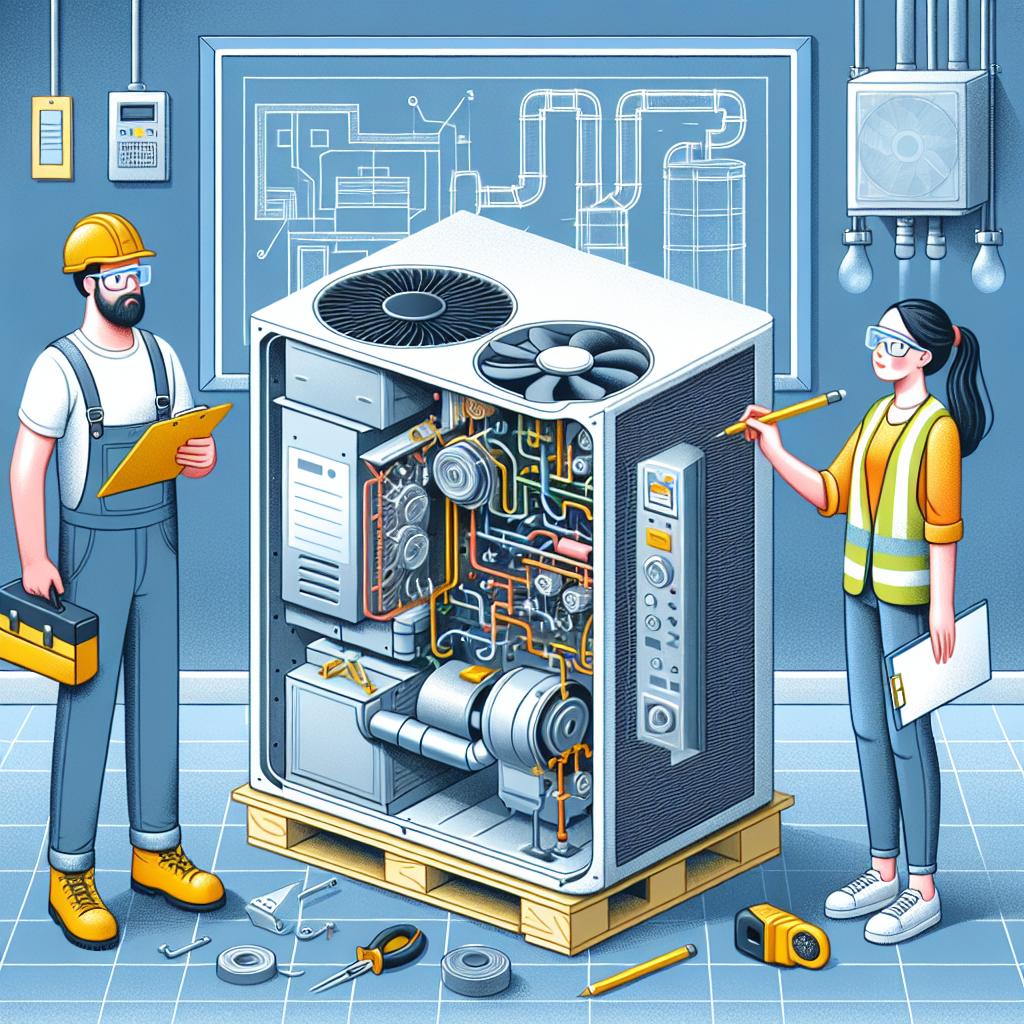
Understanding the Fundamentals of HVAC Systems
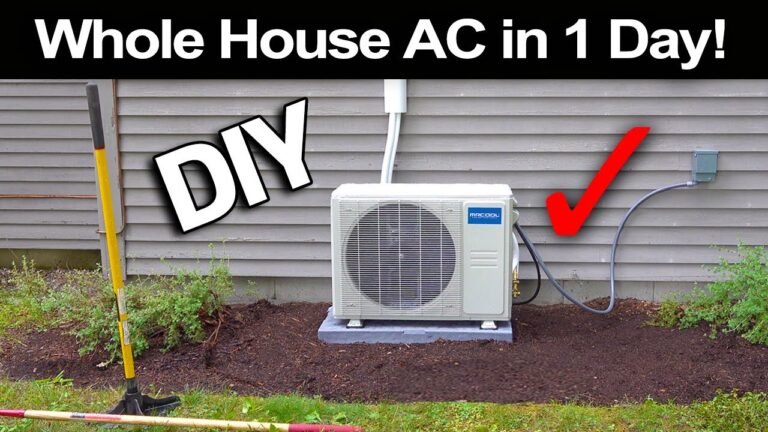
HVAC systems, an acronym for Heating, Ventilation, and Air Conditioning, play a crucial role in maintaining indoor comfort across various settings, whether residential or commercial. These systems work together to regulate temperature and air quality, ensuring a pleasant environment year-round. Each component serves a distinct purpose: the heating element provides warmth during colder months, while the ventilation system helps circulate fresh air, thus preventing stagnation and improving indoor air quality. the air conditioning unit cools the living space during warmer seasons, effectively combating heat and humidity.
Understanding the basics of these systems not only aids in making informed choices during installation or upgrades but also highlights the significance of regular maintenance practices. Key components to consider within an HVAC system include:
- Thermostats: Devices that control the temperature settings.
- Ductwork: Network that distributes conditioned air throughout a building.
- Filters: Essential for removing dust and allergens from the air.
- Heat Exchangers: Components that transfer heat within the system.
For a deeper insight, a simplified comparison of heating methods often integrated into HVAC systems can be summarized as follows:
| Heating Method | Efficiency | Suitable For |
|---|---|---|
| Gas Furnace | High | Cold climates |
| Electric Heat Pump | Moderate | Moderate climates |
| Radiant Floor Heating | Very High | All climates |
Exploring the Key Components and Their Functions
The HVAC system comprises several crucial components that work in unison to regulate indoor climate effectively. Each component serves a specific function, ensuring comfort and efficiency. The most notable elements include:
- Heating Unit: Sources heat, typically through furnaces or boilers.
- Cooling Unit: Includes air conditioners and heat pumps that lower indoor temperatures.
- Ventilation: Circulates air to maintain air quality and regulate humidity through exhaust and intake systems.
- Thermostat: Acts as the control center, adjusting settings based on desired temperature.
Understanding how these components work together can help in optimizing HVAC performance and energy efficiency. Here’s a simple breakdown of their interactions:
| Component | Primary Function |
|---|---|
| Heating Unit | Provides warmth during colder months. |
| Cooling Unit | Delivers cool air to combat heat. |
| Ventilation | Improves air quality and circulation. |
| Thermostat | Monitors and adjusts temperatures. |
The Importance of Regular Maintenance for Optimal Performance
To ensure that HVAC systems operate at peak efficiency, it is crucial to engage in regular maintenance. This proactive approach helps to prevent potential breakdowns and extends the lifespan of the unit. Key benefits of regular maintenance include:
- Improved Energy Efficiency: Well-maintained systems consume less energy, leading to reduced utility bills.
- Enhanced Air Quality: Regular checks on filters and ducts promote cleaner air, which is essential for health.
- Minimal Repair Costs: Addressing minor issues before they escalate can save significant amounts on repairs.
Moreover, routine inspections can identify components that may need replacement or repair, ensuring that you remain comfortable year-round. Scheduling maintenance allows for:
- Seasonal Adjustments: Preparing your system for the heavy demands of summer or winter.
- System Longevity: Regular servicing can prolong the life of your HVAC unit.
- Manufacturer Warranty Compliance: Some warranties require proof of regular maintenance.
| Maintenance Task | Frequency |
|---|---|
| Replace Air Filters | Every 1–3 months |
| Inspect Ductwork | Yearly |
| Clean Coils and Fins | Yearly |
Energy Efficiency Tips for Sustainable HVAC Operation
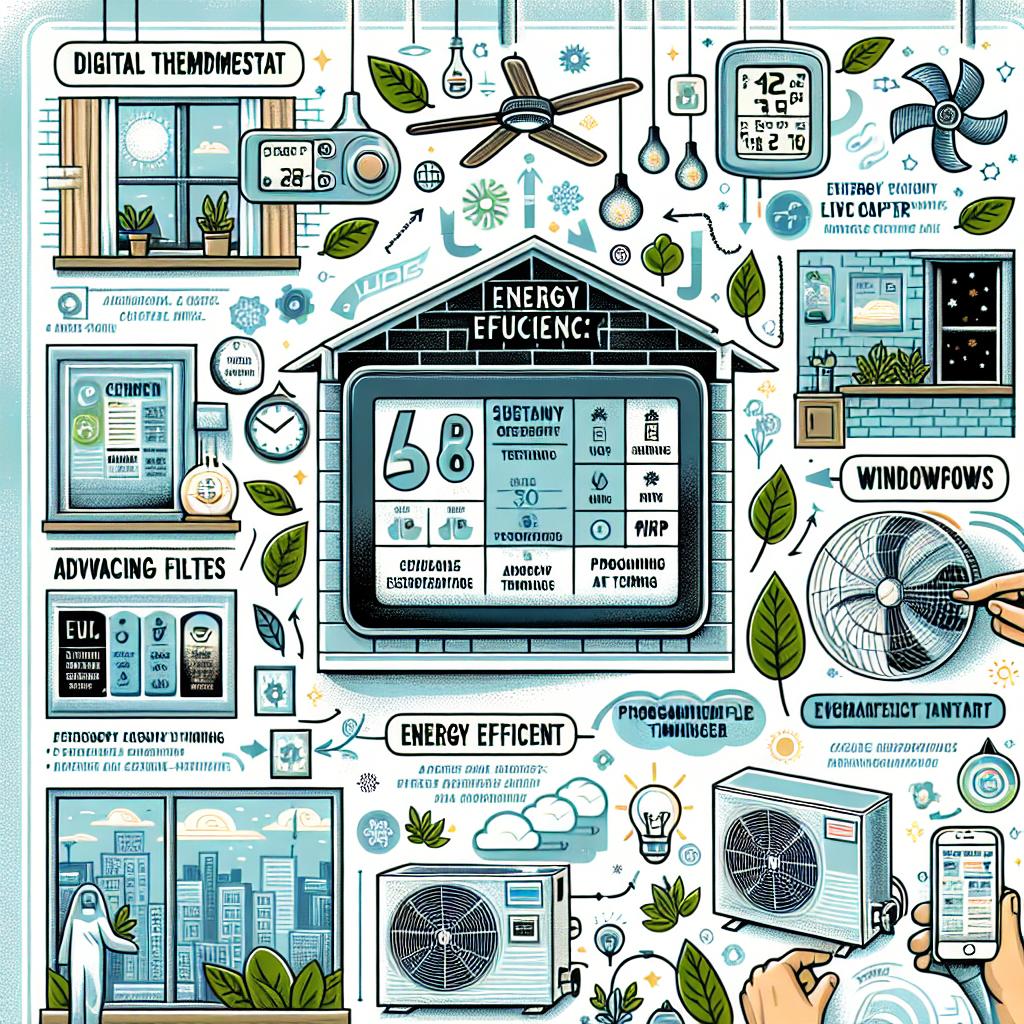
Maximizing energy efficiency in HVAC systems not only reduces environmental impact but also lowers utility bills. Implementing regular maintenance checks ensures your system operates at peak performance. Key practices include:
- Change Filters Regularly: Clogged filters restrict airflow, forcing the system to work harder.
- Seal Ducts: Proper sealing minimizes energy loss and maintains desired temperatures.
- Upgrade Thermostats: Smart thermostats can optimize energy usage based on your schedule.
- Maintain Equipment: Schedule seasonal inspections for efficiency and longevity.
More advanced methods for enhancing HVAC efficiency include integrating renewable energy sources and utilizing advanced technologies. Consider the following options:
| Option | Description |
|---|---|
| Solar Power | Utilizing solar panels to power HVAC systems can significantly lower energy costs. |
| Variable Refrigerant Flow (VRF) | VRF systems allow for precise temperature control, maximizing efficiency based on need. |
| Heat Recovery Ventilation (HRV) | HRVs recover heat from outgoing air to precondition incoming air, increasing overall efficiency. |
Q&A
Q&A: Understanding HVAC
Q: What does HVAC stand for?
A: HVAC stands for Heating, Ventilation, and Air Conditioning. It’s a multifaceted system designed to provide thermal comfort and acceptable indoor air quality within various environments.
Q: How does an HVAC system work?
A: An HVAC system operates through a combination of heating and cooling mechanisms that regulate indoor climate. Heating typically involves furnaces or heat pumps that generate warmth, while cooling is mainly achieved via air conditioning units. Ventilation is the process of exchanging or replacing air to control moisture, odors, and temperature, ensuring a balanced atmosphere.
Q: Why is HVAC important?
A: HVAC systems are vital for maintaining comfort in residential and commercial spaces. They help regulate temperature, improve air quality, and promote overall well-being, making them essential for health and productivity, especially in extreme weather conditions.
Q: What are the main components of an HVAC system?
A: An HVAC system consists of several key components, including furnaces or boilers for heating, air conditioners or heat pumps for cooling, ductwork for airflow distribution, and ventilation systems for introducing fresh air and expelling stale air. Additionally, a thermostat controls these systems, ensuring they operate based on the desired indoor temperature.
Q: What types of HVAC systems are available?
A: There are various types of HVAC systems to suit different needs. Central HVAC systems utilize ductwork to distribute air throughout the building, while ductless mini-split systems offer zoned heating and cooling without ducts. There are also portable units, geothermal systems that harness the earth’s temperature, and hybrid systems that combine multiple methods.
Q: How can I maintain my HVAC system?
A: Routine maintenance is key to ensuring longevity and efficiency. Regularly changing air filters, cleaning ducts, scheduling professional inspections, and checking for leaks can prevent costly repairs and enhance performance. Seasonal tune-ups—before summer and winter—are particularly beneficial for optimizing functionality.
Q: What should I consider when choosing an HVAC system?
A: When selecting an HVAC system, consider factors such as the size of the space, climate, energy efficiency ratings, budget, and any specific heating or cooling needs. Consulting with a professional can help you find the most suitable system for your requirements.
Q: Can I control my HVAC system remotely?
A: Yes! Many modern HVAC systems offer smart technology capabilities, allowing you to control temperature settings, schedule operations, and monitor energy use via smartphones or tablets. This convenience not only enhances comfort but can also lead to energy savings.
Q: How does HVAC impact energy efficiency?
A: HVAC systems significantly influence energy consumption in homes and businesses. An energy-efficient system can reduce utility bills and environmental impact. Look for units with higher SEER (Seasonal Energy Efficiency Ratio) for cooling and AFUE (Annual Fuel Utilization Efficiency) for heating to maximize energy savings.
Q: What are common signs that my HVAC system needs repair?
A: Common indicators include unusual noises, inconsistent temperatures, increased energy bills, and poor air quality. If you notice any of these issues, it might be time to consult an HVAC technician for a thorough check.
Q: How can HVAC systems contribute to indoor air quality?
A: HVAC systems help maintain indoor air quality by filtering dust, pollutants, and allergens from the air. Properly functioning ventilation ensures a continuous exchange of air, which can reduce odors and provide a healthier breathing environment for occupants.
—
Feel free to reach out with any further questions about HVAC systems!
The Conclusion
understanding HVAC—Heating, Ventilation, and Air Conditioning—is essential to comprehending how we maintain comfortable, healthy indoor environments. This intricate system not only regulates temperature but also ensures air quality and energy efficiency, playing a pivotal role in both residential and commercial settings. As we continue to advance technologically, the innovation within HVAC systems promises greater sustainability and adaptability to our changing climate. By grasping the fundamentals of HVAC, you empower yourself to make informed choices, whether you’re a homeowner seeking comfort or a professional delving deeper into this essential field. Embracing the science of HVAC is not just about staying warm in winter or cool in summer; it’s about nurturing the spaces we inhabit and enhancing our quality of life. So, the next time you adjust your thermostat or feel a comforting breeze, take a moment to appreciate the intricate dance of elements that keeps your environment just right.