wire stripper

  • Klein Tools 11048: My Go-To Wire Stripper Review

    After fifteen years turning wrenches in attics and crawl spaces, I’ve learned that your wire stripper either earns its spot in your pouch or it doesn’t. The Klein Tools 11048 has been riding on my belt for three years now, and it’s not going anywhere.

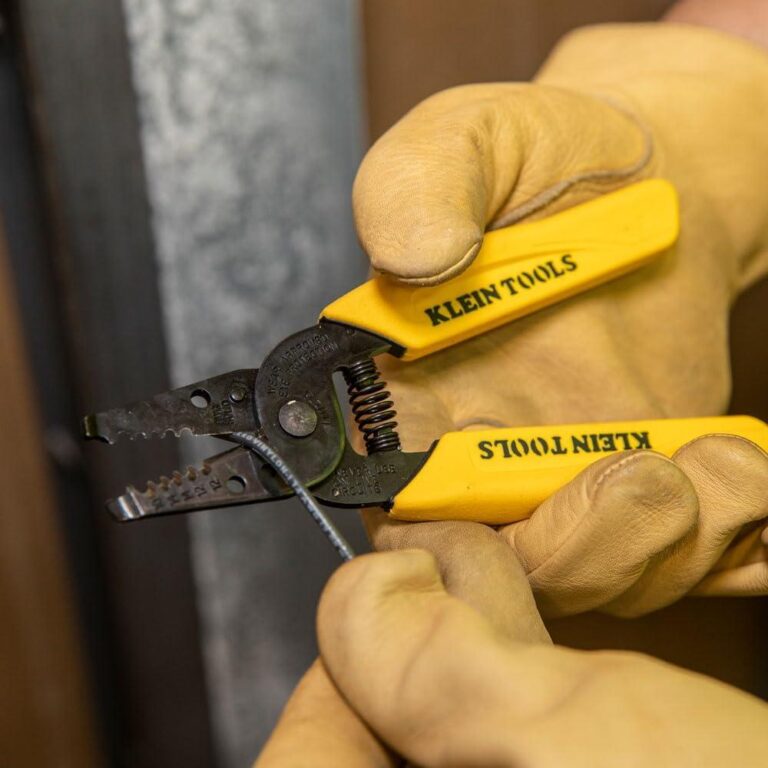
    This thing strips 10-18 AWG solid wire clean every single time—no nicks, no do-overs. I’ve used it on countless thermostat installs, control board replacements, and low-voltage runs. The cutting edges still bite through copper like day one, and the grip hasn’t gone sloppy despite being dropped off more ladders than I’d like to admit.

    Made in USA means something when you’re working in 120-degree attic temps and can’t afford tool failures. It’s not the cheapest stripper out there, but it’s the last one you’ll buy.

  • Klein 11046 Wire Stripper: My Field-Tested Review

    I’ve stripped more wires in crawlspaces and attics than I care to count, and the Klein 11046 has earned a permanent spot in my tool bag. This isn’t some fancy gadget that impresses the apprentices—it’s a straightforward stripper that does exactly what you need when you’re running thermostat wire or low-voltage controls.

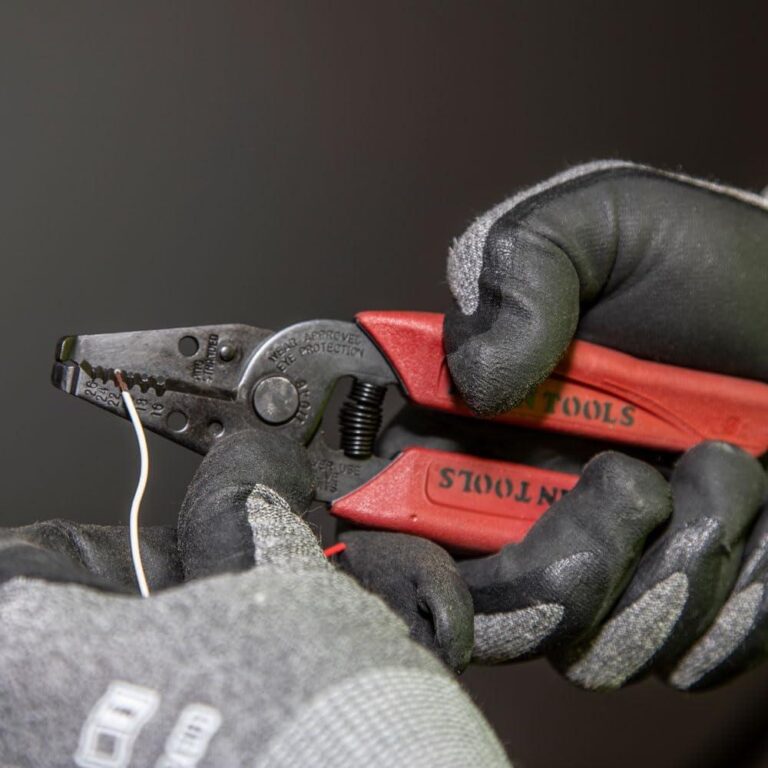
    The precision-ground holes consistently strip 16-26 AWG stranded without nicking the copper, which matters when you’re dealing with delicate control circuits. At under six inches, it fits where those bulkier strippers won’t, especially in tight junction boxes. Yes, it’s Made in USA, and you can feel it in the build quality.

    After six months of daily use, the cutting edges are still sharp and the spring tension hasn’t weakened. It’s not revolutionary, but it’s reliable—and in this trade, that’s what counts.

  • Klein 11061 Wire Stripper: My Honest Field Test

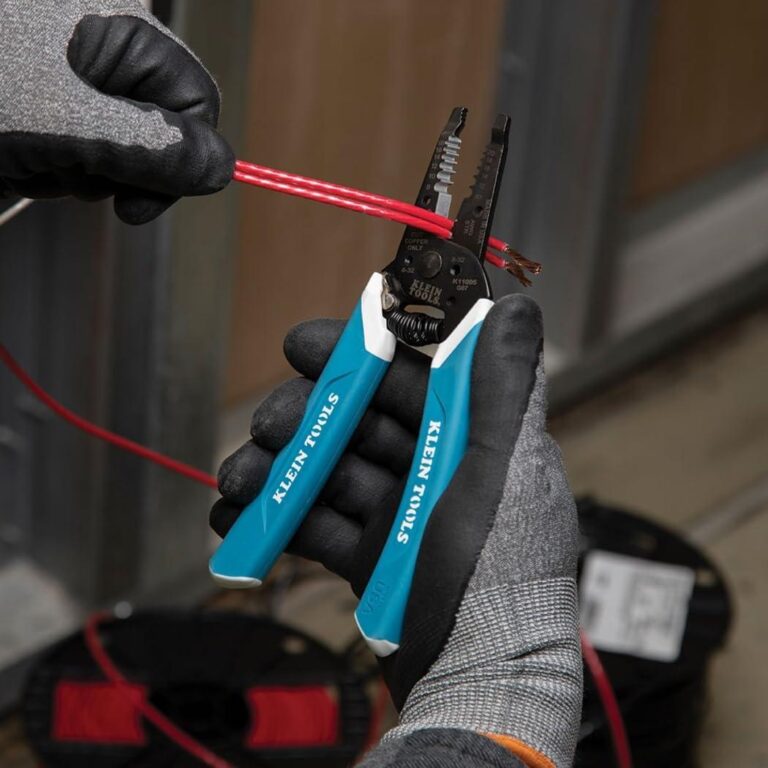
    I’ve been running the Klein 11061 self-adjusting stripper for three months now, and it’s earned a permanent spot in my tool bag. After stripping countless thermostat wires and Romex runs in cramped attics and tight mechanical rooms, this thing just works. The self-adjusting mechanism actually lives up to the hype—no more fumbling with different gauge settings when you’re wedged behind a furnace. It handles 18-gauge thermostat wire as cleanly as 12/2 Romex, which matters when you’re doing control wiring one minute and power the next. The cuts are clean, the grip doesn’t slip when your hands are sweaty, and it’s taken some serious abuse without failing. At this price point, it’s not a gamble—it’s a solid investment that’ll pay for itself in time saved alone.

  • My Honest Take on This 8-in-1 Wire Stripper Tool

    I’ve been running HVAC service calls for over a decade, and I’ve blown through more cheap multitools than I care to admit. When I first grabbed this 8-in-1 wire stripper, I was skeptical—another gimmicky tool promising the world, right? But after three months of daily use on residential and light commercial jobs, I’m genuinely impressed. The voltage tester isn’t just for show; it’s saved me from some stupid mistakes on miswired thermostats. The stripper handles 18-10 gauge cleanly, which covers 90% of control wiring I deal with. Sure, the crimp function isn’t replacing my dedicated crimpers for critical connections, but for quick field repairs? It’s solid. Is it perfect? No. But for the price point and the space it saves in my already packed tool bag, it’s earned its spot.

  • Klein 2005N: The Wire Tool I Keep in My Pouch (47 characters)

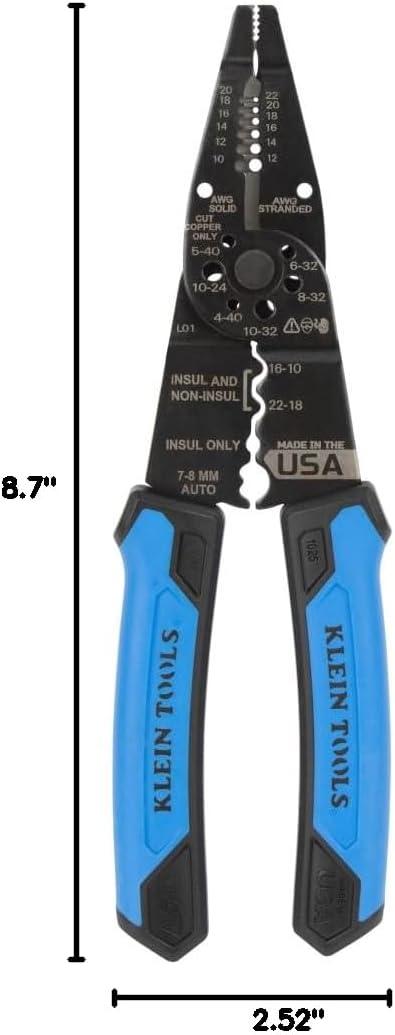
    Look, I’ve burned through plenty of wire tools over the years, and most end up in my junk drawer after a few months. The Klein 2005N? It’s been riding in my pouch for three years straight. This thing strips 10-18 AWG stranded wire clean every time—no nicks, no having to redo it. The crimper actually holds terminals tight, which matters when you’re up in an attic and can’t afford callbacks. That built-in shear cutter gets through thermostat wire like butter. Is it the fanciest tool out there? No. But it’s Made in USA, fits comfortably in your hand during long days, and just works. When you’re troubleshooting a failed contactor at 2 PM in July, you need tools that don’t make your job harder. This is one of them.