
multimeter review

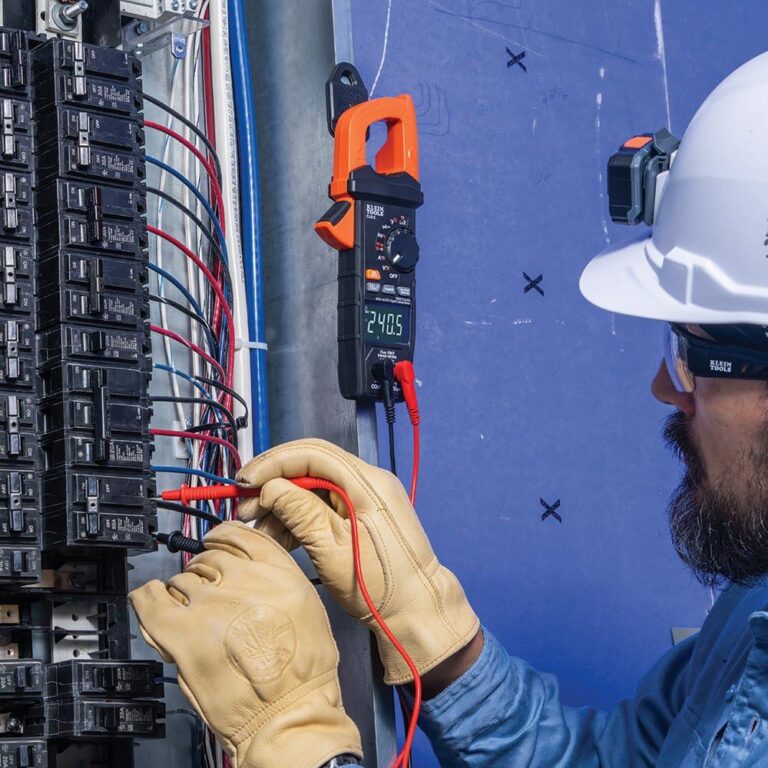
  • Klein CL810 Review: The Meter I Trust on Every Job

    After fifteen years turning wrenches in attics and crawl spaces, I’ve learned that your meter either earns its spot in your bag or it doesn’t. The Klein CL810 earned mine within the first week. This isn’t another overhyped multimeter that chokes when you need it most-it’s the tool I grab first on every service call. What sets it apart isn’t just the auto-ranging or TRMS accuracy; it’s how Klein built this thing for guys like us who work in 130-degree attics and freezing rooftops. The LoZ mode has saved me from countless ghost voltage headaches, and the built-in flashlight actually throws enough light to matter. Yeah, it costs more than the box store specials, but I’m done buying meters twice. This one just works, every single time.
  • Klein ET600 Megohmmeter: My Hands-On Review

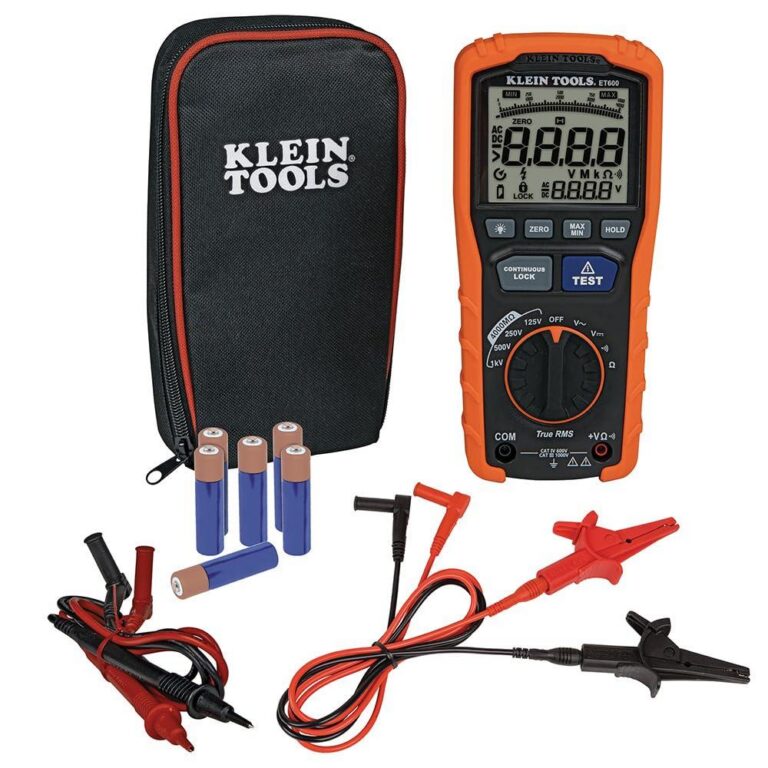
    I’ve been running the Klein ET600 through its paces for six months now, and it’s become my go-to for insulation testing on compressor motors and control circuits. What sets this apart from cheaper combo units is that the megohmmeter function actually works consistently-I’m talking reliable readings at 1000V on aged motor windings, not the flaky numbers you get from budget models. The auto-ranging TRMS multimeter side handles everyday troubleshooting without switching tools, which saves time on service calls. Build quality feels solid; it’s survived a few drops from condenser units already. My only gripe is the test lead storage-there isn’t any-but that’s minor. At this price point, you’re getting legitimate insulation testing capability without dropping cash on a dedicated megger. For HVAC work, it hits the sweet spot.

  • Klein MM420 Review: My Go-To HVAC Multimeter

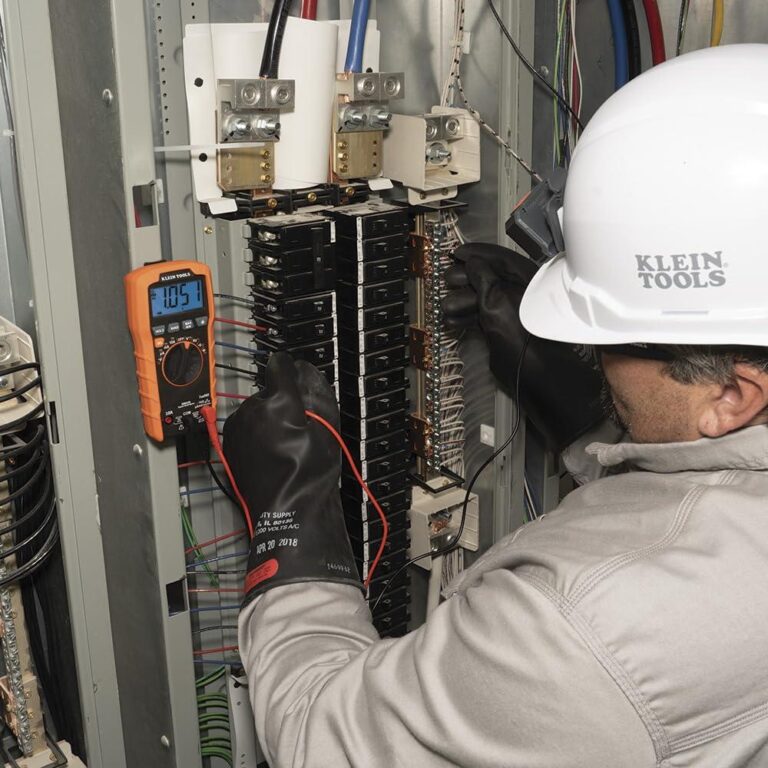
    After five years in HVAC, I’ve burned through my share of cheap multimeters. The Klein MM420 changed that. This thing handles everything I throw at it—from checking 24V control circuits to testing compressor windings in hundred-degree attics. The auto-ranging feature saves time when I’m bouncing between voltage checks and resistance readings, and the TRMS actually matters when you’re diagnosing variable-speed equipment. What really sold me was durability. I’ve dropped it off a condenser unit, left it in the rain, and it keeps working. The leads are thick enough to survive daily abuse, and the display stays readable even in direct sunlight. At this price point, you won’t find a tougher, more reliable meter for HVAC work. It’s been in my bag every single day for two years.