Klein Tools ET310KIT: My Honest Field Review
After three decades of troubleshooting HVAC systems in everything from cramped crawlspaces to outdated commercial buildings, I’ve learned that half the battle isn’t the mechanical work-it’s dealing with electrical panels that look like someone played circuit breaker roulette. When you’re installing a new air handler or replacing a failed condenser, the last thing you need is to waste billable hours flipping breakers while your helper yells from two floors away. That’s why I keep the Klein Tools ET310KIT AC Circuit Breaker Finder Kit in my truck, and why I’m reviewing it today for HVACDirectPlus.com.
This isn’t some gadget that sits pretty in the toolbox-it’s a kit I’ve actually used on job sites where unlabeled panels and mystery circuits threaten to turn a straightforward compressor replacement into an all-day diagnostic nightmare. Whether you’re a fellow HVAC tech tired of playing guessing games with 120V circuits feeding condensate pumps and furnace controls, or a homeowner who wants to safely identify which breaker controls that mini-split head unit before attempting any maintenance, understanding what this Klein Tools kit delivers-and where it falls short-matters. I’ve put it through real-world paces on residential service calls and light commercial installations, so let’s break down whether the ET310KIT earns its spot in your arsenal or just takes up space in that already-overloaded van.
Product Overview: My Initial Assessment of the Klein Tools ET310KIT
Right out of the box, this Klein kit impressed me with its thoughtful organization. The foam-lined carrying case keeps everything secure and accessible, which matters when you’re hauling gear between job sites or digging through your truck at a customer’s home. The kit tackles a problem I face constantly: identifying the correct breaker for HVAC equipment, condensate pump circuits, or thermostat C-wire troubleshooting without playing musical chairs at the panel. The dual-component system-transmitter and receiver-works on standard 90-120V AC circuits, making it ideal for residential HVAC service calls where you need to isolate control circuits, emergency shutoffs, or dedicated equipment lines before working on furnaces, air handlers, or mini-split indoor units.
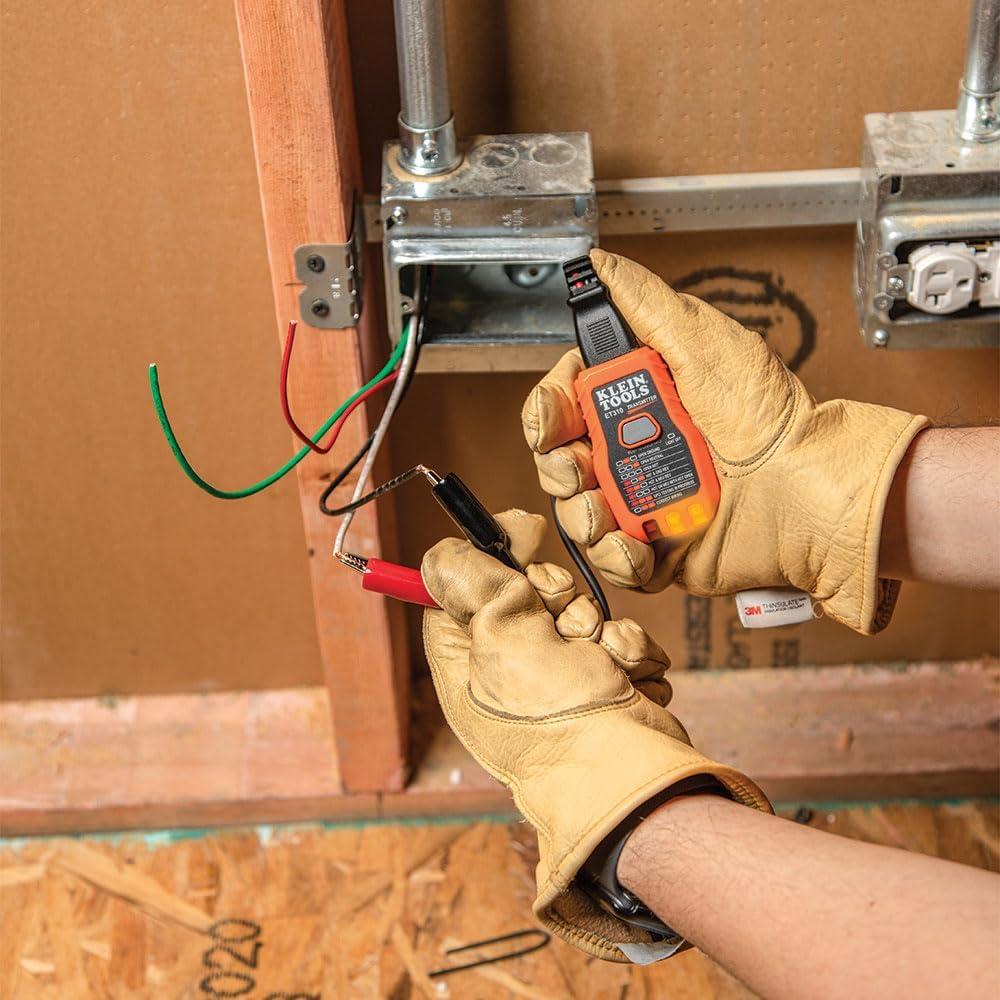
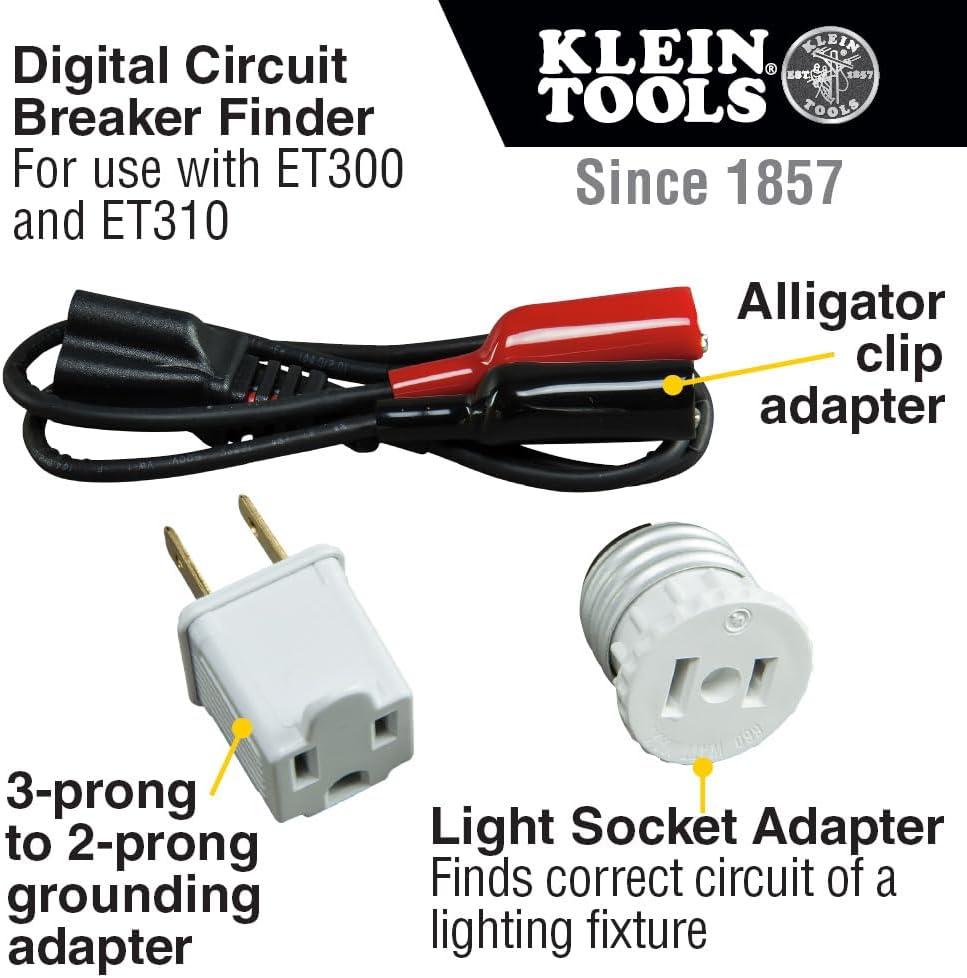
What sets this kit apart is its versatility through included adapters. The light socket adapter lets me trace circuits for ceiling-mounted equipment or attic air handlers without needing an accessible outlet, while the alligator clip adapter handles bare wire scenarios during new installations or panel upgrades. I particularly appreciate the built-in GFCI tester on the transmitter-essential for verifying proper protection on condensate pump circuits or outdoor condenser disconnects where code requires ground fault protection. The receiver’s visual and audible indicators cut through the guesswork, especially in noisy mechanical rooms where a beep confirms you’ve found the right breaker faster than relying on sight alone.
| Feature | Specification |
|---|---|
| Voltage Range | 90-120V AC |
| Detection Method | Visual + Audible Cues |
| GFCI Testing | Built-in (Transmitter) |
| Included Adapters | Light Socket, Grounding, Alligator Clip |
| Storage | Foam-Insert Carrying Case |
How the Circuit Breaker Finder Performs in Real World HVAC Applications
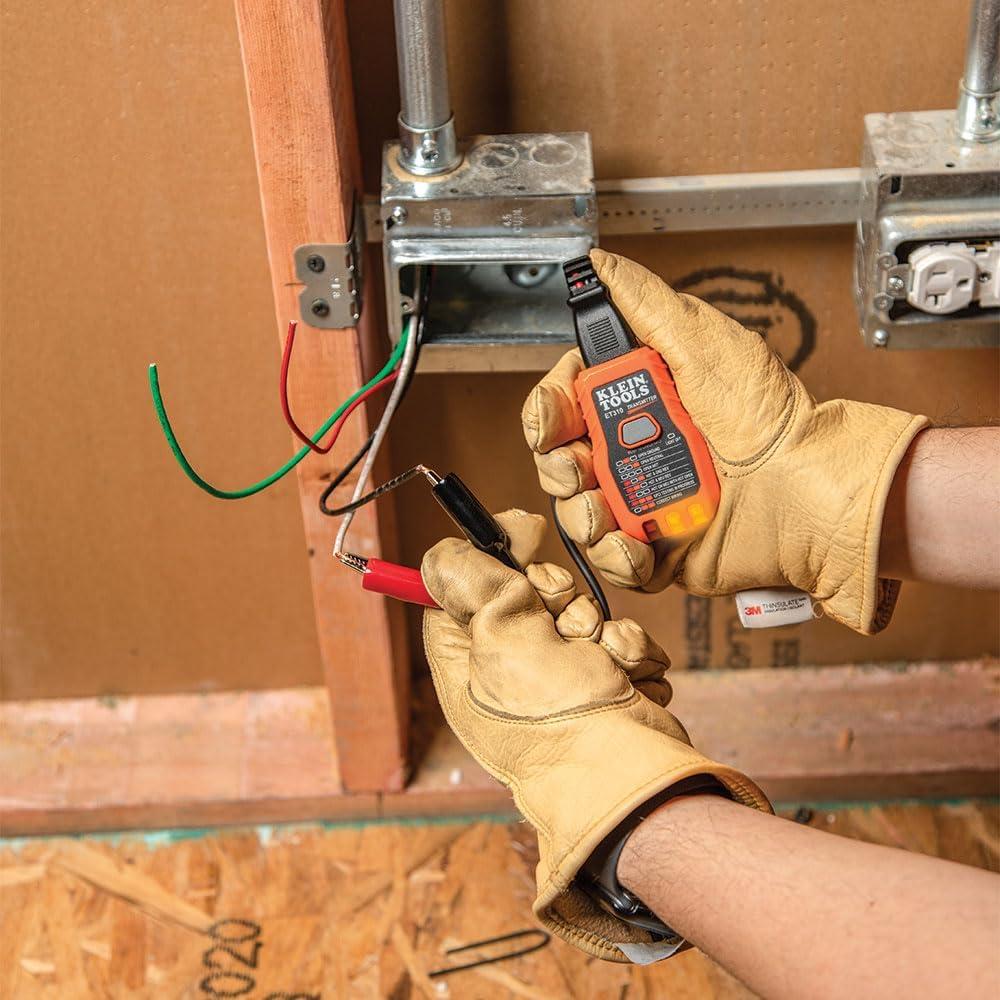
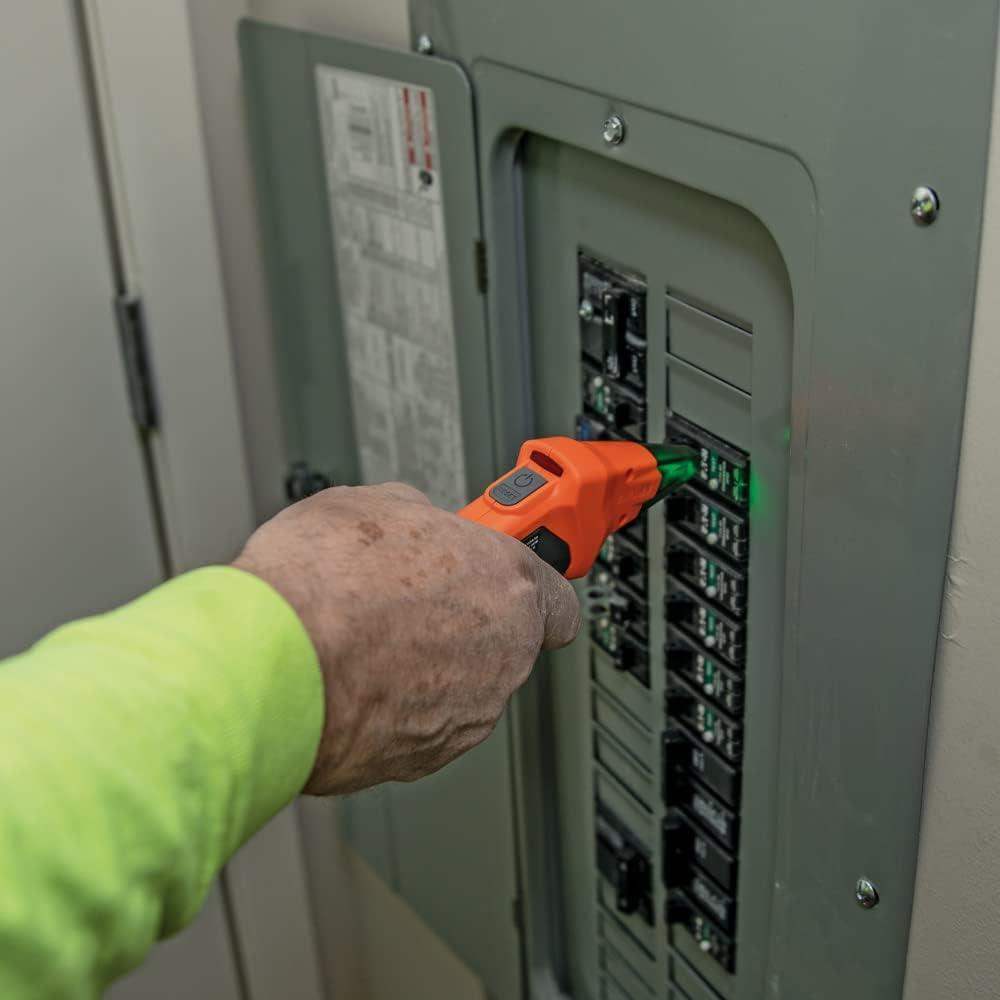
In the field, I’ve used this kit extensively when dealing with unlabeled panels during service calls, particularly when diagnosing electrical issues on mini-split installations, furnace control boards, and condensate pump circuits. The receiver’s dual visual and audible alerts make it simple to identify the correct breaker even in noisy mechanical rooms or cramped attic installations where you’re working solo. The alligator clip adapter has proven invaluable when tracing circuits for 24V transformers, zone control boards, and hardwired thermostats – situations where you can’t simply plug into an outlet. I’ve found the light socket adapter particularly useful when troubleshooting lighting circuits in equipment rooms or when verifying dedicated circuits for UV air purifiers and electronic air cleaners that draw 90-120V AC. The GFCI tester built into the transmitter saves time during final inspections, especially when confirming proper protection on circuits serving condensate pumps, humidifiers, or any wet location equipment.
What stands out during actual service work is the kit’s reliability across different panel configurations – whether I’m working on residential 100-amp panels or larger 200-amp commercial setups with mixed single-pole and double-pole breakers. The signal strength remains consistent even through metal conduit and crowded panels, which matters when you’re tracing circuits for packaged units with multiple electrical requirements or verifying dedicated 15-amp circuits for high-efficiency air handlers. The foam-lined carrying case keeps everything organized in the truck, preventing the small adapters from getting lost between calls. I’ve tested this on everything from standard furnace installations requiring dedicated 120V circuits to heat pump accessories and whole-house dehumidifiers, and it’s proven accurate across all applications without false positives that waste time.
| Application Scenario | Adapter Used | Field Performance |
|---|---|---|
| Mini-split disconnect wiring | Alligator clips | Accurate identification on 15A & 20A circuits |
| Condensate pump outlets | Standard plug-in transmitter + GFCI test | Verified GFCI protection and correct breaker location |
| Equipment room lighting | Light socket adapter | Quick circuit ID without fixture removal |
| Furnace control board troubleshooting | Alligator clips on transformer wiring | Reliable signal through metal furnace cabinet |
| Electronic air cleaner circuits | Standard plug-in transmitter | Clear indication on dedicated 120V circuits |
Check Current Price & Availability
Installation and Setup: Getting the ET310KIT Ready for Use
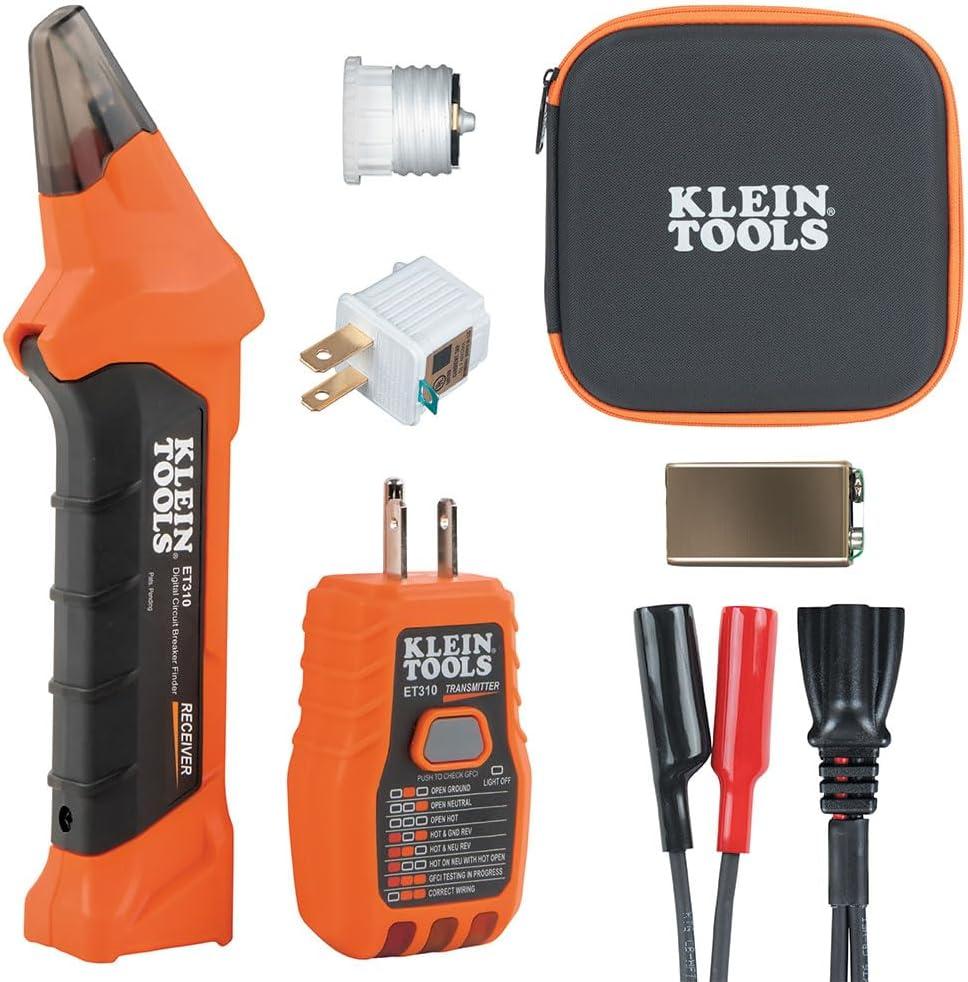
Right out of the case, the kit requires zero assembly or configuration-just grab the transmitter and receiver, and you’re ready to trace circuits. The foam-insert carrying case keeps everything organized, which I appreciate when I’m juggling condenser disconnect work or tracking down which breaker feeds a mini-split’s air handler. The transmitter plugs directly into any standard outlet for basic tracing, but the real versatility comes from the included adapters. The alligator clip adapter is essential when you’re working with bare wire connections during installation of high-voltage equipment like heat pumps or when verifying dedicated 240V circuits aren’t sharing neutrals. The light socket adapter threads into standard fixtures, making it simple to identify which breaker controls ceiling-mounted fan coils or lighting circuits near rooftop units without needing a helper at the panel.
| Component | Purpose | Field Application |
|---|---|---|
| Transmitter (GFCI Tester Built-In) | Plugs into outlet; sends signal to breaker | Verify GFCI protection on condensate pump circuits |
| Receiver | Scans panel; provides audio/visual alerts | Quickly locate correct breaker in crowded commercial panels |
| Alligator Clip Adapter | Connects to bare wires | Test hardwired thermostats, disconnects, air handlers |
| Light Socket Adapter | Threads into light fixtures | Trace circuits for evaporator coil lighting or attic fixtures |
| 3-Prong to 2-Prong Adapter | Adds grounding flexibility | Work with older outlets near furnace installations |
The built-in GFCI tester on the transmitter is a time-saver I didn’t expect to use as often as I do-it’s perfect for verifying protection on outdoor condensing unit receptacles or condensate pump outlets before energizing new installs. The receiver’s dual audio and visual indicators mean I don’t need to squint at a display while holding a flashlight in a dim mechanical room. Setup takes literally seconds: plug the transmitter into the circuit you’re diagnosing, flip the receiver on, and scan the panel until you get the alert. For residential retrofits where labeling is nonexistent or commercial jobs with poorly documented panels, this kit eliminates the guesswork that wastes billable hours. The 90-120V AC range covers every standard outlet, thermostat wire junction, and accessory circuit I encounter on typical split systems and package units.
Why This Tool Delivers Excellent Value for HVAC Professionals
After three decades of chasing circuits in commercial buildings and residential installs, I can tell you that the value proposition here isn’t just about saving time-it’s about protecting your reputation and your bottom line. When I’m diagnosing electrical issues on a 5-ton condenser pulling 28 amps or troubleshooting why a 240V heat pump keeps tripping, the last thing I need is to spend twenty minutes playing breaker roulette. This kit delivers precision circuit identification with both visual and audible feedback, which means I’m not second-guessing myself in a noisy mechanical room. The built-in GFCI tester adds another layer of diagnostic capability that I use constantly-especially when dealing with outdoor condensing units or rooftop equipment where ground fault protection is critical. The inclusion of multiple adapters gives me flexibility whether I’m working on:
- Direct-wired equipment using the alligator clip adapter for bare conductor testing
- Lighting circuits that control ventilation fans or zone indicators with the light socket adapter
- Standard outlets feeding auxiliary pumps, condensate removal systems, or control transformers
The premium carrying case isn’t just marketing fluff-it’s foam-organized protection that keeps components from rattling around in my service van alongside refrigerant manifolds and recovery equipment. When I’m working on split systems with specific electrical requirements like a 15-amp dedicated circuit for a mini-split or verifying proper power to a variable-speed air handler, this tool eliminates guesswork and prevents the costly mistakes that come from killing power to the wrong circuit. The 90-120V range covers virtually every auxiliary circuit I encounter in residential and light commercial HVAC applications, from thermostat transformers to condensate pump outlets. For the investment, you’re getting a diagnostic solution that pays for itself the first time it prevents a service callback or avoids damaging sensitive electronic controls by cycling the wrong breaker.
| Feature | Practical Benefit |
|---|---|
| Dual Indication System | Visual + audible confirmation reduces errors in noisy mechanical rooms |
| GFCI Testing | Verifies ground fault protection on outdoor equipment circuits |
| Multiple Adapters | Works with hardwired equipment, fixtures, and standard outlets |
| 90-120V Range | Covers all auxiliary HVAC circuits and control voltage applications |
| Organized Case | Protects investment and keeps components accessible in service vehicle |
Check Current Price and Availability
Embody Excellence
## The Bottom Line
Look, I’ve been in this trade long enough to know that the difference between a smooth service call and a frustrating nightmare often comes down to having the right tool in your hand at the right moment. The Klein Tools ET310KIT has earned its place in my bag because it does exactly what it promises-no fluff, no gimmicks, just reliable circuit identification when you need it most.
Is it perfect? No tool is. But for the price point and the functionality you’re getting, it’s a solid investment that’ll pay for itself after just a few jobs. The GFCI testing is a bonus I use more than I expected, and having everything organized in that case means I’m not digging through my bag looking for adapters when a customer’s watching the clock.
Here’s what I want you to understand: every decision you make about your tools-and every recommendation I make about HVAC equipment-ultimately affects someone’s home comfort, their energy bills, and how long their system runs without problems. That’s why I don’t mess around with subpar equipment, and it’s why I’m straight with you about what works and what doesn’t.
The ET310KIT works. It’s made my job easier, and it’ll do the same for you whether you’re a fellow tech or a serious DIYer who wants professional-grade results.
You’ve read my honest take. Now it’s time to make the call.