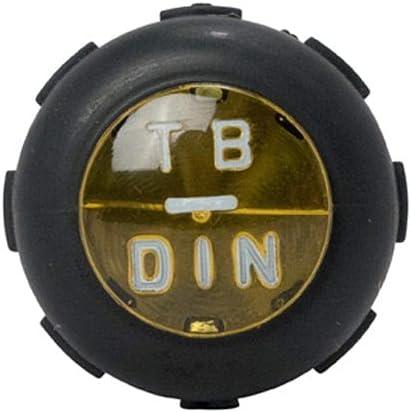
Klein Tools 612-4: My Go-To Terminal Screwdriver
I’ve stripped more terminal block screws than I care to admit over my 30-plus years in HVAC,and nine times out of ten,it wasn’t because I was heavy-handed—it was because I was using the wrong screwdriver. When you’re wiring a thermostat, landing control wires on a furnace board, or terminating at a condensing unitS terminal strip, that tiny 1/8-inch screw doesn’t forgive sloppy tools. The Klein Tools 612-4 Terminal Block Screwdriver showed up in my kit about two years ago, and it’s become one of those tools I reach for without thinking—which, in this trade, is the highest compliment I can give.
Most techs carry a multi-bit driver or a standard cabinet screwdriver and try to make it work.But terminal blocks—especially the DIN-rail mounted ones you see on modern variable-speed air handlers, zone controllers, and communicating thermostats—demand precision. Cam out on one of those tiny screws while you’re belly-down in an attic or cramped behind a furnace, and you’ve just added 20 minutes to your service call. Klein designed this screwdriver specifically for that application,and after putting it through everything from routine maintenance calls to full system installs,I can tell you whether it’s worth the toolbox real estate or just another gimmick trying to solve a problem that doesn’t exist.Let’s break down what this thing actually does in the field.
Product Overview: My First Impressions of the Klein Tools 612-4 Screwdriver

When I first got my hands on this terminal block screwdriver, I immediately recognized it as a tool built specifically for the tedious wiring work that comes with the territory in HVAC installations. The 1/8-inch cabinet tip is precision-machined to fit those tight terminal blocks on thermostats, zone controllers, and control boards—places where a standard screwdriver either strips the screw or just doesn’t seat properly.The 4-inch round shank gives me the reach I need when working inside cramped electrical panels on condensing units or air handlers without my hand bumping into adjacent components. What really stood out was the Cushion-Grip handle; after wiring up multiple zones on a VRF system or connecting low-voltage control circuits for a multi-stage heat pump, my hand wasn’t aching like it does with cheaper tools. The chrome-plated blade caught my eye too—corrosion resistance matters when you’re working in mechanical rooms with humidity or near condensate drains.
The double-flange blade design anchors solidly into the handle, which translates to zero twist when I’m torquing down terminal screws on 24V transformers or relay boards. I’ve stripped out terminal blocks before with flimsy screwdrivers that couldn’t deliver consistent torque, and that’s a headache I don’t need when I’m trying to get a system commissioned and running. Klein’s claim of 76-percent higher torque than ASME B107 standards isn’t just marketing—I can feel the difference when securing connections on ECM motor controllers or tightening down wires on a Honeywell zone panel. the fact that it’s made in the USA gives me confidence in long-term durability, which matters when this tool lives in my pouch day in and day out across residential and light commercial jobs.
| Specification | Detail |
|---|---|
| Tip Size | 1/8-inch (3.2 mm) Cabinet |
| Shank Length | 4 inches, Round |
| Torque Performance | 76% higher than ASME B107 standard |
| Blade Material | Heat-treated, Chrome-plated |
| Handle Type | cushion-Grip |
| Manufacturing | Made in USA |
| Primary Use | Terminal blocks (DIN-rail, TB connectors) |
Why This Screwdriver Became Essential in My HVAC Toolkit

After stripping out terminal block screws on three different thermostats in one week—two on Carrier Infinity systems and one on a Trane XL824—I finally admitted I needed a dedicated terminal block screwdriver. Those tiny brass screws that secure 24V control wiring aren’t forgiving, and a standard screwdriver that’s even slightly oversized will cam out and round the head faster than you can say “service call.” The precision-machined 1/8-inch cabinet tip on this Klein fits terminal blocks like it was made for them, as it was. The tip’s 76-percent higher torque rating over ASME standards means I can confidently tighten connections on communicating thermostats, zone damper controls, and condensate pump float switches without worrying about the blade twisting or the tip deforming. The chrome-plated,heat-treated blade has held up through countless furnace installs,condenser replacements,and mini-split indoor unit hookups—environments where lesser tools would’ve corroded or lost their edge months ago.
| Feature | Specification | Field Benefit |
|---|---|---|
| Tip Size | 1/8-inch (3.2 mm) cabinet | Exact fit for terminal blocks on thermostats, relays, and control boards |
| Torque Capacity | 76% above ASME B107 | Secure connections without stripping brass screws on 24V circuits |
| Blade Construction | Heat-treated, chrome-plated | Resists corrosion in attics, crawlspaces, and coastal installations |
| Handle Design | Cushion-Grip with double-flange blade anchor | All-day comfort during multi-unit installations and retrofit projects |
| Manufacturing | Made in USA | Consistent quality, reliable warranty support |
What sold me beyond the precision fit was the Cushion-Grip handle that doesn’t slip even when my hands are sweaty from working in a 140-degree attic connecting a new 16 SEER heat pump’s control wiring. The double-flange blade design anchors solidly inside the handle, eliminating the twist I’ve experienced with cheaper screwdrivers when torquing down connections on communicating systems like Lennox iComfort or Daikin One+ that require precise terminal contact. I’ve used it on everything from 18,000 BTU mini-split indoor units to 5-ton package units, and it’s become the first tool I reach for when dealing with low-voltage connections, zone control panels, or any application where a stripped screw means an expensive control board replacement. If you’re tired of damaging terminal screws or fighting with screwdrivers that don’t fit right, this tool pays for itself the first time it saves you from ordering a new thermostat base.
Get the klein 612-4 Terminal Block Screwdriver on Amazon
How the Cabinet Tip Design Handles Terminal Block Connections

The precision-machined 1/8-inch cabinet tip is where this screwdriver earns its keep in real HVAC applications. I’ve worked on countless terminal blocks—from residential condensing units running on 24V control circuits to commercial rooftop units with 208/230V three-phase connections—and the fit here is exact. That precision matters when you’re landing wires on a control board for a variable-speed air handler or tightening down the L1 and L2 connections on a condensing unit rated at 18 SEER. The tip doesn’t cam out or slip, which is critical when you’re working in tight spaces around capacitors, contactors, and transformer terminals. The 76-percent higher torque capacity over ASME B107 standards translates directly to field reliability: you can confidently torque down connections without worrying about tip deformation or breakage, especially crucial on higher-amperage circuits feeding units in the 36,000 to 60,000 BTU range where secure electrical connections directly impact system performance and safety.
What separates this from generic hardware store screwdrivers is the double-flange blade design that anchors inside the handle—I’ve torqued down terminal screws on everything from Copeland scroll compressor terminals to Honeywell zone control panels without any handle twist or blade slippage. The chrome-plated, heat-treated blade resists corrosion even in coastal installations or mechanical rooms with high humidity, maintaining its integrity season after season. When you’re landing thermostat wiring, connecting to a defrost board, or securing line voltage to a blower motor terminal strip, the precision fit prevents damaged screw heads and ensures proper electrical contact—both crucial for system efficiency and longevity. I’ve seen poor connections cause voltage drop issues that knock SEER ratings down by 10-15 percent in otherwise perfectly functioning systems,so having a tool engineered specifically for terminal block work isn’t just convenient,it’s essential for quality installations.
| Specification | Details |
|---|---|
| Tip Size | 1/8-inch (3.2 mm) cabinet tip |
| Shank Length | 4-inch round shank |
| Torque Performance | 76% above ASME B107 standard |
| Tip Strength | 19% stronger than competitors |
| Blade Treatment | Heat-treated,chrome-plated |
| Handle Design | Cushion-Grip with double-flange anchor |
| Manufacturing | Made in USA |
Check Current Price on Amazon
Long Term Durability and Value for Professional Technicians

After years of tightening terminal blocks on control boards, contactors, transformers, and thermostat bases across hundreds of residential and light commercial installs, I can confidently say this screwdriver stands up to the abuse we dish out daily. The chrome-plated, heat-treated blade resists corrosion even in the damp environments around condensate drains and humid mechanical rooms, and the precision-machined 1/8-inch cabinet tip fits snugly into those tiny terminal screws on 24V control circuits, damper actuators, and zone control panels without camming out. The double-flange blade design creates a twist-resistant anchor inside the handle that I’ve tested repeatedly when torquing down wire connections on variable-speed air handler boards and multi-stage heat pump contactors—no blade slippage, no stripped screws, just consistent, reliable performance. The 76-percent higher torque capacity beyond ASME standards means I’m not fighting the tool when securing connections on high-voltage disconnect blocks or tightening terminals on capacitor mounts.
The Cushion-Grip handle genuinely reduces hand fatigue during marathon service calls where I’m wiring multiple zones or troubleshooting communication failures across integrated comfort systems, and being Made in USA with Klein’s six-generation manufacturing legacy gives me confidence this tool will outlast the cheap imports that fail mid-job. I’ve used mine for over three years now—from wiring mini-split communication cables to adjusting settings on ECM motor control boards—and the tip shows minimal wear while maintaining its exact fit. For technicians who value reliability and precision when working on sensitive electronic controls, low-voltage thermostats, and the countless terminal blocks found in modern HVAC systems, this screwdriver justifies its place in your pouch.
| Durability Feature | Professional Benefit |
|---|---|
| Chrome-Plated, Heat-Treated Blade | Corrosion resistance in humid HVAC environments |
| Precision-Machined 1/8″ Tip | Exact fit for terminal blocks, reduces cam-out and screw damage |
| Double-Flange Blade Anchor | Twist-resistant connection for high-torque applications |
| 76% Above ASME B107 Torque Standard | Secure electrical connections without tool failure |
| Made in USA Construction | long-term reliability backed by 160+ years of manufacturing expertise |
Check Current Price on Amazon
Experience Innovation

## the Bottom Line
After three decades in the HVAC trade, I’ve learned that the tools in my bag are just as critically importent as the equipment I’m installing. The Klein Tools 612-4 isn’t glamorous, but it’s exactly what a terminal block screwdriver should be—precise, durable, and reliable when you’re making connections that matter.Every time you wire a contactor, connect a thermostat, or land control wiring, you’re making decisions that affect how that system will perform for years to come. A stripped screw head, a cam-out that damages a terminal, or a loose connection from inadequate torque—any of these can lead to intermittent failures, service callbacks, and unhappy customers dealing with comfort issues or higher energy bills. That’s not acceptable in my book.
This screwdriver gives you the control and precision to make solid,lasting connections. The tip fits true, the handle gives you the leverage you need without hand fatigue, and the build quality means it’ll be there for you job after job. When you’re standing in an attic in July or troubleshooting a no-heat call in January, you need tools that work as hard as you do.
I’ve trusted Klein for most of my career because they understand what professional-grade actually means. The 612-4 proves that even the simplest tool can make a real difference when it’s engineered right. it’s helped me do cleaner work, faster—and that directly translates to systems that run reliably and efficiently for the people counting on them.
If you’re serious about doing quality work that stands the test of time, don’t compromise on the fundamentals. Get yourself a tool that’s built to perform.