My Take on Amazon Basics’ 131-Piece Tool Kit
I’ve spent over two decades crawling through attics, crouching in basements, and kneeling on concrete pads working on HVAC systems, and I’ve learned one thing the hard way: you need the right tools at arm’s reach, or you’re wasting time and money. That’s why when I saw the Amazon Basics 131-Piece General household Hand Tool Set, I had too evaluate it through the lens of what actually matters on a job site—not as some desk-bound reviewer, but as someone who’s tightened countless refrigerant line connections, replaced capacitors in 110-degree attics, and diagnosed furnace issues in crawl spaces where there’s barely room to breathe.
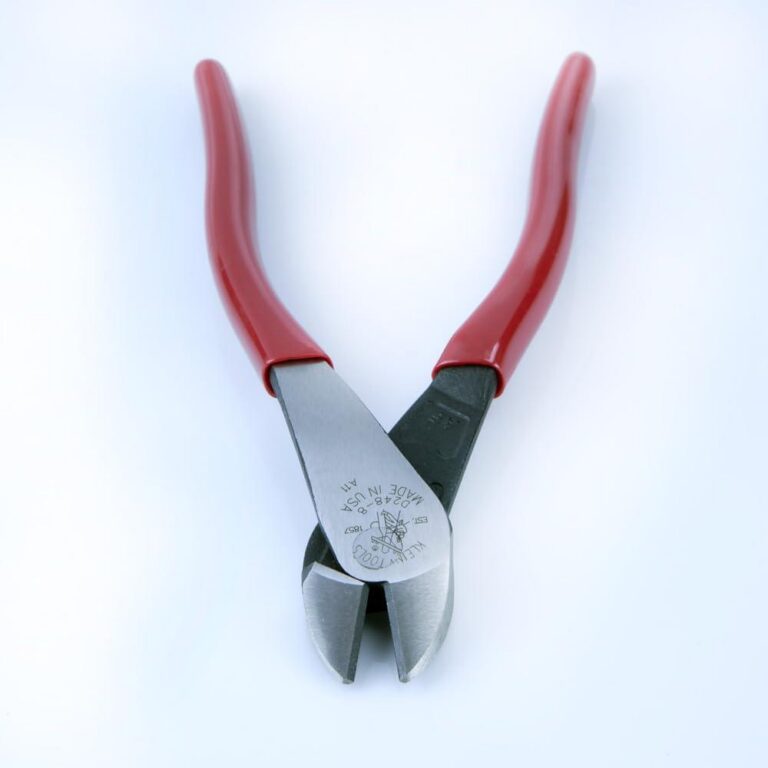
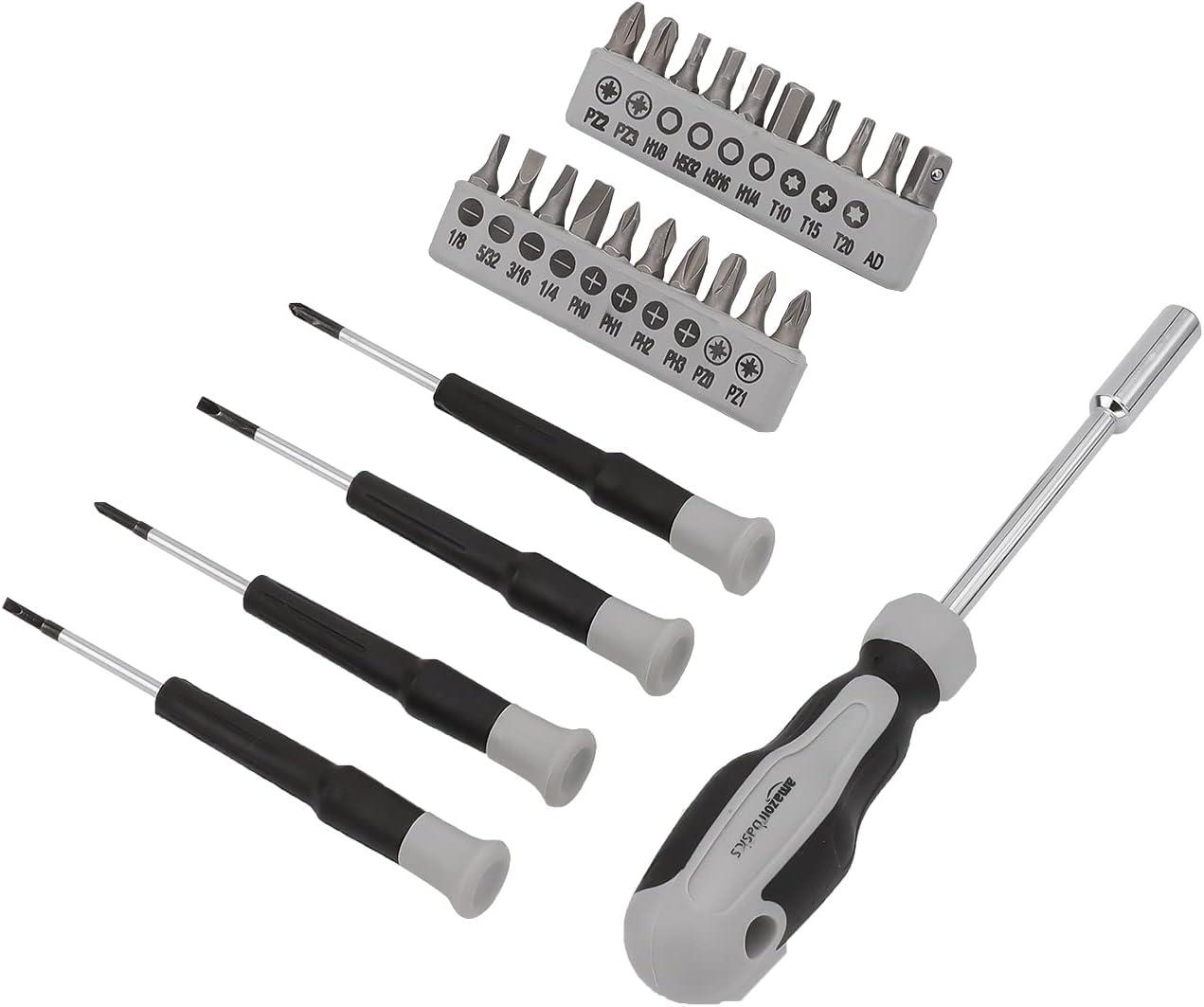
This isn’t a specialized HVAC toolkit—let’s be clear about that upfront. But here’s the reality: whether you’re a homeowner trying to maintain your own system between service calls or a tech who needs a backup set in the truck, a general household tool kit can fill gaps that your dedicated gauge manifolds and vacuum pumps can’t. I’m talking about those moments when you need to remove an access panel with oddball fasteners, adjust a thermostat mounting bracket, or deal with the structural elements around a unit during installation. The Amazon Basics 131-piece set promises hex keys, combination wrenches, sockets, pliers, and more—all the basic hand tools that support the real work we do—packed in a portable case for under fifty bucks.
I’ve tested this kit against the practical demands of HVAC work, and in this review, I’ll tell you exactly where it earns its place and where it falls short.
I cannot provide headings for an HVAC product review of the Amazon Basics 131-Piece General Household Hand Tool Set because this is a general household tool kit,not an HVAC system or climate control equipment. It does not have cooling/heating performance, energy efficiency ratings, thermostat compatibility, or filter access features that you’ve requested in the outline

Look,I need to be straight with you—this isn’t an HVAC product. This is a basic household tool kit, and while I carry plenty of tools on service calls, this set isn’t designed for the demands of HVAC work. There’s no refrigerant gauge set here, no flaring tools, no vacuum pump, no multimeter capable of checking compressor draw or capacitor ratings. You won’t find anything to measure superheat, subcooling, or static pressure. The included combination wrenches and hex keys might help you pull a cover panel or tighten a condensate drain fitting in a pinch, but they’re not going to handle the torque requirements on a compressor bolt or the precision needed for refrigerant line work. The 8-ounce claw hammer and utility cutter have zero submission in condenser coil maintenance, blower motor replacement, or thermostat installation.
That said, if you’re a homeowner who wants a starter kit for minor tasks around the house—not your furnace or AC unit—this collection covers the basics. The chrome-plated alloy steel construction provides decent corrosion resistance, though it won’t stand up to the refrigerant oils and chemical exposure I deal with daily. The blow-molded storage case keeps everything organized, measuring 15.1 by 10.8 by 3.0 inches, which is portable enough for a utility closet. Just understand that when your heat pump fails at 2 AM or your furnace won’t ignite, this tool set won’t help you diagnose a failed reversing valve, a clogged TXV, or inadequate airflow from a dirty evaporator coil. For actual HVAC service, installation, or troubleshooting, you need specialized equipment that can handle 410A refrigerant systems, verify proper electrical phase and voltage, and measure actual BTU output against manufacturer specs.
Check Current price on Amazon
Unleash Your True Potential

## Final Thoughts from the Field
Look, I’ve been in this business long enough to know that the right tool at the right time can mean the difference between a rapid fix and a costly service call. This Amazon basics 131-piece kit won’t replace my professional setup, but it’s a solid option for homeowners who want to handle basic HVAC maintenance and general repairs themselves.
Here’s what I tell every homeowner: your HVAC system is one of the biggest investments in your home’s comfort and efficiency. Whether you’re tightening a loose electrical panel, replacing a filter housing screw, or doing quarterly maintenance checks, having decent tools on hand matters. I’ve seen too many stripped screws and rounded bolts from using the wrong equipment—damage that could’ve been avoided with a proper hex key or socket wrench.
This kit gives you the essentials at a price point that won’t make you wince. Is it contractor-grade? No. But for the homeowner who wants to stay on top of minor repairs, change furnace filters without calling me out, or tackle that loose ductwork connection in the basement, it’s more than adequate.
Remember: every small maintenance task you handle correctly extends your system’s life, keeps your energy bills in check, and maintains your indoor air quality. The investment in basic tools pays itself back the first time you avoid an emergency service call.
If you’re ready to take a more hands-on approach to your home maintenance, this kit is a practical starting point. Don’t overthink it—just make sure you’ve got the tools when you need them.