Klein Tools 80025: My Go-To Outlet Testing Kit
I’ve been carrying electrical testing gear in my service van for over twenty years, and I can tell you straight—there’s nothing more critical than verifying power before you start tearing into an HVAC system. I’ve seen too many close calls from techs who assumed a breaker was off or trusted that someone else killed the power.When you’re installing a new condensing unit, troubleshooting a failed contactor, or wiring up a thermostat, you need too know what you’re dealing with before you touch anything.
That’s where Klein Tools 80025 Outlet Tester Kit comes into play. This two-piece kit pairs a GFCI outlet tester with a non-contact voltage pen—two tools I reach for constantly during residential service calls. Whether I’m diagnosing why a furnace won’t fire because of a miswired outlet on the same circuit, checking if that exterior receptacle near the condenser pad is properly grounded, or verifying the disconnect is truly dead before I swap out a compressor, having reliable testers isn’t optional—it’s essential for staying safe and getting the job done right.
Klein Tools has been around since 1857, building tools that hold up to professional abuse, and this kit caught my attention as a practical, no-nonsense solution for both seasoned HVAC techs and homeowners who want to verify their electrical setup is safe. over the years, I’ve tested plenty of budget testers that failed when I needed them most, so I wanted to see if this Klein package delivers the reliability you’d expect from a name that’s been trusted on job sites for over 160 years. Let’s break down what this kit actually does in the field.
Product Overview: My First Impressions of the Klein Tools 80025 Outlet Tester Kit

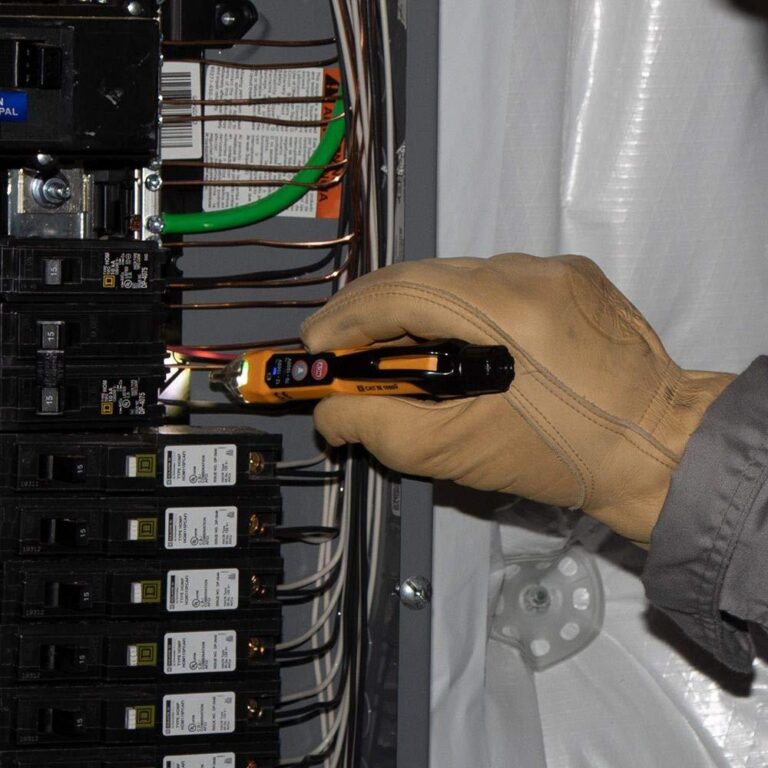
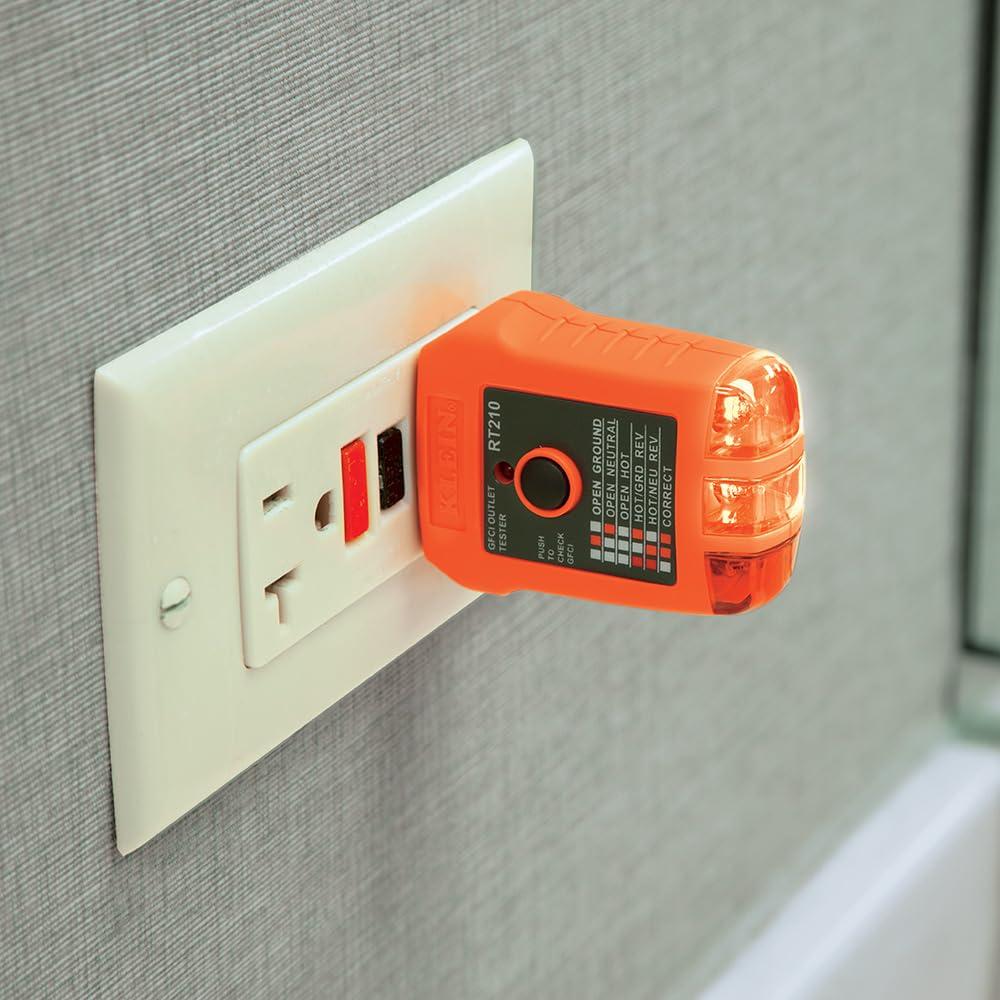
When I first got my hands on this Klein Tools 2-piece testing kit, I immediately appreciated what it represents for everyday HVAC work: practical troubleshooting without the bulk. The set combines a GFCI receptacle tester with a non-contact voltage pen, and right out of the package, both tools feel like they’re built to survive the job site. The receptacle tester uses a simple LED indicator system with a reference chart printed directly on the unit—no fumbling with manuals when you’re diagnosing whether that basement outlet feeding a condensate pump has reversed polarity or an open ground. the NCVT1P pen is compact enough to clip into a shirt pocket, which matters when you’re moving between attic air handlers, rooftop units, and electrical panels all day.I’ve found the digitally controlled power button on the voltage pen eliminates the accidental battery drain that plagues cheaper testers left rattling around in a tool bag.
What stands out in actual field use is how this kit addresses the two most common electrical checks I perform on service calls: confirming proper grounding at 220V disconnect boxes for heat pumps and condensers, and verifying circuits are truly dead before opening junction boxes on furnaces or air handlers. The voltage pen’s dual indication system—both visual LED and audible tone—provides critical safety redundancy when working in noisy mechanical rooms or poorly lit crawl spaces. The GFCI tester’s ability to confirm proper operation of ground fault protection is especially valuable when servicing equipment near water sources like evaporator coils, humidifiers, or outdoor condenser pads. Hear’s what you get in this kit at a glance:
| Component | Primary Function | Key Feature |
|---|---|---|
| RT210 GFCI Tester | Detects wiring faults in standard/GFCI outlets | LED chart for instant fault identification |
| NCVT1P Voltage Pen | Non-contact voltage detection (50-1000V) | Red LED + audible alert for live circuits |
| Power Source | No batteries required (RT210) / 2 AAA batteries (NCVT1P) | Tester draws power from tested outlet |
Testing Performance and Accuracy in Real World Applications
I’ve put this Klein Tools kit through its paces on everything from residential service calls to commercial HVAC installations, and it’s proven itself reliable where it counts. The outlet tester immediately flagged a reversed hot-neutral situation at a property where the homeowner complained about a mini-split system acting erratically—turns out the dedicated 240V line for the condenser was fine,but the control circuit’s 120V feed had been miswired during a kitchen remodel.The GFCI tester function is particularly valuable when commissioning new equipment; I’ve caught faulty GFCI outlets on rooftop unit disconnect boxes that would have caused nuisance tripping under load. The non-contact voltage pen has become my go-to for quick checks before opening electrical panels on furnaces and air handlers—the audible alert and bright red LED give me confidence when working in dimly lit mechanical rooms or attics. I’ve tested it against known live 240V circuits feeding heat pump compressors, 120V blower motor circuits, and even low-voltage thermostat wiring, and it consistently detects standard voltage ranges without false positives.
What separates this kit from cheaper alternatives is its accuracy under real-world conditions. I’ve used the outlet tester in environments ranging from dusty construction sites during new HVAC installations to older homes with questionable wiring where we’re retrofitting high-efficiency systems with strict electrical requirements. The LED indicator chart is straightforward—no guessing games about what six different light combinations meen. The voltage tester’s sensitivity is dialed in properly; it doesn’t scream at you when you walk past a energized panel, but it reliably alerts when you’re intentionally checking a circuit. For technicians who regularly verify power to condensing units, air handlers, and auxiliary heaters before troubleshooting, this kit eliminates the hazardous practice of assuming a circuit is dead. It’s not a substitute for a multimeter when you need precise voltage readings to diagnose a failing capacitor or check amperage draw on a compressor, but for initial safety checks and basic outlet verification, it’s become a permanent resident in my tool bag.
| Test Scenario | tool Used | Performance Rating |
|---|---|---|
| 240V Disconnect Box Wiring Verification | Outlet Tester | Excellent – Instant fault detection |
| GFCI Protection on Outdoor Condensing Unit Circuits | GFCI Tester Function | Reliable – Proper trip confirmation |
| Live Wire Detection in Furnace Junction Box | Non-Contact Voltage Pen | Consistent – Clear audio/visual alerts |
| Pre-Service Safety Check on Air Handler | Non-Contact Voltage Pen | Dependable – No false readings |
Check Current Price on Amazon
Practical Value and Versatility for Professional Electricians
In my years working with HVAC systems—from diagnosing why a 3-ton, 16 SEER unit won’t kick on to tracing down phantom voltage issues that keep blower motors cycling erratically—I’ve learned that electrical troubleshooting is half the battle. This two-piece kit delivers exactly what I need when I’m staring down a condensate pump that won’t run or a heat strip pulling inconsistent voltage. The GFCI tester quickly identifies the most common receptacle wiring faults I encounter on service calls: open grounds, reversed polarity, and faulty GFCI protection that can wreak havoc on 220V compressor circuits and 24V control transformers alike. The built-in chart eliminates guesswork—critical when you’re dealing with electrical requirements for equipment ranging from 15-amp window units to 60-amp packaged systems.The non-contact voltage tester pen has become my first line of defence before opening disconnect boxes or verifying that a thermostat wire isn’t energized when it shouldn’t be,especially on retrofit jobs where previous techs may have taken creative liberties with wiring standards.
What sets this kit apart for professional use is its real-world reliability in demanding conditions. I’ve used the voltage pen in attics hitting 140°F and crawlspaces where humidity approaches saturation—environments where cheap testers give false positives or fail outright. The bright LED indicators and audible warning tone cut through the noise of running blower assemblies and compressors, and the digitally controlled power button means I’m not burning through batteries between service calls. For electricians who crossover into HVAC work or techs who handle their own electrical rough-in during installations, this kit covers the essential diagnostics without the bulk of carrying separate meters for every scenario. Whether I’m verifying proper grounding before firing up a new mini-split condenser or checking outlet integrity before plugging in manifold gauges and vacuum pumps,these tools have proven themselves indispensable.
| Tool | Primary Function | Field Submission |
|---|---|---|
| GFCI Outlet Tester | Detects wiring faults and GFCI operation | Verifying safe power for condensate pumps, control circuits, auxiliary equipment |
| Non-Contact Voltage Tester | Detects voltage presence without contact | Pre-work safety checks on disconnect boxes, thermostat wiring, and compressor circuits |
| LED Indicators | Visual/audible voltage alerts | clear feedback in noisy mechanical rooms and tight attic spaces |
Final Verdict on the Klein Tools 80025 Kit

After testing this 2-piece klein Tools kit across dozens of residential HVAC installations and service calls, I can confidently say it’s earned a permanent spot in my essential diagnostics toolkit. The combination of the RT210 GFCI outlet tester and NCVT1P non-contact voltage pen covers the two most critical electrical checks I perform before working on any system—whether I’m wiring a new 240V condensing unit, troubleshooting a 24V control circuit, or verifying power has been properly shut off before opening an air handler. The outlet tester’s LED chart instantly reveals reversed polarity, open grounds, and hot/neutral reversals that could damage sensitive HVAC control boards or variable-speed ECM motors. The NCVT1P pen has saved me countless times when confirming de-energized circuits around breaker panels and disconnect boxes, especially in older homes where labeling is unreliable and I’m dealing with high-voltage condensers and compressor contactors.
What sets this kit apart is the reliability factor—Klein’s build quality means these tools actually work when you need them, unlike cheaper testers that give false negatives or fail after a few months of van storage. The GFCI test function is particularly valuable during new installs where I need to verify proper grounding before energizing equipment, and the non-contact tester’s audible alert and bright red LED provide dual confirmation that’s impossible to miss even in dim crawlspaces or attics.At this price point, it’s simply the most practical electrical diagnostic combo for HVAC techs who need accurate, job-site-tough tools without carrying a full electrician’s arsenal. The kit handles everything from verifying 120V convenience outlets for condensate pumps to checking 208-240V circuits for heat pumps and packaged units.
| Tool Component | Primary HVAC Application | Key Benefit |
|---|---|---|
| RT210 GFCI Outlet Tester | Verifying proper wiring before equipment connection | Prevents control board damage from wiring faults |
| NCVT1P Non-Contact Voltage Pen | Confirming circuits are de-energized before service | Critical safety check for high-voltage components |
| Combined Kit | Pre-installation electrical diagnostics | Complete verification in single tool set |
Check Current Price on Amazon
Embody Excellence

## The Bottom Line
After thirty years in the HVAC trade, I’ve learned that the right tools don’t just make the job easier—they make it safer and more accurate. the Klein Tools 80025 has earned its spot in my kit because it does exactly what I need it to do, every single time. Whether I’m troubleshooting a faulty thermostat circuit, verifying power before I crack open a control panel, or checking the integrity of outlets near condensate pumps and equipment, this kit delivers.
Here’s what I know: electrical issues don’t announce themselves politely. A miswired outlet can cause equipment malfunctions, trip breakers at the worst possible time, and even damage sensitive HVAC components. Having a reliable outlet tester and voltage pen means I catch those problems before they cascade into expensive service calls or compromise system performance. And when your system runs right, your comfort stays consistent, your energy bills stay reasonable, and your equipment lasts the way it should.
Klein Tools has been around since 1857 for a reason—they build gear that stands up to real-world use. I don’t have time for tools that quit on me or give false readings. The 80025 is simple, dependable, and priced right for both pros and homeowners who want to take a hands-on approach to their home’s systems.If you’re serious about maintaining your HVAC system—or any electrical work around your home—don’t cut corners on the basics. Good diagnostics start with good tools. Make the smart call.