voltage tester

  • My Hands-On Review: Klein NCVT-4IR Voltage Tester

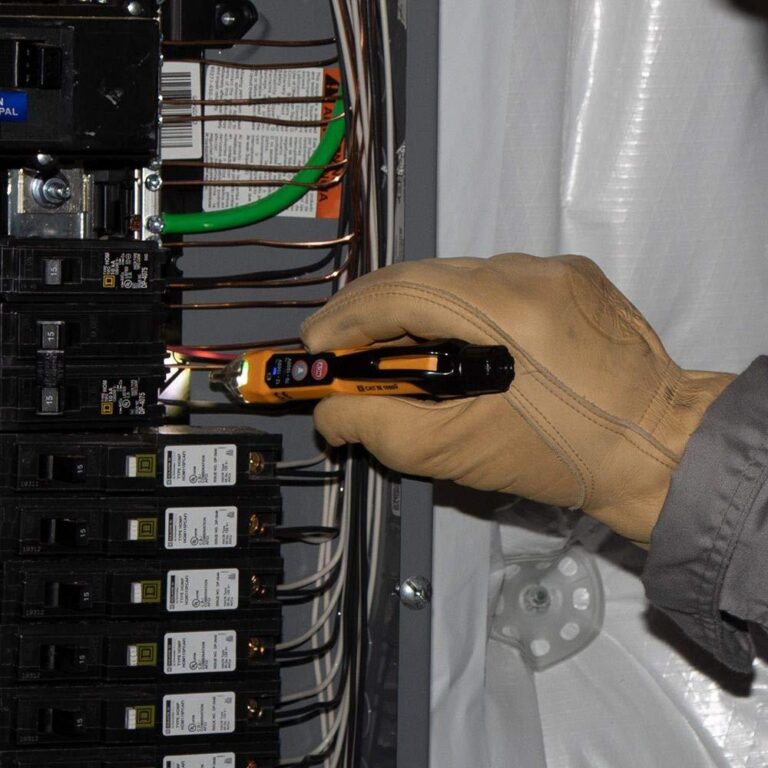
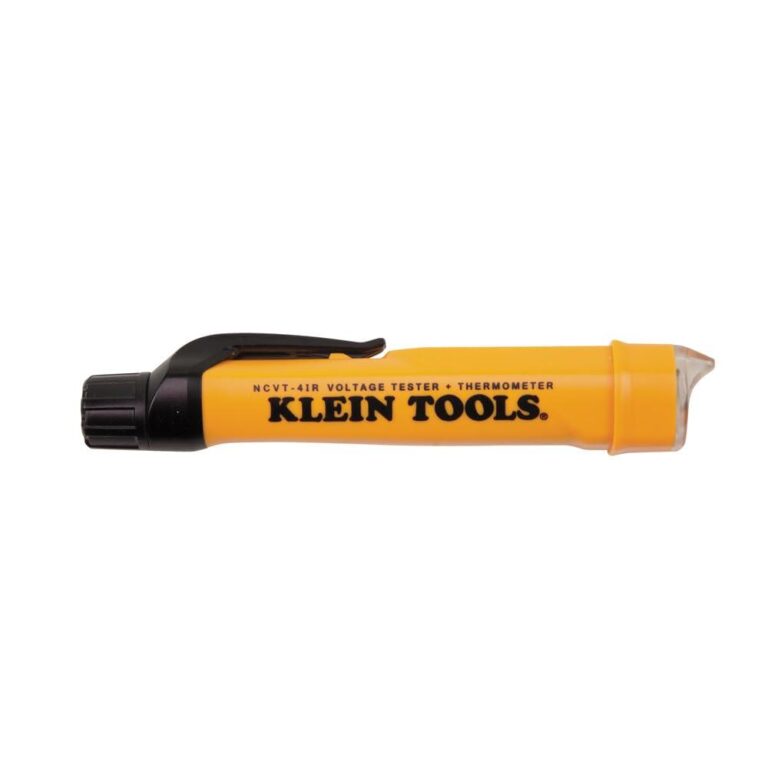
    I’ve been running the Klein NCVT-4IR through its paces for the past three months, and this thing has earned a permanent spot in my shirt pocket. What sold me wasn’t the spec sheet—it was that first service call where I traced a dead compressor, checked voltage, and grabbed surface temps on the condenser coil without juggling three different tools. The IR thermometer reads fast and accurate enough for quick diagnostics, and the voltage detection is sensitive without being jumpy like some cheaper pens I’ve tried. Sure, at around $60 it’s not the cheapest tester out there, but when you’re crawling through attics in July or troubleshooting furnaces at midnight, having one reliable tool beats carrying a toolbox. It’s held up to real-world abuse, and that matters more than any feature list.

  • Klein Tools 80025: My Go-To Outlet Testing Kit

    After fifteen years in HVAC, I’ve learned that electrical troubleshooting separates the pros from the amateurs. The Klein Tools 80025 has become my daily driver for one simple reason: it just works. I’ve tested countless outlets in attics, crawlspaces, and mechanical rooms where a single misread could mean real problems. This kit gives me the confidence to diagnose wiring issues fast—the GFCI tester handles what it’s supposed to, and that non-contact voltage pen has saved me from hot wires more times than I care to admit. Klein didn’t overthink this one. It’s compact, reliable, and priced right for techs who need results, not gimmicks. Whether you’re running service calls or doing installs, this kit deserves a spot in your bag.

  • Klein NCVT1P: My Go-To Voltage Tester for HVAC

    After burning through half a dozen cheap voltage testers that either gave false positives or quit working after a few months, I finally grabbed Klein’s NCVT1P—and it’s been clipped to my pocket ever since. This thing just works. The dual indication system (beep plus flashing LED) means I can confirm voltage even when I’m wedged behind a furnace in a noisy mechanical room. What really sold me is the reliability: it’s sensitive enough to catch voltage through wire insulation, but doesn’t go haywire near static like some testers do. The 50V to 1000V AC range covers everything I encounter in residential and light commercial work. At this price point, it’s become the first tester I reach for on every service call. Simple, durable, and dependable—exactly what you need when safety is on the line.

  • Klein RT210 Review: My Go-To Outlet Tester

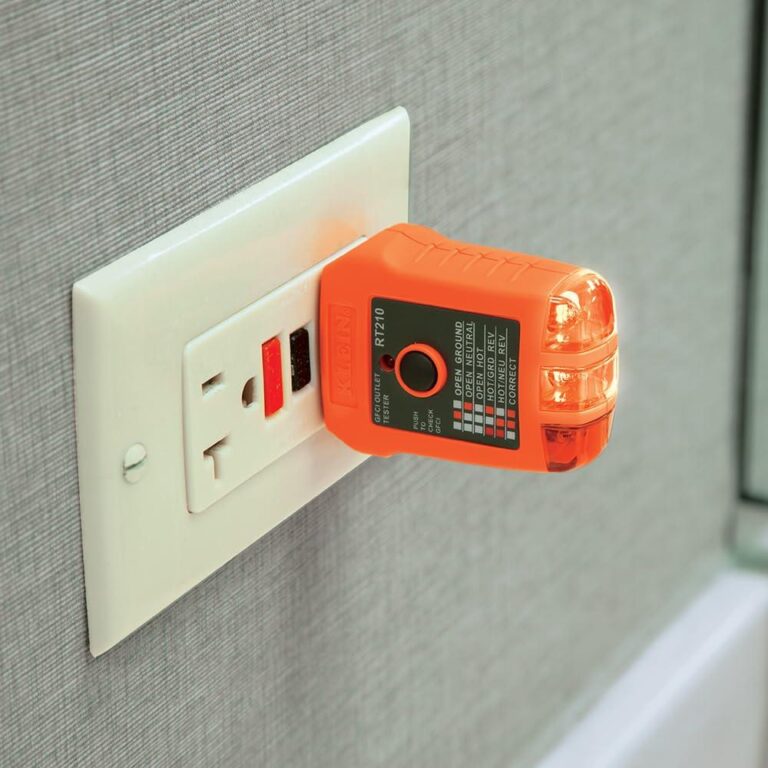
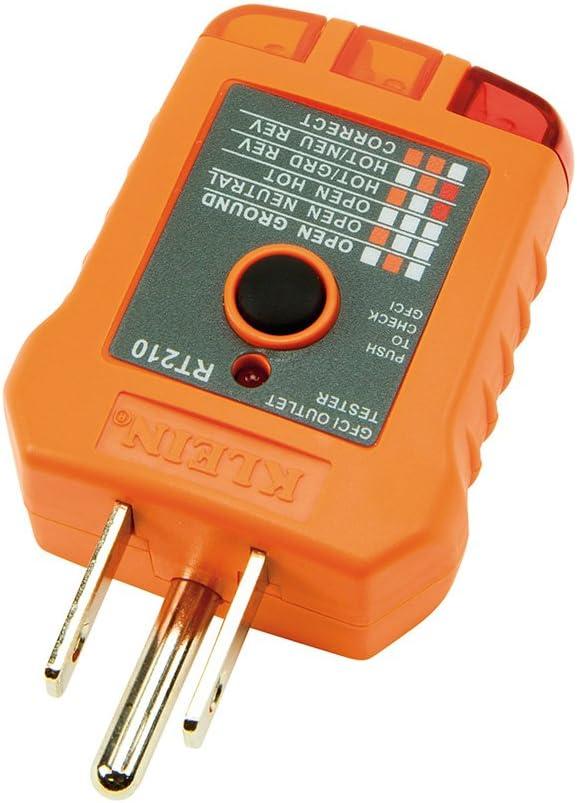
    I’ve been carrying the Klein RT210 in my tool bag for the past two years, and it’s become one of those tools I reach for without thinking. As an HVAC tech, I’m constantly checking outlets before I install equipment, and this little tester has saved me from more headaches than I can count. It’s dead simple—plug it in, read the lights, done. No complicated menus or batteries to die mid-job. What I appreciate most is how it catches the wiring issues that’ll actually cause me problems: open grounds, reversed polarity, the usual suspects. The GFCI test button works every time, which sounds basic but you’d be surprised how many testers get flaky after a few months of real use. It’s tough, reliable, and priced right for something I’m not worried about breaking on a job site.