

leveling tool

  • Klein Tools 935AB4V: My Go-To Torpedo Level

    After running through countless torpedo levels over the years, I’ve finally found one that doesn’t quit on me. The Klein 935AB4V has become a permanent fixture in my tool bag, and for good reason. That high-vis orange isn’t just for show—when you’re working in dim mechanical rooms or crawl spaces, you can actually spot this thing without playing hide-and-seek with your gear. The magnetic track grabs onto ductwork and conduit like it means business, freeing up both hands when you need them most. What really sold me are those four vial options (0/30/45/90 degrees). Whether I’m checking drain lines or setting up complex duct runs, I’ve got the angle I need without switching tools. The V-groove is clutch for pipe work too. It’s built tough enough to handle real jobsite abuse, and at six inches, it fits perfectly where larger levels won’t.
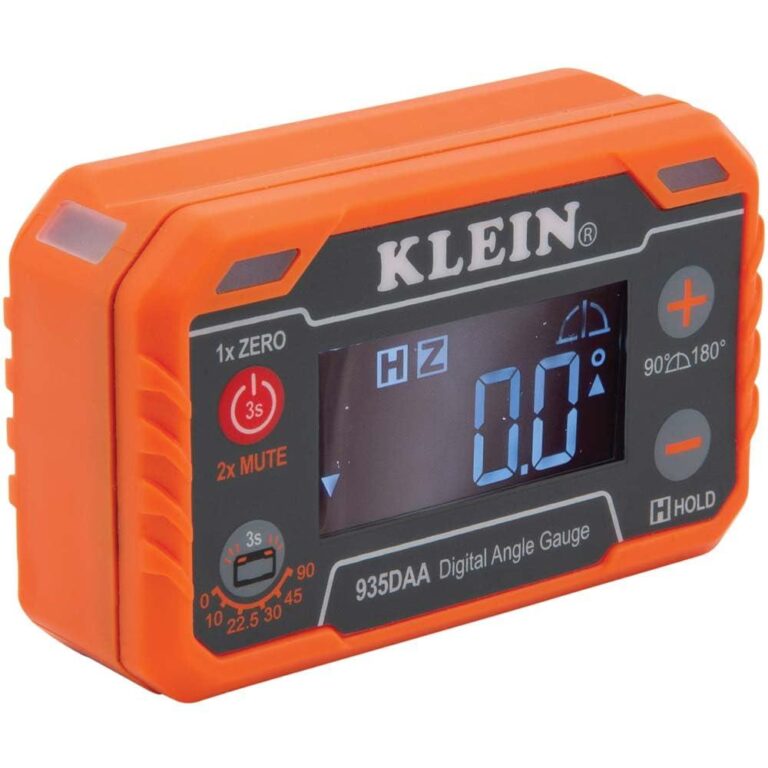
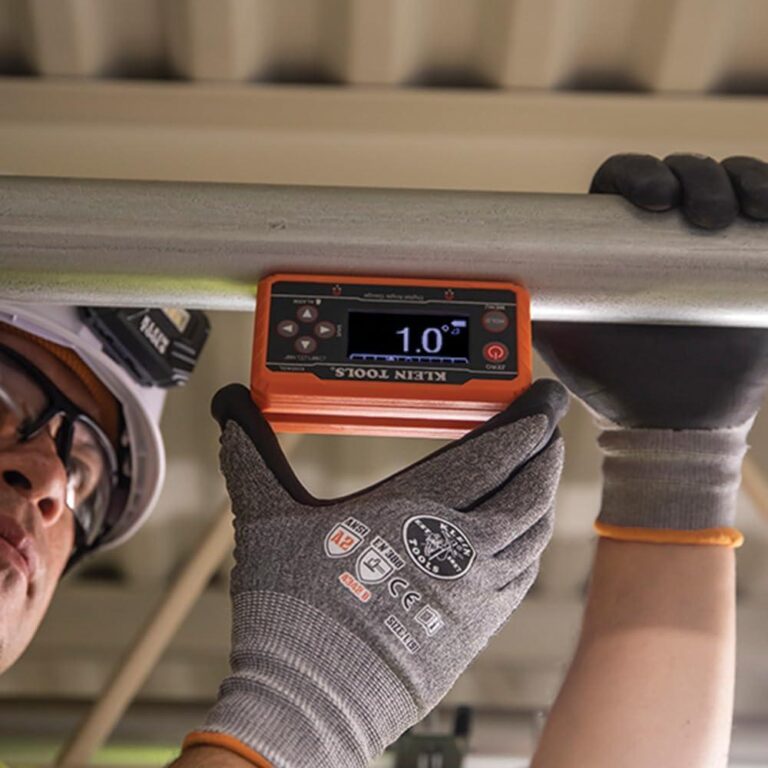
  • Klein 935DAA: My Go-To Level for Ductwork Angles

    I’ve been running duct for over a decade, and I can tell you that eyeballing angles doesn’t cut it anymore—especially when you’re dealing with high-efficiency systems where every degree matters. The Klein 935DAA has become my daily driver for setting proper ductwork slopes and checking equipment level. What sold me is how it handles the real-world stuff: the magnetic base actually holds on greasy plenums, the display stays readable even in dim crawlspaces, and those LED alerts mean I don’t have to squint at tiny bubbles while I’m twisted into some awkward position. It switches between 0-90 and 0-180 ranges fast, which is clutch when you’re setting drain pans one minute and checking blower mounts the next. Is it perfect? No. But it’s tough, accurate, and actually makes my job easier—that’s all I need.

  • Klein 935DAGL Review: My Go-To Digital Level

    I’ve been using the Klein 935DAGL for about eight months now, and it’s become the first tool I grab when setting up ductwork or checking condenser pads. What sets this level apart isn’t just the dual-axis capability—it’s that the thing actually holds calibration. I’ve dropped it twice (concrete floor, naturally), and it still reads dead-on accurate.

    The programmable angle feature saves me serious time on sloped drain lines. Instead of doing mental math or pulling out my phone calculator, I just set my target angle and go. The display is bright enough to read in dim crawlspaces, and the magnetic base is strong enough that it stays put on sheet metal while I make adjustments.

    Is it pricey compared to a bubble level? Sure. But when you’re billing by the job, speed and accuracy pay for themselves fast.