
electrical equipment

  • Klein RT390 Circuit Analyzer: My Honest Field Test

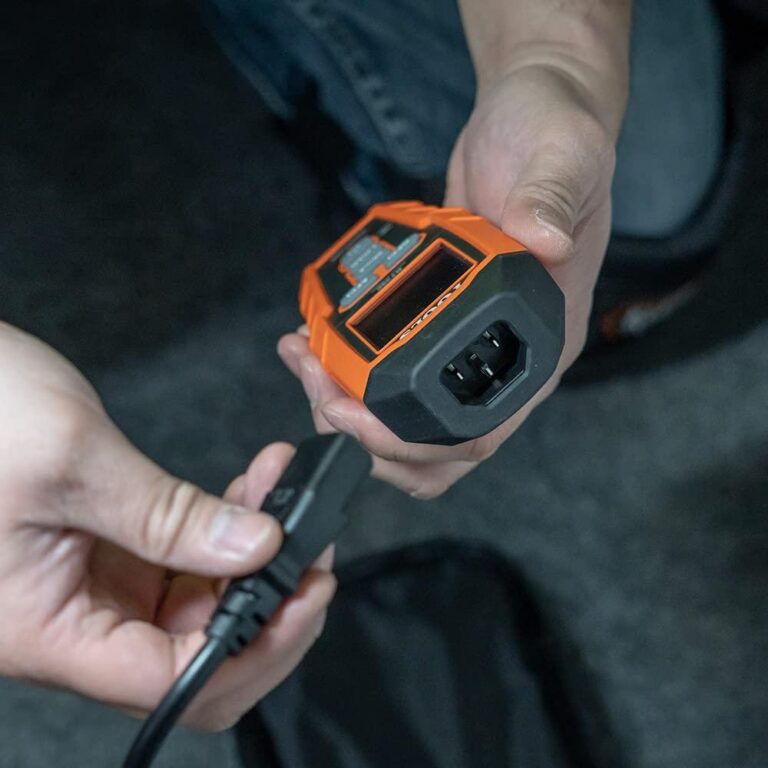
    I’ve been running the Klein RT390 through its paces for the past three months on residential service calls, and it’s become the first tool I grab when troubleshooting electrical issues. What sets this analyzer apart isn’t just the oversized LCD-though seeing results without squinting in dim crawlspaces is a game-changer-it’s how it handles the messy reality of older home wiring. The voltage drop function has already saved me hours of guesswork on two problematic circuits, and the trip time display gives me actual numbers to show homeowners when their GFCI is borderline. Klein built this thing solid; mine’s survived drops, dirt, and being buried under tools in my van. It’s not cheap, but neither is my time. If you’re serious about electrical diagnostics in HVAC work, the RT390 earns its keep.
  • Klein L1412 Review: My Go-To Wire Prep Tool

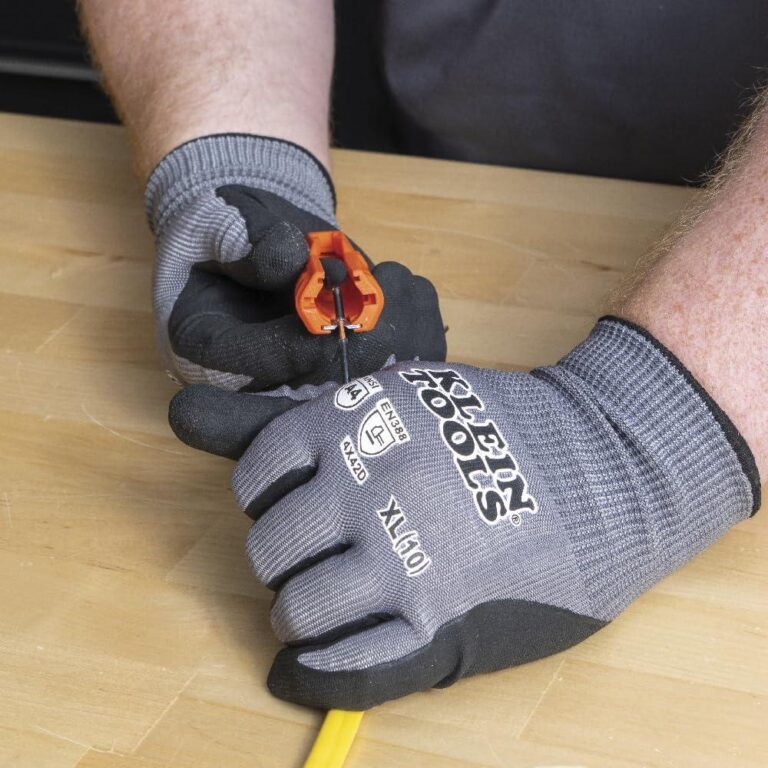
    After six months of daily use on residential HVAC installs, the Klein L1412 has earned its spot in my daily carry. I’ve stripped countless thermostat wires and control circuits with this thing, and it consistently delivers clean cuts without nicking the copper-something I can’t say about the cheaper tools I’ve tried.

    What sets it apart? The magnetic tip actually holds screws when you’re working in tight furnace panels, and that wire looping hole saves time when hooking around terminals. The Romex ripper handles 12/2 and 14/2 without shredding the jacket, which matters when you’re running new circuits to mini-split condensers.

    Is it perfect? No tool is. But for HVAC work where you’re dealing with both low-voltage control wiring and branch circuits, this 5-in-1 handles the variety without switching tools constantly.

  • Klein 69381 Test Leads: A Pro’s Honest Take

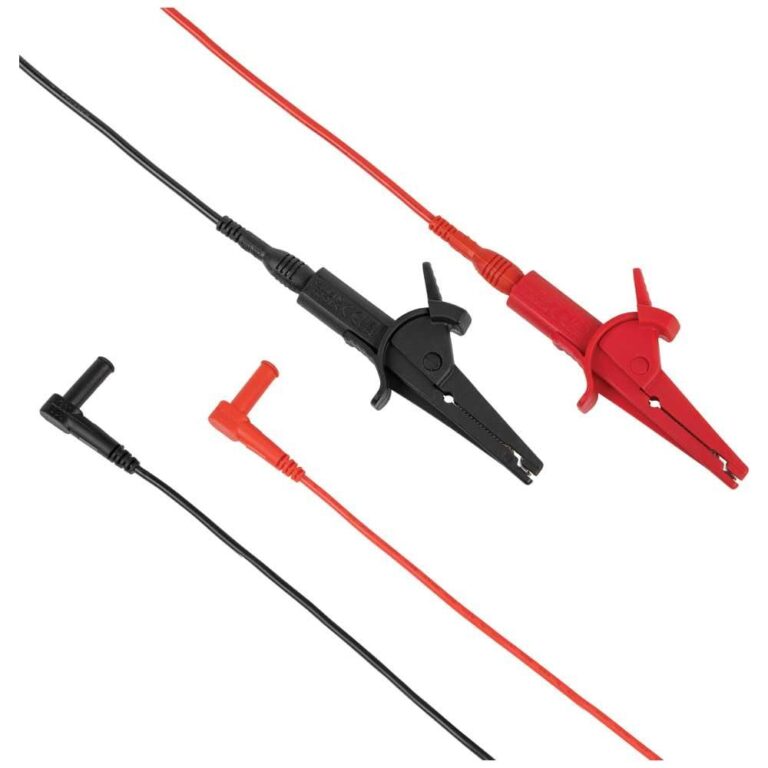
    I’ve been running HVAC service calls for over a decade, and I’ve burned through more test leads than I care to admit. When Klein released the 69381s, I was skeptical—another “heavy-duty” claim from a manufacturer. But after six months of daily use, these leads have earned their spot in my tool bag. The alligator clips actually grip like they mean it, even on corroded terminals, and the 3-foot length hits that sweet spot where you’ve got reach without tangled mess. What really sold me? They’ve survived being slammed in van doors, dragged across rooftops, and forgotten in 120-degree attics. The banana plugs are still solid, no wiggle. Are they perfect? No. But they’re the first leads I’ve used that don’t feel like disposable junk. For the price point, they’re legitimate.