Klein Tools DK06 Duct Knife: My Go-To Blade
I’ve carried a lot of knives in my years working HVAC, and most of them either ended up dull after a week of cutting duct board or broke when I needed them most. When you’re up in an attic in July wrestling with flex duct and fiberglass board, the last thing you want is a tool that doesn’t pull its weight. That’s why I’m taking a hard look at the Klein Tools DK06 Serrated Duct Knife-a purpose-built blade that Klein claims can handle both flexible duct and duct board without flinching.
Klein’s been making tools since before air conditioning was even a thing in homes, so they know what professional tradesmen need. This particular knife caught my attention because it addresses a real problem we face in the field: you need clean cuts on insulated flex duct for proper connections and airflow, but you also need something that’ll slice through dense duct board without tearing it up. Ragged cuts mean air leakage, and air leakage means your customer’s carefully spec’d SEER rating goes right out the window, along with their energy savings.
The DK06 features a double-edged stainless steel blade-serrated on one side for aggressive cutting through fiberglass board, smooth on the other for cleaner cuts on flex duct-and comes with a sheath that’s actually supposed to resist punctures. In this review, I’m going to tell you whether this knife lives up to Klein’s reputation, whether it’s worth the investment for your tool bag, and how it actually performs when you’re in the field trying to make your tenth duct run of the day.
Klein Tools DK06 Serrated Duct Knife Overview and First Impressions
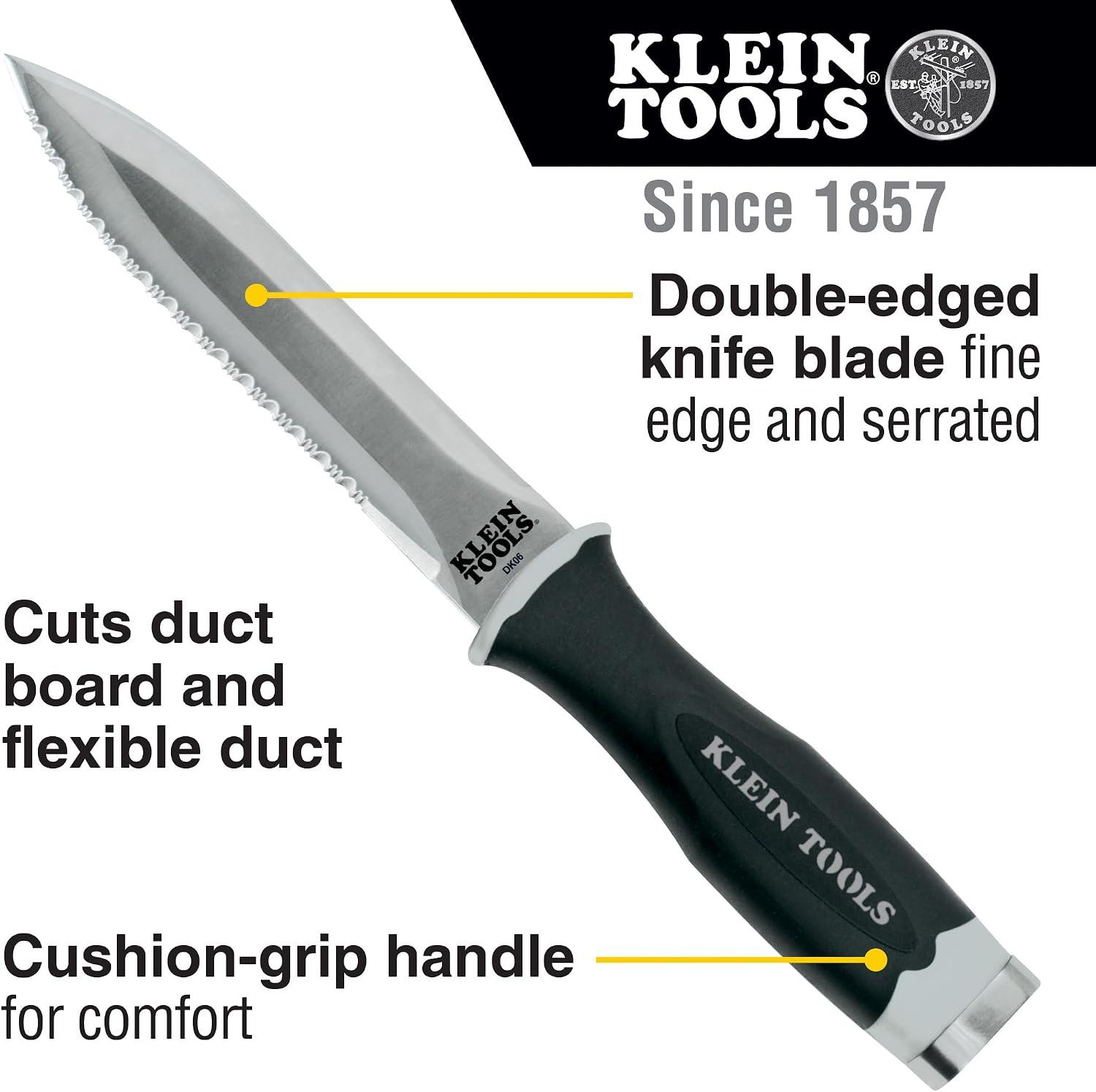
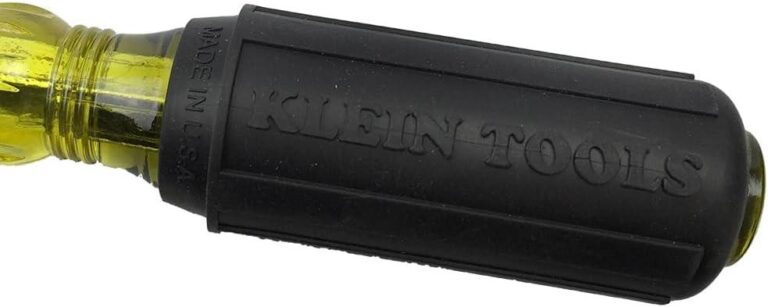
Right out of the package, this knife feels like it was designed by someone who’s actually spent time in attics and crawlspaces wrestling with ductwork. The dual-sided stainless steel blade is the standout feature here-one side has a serrated edge for aggressive cuts through tough duct board, while the other sports a fine edge for cleaner slices through flexible duct and vapor barriers. After years of using separate tools or constantly switching blades during installations, having both edges on one knife is a real time-saver, especially when you’re up on a ladder working around supply plenums or trying to tie in a new zone for a high-efficiency multi-stage system. The Cushion-Grip handle provides solid control without hand fatigue, which matters when you’re cutting custom trunk lines for a 4-ton system or trimming flex duct runs for those tight residential returns where every inch of airflow counts.
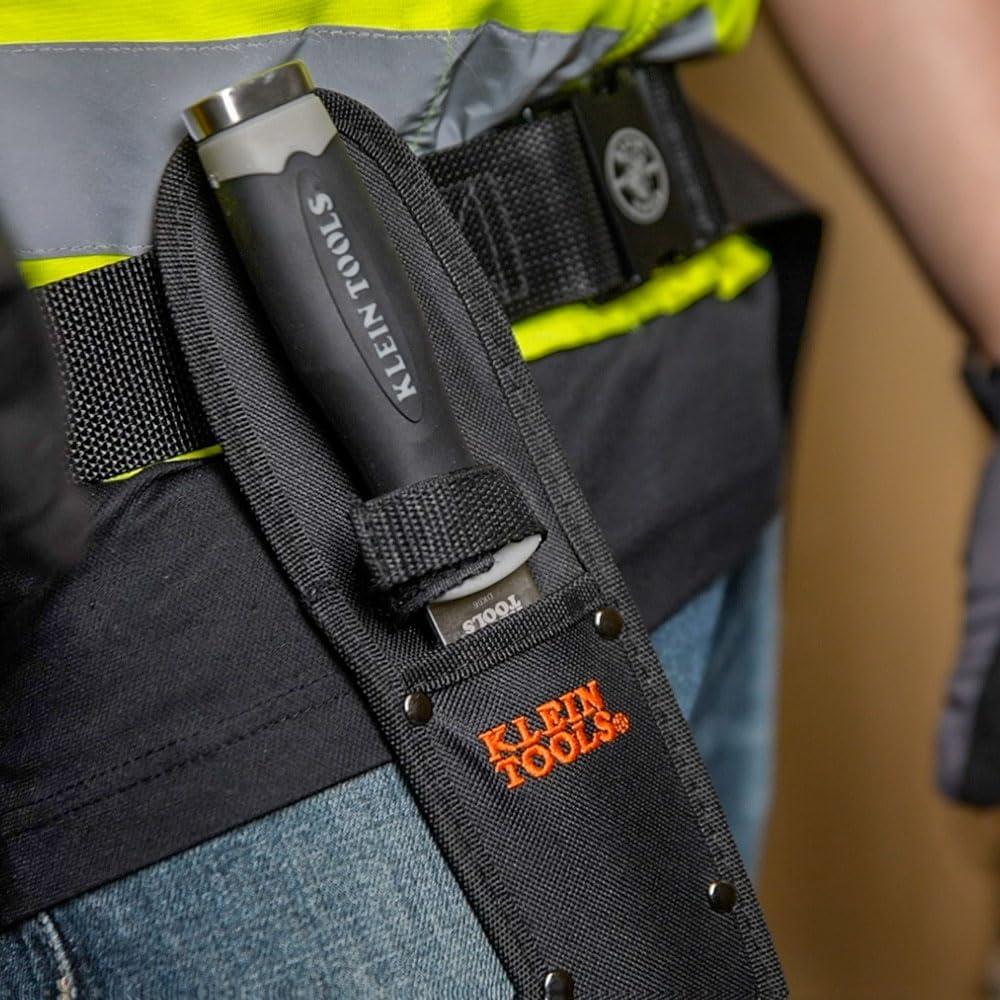
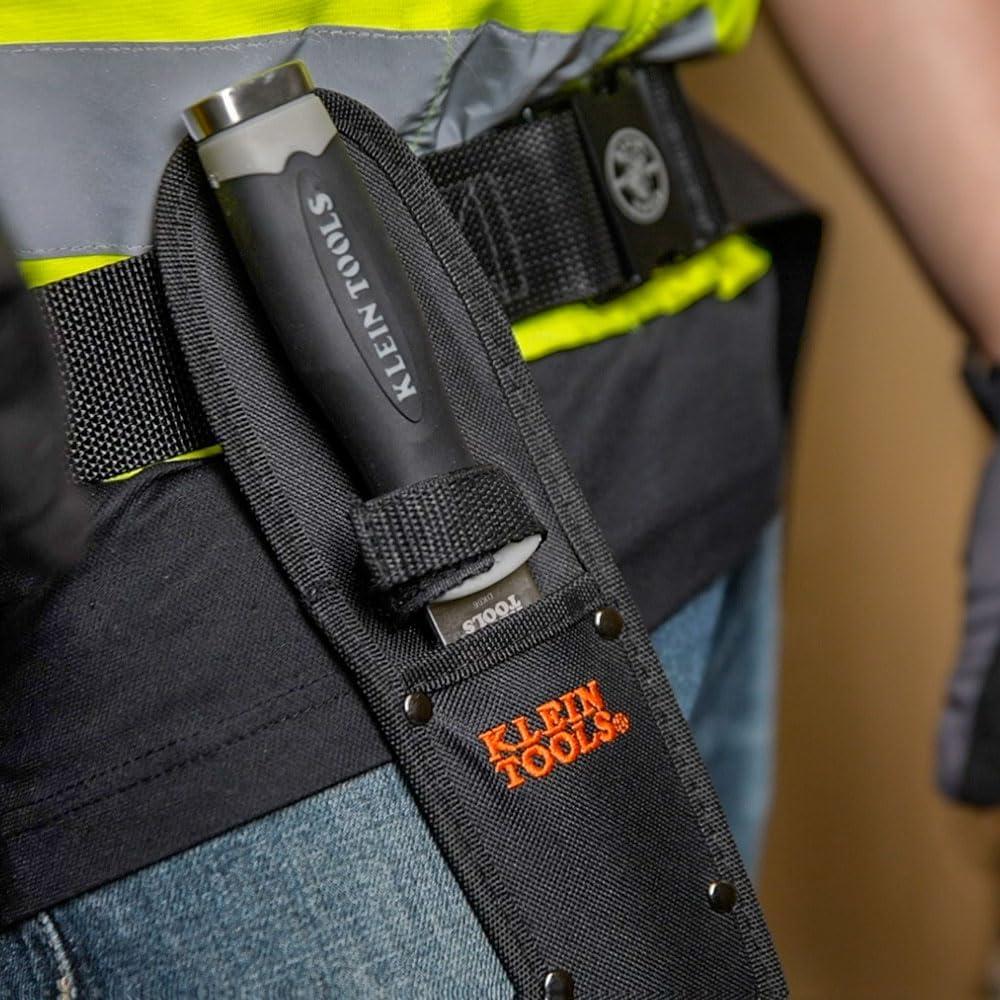
The puncture-resistant nylon sheath with belt loop is a thoughtful addition that keeps the blade protected and accessible without adding bulk to your tool belt-something I appreciate when I’m already carrying manifold gauges, a multimeter, and recovery equipment on service calls. I’ve had cheaper duct knives where the sheath falls apart after a few months or the blade dulls out after cutting through a dozen sections of R-6 or R-8 insulated flex duct, but the stainless steel construction here suggests this tool will hold up through multiple installation seasons. Whether you’re roughing in ductwork for a new 16 SEER heat pump installation, modifying supply runs to improve static pressure in an underperforming zone, or doing service work on existing systems where you need to access damaged sections of flex duct, this knife handles the variety of materials we encounter daily without requiring constant sharpening or replacement.
| Specification | Details |
|---|---|
| Blade Type | Dual-edged stainless steel (serrated + fine edge) |
| Primary Use | Flexible duct, duct board, vapor barriers |
| Handle | Cushion-Grip for comfort and control |
| Sheath | Puncture-resistant nylon with belt loop |
| Build Quality | Professional-grade, American family-owned brand since 1857 |
Key Features:
- Dual-edge blade design eliminates the need to carry multiple cutting tools on residential and light commercial jobs
- Serrated edge cuts cleanly through rigid duct board without crushing or tearing insulation
- Fine edge handles flexible duct, vapor barriers, and mastic tape with precision
- Stainless steel construction resists corrosion in humid attics and crawlspaces
- Secure sheath with belt loop keeps the blade protected and within easy reach during installations
How the Blade Design Handles Different Duct Materials
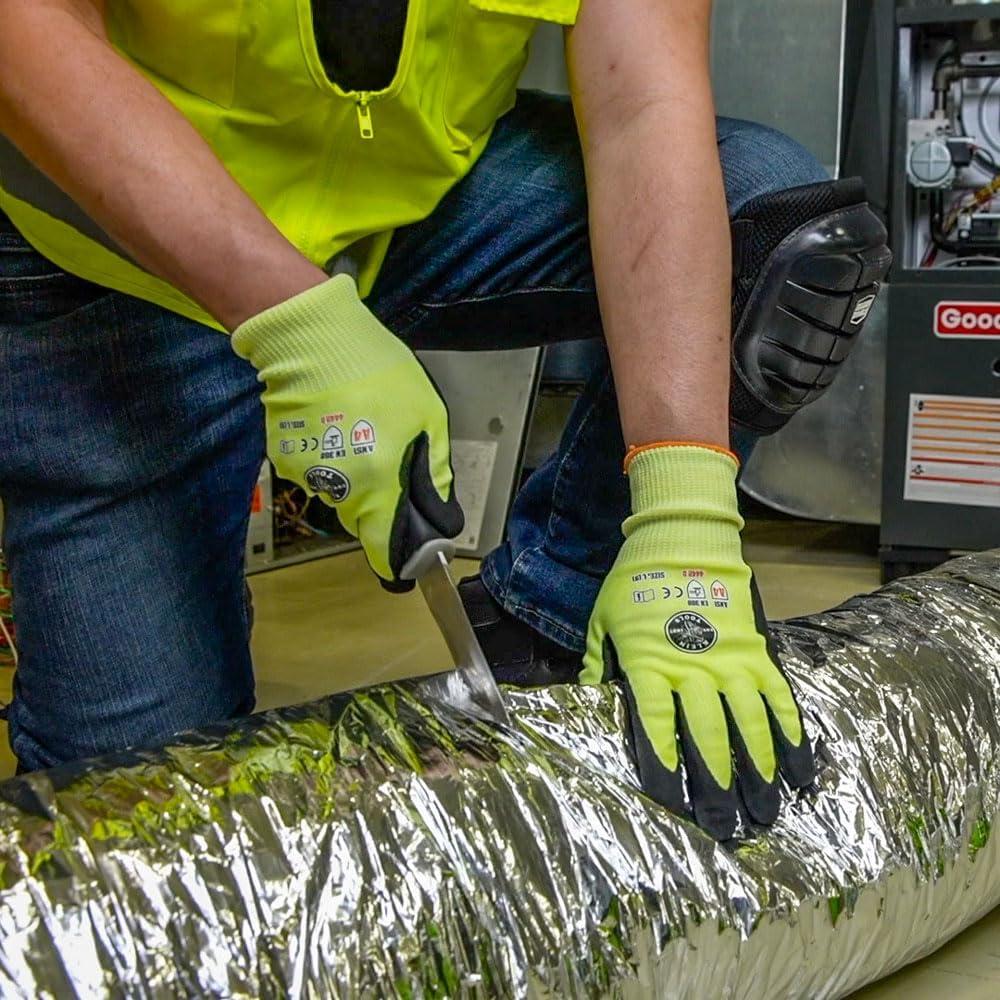
The dual-sided blade configuration on this knife is what makes it genuinely field-ready for the variety of materials we encounter daily. The serrated edge cuts through fiberglass duct board like butter, which is critical when you’re installing supply trunks in tight attic spaces for high-capacity systems-think 4-ton and 5-ton units pushing 1,600 to 2,000 CFM. I’ve used it on both standard 1-inch and 1.5-inch duct board, and the serrations grip the material without tearing or creating jagged edges that compromise the seal. On the flip side, the fine edge handles flexible duct jackets and inner liners with precision, especially when you’re making clean cuts around register boots or transitioning from rigid to flex on branch runs. This versatility eliminates the need to carry multiple blades, which matters when you’re already loaded down with manifold gauges, a micron gauge, and recovery equipment on a changeout job.
What I appreciate most is how the stainless steel holds up against the fiberglass strands and metalized vapor barriers common in modern R-6 and R-8 insulated flex duct. Cheaper blades dull quickly on the wire helix and foil layers, but this one maintains its edge even after cutting dozens of sections during a full duct replacement on a variable-speed system installation. The fine edge is also ideal for trimming foam board insulation around linesets when you’re installing mini-splits or zoned systems with multiple air handlers. I’ve tested it on everything from standard fiberglass board to foil-faced polyiso, and it transitions between materials without binding or requiring excessive pressure. For techs running service calls or handling new construction where you’re cutting duct for systems ranging from 18,000 BTU mini-splits to 60,000 BTU package units, this blade design genuinely reduces fatigue and speeds up the job.
| Duct Material | Recommended Edge | Performance Notes |
|---|---|---|
| Fiberglass Duct Board (1″ – 2″) | Serrated Edge | Clean cuts without tearing; ideal for trunk fabrication |
| Flexible Duct (R-6, R-8) | Fine Edge | Precise cuts through vinyl/foil jackets and inner core |
| Foam Board Insulation | Fine Edge | Smooth trimming around linesets and penetrations |
| Metalized Vapor Barriers | Fine Edge | Cuts foil layers without excessive wear on blade |
Ergonomics and Daily Use on Job Sites
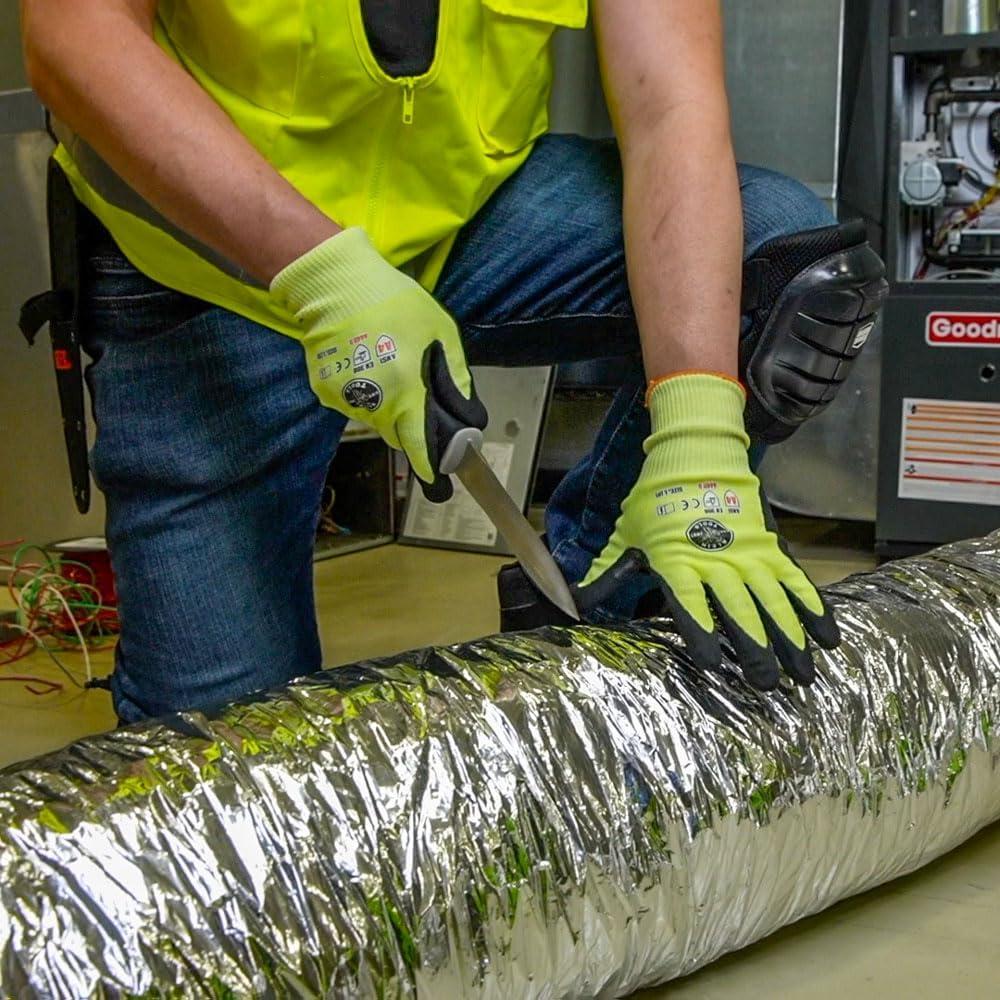
After hundreds of residential and commercial installs, I’ve learned that a knife you don’t have to think about is worth its weight in copper. The dual-edge design here-serrated on one side, fine on the other-means I’m not fumbling for a second blade when switching between flex duct and duct board. The cushion-grip handle doesn’t sound revolutionary until you’re wrapping insulated flex around branch runs in a 130-degree attic or cutting fiberglass board in tight crawlspaces where every hand position matters. The grip stays comfortable even when my gloves are soaked through, and the blade weight is balanced enough that fatigue doesn’t set in during those marathon changeover jobs where you’re prepping ductwork for a 3-ton, 16 SEER system with multiple zones. The puncture-resistant sheath with belt loop keeps the knife secure whether I’m on a ladder, crawling through joists, or moving between the condensing unit outside and the air handler in the garage.
What separates this from discount options is how it performs across different materials and conditions. The serrated edge chews through R-6 and R-8 flex duct without snagging the inner liner-critical when you’re trying to maintain proper airflow in calculated duct runs for high-efficiency systems. The fine edge handles duct board cleanly, which matters when you’re fabricating plenums or custom fittings where ragged cuts create turbulence and reduce system performance. I’ve used this knife on jobs ranging from 18,000 BTU mini-splits to 5-ton package units, and it’s never let me down during filter rack fabrication, duct modification, or emergency repair calls where speed and precision both count. The stainless steel holds an edge well enough that I’m not constantly resharpening between jobs, and the sheath has survived being dropped, sat on, and buried under toolbags without tearing.
Long Term Durability and Value for HVAC Professionals
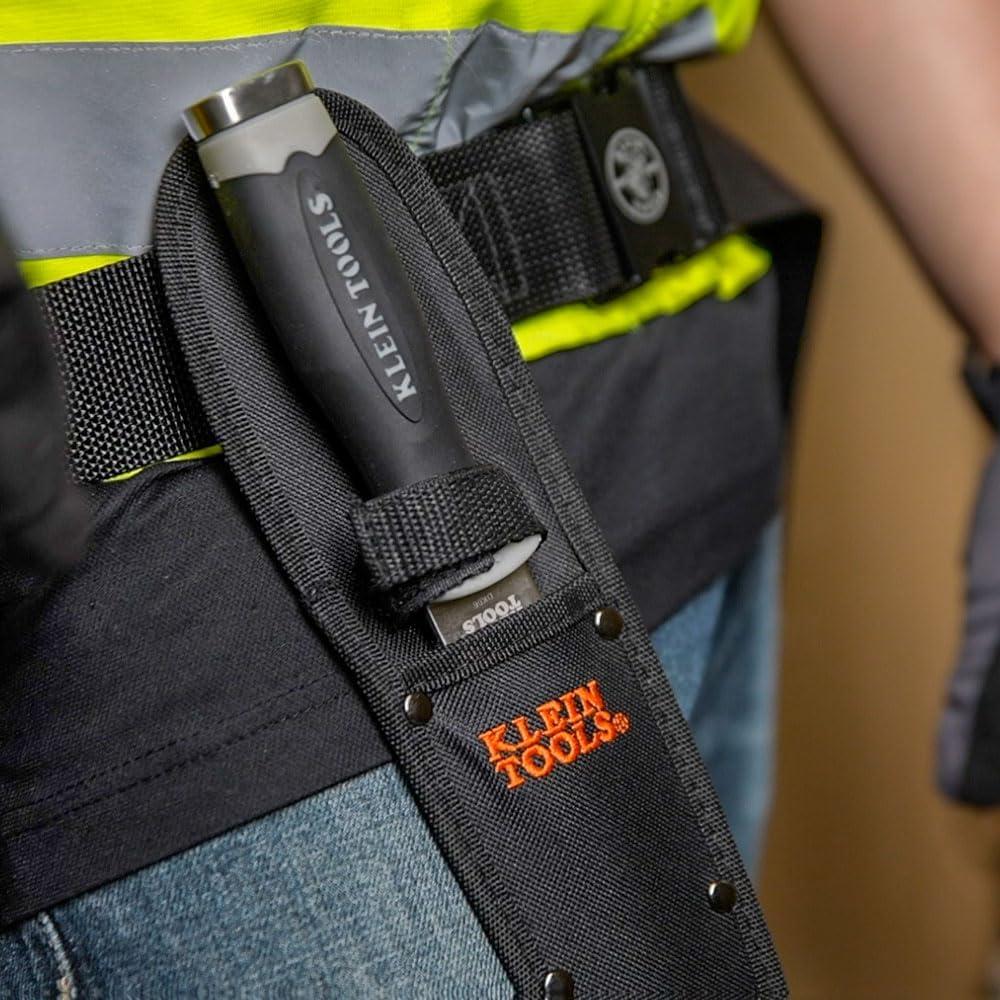
After countless installs ranging from basic 14 SEER split systems to high-efficiency variable-speed units pushing 20+ SEER, I can confidently say that this knife holds up where cheaper alternatives fail. The stainless steel blade resists corrosion even when working in humid crawlspaces or attics where condensate and moisture are constant enemies. The dual-edge design-one serrated, one fine-means I’m not fumbling for different tools when switching between cutting rigid duct board for a trunk line and slicing through flexible duct on a 3-ton system’s branch runs. The puncture-resistant nylon sheath with belt loop has survived being tossed in tool bags alongside sheet metal screws, refrigerant gauges, and multimeters without tearing, which speaks to its construction quality. I’ve used mine through dozens of jobs involving everything from R-410A retrofits to new construction heat pump installations, and the blade still cuts clean without requiring constant sharpening.
The real value here isn’t just durability-it’s about reducing callback times and improving job efficiency. Clean cuts on flexible duct mean better airflow integrity and fewer leaks that kill system performance, especially critical when you’re trying to hit target CFM ratings on a properly designed duct system. The Cushion-Grip handle reduces hand fatigue during marathon install days, whether I’m roughing in ductwork for a 4-ton unit or making final connections on a mini-split’s air handler. For professionals running service routes or handling multiple installs weekly, this knife pays for itself by lasting years instead of months. It’s a small investment that directly impacts your ability to deliver quality work consistently, which ultimately protects your reputation and bottom line.
| Feature | Professional Value |
|---|---|
| Stainless Steel Blade | Corrosion-resistant in high-moisture environments |
| Dual-Edge Design | Versatile cutting for both flexible duct and rigid board |
| Puncture-Resistant Sheath | Survives harsh tool bag conditions; belt loop for accessibility |
| Cushion-Grip Handle | Reduces fatigue during extended installation work |
| Long-Term Durability | Years of reliable performance across hundreds of jobs |
Embody Excellence
## Final Word from the Field
Look, I’ve been in this trade long enough to know that the tools on your belt tell the story of how you work. And after thousands of cuts through duct board and flex, I can tell you the Klein Tools DK06 has earned its spot on mine.
This isn’t just about having a sharp blade-though that dual-edge design absolutely delivers. It’s about working efficiently, safely, and getting installations right the first time. Because here’s what I know for certain: every cut you make, every seal you create, every connection you secure directly impacts the comfort of the family living in that home. Poor cuts mean air leaks. Air leaks mean wasted energy. Wasted energy means higher bills and systems working overtime until they fail early.
The right tool doesn’t just make your job easier-it makes the entire system better. Cleaner cuts seal tighter. Tighter seals maintain proper airflow. Proper airflow means balanced temperatures, lower energy costs, and equipment that lasts the way it’s supposed to.
For the price point, the Klein DK06 punches well above its weight. It’s simple, it’s reliable, and it does exactly what you need it to do without any nonsense. That’s the kind of tool that builds a reputation-both for Klein and for you.
If you’re tired of fighting with dull blades or flimsy knives that don’t hold up on the job, make the switch. Your installs will be cleaner, your days will be easier, and your customers will feel the difference every time their system kicks on.