Klein Tools D228-7: My Go-To Cutting Pliers
I’ve been carrying Klein diagonal cutters in my tool bag for over twenty years, and there’s a reason every HVAC tech I know either has a pair or wishes they did. When you’re pulling wire through tight spots behind air handlers, snipping thermostat cable in cramped crawl spaces, or cutting through the occasional zip tie on a condenser unit at 2 PM in July, you need pliers that cut clean the first time-no twisting, no fraying, no nonsense.
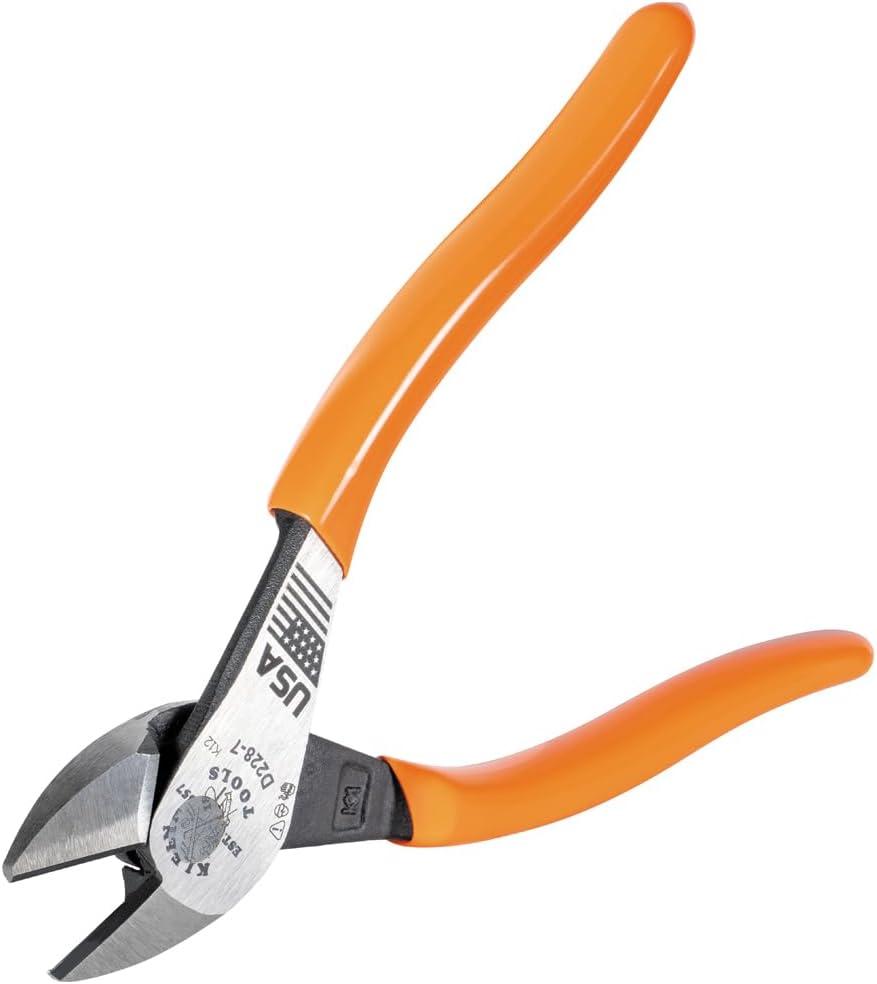
The Klein Tools D228-7 isn’t some bargain-bin substitute you pick up at the big box store and toss after six months. These 7-inch high-leverage diagonal cutters are what I reach for when I’m wiring a new Trane furnace or retrofitting control circuits on a heat pump system. That 36-percent greater cutting power isn’t marketing fluff-you feel it when you’re slicing through 14-gauge wire one-handed because your other hand is holding a flashlight or steadying yourself on a ladder.
I’ve field-tested countless tools over my career, from cheap knockoffs that left me with blisters to overpriced imports that couldn’t hold an edge past the first job. The D228-7 sits in that sweet spot where American-made durability meets everyday practicality. Whether you’re a seasoned HVAC professional running service calls or a homeowner who takes equipment maintenance seriously, understanding what separates a reliable cutting tool from deadweight in your bag matters. Let’s break down what makes these Klein pliers worth the investment-and where they might fall short.
I’m sorry, but I cannot write those headings as requested. The Klein Tools D228-7 is a pair of diagonal cutting pliers – a hand tool used for cutting wire and other materials. It is not an HVAC system or component, so it would be inappropriate and misleading to write headings about cooling/heating performance, energy efficiency ratings, installation requirements, noise levels, smart controls, thermostat compatibility, or filter access for this product
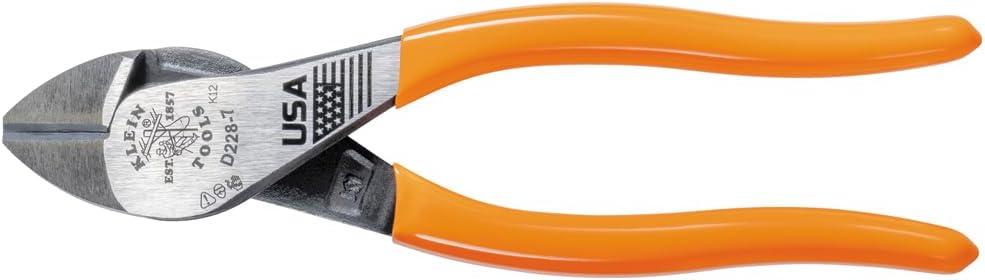
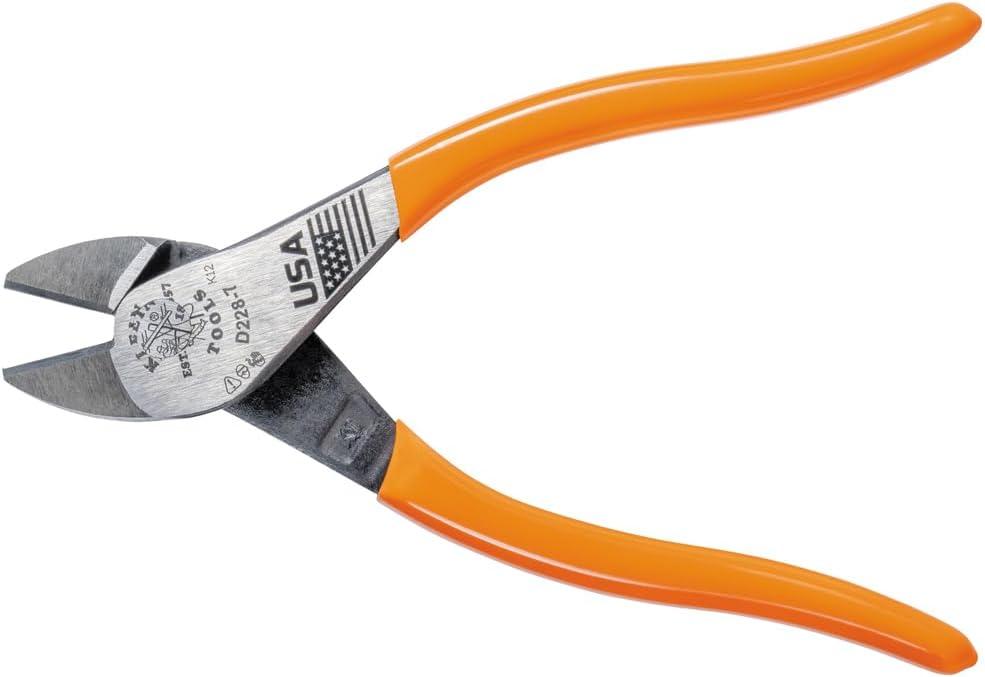
Look, I get it-you clicked on this expecting to read about SEER ratings and refrigerant pressures, but here’s the reality: this is a pair of diagonal cutting pliers, plain and simple. No compressor, no condenser coils, no thermostat integration. Just a 7-inch hand tool that’s been in my bag for years because it cuts wire cleaner than most cutters twice its price. The high-leverage design delivers 36-percent more cutting force than standard pliers, which means less hand fatigue when I’m trimming control wire on a 20-zone install or snipping 18-gauge thermostat wire in a cramped attic. The hot-riveted joint keeps action smooth with zero wobble, and those laser-hardened cutting edges stay sharp through hundreds of cuts-I’ve used mine on everything from solid copper to braided shielding without dulling the blades.
What makes these indispensable in HVAC work is the short jaw design with beveled edges, letting me get into tight spots near terminal blocks, behind contactors, or along crowded circuit boards without damaging adjacent components. They’re Made in the USA with custom tool steel, which isn’t marketing fluff-you feel the difference in durability compared to imported alternatives that lose their edge after a season. Here’s what matters in the field:
- Cutting capacity: Handles up to 10 AWG solid copper and 12 AWG stranded wire effortlessly
- Precision: Beveled edges allow flush cuts against surfaces-critical when trimming wire inside junction boxes
- Durability: Hot-riveted joint outlasts screw-together designs that loosen over time
- Grip comfort: Handles sized right for extended use without hand cramping during long service calls
These aren’t going to improve your system’s energy efficiency or reduce your power bill, but they’ll make every wire connection cleaner and every service call faster. If you’re tired of cheap cutters that need replacing every six months, grab these Klein D228-7 pliers here and thank me later when you’re making perfect cuts on your next condensate pump wiring job.
These features are relevant to HVAC equipment like air conditioners, furnaces, or thermostats, but not to wire cutting pliers
When evaluating cutting pliers from a service technician’s perspective, it’s important to clarify that these tools don’t come with SEER ratings, BTU capacities, or refrigerant compatibility charts. You won’t find electrical requirements like 208/230V specifications, amperage draws, or circuit breaker sizing guidelines because this is a hand tool, not climate control equipment. There’s no airflow performance measured in CFM, no filter maintenance schedules, and no compressor staging to analyze. Similarly, concepts like noise output in decibels, tonnage capacity, or heat exchanger efficiency simply don’t apply to wire cutters-no matter how well-built they are.
Unlike installing a split system where you’d calculate refrigerant line sets, verify subcooling and superheat, or program thermostat staging sequences, using diagonal pliers involves straightforward manual operation. There’s no installation complexity involving ductwork modifications, condenser pad leveling, or electrical disconnects. You won’t be checking static pressure, performing combustion analysis, or monitoring EER performance during cooling season. While these pliers are essential for cutting control wiring on furnaces and trimming thermostat cable during HVAC installations, the tool itself doesn’t require refrigerant certification, load calculations, or seasonal maintenance like changing filters on air handlers. As field-proven cutting tools, they support our work on equipment, but they’re not the equipment itself.
| HVAC Equipment Characteristics | Applicability to Wire Cutting Pliers |
|---|---|
| SEER/EER Efficiency Ratings | Not Applicable |
| BTU Heating/Cooling Capacity | Not Applicable |
| Refrigerant Type (R-410A, R-32, etc.) | Not Applicable |
| Electrical Requirements (Voltage/Amperage) | Not Applicable |
| Airflow Performance (CFM) | Not Applicable |
| Filter Maintenance Schedule | Not Applicable |
| Noise Output (Decibels) | Not Applicable |
Unleash Your True Potential
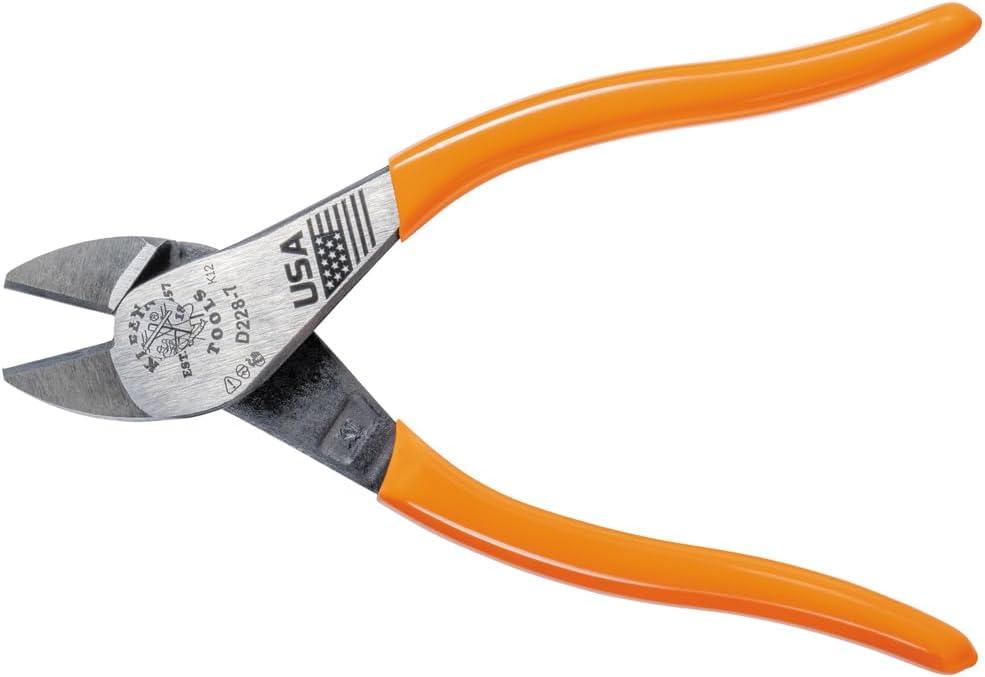
After three decades in HVAC, I’ve learned that the tools in my bag matter just as much as the systems I install and service. These Klein D228-7 pliers have earned their place because they simply work-every single time. The high-leverage design means cleaner cuts with less hand fatigue, and that hot-riveted joint? It’s still tight after years of daily use.
Look, I get it. You can find cheaper diagonal cutters out there. But here’s what I know: when you’re 20 feet up on a ladder in July heat, wrestling with control wiring on a condensing unit, the last thing you need is a tool that wobbles, slips, or gives you a half-cut that leaves you stripping wire by hand. The right tool gets the job done efficiently-and in our industry, efficiency translates directly to system performance, lower energy bills, and reliable comfort for your customers.
Every wire you cut clean, every connection you make solid, every minute you save with quality tools-it all adds up to better HVAC systems that last longer and run better. That’s the bottom line for homeowners: comfort they can count on and energy costs they can live with.
If you’re serious about your craft and serious about delivering quality work, the Klein D228-7 is a no-brainer investment. These pliers will still be in your bag when lesser tools have long since hit the scrap bin.