Similar Posts
what does hvac mean
HVAC stands for Heating, Ventilation, and Air Conditioning—a system designed to regulate indoor climate. It warms us in winter, cools us in summer, and ensures fresh air circulates, creating a comfortable environment year-round.
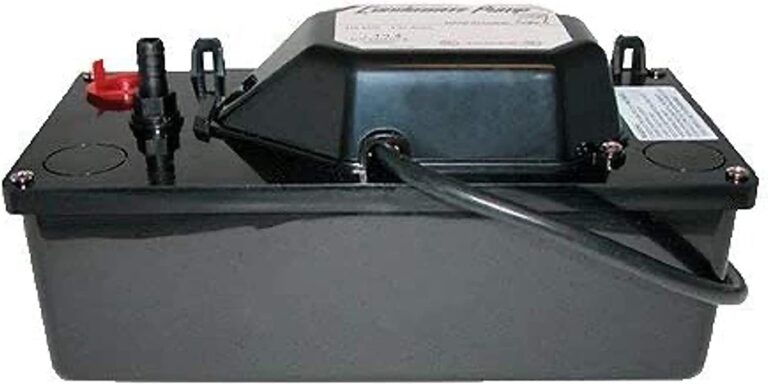
Star COND1 1/6 HP Automatic Condensate Removal Pump with Safety Switch (Low Profile) Multi-Purpose for HVAC, Dehumidifier, Furnace, Air Conditioner Condensation, 78 GPH Review
Star COND1 1/6 HP Automatic Condensate Removal Pump with Safety Switch (Low Profile)Multi-Purpose for HVAC, Dehumidifier, Furnace, Air Conditioner Condensation, 78 GPH Review.
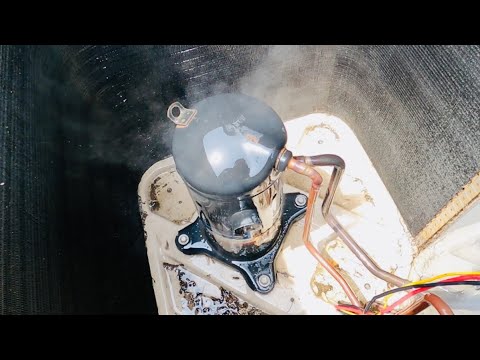
AC Compressor Overheated Not Cooling Testing Windings/ Megging, Ohms Fixing HVAC System
so i'm on this service call and well i noticed the compressor wasn't running so this is how to check…
HVAC Guys Complete Mini Split Cleaning Kit: Professional-Grade Maintenance Made Simple
HVAC Guys Complete Mini Split Cleaning Kit: Professional-Grade Maintenance Made Simple
We recently got our hands on the HVAC Guys Complete Mini Split Cleaning Kit and were immediately impressed by its comprehensive approach to mini split maintenance. The kit includes everything needed for thorough cleaning: a 360-degree cleaning bag that prevents mess, a sturdy bucket for waste collection, a specialized spray nozzle for optimal coverage, professional-grade coil cleaner, and versatile faucet/hose adapters for easy water connection.
What sets this kit apart is how it transforms what’s typically a professional service into a straightforward DIY task. The cleaning bag’s design brilliantly contains water and cleaning solution while providing complete access to coils. We found the included coil cleaner to be effective at breaking down dirt and debris without damaging the delicate fins. For homeowners looking to maintain efficiency and extend the life of their mini split systems, this all-in-one solution delivers professional results without the service call.
do i need a permit to replace my hvac
Thinking of replacing your HVAC system? Before you dive in, check your local regulations. Many areas require a permit to ensure safety and compliance. Skipping this step can lead to fines or costly repairs down the line. Always do your homework!