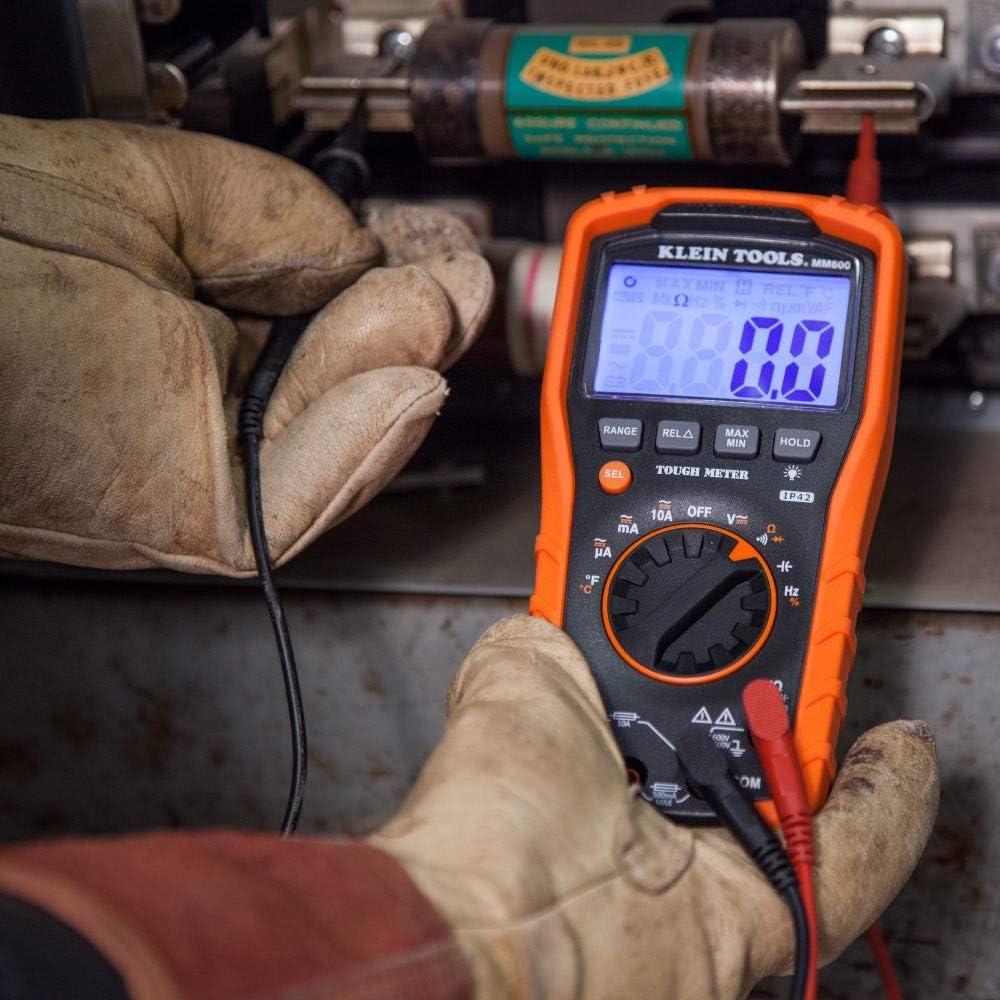
Klein Tools 69410 Test Leads: My Honest Review
I’ve been through more test leads than I care to count in my 20+ years working HVAC service, and I can tell you right now: cheap leads will let you down when you’re troubleshooting a failed compressor on a 110-degree roof or diagnosing a faulty heat pump in a freezing crawlspace. The Klein Tools 69410 Test Lead Set caught my attention because it addresses what actually matters in the field-solid connections, proper safety ratings, and leads that don’t turn into a tangled mess in your tool bag.
When you’re checking 24-volt control circuits, verifying proper voltage to a condenser fan motor, or testing capacitor readings on a mini-split system, your test leads need to do two things: make reliable contact and stay put while you’re working. I’ve dealt with enough flimsy alligator clips that slip off terminal blocks and leads that crack in cold weather to know the difference between gear that works and gear that wastes your time. Klein’s built a reputation in the electrical trade that carries over to HVAC work, and I wanted to see if these 69410 leads live up to that standard.
This review breaks down whether the Klein 69410 set delivers the durability, accuracy, and functionality we need for real diagnostic work-from checking resistance on defrost sensors to measuring voltage drop across contactors. I’ll cover the safety ratings, the right-angle design, how well those alligator clips actually grip, and whether these leads are worth keeping in your meter case or if you’re better off looking elsewhere.
Klein Tools Test Lead Set Overview and First Impressions
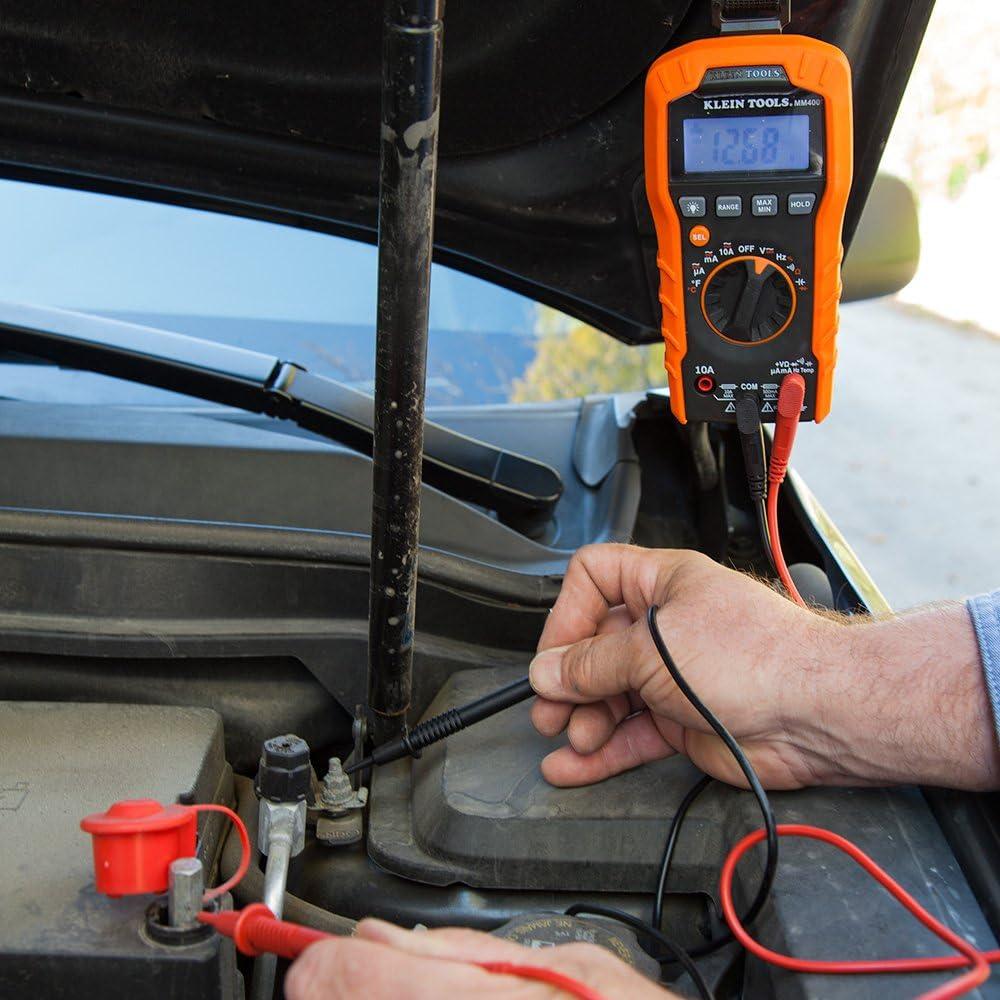
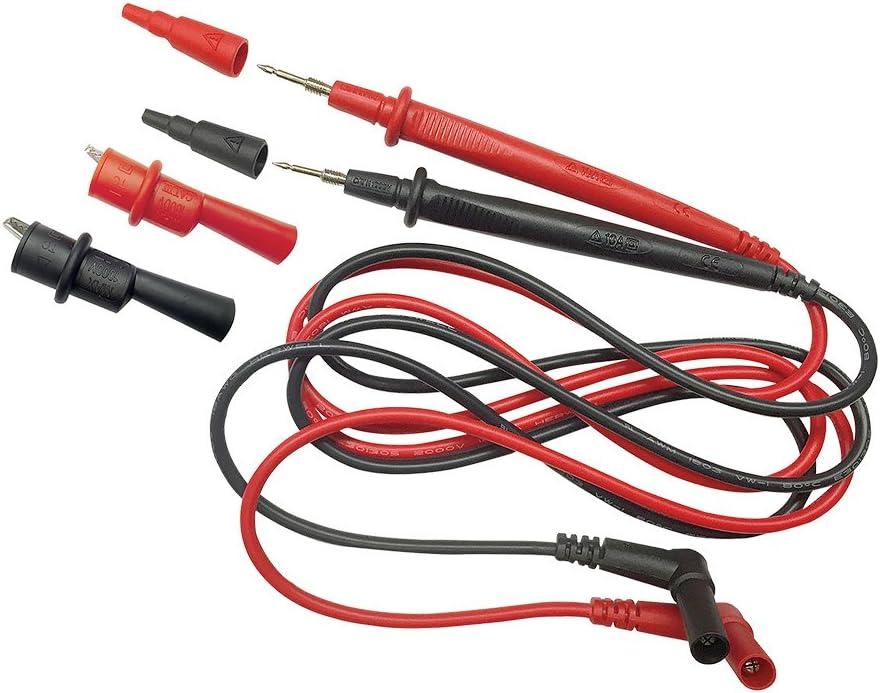
Right out of the package, these Klein test leads feel like they’re built to last in the field, which is exactly what I need when I’m troubleshooting a compressor that won’t start or checking voltage at a condenser in 95-degree heat. The 41-inch length gives me the reach I need when testing across contactors, capacitors, or checking voltage drop on those long runs to rooftop units. What immediately stands out is the right-angle banana plug design-it keeps the leads from sticking straight out of my meter, which means less chance of snagging them on sheet metal or accidentally pulling them loose when I’m working in tight mechanical rooms or cramped attic installations. The removable alligator clips are a smart touch since I can swap them out or use the bare probe tips when checking milliamp signals on flame sensors or pressure transducers.
| Specification | Details |
|---|---|
| Lead Length | 41 inches (104 cm) |
| Safety Rating | CAT III 1000V / CAT IV 600V |
| Connector Type | Standard banana plugs (right-angle) |
| Included Accessories | Removable alligator clips |
| Compatibility | Universal-fits most multimeters and clamp meters |
The CAT III 1000V and CAT IV 600V safety ratings mean these leads are more than adequate for the residential and light commercial work I do daily-whether I’m checking 240V on a heat pump, verifying 24V control circuits, or measuring amperage on a 3-phase RTU. I appreciate that Klein designed these to fit in the lead storage compartments of their meters; keeping everything organized in my tool bag matters when I’m running between service calls. The build quality is what I’ve come to expect from Klein-solid connections, flexible insulation that won’t crack in cold weather, and alligator clips that actually grip without slipping off terminals. For anyone doing serious diagnostic work on HVAC systems, having reliable test leads isn’t optional, and these check all the boxes for durability, safety, and functionality in real-world conditions.
Build Quality and Cable Design Features
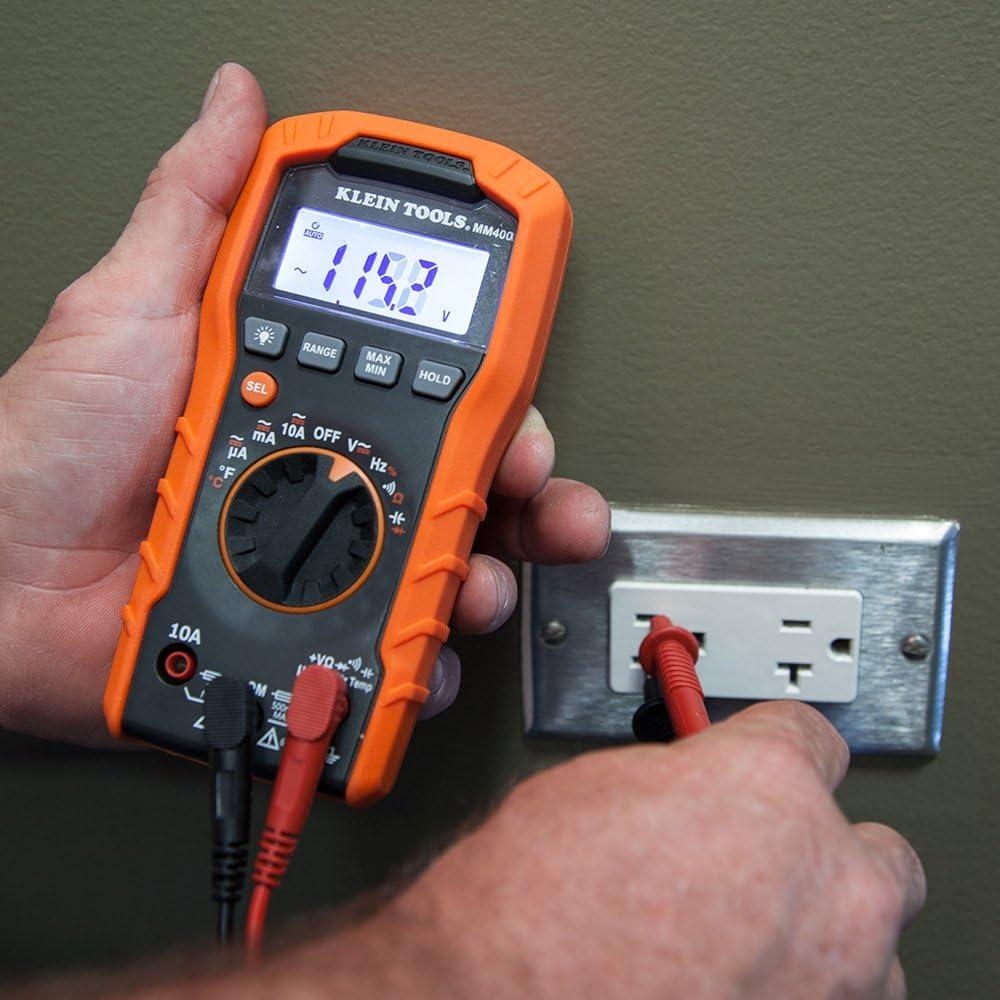
The cable construction on this set immediately stands out as genuine Klein quality-these aren’t the flimsy meter leads that come bundled with budget multimeters. The 41-inch length hits the sweet spot for HVAC work, giving me enough reach to test across contactors, capacitors, and transformer terminals without constantly repositioning my meter. I’ve used these while troubleshooting everything from 24VAC control circuits on residential split systems to 480V three-phase commercial RTUs, and the Category III 1000V and Category IV 600V safety rating provides real peace of mind when working near high-voltage components. The right-angle banana plugs are a thoughtful design choice-they don’t snag on other tools in my bag and keep the cable orientation cleaner when I’m wedged into tight mechanical rooms or attic installations. The cable jacket itself resists the oil, refrigerant residue, and temperature extremes that come with the territory.
| Feature | Specification |
|---|---|
| Cable Length | 41 inches (104 cm) |
| Safety Rating | CAT III 1000V / CAT IV 600V |
| Connector Type | Right-angle banana plugs |
| Clips Included | Removable alligator clips |
| Compatibility | Standard banana-type meter inputs |
The removable alligator clips are where these leads really earn their keep in daily HVAC diagnostics. Unlike permanently attached clips, these screw on and off, which means I can swap between bare probe tips for precise terminal measurements and the gator clips when I need hands-free monitoring-essential when checking amp draw on compressors or verifying voltage supply while cycling through heating and cooling modes. The clips themselves have aggressive teeth that bite down securely on wire gauge from thermostat wire up to larger gauge line voltage conductors, maintaining solid contact even when there’s vibration from running equipment. I’ve clipped onto capacitor terminals, contactor coils, and even outdoor unit disconnect lugs without slippage. The fact that these fit into the lead storage compartment on Klein meters keeps my tool bag organized, and the universal banana jack compatibility means they work with my Fluke and other meters as backup leads.
Alligator Clip Performance and Grip Strength
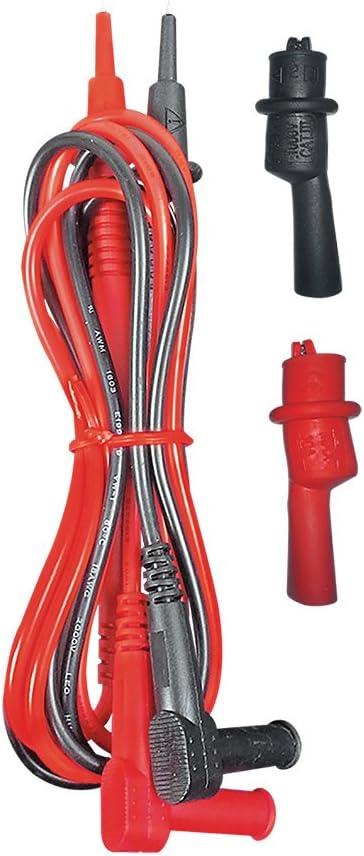
The alligator clips on these test leads deliver exactly what I need when diagnosing electrical issues on condensing units, air handlers, and control boards. The spring tension is firm enough to maintain solid contact on 24-volt control circuits, compressor terminals, and even capacitor connections without slipping off during testing. I’ve used these clips on everything from checking 240-volt compressor feeds on 3-ton units to troubleshooting low-voltage thermostat wiring, and they bite down securely on wire gauges ranging from thin 18-gauge thermostat wire to beefier 10-gauge power feeds. The serrated teeth provide reliable grip without damaging conductor insulation, which matters when you’re testing live circuits on equipment ranging from 18,000 BTU mini-splits to commercial 5-ton rooftop units with their 460-volt three-phase power requirements.
What sets these clips apart is their ability to stay attached even in tight mechanical rooms where vibration from compressors and blower motors can shake loose inferior clips. I’ve had them gripping terminals while taking amperage readings on scroll compressors drawing 15-20 amps during startup, and they don’t budge. The removable design means I can swap them out for different probe tips when needed, but honestly, I keep them attached most of the time because they’re perfect for hands-free voltage checks on contactor coils, defrost boards, and reversing valve solenoids. When you’re diagnosing why a heat pump isn’t switching to cooling mode or checking if a crankcase heater is energized, having clips that maintain constant contact without requiring you to hold probes in place is invaluable.
| Clip Feature | Performance Detail |
|---|---|
| Jaw Opening | Accommodates wire gauges 18 AWG to 10 AWG |
| Grip Strength | Maintains contact on terminals with equipment vibration |
| Tooth Design | Serrated for secure grip without insulation damage |
| Spring Tension | Firm enough for vertical terminals, easy to position one-handed |
Practical Applications for HVAC Diagnostics and Testing
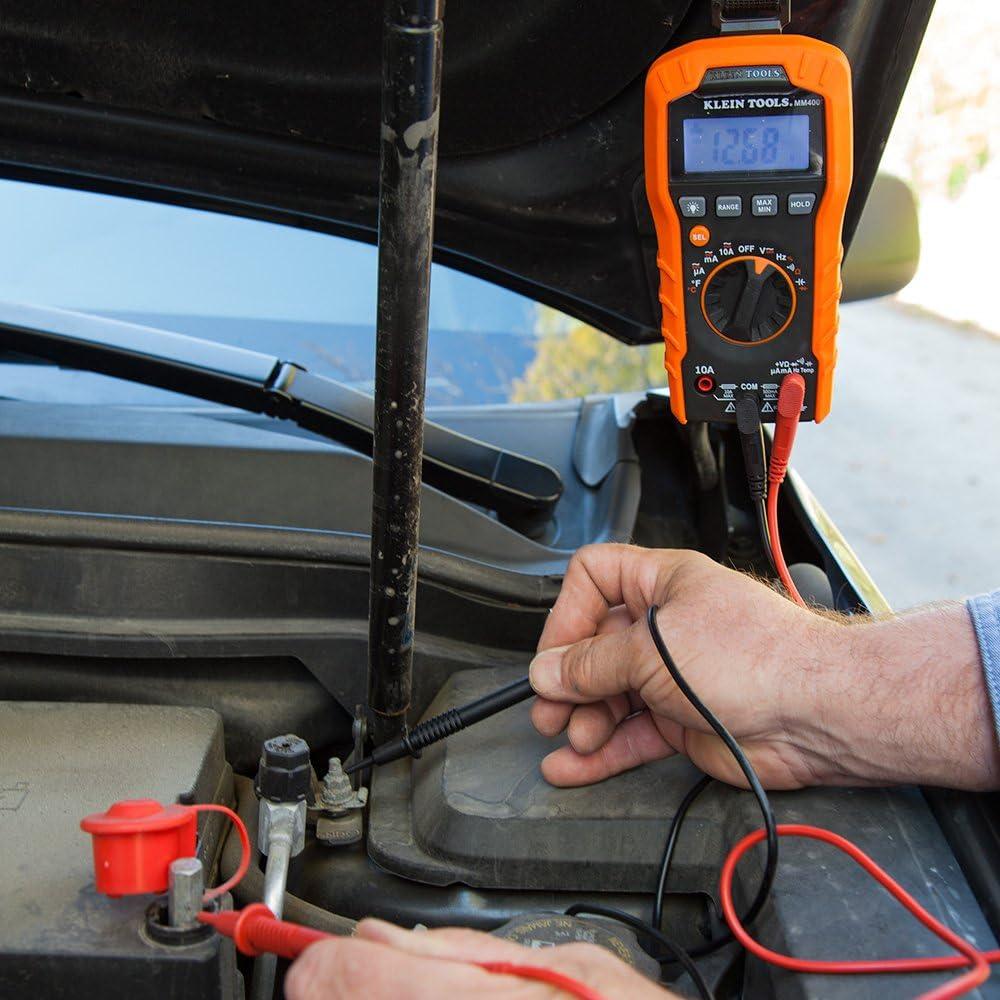
When diagnosing compressor issues on a residential split system or troubleshooting capacitor failures on a rooftop unit, having reliable test leads makes all the difference between a quick fix and a frustrating service call. I use these right-angle leads constantly when checking voltage at disconnect boxes, testing contactor coils, or verifying proper 24VAC at thermostat terminals. The 41-inch length gives me enough reach to work comfortably inside cramped air handler compartments or when measuring amperage draw on condenser fan motors without having to reposition my meter every few seconds. The removable alligator clips are particularly useful when I need to monitor live voltage while making adjustments-like fine-tuning a TXV superheat on an R-410A system or checking the sequencer operation on an electric furnace. The right-angle banana plugs keep my meter connections secure even when leads are being pulled at awkward angles during condenser unit diagnostics in tight residential installations.
What sets these leads apart in real-world HVAC work is their Cat III 1000V and Cat IV 600V safety rating, which covers everything from standard 240VAC single-phase residential units to light commercial three-phase equipment. I’ve used them on everything from testing defrost boards on heat pumps to verifying proper voltage supply on high-efficiency variable-speed blower motors. The clips maintain solid contact even when attached to painted terminal screws or slightly corroded wire connections-common scenarios when working on older equipment. Here’s what makes them essential for diagnostic work:
- Secure connections during capacitor testing on compressor start components and fan motor run caps
- Hands-free voltage monitoring while cycling through thermostat modes or observing defrost cycles
- Reliable contact when checking transformer output voltage or verifying proper control voltage at gas valve terminals
- Compatible storage in Klein meter compartments, keeping leads organized in the tool bag between service calls
| Feature | Specification | HVAC Application |
|---|---|---|
| Lead Length | 41 inches (104 cm) | Adequate reach for condenser diagnostics and air handler testing |
| Safety Rating | Cat III 1000V / Cat IV 600V | Covers residential and light commercial HVAC electrical systems |
| Connector Type | Right-angle banana plugs | Secure meter connection in confined spaces and during active diagnostics |
| Clip Style | Removable alligator clips | Hands-free monitoring of voltage, amperage, and continuity |
Get Klein Tools 69410 Test Leads on Amazon
Transform Your World
## Final Thoughts
Look, after three decades in this trade, I’ve learned that the tools you carry say everything about the work you do. These Klein Tools 69410 test leads might seem like a small detail in your toolbox, but they’re the difference between a quick, accurate diagnosis and wasting time chasing ghosts in a system.
I’ve seen too many techs struggle with flimsy leads that slip off terminals or give false readings. When you’re troubleshooting a failed compressor on a 95-degree day with a homeowner breathing down your neck, you need equipment that works the first time, every time. These leads do exactly that.
Here’s the bottom line: choosing reliable diagnostic tools like these directly impacts your ability to restore home comfort quickly, identify energy-wasting issues accurately, and ensure long-term system reliability. When you can trust your measurements, you make better decisions-and that means lower energy bills for your customers and fewer callbacks for you.
At around twenty bucks, these leads are an investment in doing the job right. Klein has been in this business since 1857 for a reason-they understand what professionals need because they listen to professionals. The 41-inch length gives you working room, the right-angle design keeps things tidy, and that Cat III/IV safety rating means you’re protected when working on residential and light commercial systems.
If you’re still using the leads that came with your meter from five years ago, or worse, using damaged leads that you keep meaning to replace-stop. Your accuracy, your safety, and your reputation deserve better.