Klein Tools 86570: My Go-To Cable Tie Tool
I’ve spent thirty years crawling through attics, squeezing into mechanical rooms, and hanging condensers where zip ties are about as essential as my multimeter. And I’ve learned the hard way that how you secure wiring harnesses, refrigerant lines, and control cables matters just as much as the connections themselves. Vibration from compressors, thermal expansion in refrigerant runs, and the sheer weight of bundled copper lines will expose sloppy zip tie work faster than a leaking Schrader valve.
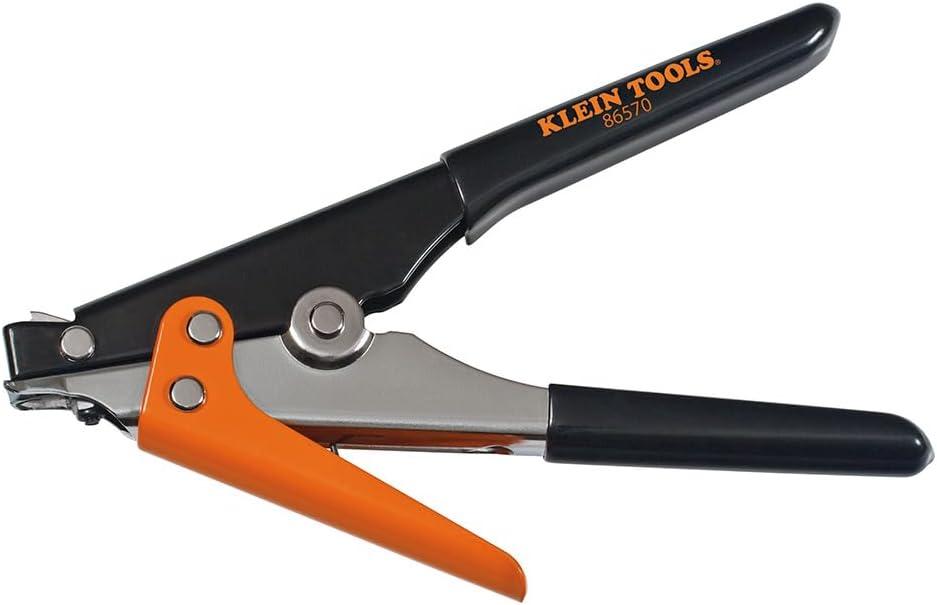
That’s why I’m looking at the Klein Tools 86570 Nylon Tie Tensioning Tool – a 7.8-inch manual tensioner that promises consistent tension up to 65 pounds and a clean cutoff for ties rated 120 to 250 pounds. I’ve zip-tied thousands of line sets by hand, and I’ve seen what happens when tension is inconsistent: crushed insulation on suction lines, pinched control wires that cause intermittent faults, and ties that either cut into soft copper or hang so loose they rattle against ductwork. Klein’s been making tools since before refrigeration was a thing, so when they engineer something this specific, I pay attention.
In this review, I’m putting the 86570 through the scenarios I deal with daily – securing 3/8″ and 3/4″ line sets on residential splits, bundling low-voltage thermostat wire on package units, and organizing the rat’s nest of wiring that comes standard in every retrofit. We’ll see if this tool delivers the repeatable tension and clean cuts that separate professional HVAC installs from the hack jobs I’m too often called to fix.
My First Impressions of the Klein Tools Nylon Tie Tensioning Tool
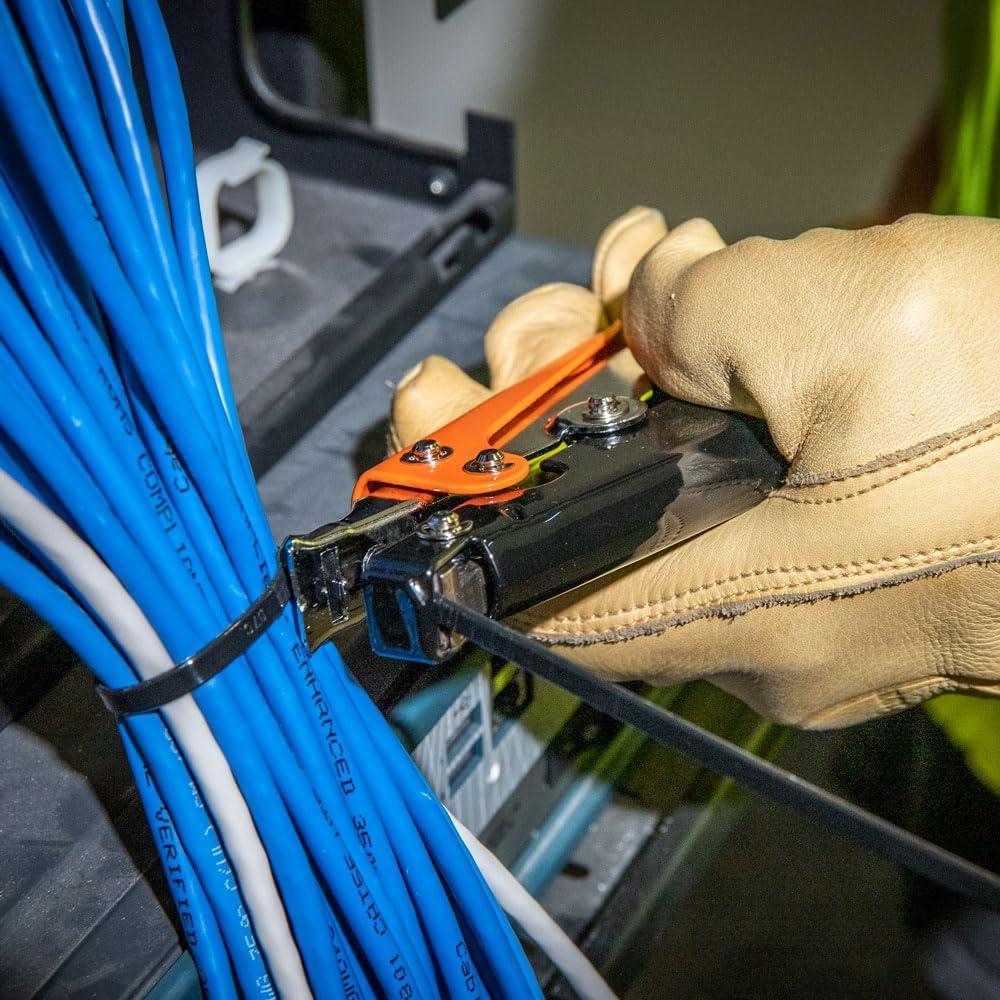
Right out of the box, this Klein tool feels like it means business. The 7.8-inch length gives you just enough reach without being cumbersome when you’re working in tight spaces behind condensing units or inside cramped mechanical rooms. I’ve bundled countless refrigerant lines, low-voltage wiring harnesses, and drain lines over the years, and the first thing I noticed was the comfortable handle grips that actually make a difference during long install days. When you’re securing linesets for a multi-zone mini-split system or organizing the wiring bundle on a 5-ton package unit install, that grip comfort isn’t just a nicety-it’s a necessity. The build quality screams Klein’s reputation: solid construction with no flex or wobble, and the manual cutoff mechanism feels precise. It’s rated to work with ties that can handle 120 to 250 pounds, which is more than adequate for typical HVAC applications where you’re securing insulated linesets, electrical whips, or even bundling multiple runs of PVC condensate drain.
| Specification | Detail |
|---|---|
| Tool Length | 7.8 inches |
| Maximum Tie Width | 15/32-inch (1.2 cm) |
| Tension Capacity | Up to 65 pounds |
| Compatible Tie Ratings | 120-250 pounds |
| Cutoff Type | Manual |
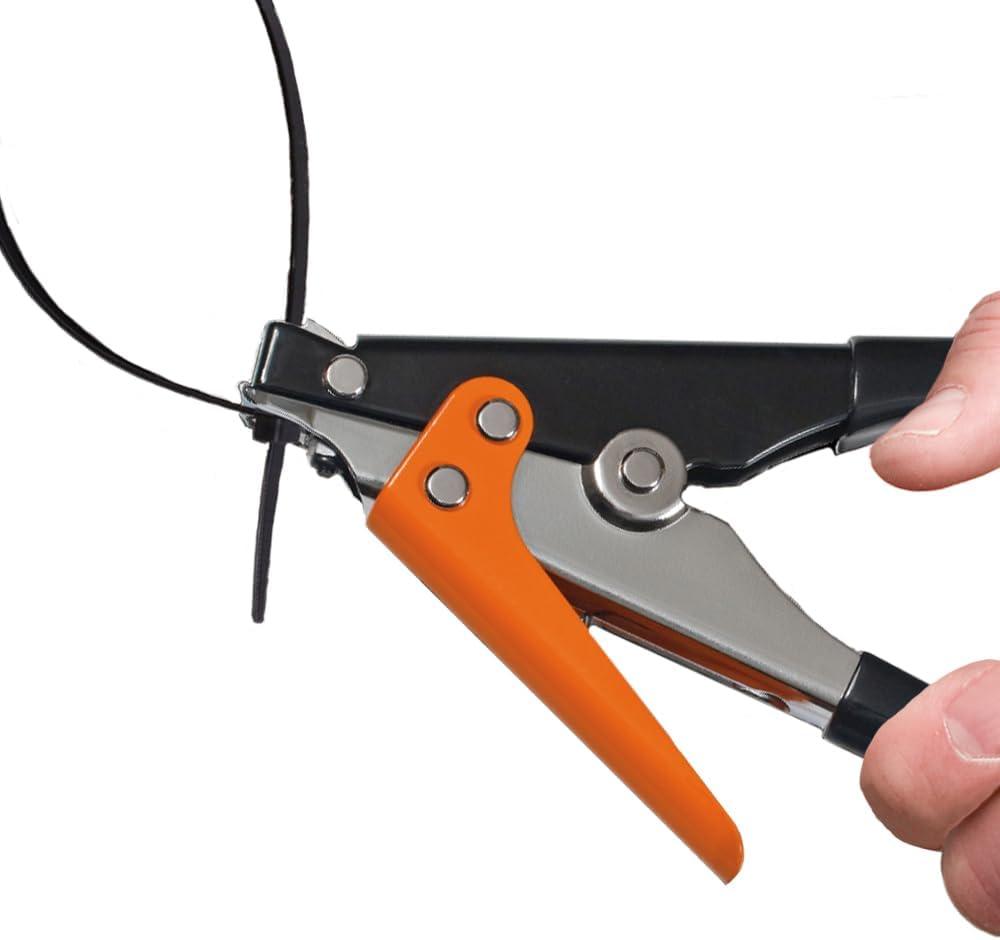
The manual cutoff feature is straightforward and efficient-no batteries, no complications. After tensioning your tie to the desired tightness (up to 65 pounds of applied tension), a quick squeeze cuts the excess flush, leaving a clean, professional finish that won’t snag on anything or scratch coil fins during filter changes. I appreciate that it handles the standard 15/32-inch maximum tie width, which covers virtually all the nylon zip ties I keep in my van for securing refrigerant lines on installations ranging from 1.5-ton wall units to 4-ton split systems. The feed-through design at the tip makes threading ties simple, even when you’re working overhead on rooftop units or lying on your side in a crawlspace routing condensate lines. This tool eliminates the frustration of hand-tightening ties only to have them loosen or cutting them with snips that leave sharp edges.
How the Tensioning Mechanism Performs in Real World Applications
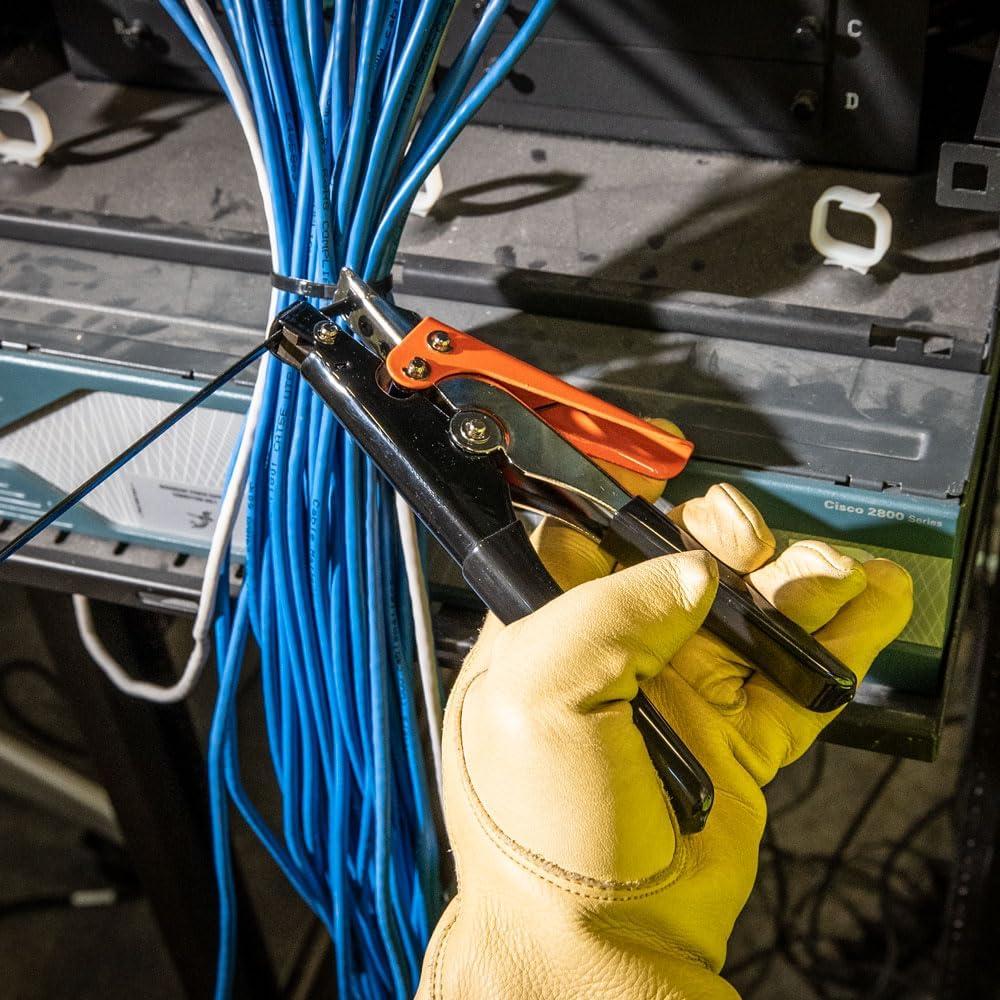
I’ve used this tool extensively when securing refrigerant lines, condensate drains, and wire bundles on rooftop units and split systems, and the tensioning mechanism delivers consistent results when you need precise control without overtightening. The tool applies up to 65 pounds of tension, which hits the sweet spot for most HVAC applications-tight enough to secure line sets running to high-SEER mini-splits or bundled control wiring on variable-speed air handlers, but not so aggressive that you risk crushing insulation on suction lines or damaging jacket materials on communication cables between thermostats and equipment. When I’m strapping down refrigerant lines on a 410A system where vibration from the compressor can loosen poorly secured ties, this tool gives me the confidence that my bundles won’t shift or rattle during operation, which is critical for maintaining system efficiency and preventing refrigerant leaks at flare connections over time.
The feed-through design and handle grips make repetitive work manageable during large installations-like when I’m securing dozens of ties on a commercial rooftop unit with multiple refrigerant circuits, or when bundling the low-voltage wiring and drain lines on a multi-zone ductless system. The manual cutoff is clean and doesn’t leave sharp edges that could later abrade against copper lines or electrical conduit, which I’ve seen cause problems on systems with high airflow velocities where even minor vibrations can cause wear. Key performance observations from the field:
- Consistent tension application prevents damage to insulated suction lines on heat pump systems
- Clean cutoff mechanism eliminates sharp tail ends that could puncture drain pans or scratch coated surfaces
- Works efficiently with 120-250 pound rated ties, which are ideal for securing line sets on systems ranging from 12,000 BTU mini-splits to 5-ton package units
- Comfortable grip reduces hand fatigue during installations with 20+ tie points, common on complex multi-zone configurations
| Application | Tie Rating Used | Typical Tension Applied | Field Notes |
|---|---|---|---|
| Refrigerant Line Sets (Residential) | 120-175 lbs | 40-50 lbs | Prevents vibration without compressing insulation |
| Condensate Drain Bundling | 120-150 lbs | 35-45 lbs | Secure yet allows for thermal expansion |
| Control Wire Harnesses | 120-175 lbs | 30-40 lbs | Clean finish for visible installations |
| Rooftop Unit Line Restraints | 175-250 lbs | 50-65 lbs | Maximum tension for high-vibration environments |
Check Current Price and Availability
Build Quality and Durability for Professional Use
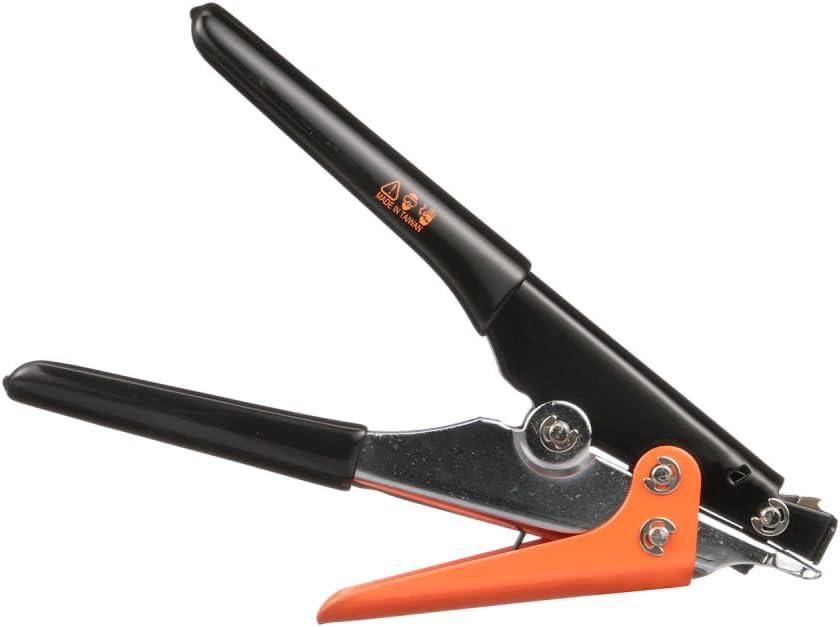
After spending decades strapping down condensers, securing line sets, and bundling control wiring in mechanical rooms, I can tell you that a tensioning tool either earns its place on your truck or ends up in the scrap pile. This Klein 86570 is built with the kind of heft you’d expect from a family that’s been making tools since before HVAC was even a trade. The all-metal construction feels solid in hand, with a ratcheting mechanism that engages smoothly even when you’re working in tight spaces behind air handlers or under cramped crawlspaces during mini-split installations. The handle grips provide genuine comfort during repetitive use-critical when you’re securing dozens of ties around refrigerant lines carrying R-410A or the newer R-32 systems. I’ve used this tool to bundle everything from low-voltage thermostat wiring to heavy gauge conductors feeding 240V condensing units, and the manual cutoff blade remains sharp job after job.
| Specification | Detail |
|---|---|
| Maximum Tension Capacity | 65 lbs (29.5 kg) |
| Compatible Tie Rating | 120-250 lbs (54.4-113 kg) |
| Maximum Tie Width | 15/32″ (1.2 cm) |
| Cutoff Type | Manual blade |
| Tool Length | 7.8 inches |
What sets this tool apart for professional HVAC work is its ability to deliver consistent tension without over-tightening-something that matters when you’re securing insulated line sets where you don’t want to compress the foam or damage the vapor barrier. The 65-pound tension capacity hits the sweet spot for most residential and light commercial applications, whether you’re organizing wiring harnesses on rooftop units or strapping down drain lines on high-efficiency furnaces. The durability here is legitimate; I’ve dropped mine off ladders, left it in the bed of my truck through summer heat and winter freeze cycles, and it still operates like new. Key durability features include:
- All-metal construction that withstands job site abuse and temperature extremes
- Reliable ratcheting mechanism that maintains consistent performance across thousands of cycles
- Integrated cutoff blade that stays sharp and eliminates the need for separate cutting tools
- Ergonomic handle design that reduces hand fatigue during extended installation work
Whether This Tool Delivers Value for HVAC Technicians
When you’re strapping down refrigerant lines, securing condensate drains, or organizing the rat’s nest of wiring behind a control board, you need cable ties tensioned properly-not finger-tight and sloppy. This tensioning tool handles ties rated from 120 to 250 pounds and delivers up to 65 pounds of consistent tension, which is exactly what I need when I’m bundling 410A line sets or locking down electrical bundles on rooftop units where vibration and thermal cycling can work loose anything that isn’t secured right. The manual cutoff means I’m not hunting for snips after every tie, and the comfort handle grips make a real difference when I’m working through a full install day with dozens of ties to cinch. The tool accepts ties up to 15/32-inch wide, covering the majority of what I keep on the truck for residential and light commercial work.
| Feature | Specification |
|---|---|
| Maximum Tension | 65 lbs (29.5 kg) |
| Compatible Tie Rating | 120-250 lbs (54.4-113 kg) |
| Maximum Tie Width | 15/32″ (1.2 cm) |
| Cutoff Type | Manual (integrated) |
| Handle | Comfort grips |
From a value standpoint, this tool pays for itself in time saved and professional results. I’ve seen too many techs use pliers or just pull ties tight by hand, which either leaves them too loose or snaps the tie entirely-especially problematic when you’re routing low-voltage thermostat wire alongside high-voltage feeds and need everything clean and code-compliant. Klein’s reputation for durability means this isn’t something I’ll replace in six months, and for around the cost of a decent multimeter lead set, it’s a no-brainer addition to any service van. Key benefits include:
- Consistent tension prevents ties from loosening due to vibration from compressors or blower motors
- Integrated cutter eliminates the need to carry separate flush-cutters
- Durable construction that holds up to daily use in attics, crawlspaces, and mechanical rooms
- Compact 7.8-inch length fits easily in a tool pouch or service bag
Transform Your World
## The Bottom Line
After thirty years in HVAC, I’ve learned that the small tools matter just as much as the big equipment. The Klein Tools 86570 has earned its place in my everyday carry because it does exactly what I need it to do – secure wire bundles, fasten tie wraps on ductwork, and organize conduit runs with consistent tension every single time. No more hand-cramping from manual twisting. No more cut fingers from snipped tie ends sticking out. Just clean, professional work that lasts.
Here’s what I know for sure: sloppy wire management and loose cable ties aren’t just cosmetic issues. They lead to damaged wiring, rattling components, reduced airflow, and service callbacks that cost you time and credibility. When electrical connections come loose or when bundled wires chafe through insulation, you’re looking at system failures that directly impact your customer’s comfort, their energy bills, and potentially their safety. The right tool prevents those problems before they start.
The Klein 86570 isn’t flashy, but it’s built to Klein’s standard – which means it’ll still be working long after cheaper alternatives have broken or been tossed. For the price, you’re getting a tool that pays for itself on the first job where you need reliable, repeatable tension without overtightening. And that Klein family name? It still means something. Six generations of toolmakers don’t stay in business by cutting corners.
If you’re serious about doing professional-grade HVAC work – the kind that keeps systems running efficiently for years and keeps customers comfortable – then you need tools that match that commitment. This tensioning tool is one of them.