Klein D201-7CSTA: My Go-To Wire Twisting Pliers
I’ve spent over two decades crawling through attics, squeezing into furnace rooms, and working on rooftop units in every kind of weather you can imagine, and I can tell you this much: the tools that survive in this trade aren’t the ones that look pretty in the catalog-they’re the ones that still work after you’ve dropped them off a ladder twice and used them for something they weren’t exactly designed for. That’s why when Klein Tools sent over their D201-7CSTA Ironworker Pliers for evaluation, I didn’t just admire the spring-loaded action and knurled jaws from my workbench. I put them through the kind of punishment they’d face in real HVAC work-cutting and securing condenser supports, twisting tie wire on ductwork hangers, and handling the rebar tie wire that comes up more often than you’d think when we’re mounting equipment or reinforcing outdoor installations. Now, you might be wondering why an HVAC tech is reviewing ironworker pliers. Fair question. But anyone who’s actually installed commercial refrigeration lines, secured lineset runs to structural supports, or mounted condensing units knows that soft annealed rebar tie wire is everywhere in our world. Whether you’re securing refrigerant lines to prevent vibration that kills compressors or hanging ductwork that needs to stay put for the next twenty years, you need pliers that cut clean and twist tight without fighting you on every single wire. In this review, I’m breaking down whether these 9-inch Klein pliers earn their spot in your bag-or if they’re just taking up space that could go to something more useful.
Product Overview: My First Impressions of the Klein Tools Ironworker Pliers
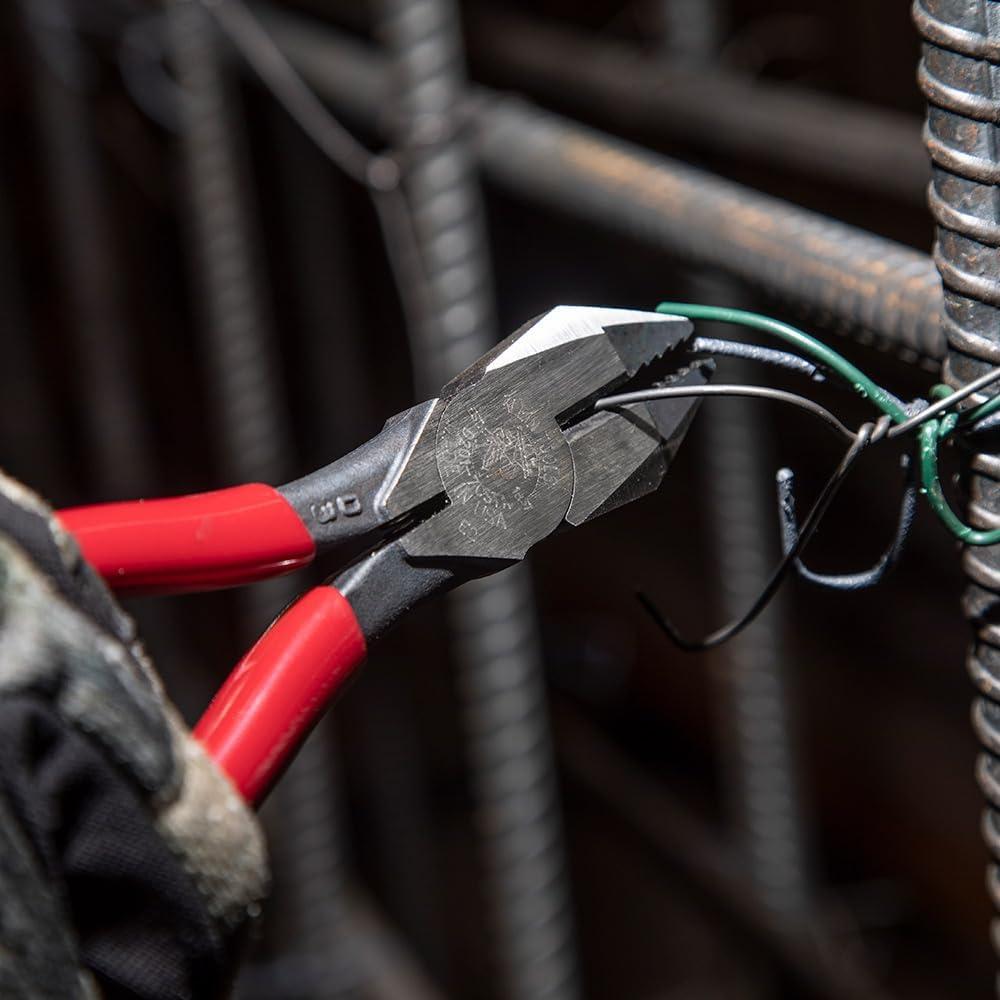
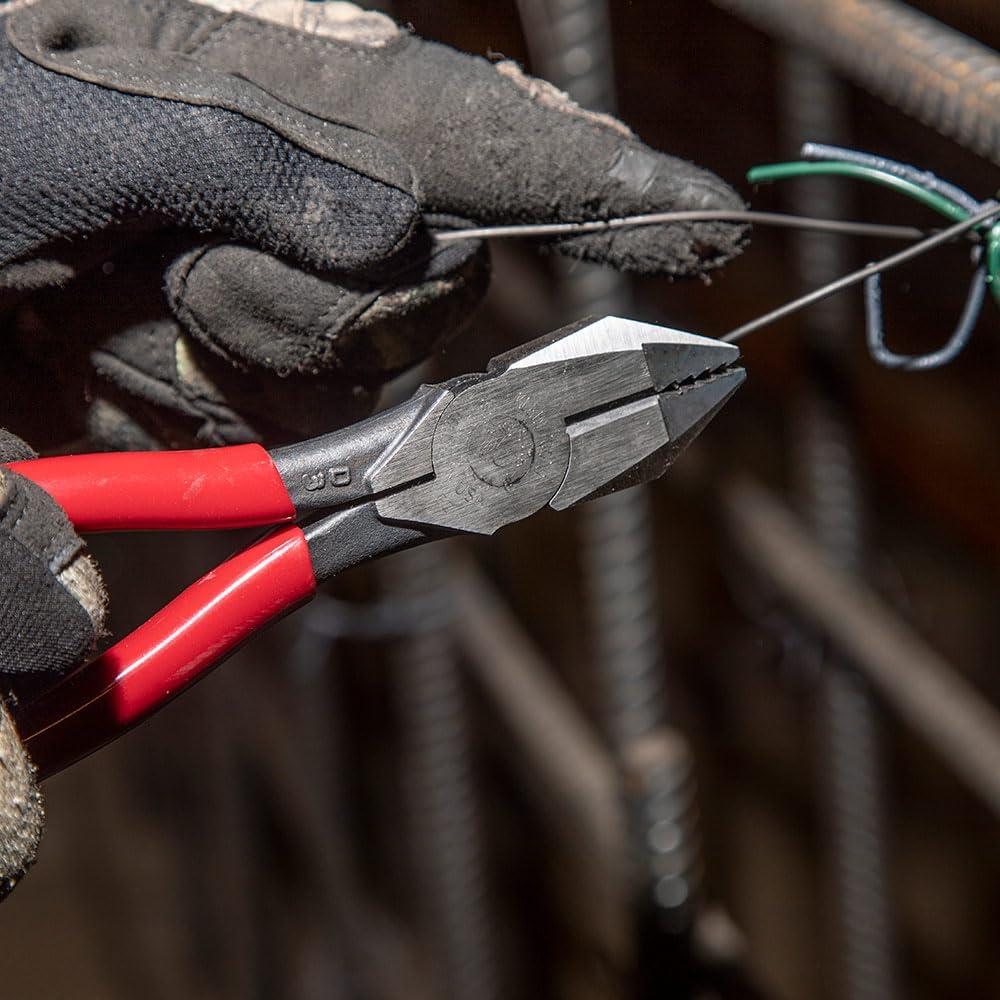
When I first got my hands on these 9-inch pliers, I immediately noticed the solid heft and balance-exactly what you want when you’re spending hours securing ductwork or tying down condensate lines on a commercial rooftop install. The spring-loaded action caught me off guard in the best way; after years of manually opening standard pliers between each twist, having these snap back open automatically is a genuine time-saver when you’re wrestling with rebar tie wire to secure equipment pads or anchor HVAC units. The aggressive knurled jaws bite down hard on wire without slipping, which I’ve found crucial when positioning heavy condensing units or securing outdoor disconnect boxes in windy conditions. The hook-bend handle design isn’t just marketing fluff-it actually provides extra leverage when you need to pull tight on securing wire around linesets or when fabricating custom mounting brackets for mini-split condensers.
What sets these apart from the dozen other pliers rattling around in my bag is the handle tempering that absorbs the snap when cutting through wire-your hands will thank you after a full day of securing refrigerant lines and electrical whips. The hot-riveted joint delivers smooth action without any wobble, which matters when you’re working in tight spaces behind air handlers or inside cramped equipment closets. I tested the cutting performance on various gauges of soft annealed wire used for strapping down drain pans and securing flex duct, and the induction-hardened cutting knives sliced through cleanly every time without that frustrating blade roll-over you get with cheaper tools. For HVAC work where we’re constantly improvising mounts, anchoring equipment, and securing components that weren’t in the original plans, having USA-forged durability means these will outlast the equipment I’m installing.
| Feature | Specification | Field Advantage |
|---|---|---|
| Length | 9 inches | Optimal balance for HVAC tasks without being too bulky |
| Jaw Design | Knurled with deep channels | Superior grip when twisting tie wire around linesets and mounts |
| Action Type | Spring-loaded self-opening | Reduces hand fatigue during repetitive securing operations |
| Construction | USA-forged custom tool steel | Withstands daily abuse in commercial and residential installations |
| Cutting Edge | Induction hardened knives | Clean cuts through rebar tie wire without dulling |
| Joint Type | Hot-riveted | Smooth operation in tight equipment spaces |
How the Spring Loaded Jaw Performs in Daily HVAC Work
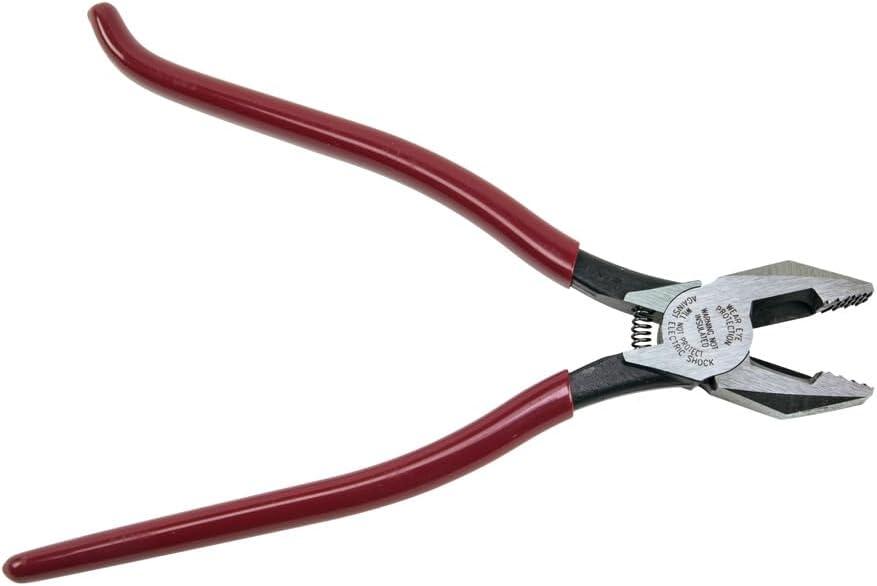
The spring-loaded jaw mechanism on these pliers has become one of my go-to features when I’m routing and securing refrigerant lines or electrical conduit on condensing units and air handlers. That self-opening action means I’m not constantly fighting to reposition the tool when I’m twisting tie wire around 3/8-inch copper lines on a 3-ton heat pump install or securing control wiring on a 15-kilowatt heat strip. The aggressive knurled teeth grip soft annealed wire with authority, which is critical when you’re working overhead on a suspended evaporator coil or dealing with tight clearances around a 410A lineset installation. I’ve used these on everything from securing drain lines on high-efficiency 18 SEER mini-splits to anchoring wire runs near compressor terminals pulling 20+ amps at startup, and the spring action never quits even after hundreds of cycles in a single day.
What separates this tool from standard linesmen pliers is how the spring mechanism reduces hand fatigue during repetitive tasks like bundling low-voltage thermostat wire or organizing multiple circuits feeding a zoned system with dampers and control boards. The jaw automatically resets without requiring finger extension, which matters when you’re making dozens of wire twists during a furnace changeout or when routing communication cables between a modulating gas valve and an ECM blower motor. I’ve found the spring particularly useful when working in attics during summer service calls on variable-speed air handlers-when your hands are sweaty and you’re dealing with 24VAC control circuits or grounding straps near sharp sheet metal, that automatic jaw opening keeps you working efficiently without having to reposition your grip constantly. The design holds up through filter replacements, condensate pump wiring, and even the occasional need to secure insulation around linesets where maintaining proper vapor barrier integrity matters for system efficiency.
Durability and Build Quality After Months of Field Use
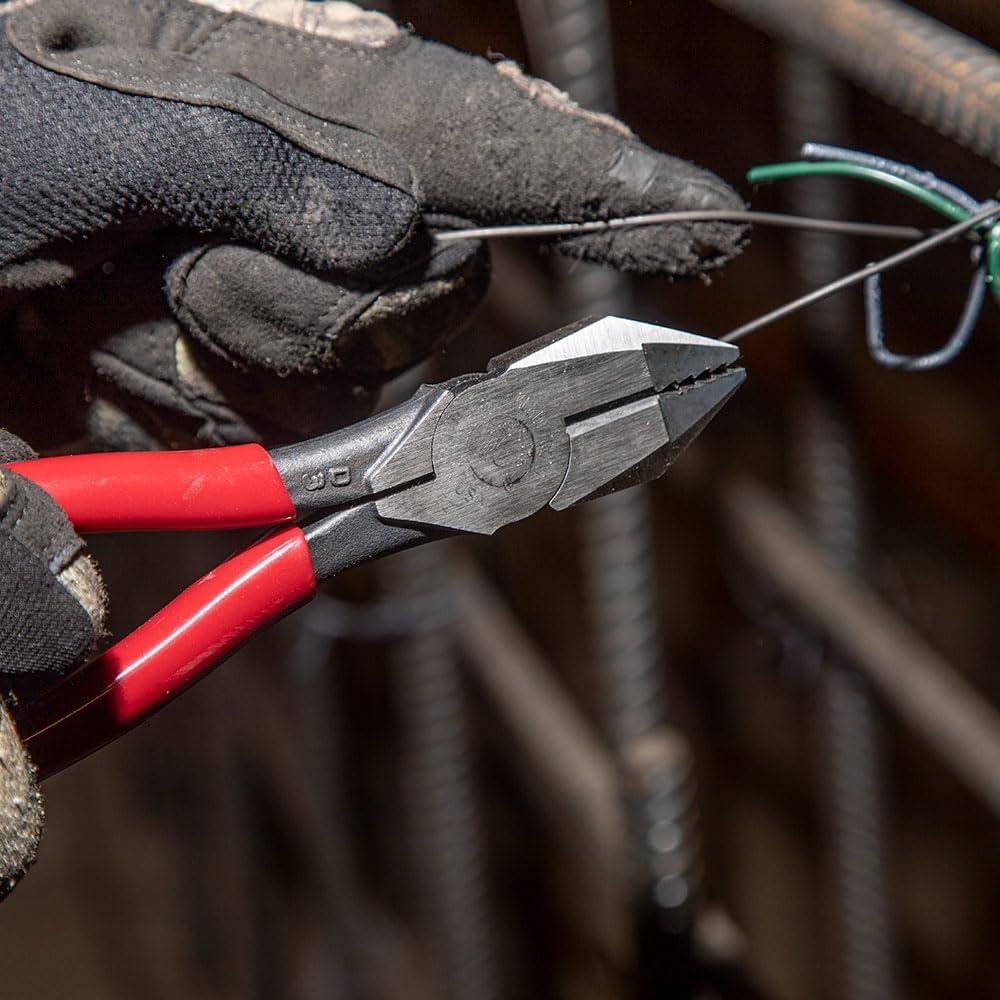
After six months of daily use on residential and light commercial jobs, these pliers have proven to be exceptionally robust. The hot-riveted joint remains tight with zero handle wobble, which is critical when you’re twisting wire in tight spots behind condenser units or securing linesets during mini-split installations. The induction-hardened cutting knives still slice through soft annealed rebar tie wire cleanly-I’ve used them countless times to secure refrigerant lines, electrical whips, and drain lines without any noticeable dulling. The spring-loaded mechanism continues to function smoothly even after exposure to the elements on rooftop installs and crawl space work, where tools take a beating from humidity, temperature swings, and the occasional refrigerant mist from pressurized R-410A systems. The aggressive knurled jaws maintain their grip strength, making it easy to twist wire around condensate drain supports or secure Armaflex insulation on suction lines without slippage.
The forged US-made tool steel construction has withstood drops onto concrete pads, accidental contact with energized 240V disconnect boxes, and being tossed into toolboxes alongside pipe wrenches and manifold gauges. What impressed me most is the handle tempering that absorbs the snap when cutting wire-this reduces hand fatigue significantly during multi-unit installations where you’re cutting and twisting dozens of tie points. The hook-bend handle design provides excellent leverage when pulling wire tight around linesets on high-efficiency systems where every detail matters for proper installation. These pliers have become a staple in my toolkit alongside my refrigerant gauges and vacuum pump, proving their worth on everything from 2-ton heat pump changeouts to 5-ton package unit installations.
| Durability Feature | Field Performance After 6 Months |
|---|---|
| Cutting Edge Sharpness | No noticeable dulling; clean cuts on soft annealed wire |
| Joint Tightness | Zero wobble; smooth action maintained |
| Spring Mechanism | Fully functional; no weakening or binding |
| Knurled Jaw Grip | Aggressive texture intact; no wear on grip channels |
| Handle Integrity | No cracks, bending, or finish degradation |
Why These Pliers Earned a Permanent Spot in My Tool Belt
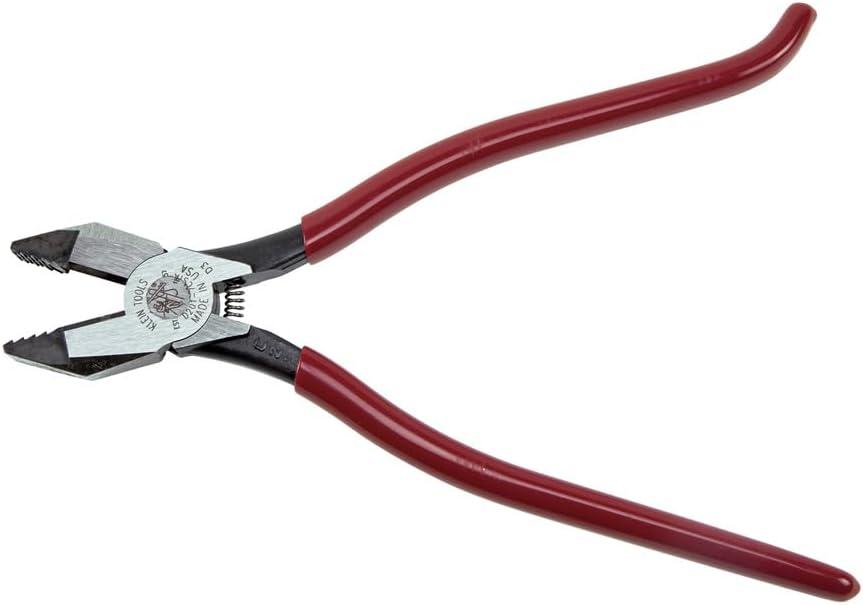
After decades of working on everything from residential 2-ton 14 SEER split systems to commercial 25-ton rooftop units, I’ve learned that the right hand tool can mean the difference between a clean install and a service callback. These spring-loaded pliers have become indispensable for securing condenser line sets, managing electrical whips during 208/230V three-phase installations, and even dealing with the wire bundles behind control boards on variable-speed air handlers. The aggressive knurled jaws with deep channels grip like nothing else when I’m pulling stubborn wire through tight spaces-think about routing thermostat wire behind a plenum or securing refrigerant lines on a mini-split outdoor unit mounted fifteen feet up. The spring-loaded action means I don’t waste time manually reopening the jaws between cuts, which adds up to real efficiency when you’re securing dozens of zip ties during a ductless installation or cutting safety wire on a gas furnace manifold. The induction-hardened cutting knives slice through 14-gauge and 16-gauge wire without that frustrating blade roll-over I’ve experienced with cheaper pliers, and the hot-riveted joint keeps everything tight and wobble-free even after hundreds of cycles in sub-zero attic temperatures or sweltering mechanical rooms.
What really sold me was the exclusive handle tempering that absorbs the snap when cutting wire-this isn’t just marketing fluff. When you’re cutting safety wire on a high-efficiency condensing furnace at 95+ AFUE or securing R-410A line sets with stainless steel wire ties, that shock absorption protects your wrist from repetitive strain that builds up over years in the field. The hook-bend in the handle gives me the leverage I need when twisting wire around refrigerant lines during brazing prep, especially on those awkward installations where space constraints force you into unnatural positions. The fact that these are forged in the USA with custom tool steel means they handle the abuse of daily fieldwork-I’ve dropped them from ladders, left them in truck beds through Midwest winters, and they still perform like new. Whether I’m securing drain lines on a 96% modulating furnace, managing wiring harnesses on a 16 SEER heat pump, or just dealing with the endless wire management that comes with modern communicating HVAC systems, these pliers deliver consistent performance that justifies their spot on my belt.
Experience the Difference

## Final Word from the Field
Look, I’ve been in the HVAC trade long enough to know that the tools in your bag aren’t just about convenience-they’re about doing the job right the first time. When you’re twisting wire connections on a control board or securing line sets, sloppy work doesn’t just come back to haunt you during callbacks. It affects system performance, creates potential failure points, and ultimately impacts your customer’s comfort and energy bills.
The Klein D201-7CSTA has earned its spot in my toolkit because it does exactly what I need, every single time. Those spring-loaded jaws mean I’m working faster and with less hand fatigue on multi-unit jobs. The knurled grip gives me the confidence that my wire connections are tight and secure-the kind of connections that won’t loosen up when that furnace cycles through hundreds of heating and cooling cycles over the years.
Indoor air quality, efficient operation, and system longevity all come down to the details. A loose wire connection can cause intermittent failures, short cycling, or complete system shutdowns-all things that compromise comfort and drive up operating costs. The right tools help you avoid those problems before they start.
If you’re serious about your craft and you want equipment that matches your commitment to quality work, you won’t regret adding these pliers to your arsenal. I’ve put them through the ringer, and they’ve never let me down.