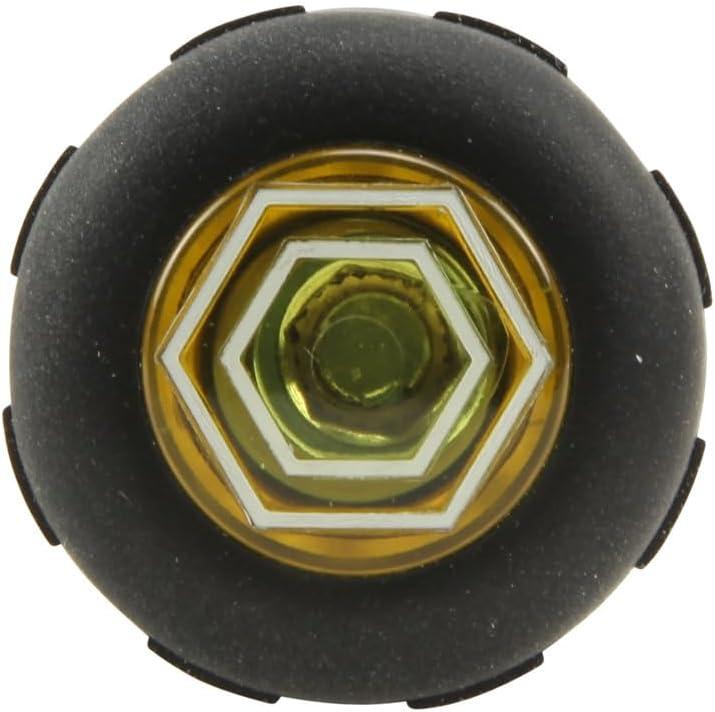
Klein 65064 2-in-1 Nut Driver: My Go-To Tool
I’ve been crawling through condensers, furnace panels, and electrical cabinets for over twenty years, and if there’s one thing I’ve learned, it’s that the tools you carry make or break your efficiency on a job site. After years of fumbling with separate nut drivers or watching fasteners drop into the bowels of a unit at the worst possible moment, I got my hands on the Klein Tools 65064 2-in-1 Nut Driver. This thing puts both 1/4-inch and 5/16-inch hex heads-the two sizes you’re reaching for constantly when working on control boards, mounting brackets, and panel covers-into one 8-inch handle. I’ve put this tool through the paces on residential AC installations, furnace replacements, and countless service calls where space is tight and time is money. Klein’s been building tools since 1857, and that kind of longevity doesn’t happen by accident-it happens when you build something that actually holds up under real-world abuse. The question is: does this dual-ended nut driver deserve a spot in your pouch alongside your refrigerant gauges and multimeter, or is it just another gimmick that sounds good on paper but falls short in the field? Let’s break down what works, what doesn’t, and whether this tool earns its keep when you’re three panels deep into a heat pump on a 95-degree afternoon.
My First Impressions of the Klein Tools 65064 Dual Hex Nut Driver
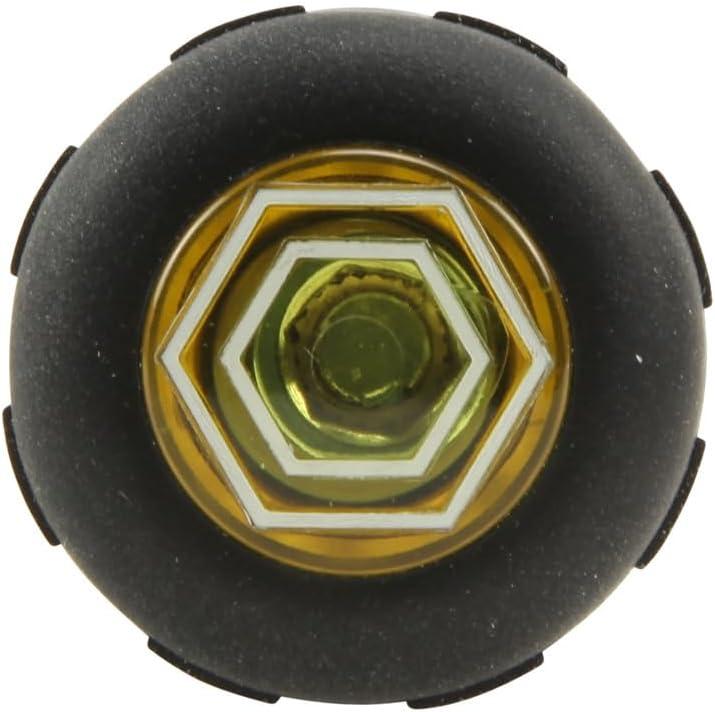
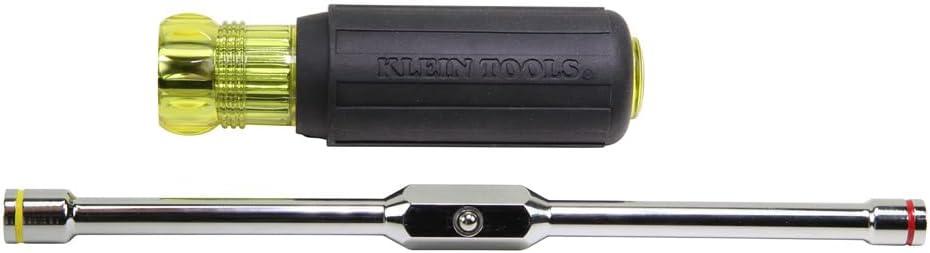
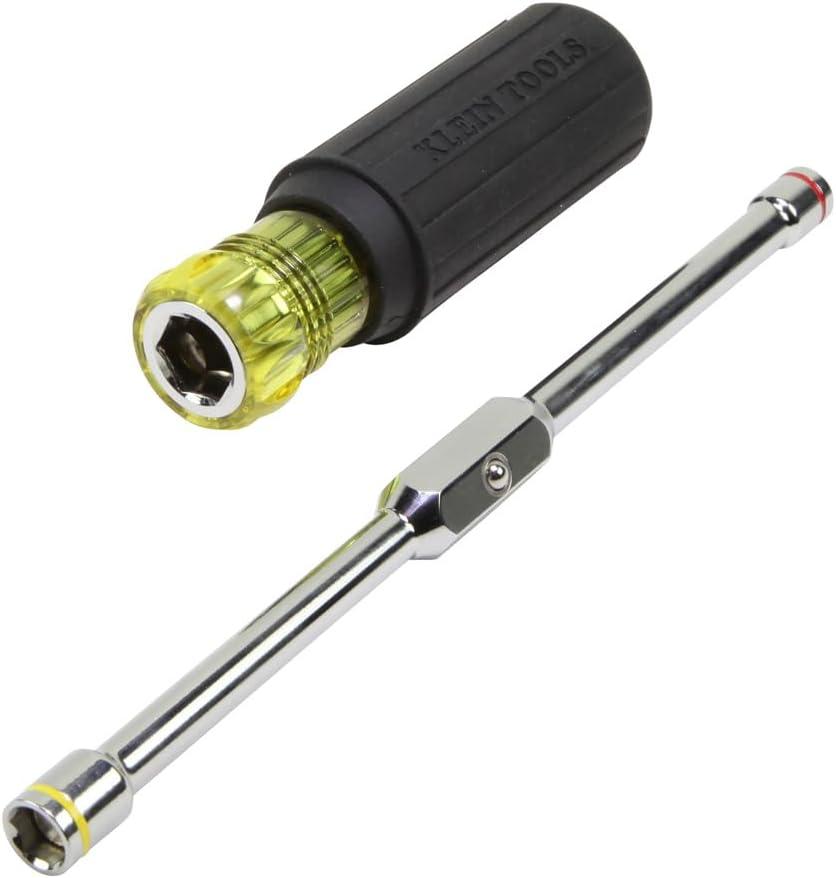
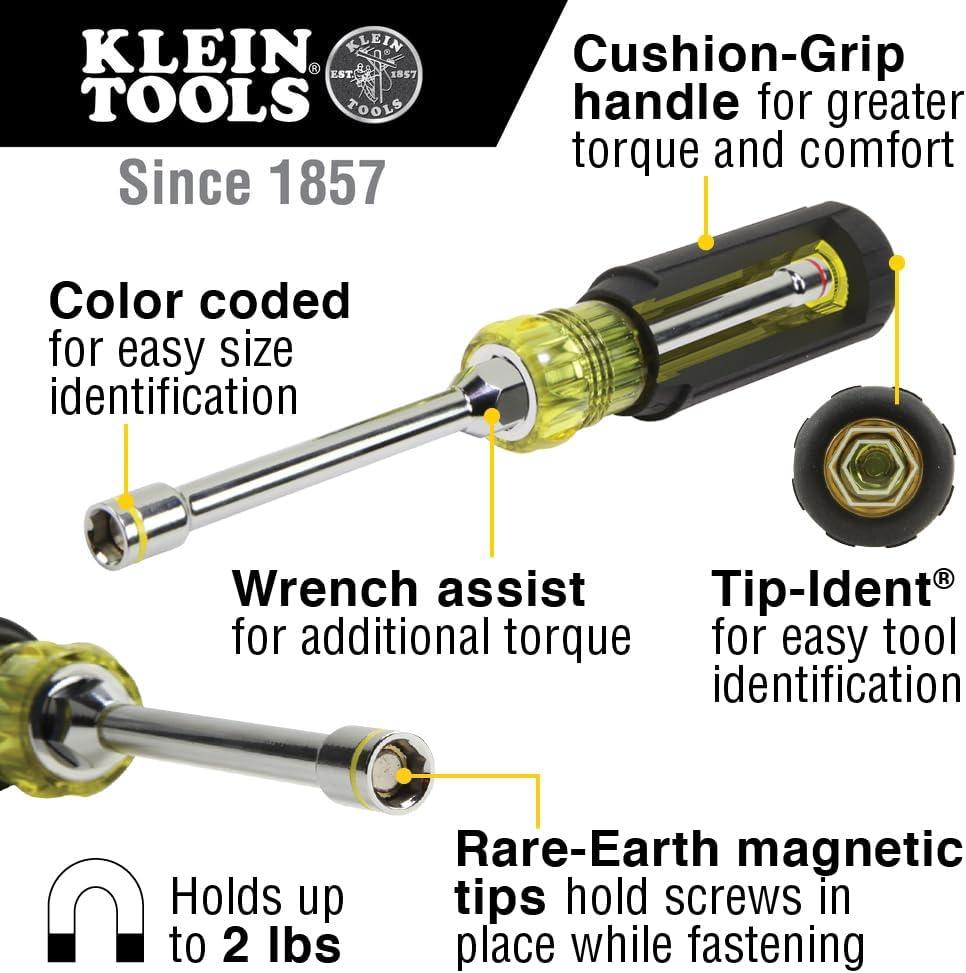
When I first pulled this tool out of the package, I immediately noticed the solid construction-this isn’t some flimsy bargain bin driver that’ll twist under pressure. The dual-hex design caught my attention right away because 1/4-inch and 5/16-inch hex sizes are exactly what I reach for most often when working on condensing units, heat pumps, and mini-split installations. The color-coded bands make it easy to identify which end I need without squinting at stamped markings in a cramped mechanical room. What really impressed me was the magnetic tip strength; it holds screws and fasteners firmly enough that I’m not constantly dropping hardware into drain pans or losing them behind equipment. The wrench-assist flat sections on the shaft are a thoughtful touch for breaking loose those stubborn panel screws that always seem to seize up on outdoor units exposed to the elements.
In the field, I’ve used this driver on everything from terminal block covers to electrical disconnect panels, and it handles the task without any flex or wobble. The 8-inch length gives me excellent reach into tight spaces-like accessing mounting screws behind blower assemblies or tightening connections in cramped attic installations-without needing an extension. The grip feels comfortable even during extended use, which matters when you’re securing dozens of fasteners during a full system installation or retrofit. I appreciate that Klein didn’t sacrifice durability for the dual-head convenience; it feels as robust as a conventional single-head driver, and the magnetism hasn’t weakened even after months of daily use on job sites. For anyone working on residential HVAC systems, where these hex sizes dominate fastener applications, this tool quickly becomes indispensable.
How the Reversible Design Performs in Tight HVAC Spaces
I’ve spent countless hours wedged between furnace cabinets and ductwork, trying to reach fasteners in spots where a regular ratchet won’t fit and there’s barely enough clearance to get my hand in. The reversible hex head design on this tool has become my go-to solution for those frustrating moments when I’m installing condensate pumps, securing blower motor housings, or tightening electrical junction boxes on high-efficiency units. The ability to flip between 1/4-inch and 5/16-inch sizes without digging through my tool bag is a genuine time-saver, especially when I’m working inside cramped air handler compartments or behind wall-mounted mini-splits. The magnetic tip holds fasteners securely even when I’m reaching overhead to install condensing unit service panels-no more dropped screws disappearing into the bottom of a compressor compartment. The wrench-assist feature has proven particularly useful when removing corroded fasteners from outdoor units that have been exposed to years of weather, allowing me to apply extra torque without switching tools.
What sets this driver apart in real-world HVAC applications is its solid construction that doesn’t flex or twist when you’re applying pressure in awkward positions. When I’m replacing contactors on 240V condensing units or securing capacitor brackets, I need a tool that won’t strip out hex fasteners, and this delivers. The color-coded bands make identification instant when I’m working in dimly-lit attics or crawl spaces-critical when you’re troubleshooting a failed blower motor at midnight. The 8-inch shaft length hits the sweet spot for reaching recessed fasteners on control boards and access panels without being so long that it becomes unwieldy in tight quarters around refrigerant lines and electrical connections.
| Application | Performance Rating | Notes |
|---|---|---|
| Blower Motor Access Panels | Excellent | Magnetic tip prevents dropped fasteners in tight compartments |
| Condensing Unit Service Panels | Excellent | Wrench-assist handles weather-corroded fasteners |
| Electrical Junction Boxes | Very Good | Dual sizing eliminates tool changes during installations |
| Thermostat Mounting Plates | Good | Shaft length may be excessive for shallow wall boxes |
Get the Klein Tools 2-in-1 Hex Driver on Amazon
Durability and Build Quality After Months of Daily Use
After six months of constant field use-from stripping out condensing unit panels on R-410A systems to tightening electrical terminals on 240V heat pump installs-this dual-hex driver has held up impressively. The magnetic retention remains as strong as day one, which is critical when you’re working overhead on ductwork access panels or removing screws from blower compartments in tight attic spaces. I’ve put this through the wringer on everything from residential split systems to light commercial rooftop units, and the hex heads show minimal wear despite repeated contact with vibration-prone fasteners on condenser fan motors and compressor mounting bolts. The color-coded bands might seem trivial until you’re juggling multiple tools during a filter drier replacement on a refrigerant line set, and you need to grab the right size without squinting in a dim mechanical room.
The wrench-assist feature has proven invaluable when dealing with overtightened screws on aging equipment-particularly those corroded access panels on coastal installations where salt air accelerates fastener deterioration. I’ve used the hex shaft with a wrench to break loose stubborn 1/4-inch screws on control boards and transformer covers without stripping heads, something that’s saved me from drilling out fasteners more than once. The tool’s solid construction feels balanced and substantial, not hollow or cheap like some imported alternatives that flex under torque. It’s survived repeated drops onto concrete pads beneath condensing units and hasn’t developed the wobble or magnetic failure I’ve experienced with lesser brands. For techs running service calls on everything from 1.5-ton mini-splits to 5-ton package units, this has become a genuine everyday carry.
Why This Tool Delivers Value for Professional Technicians
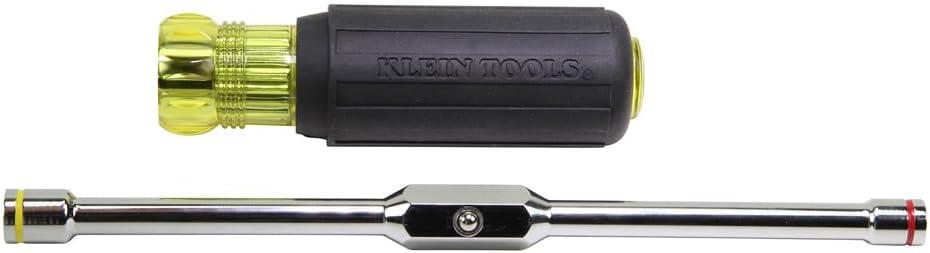
In the HVAC trade, I’ve learned that the tools you carry directly impact how efficiently you can complete a job, and this dual-ended nut driver has earned a permanent spot in my service bag. The magnetic hex design keeps screws secure when working in tight spaces-like inside condensing units where dropping a fastener means fishing it out from beneath the compressor or worse, having it fall into the blower assembly. The 1/4-inch and 5/16-inch sizes cover roughly 80% of the fasteners I encounter on residential and light commercial equipment, from securing electrical panels and mounting brackets to tightening terminal screws on contactors and capacitors. What sets this apart from cheaper alternatives is the wrench-assist feature, which has saved me countless times when dealing with rusted or over-torqued bolts on outdoor units exposed to the elements. The color-coded bands aren’t just cosmetic-they let me grab the right size instantly without squinting at tiny stampings, which matters when you’re working in dim attics or cramped crawlspaces.
The solid construction feels reassuring compared to flimsy multi-tools that flex under torque, and I’ve noticed the magnets maintain their strength even after months of daily use in environments where temperatures swing from subzero outdoor winter service calls to 140°F+ attic installations in summer. For professionals who regularly work on systems ranging from 1.5-ton mini-splits to 5-ton residential units, consolidating two frequently-used sizes into one 8-inch handle means less bulk in your pouch and faster transitions between tasks-whether you’re mounting a thermostat, securing ductwork dampers, or installing UV lights in the air handler. The tool delivers genuine time savings across diverse applications: I’ve used it on everything from removing access panels on high-efficiency units to securing line set brackets during refrigerant line installations.
| Feature | Professional Benefit |
|---|---|
| Dual Hex Sizes (1/4″ & 5/16″) | Covers majority of fasteners on condensers, air handlers, and electrical components |
| Magnetic Retention | Prevents dropped screws in tight spaces and live electrical panels |
| Wrench-Assist Design | Breaks loose corroded outdoor unit fasteners without switching tools |
| Color-Coded Bands | Quick size identification in low-light service environments |
| 8-Inch Length | Optimal reach for recessed fasteners without excessive bulk |
Get This Dual Nut Driver on Amazon
Achieve New Heights
## The Bottom Line
Look, I’ve been turning wrenches in tight spaces for more than years than I care to admit, and I can tell you this much: the Klein 65064 has earned its permanent spot in my daily carry. It’s not flashy, it’s not complicated-it’s just a brilliantly executed tool that does exactly what you need it to do, every single time.
What I appreciate most about this nut driver is that Klein didn’t overthink it. They took the two most common hex sizes we reach for on every HVAC job, built them into one solid tool with genuine magnets that actually hold fasteners, and wrapped it in the kind of quality that doesn’t quit after a few months of real use. That wrench-assist feature? That’s the kind of thoughtful detail that separates a good tool from one you actually trust when you’re three panels deep into a furnace at 9 PM on a Tuesday.
Here’s what I’ve learned after decades in this trade: the tools you choose matter just as much as the systems you install. When you’re working on equipment that controls someone’s comfort, their energy bills, and the air their family breathes every day, you need tools that won’t let you down. Stripped fasteners, dropped screws, and fumbling with multiple drivers-that’s how small problems become big ones, and how quick fixes turn into callbacks.
The Klein 65064 eliminates those headaches. It’s reliable, it’s efficient, and it helps you do clean, precise work. And clean, precise work means systems that run better, last longer, and keep homeowners comfortable without burning through their wallets.
If you’re serious about doing this work right-whether you’re a fellow tech or a homeowner who takes pride in maintaining your own equipment-don’t settle for tools that make the job harder. Invest in equipment that makes you better at what you do.