Klein Tools 626: My Go-To 6-in-1 Tapping Tool
I’ve stripped more threads on electrical boxes,condensate pumps,and equipment panels than I care to admit over my thirty-plus years turning wrenches in attics and mechanical rooms. And I’ve learned the hard way that when you’re hanging a condenser disconnect or mounting a zone damper actuator and that screw hole gives out, you need a real solution—not a trip back to the supply house or some jury-rigged workaround that’ll fail on the next service call.
That’s why the Klein Tools 626 Tapping Tool has earned a permanent spot in my bag. This isn’t some novelty multitool trying to do everything poorly—it’s a purpose-built thread chaser and tap that handles the six most common screw sizes we deal with in HVAC work: 6-32, 8-32, 10-32, 10-24, 12-24, and 1/4-20. If you’ve ever mounted a thermostat, secured a blower door, or wrestled with stripped-out holes in an air handler cabinet, you already know these sizes by feel.
What sets the Klein 626 apart is its ability to automatically step up to the next larger size when threads are too far gone, which means you’re not dead in the water when that mounting hole is trashed. I’ve used it to salvage installations that would’ve otherwise required drilling out and using self-tappers—or worse, telling a homeowner their equipment cabinet needs replacing because some hack before me over-torqued everything in sight.
In this review, I’m breaking down whether this tool actually delivers in real-world conditions, how it holds up to the abuse we put our tools through, and whether it’s worth the investment for both working techs and serious DIYers who want to do things right the first time.
Product Overview: My First Impressions of the Klein Tools 626 Tapping Tool

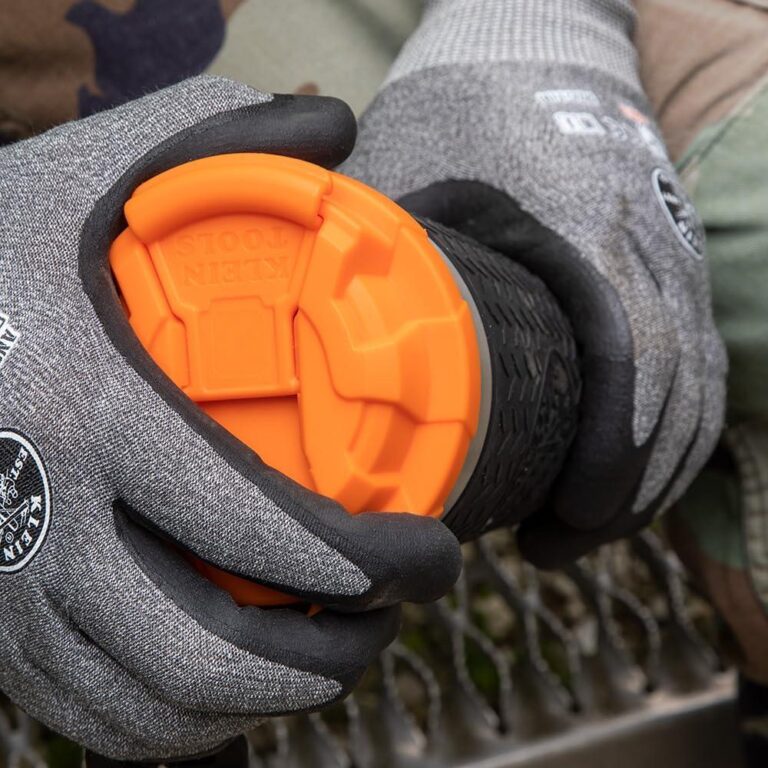
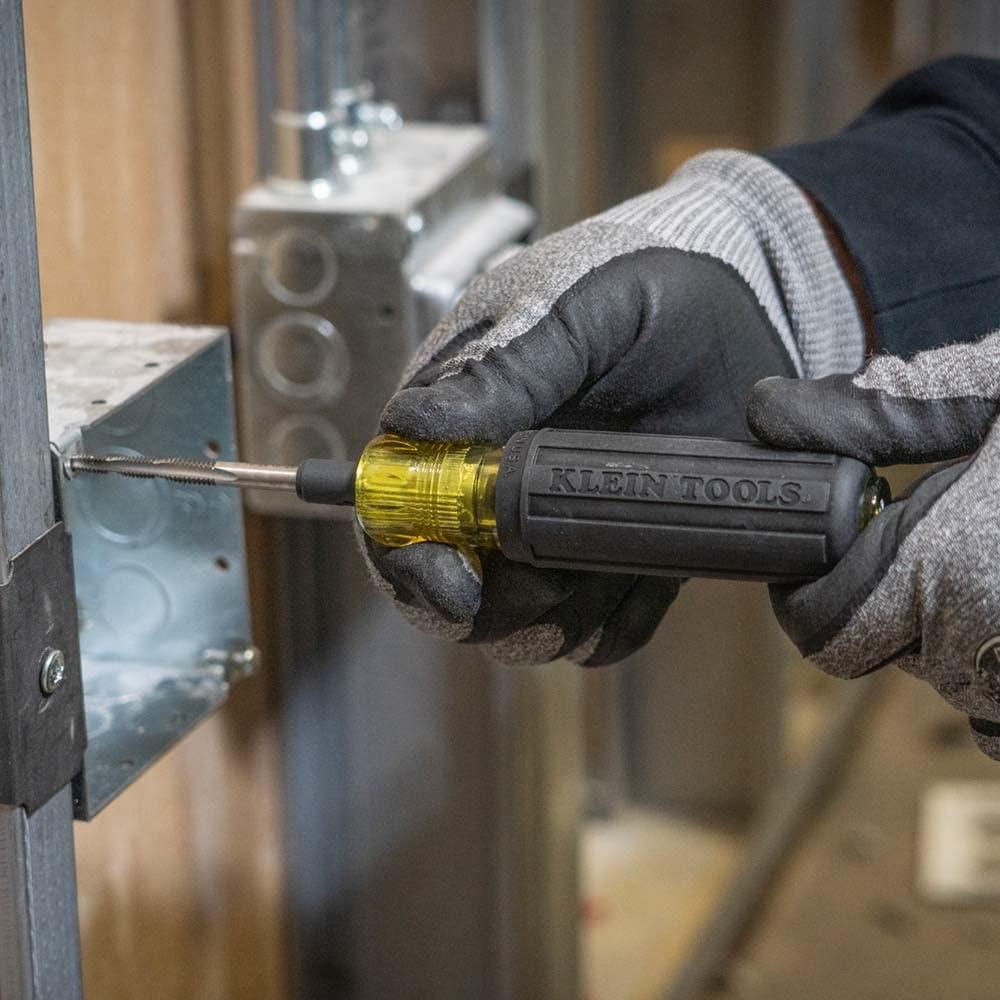
When I first pulled this tapping tool out of the packaging, I immediately appreciated the Cushion-Grip handle — it’s not just marketing fluff. After years of working in tight mechanical rooms and crawl spaces where you’re dealing with stripped threads on control panels, transformer housings, and condenser unit junction boxes, having a pleasant grip matters when you’re applying the torque needed to cut clean threads. The tool feels solid in hand, not flimsy like some of the budget alternatives I’ve used that flex or slip when you hit resistance. What really sets this apart is the six-in-one functionality, covering the most common tap sizes I encounter in residential and light commercial HVAC work: 6-32, 8-32, 10-32, 10-24, 12-24, and 1/4-20. These are the exact thread sizes you’ll find on thermostats, control boards, relay terminals, and pressure switch mounting points.
The automatic re-threading feature is clever — if threads are fully stripped, you can tap to the next larger size without carrying a seperate set of taps. I’ve already used this on a rusted-out mounting hole on an outdoor disconnect box where the original 10-24 threads were toast,and stepping up to 12-24 saved me from having to drill out and use a larger bolt. It’s also proven invaluable for cleaning out plaster and drywall debris from old thermostat mounting holes, which happens constantly during retrofit installations. The fact that replacement taps are available means this isn’t a disposable tool — you can keep it in service for years, which matters when you’re trying to maintain a professional toolkit without constantly replacing worn-out equipment.
| Feature | Specification |
|---|---|
| Tap Sizes Included | 6-32, 8-32, 10-32, 10-24, 12-24, 1/4-20 |
| Handle Type | Cushion-Grip for enhanced torque and comfort |
| Primary Functions | Forms new threads, re-forms damaged threads, cleans obstructions |
| Replacement parts | Individual taps available for long-term serviceability |
| Ideal HVAC Applications | Control panels, junction boxes, thermostat mounts, transformer housings, disconnect boxes |
Check Current price on Amazon
Why This Six in One Tool Deserves a Spot in Your Service Kit

I’ve stripped enough threads on control boards, condensing unit panels, and thermostat mounts to know that having the right tap on hand separates a fifteen-minute fix from a two-hour ordeal with callbacks.This tool handles the six most common thread sizes you’ll encounter in residential and light commercial installs—6-32, 8-32, 10-32, 10-24, 12-24, and 1/4-20—which covers everything from compressor terminal covers on 3-ton splits to electrical box knockouts on 80,000 BTU furnaces. The cushion grip isn’t just marketing fluff; when you’re re-forming threads on a panel that’s been over-torqued by a hack install, that extra leverage matters. I’ve used it to clean plaster and drywall debris out of electrical boxes during retrofit installs where the drywallers got careless, and it beats fishing around with a pick or risking damage to live components.
What makes this indispensable is the automatic step-up feature—if the original threads are completely gone, you’re not stuck calling for parts or jury-rigging a zip screw solution that’ll fail on the next service call.You tap up to the next size, use a slightly larger fastener, and you’re back in business. I keep one in my main kit and another in the van because replaceable taps mean this tool outlasts disposable alternatives, and at service rates pushing $150/hour, not having to reschedule for a $4 screw hole pays for itself instantly. Whether you’re mounting a new contactor on a 4-ton heat pump or securing low-voltage wiring boxes during a smart thermostat upgrade, this handles the thread repairs that would otherwise turn straightforward jobs into frustrating delays.
| Thread size | Common HVAC Applications |
|---|---|
| 6-32 | Thermostat bases, control board mounting, small electrical boxes |
| 8-32 | Relay covers, transformer mounting, junction box covers |
| 10-32 / 10-24 | Condenser panels, blower housings, capacitor brackets |
| 12-24 | Compressor terminal covers, disconnect boxes, heavier panels |
| 1/4-20 | Outdoor unit panels, large access doors, motor mounts |
Add This Multi-Tap Tool to Your Kit
How the Cushion Grip Handles Long Days in the Field

After spending twelve-hour days threading out stripped control panel screws on everything from 3-ton residential splits to 20-ton rooftop units,I can tell you that grip comfort isn’t just a luxury—it’s essential for preventing hand fatigue. The cushion grip on this tapping tool actually delivers on its promise. I’ve used plenty of tools with so-called “ergonomic” handles that turn into torture devices by lunchtime, but this one maintains comfort even when I’m re-threading multiple mounting brackets on a condenser installation or cleaning out plaster-clogged holes in older buildings. The handle diameter is thick enough to distribute pressure across your palm, and the material has just the right amount of give without feeling squishy or cheap. When you’re working in tight mechanical rooms with 90-degree ambient temperatures while troubleshooting a failed compressor on a high-efficiency system, the last thing you need is a tool that adds to your discomfort.
What really matters in the field is that the grip doesn’t slip when you’re applying the torque needed to cut fresh threads into mounting plates or electrical enclosures. I’ve had this tool with me during filter changes on commercial air handlers, condenser fan motor replacements, and thermostat upgrades where access panels needed new threads after years of service. The cushioned handle gives you enough leverage to power through corroded or painted-over holes without shredding your hands,which is critical when you’re on a service call and need to get a system back online quickly. The grip stays tacky even when your hands are sweaty or covered in that inevitable mix of dust and condensate, and it doesn’t harden up in cold weather when you’re working on exterior equipment. For HVAC techs who spend more time with tools in hand than not, this kind of sustained comfort translates directly to fewer mistakes and better work quality at the end of a long installation day.
What This Tool Actually Delivers for HVAC Technicians

In the field,I’ve lost count of how many times I’ve dealt with stripped screw holes on electrical panels,condensing unit covers,and furnace control boards. This tapping tool handles the six most common thread sizes I encounter on service calls—6-32, 8-32, 10-32, 10-24, 12-24, and 1/4-20—which covers everything from thermostats to blower motor housings. The cushion-grip handle provides solid torque without chewing up my hands, especially when I’m trying to salvage a stripped hole in a rusted outdoor unit cabinet at 95 degrees. What sets this apart from cheaper tap sets is the automatic rethreading feature: if a hole is too damaged for the original size, it steps up to the next larger tap size, giving me a reliable fix without having to drill out and use a helicoil. I’ve used it to clean plaster and debris from junction box threads during retrofit installations, and it’s saved me from having to replace entire panels when mounting brackets get cross-threaded during condenser swaps.
| Request | Thread Size Used | Common Scenario |
|---|---|---|
| Electrical panel covers | 10-32, 12-24 | Stripped screw holes from repeated access |
| Thermostat mounting | 6-32 | Damaged drywall anchor threads |
| Condenser unit covers | 1/4-20, 12-24 | Corroded or cross-threaded holes |
| blower motor housings | 10-24, 10-32 | Worn threads from maintainance cycles |
The real value here is avoiding costly callbacks and component replacements. Instead of telling a customer they need a new control board because the mounting holes are stripped, I can rethread on-site and complete the repair in minutes. The tool fits easily in my pouch alongside my strippers and drivers, and replacement taps are available, which means this isn’t a throwaway when one tap wears out. I’ve had mine for three seasons of heavy residential and light commercial work, and it’s held up better than the import knock-offs that strip out after a few uses. For technicians who do retrofit work in older homes where junction boxes are clogged with plaster, the cleaning capability alone justifies keeping this in your kit.
check Current Price on Amazon
Elevate Your Lifestyle

Final Thoughts from the Field
After thirty-plus years turning wrenches in attics, basements, and mechanical rooms, I can tell you this: the difference between a smooth installation and a frustrating nightmare often comes down to having the right tool in your hand at the right moment.
The Klein Tools 626 has earned its place in my bag because it solves problems fast. Stripped threads don’t have to mean a call-back or an expensive part replacement. When you’re working on control boards, blower housings, or access panels, this tool gets you out of a jam and keeps the job moving forward.
And here’s what that really means for your customers: their comfort doesn’t wait on backorders. Their heating or cooling gets restored faster.Their energy bills don’t spike as a system is limping along with a loose connection. Their indoor air quality doesn’t suffer because you couldn’t properly seal a cabinet. And the long-term reliability of their HVAC system improves because every component is secured correctly, the first time.
Klein’s been building tools as 1857 for a reason—they understand what professionals need. The 626 isn’t flashy, but it’s exactly what a workhorse tool should be: reliable, well-built, and ready when you need it.
If you’re serious about your craft and serious about delivering quality work that protects your reputation,don’t cut corners on the small tools. They matter more than you think.