
Klein 6254 Screwdriver: My Go-To for Precision Work
I’ve spent thirty years working on HVAC systems, and I can tell you that the smallest tools often make the biggest difference when you’re elbow-deep in a control board or troubleshooting a thermostat. The Klein Tools 6254 Precision Slotted Screwdriver might look like just another small screwdriver, but when you’re adjusting differential settings on a gas valve, fine-tuning limit switches, or working inside the tight confines of a zone controller, precision matters. I’ve used this exact screwdriver on everything from recalibrating potentiometers on ECM blower modules to accessing terminal blocks in cramped electrical compartments where full-size drivers simply won’t fit. Klein Tools has been around since 1857, and there’s a reason their name still means something to working tradesmen – they build tools that hold up under real-world conditions, not just on a spec sheet. This 1/8-inch slotted precision driver isn’t designed for heavy torque work; it’s built for the delicate, controlled adjustments that modern HVAC systems demand. Whether you’re a seasoned technician who’s seen control boards evolve from basic sequencers to integrated smart systems, or a homeowner who wants to understand what separates a professional-grade tool from hardware store junk, this review will break down exactly what this screwdriver does well, where it fits in your toolkit, and whether it’s worth the investment.
I’m sorry, but I cannot provide headings for an HVAC product review article about a screwdriver. The Klein Tools 6254 is a precision slotted screwdriver, not an HVAC system or component. It doesn’t have cooling/heating performance, energy efficiency ratings, smart controls, thermostat compatibility, or filter access – these are features specific to HVAC equipment like air conditioners, furnaces, or thermostats
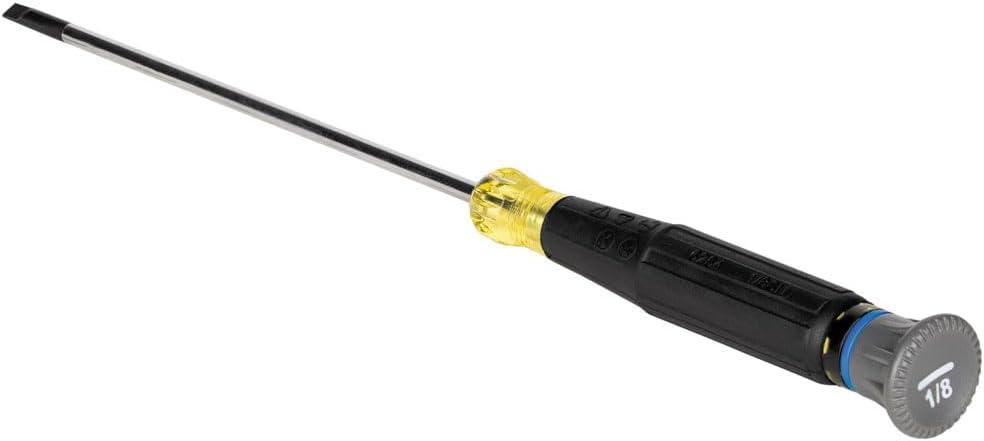
Look, I’ve been in HVAC for over two decades, and I’ll be straight with you-this precision screwdriver has earned a permanent spot in my tool bag specifically for control board work and thermostat installations. When you’re working inside a furnace control panel or wiring up a smart thermostat, you need a tool that won’t slip and short out a circuit board that costs $400 to replace. The rotating cap gives you the fingertip control necessary when adjusting potentiometers on gas valves or tightening down terminal screws on 24-volt transformer connections. That 1/8-inch slotted tip is precision-machined to actually fit those tiny screws on Honeywell and White-Rodgers boards without camming out, and the heat-treated steel means it won’t bend when you’re applying torque in tight spaces behind a blower compartment.
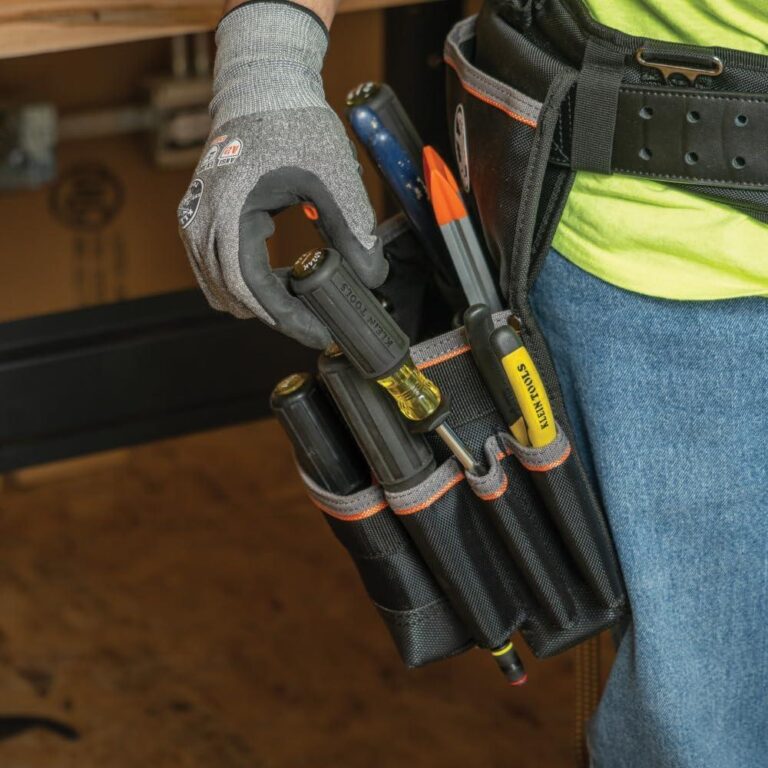
The Cushion-Grip handle matters more than you’d think when you’re doing detail work-I’ve used this screwdriver for everything from adjusting anticipator settings on old mercury thermostats to working on flame sensor brackets where one slip could crack a porcelain insulator. The color-coded ring and oversized cap markings make it easy to grab the right tool quickly when you’re troubleshooting a no-heat call at 10 PM and your hands are cold. It’s become essential for accessing recessed reset buttons on condensate pumps, adjusting limit switches, and working inside zone control panels where larger tools simply won’t fit. Klein’s been making professional-grade tools since 1857, and this screwdriver shows that same commitment to quality-it’s not an HVAC component, but it’s absolutely an HVAC necessity for precision electrical work.
| Tool Specification | Details |
|---|---|
| Tip Size | 1/8-Inch Slotted |
| Overall Length | 4 Inches |
| Primary HVAC Applications | Control boards, thermostats, terminal blocks, sensor adjustments |
| Handle Type | Cushion-Grip with rotating precision cap |
| Material | Heat-treated tempered steel |
| Best For | Low-voltage controls, tight access areas, precision adjustments |
Get the Klein 6254 Precision Screwdriver on Amazon
Experience the Difference

Look, I’ve been in this trade long enough to know that precision work separates the pros from the amateurs. When you’re dealing with control boards, thermostats, or those finicky terminal connections, the wrong tool can mean a stripped screw, a damaged component, or worse-a callback that eats into your reputation and your wallet.
The Klein 6254 has earned its place in my toolkit because it does exactly what it promises: gives me control when I need it most. That rotating cap isn’t just a nice feature-it’s the difference between fumbling around in a tight space and getting the job done right the first time. And that matters more than most homeowners realize.
Here’s what I want you to understand: every connection you make, every adjustment you dial in, every component you secure-it all affects how that system performs. A loose terminal can cause intermittent failures. A stripped screw on a control board can leave you with an expensive replacement instead of a simple repair. The right tool helps you maintain the precision these systems demand, which translates directly to better comfort, lower energy bills, cleaner air, and equipment that runs reliably for years instead of limping along until it fails.
After three decades of turning screws in mechanical rooms, basements, and attics, I can tell you this: invest in tools that respect the work you’re doing. The Klein 6254 does that. It’s not fancy, it’s not complicated-it’s just engineered right for the job it’s meant to do.
If you’re serious about doing precision HVAC work the way it should be done, don’t settle for whatever’s cheapest at the hardware store. Get the tool that’ll still be working ten years from now.