Klein RT390 Circuit Analyzer: My Honest Field Test
I’ve been troubleshooting HVAC systems for over two decades, and I’ll tell you straight-electrical issues cause more service callbacks than most homeowners realize. Before I even pull a compressor or diagnose a blower motor problem, I need to know the power feeding that equipment is clean and reliable. That’s where a quality circuit analyzer becomes essential, not just nice to have.
The Klein Tools RT390 Circuit Analyzer landed in my tool bag about six months ago, and it’s already proven its worth on job sites where voltage irregularities were masquerading as equipment failures. I’ve seen too many techs chase their tails replacing components when the real culprit was a downstream wiring fault starving a condensing unit of proper voltage. With mini-splits, heat pumps, and high-efficiency furnaces demanding increasingly stable power to protect their sensitive electronics and variable-speed components, understanding what’s happening at the outlet before you make the connection can save you hours of diagnostic headaches-and prevent warranty-voiding installations.
This isn’t just an outlet tester with a few LED lights. The RT390 performs comprehensive wiring fault detection, tests GFCI and AFCI devices with actual trip time measurements, and conducts load testing at 12A, 15A, and 20A to reveal voltage drop issues that can cripple equipment performance. In this review, I’m walking you through exactly how this analyzer performs in real-world HVAC applications, where it excels, and whether it justifies a spot in your kit.
My First Impressions of the Klein Tools RT390 Circuit Analyzer
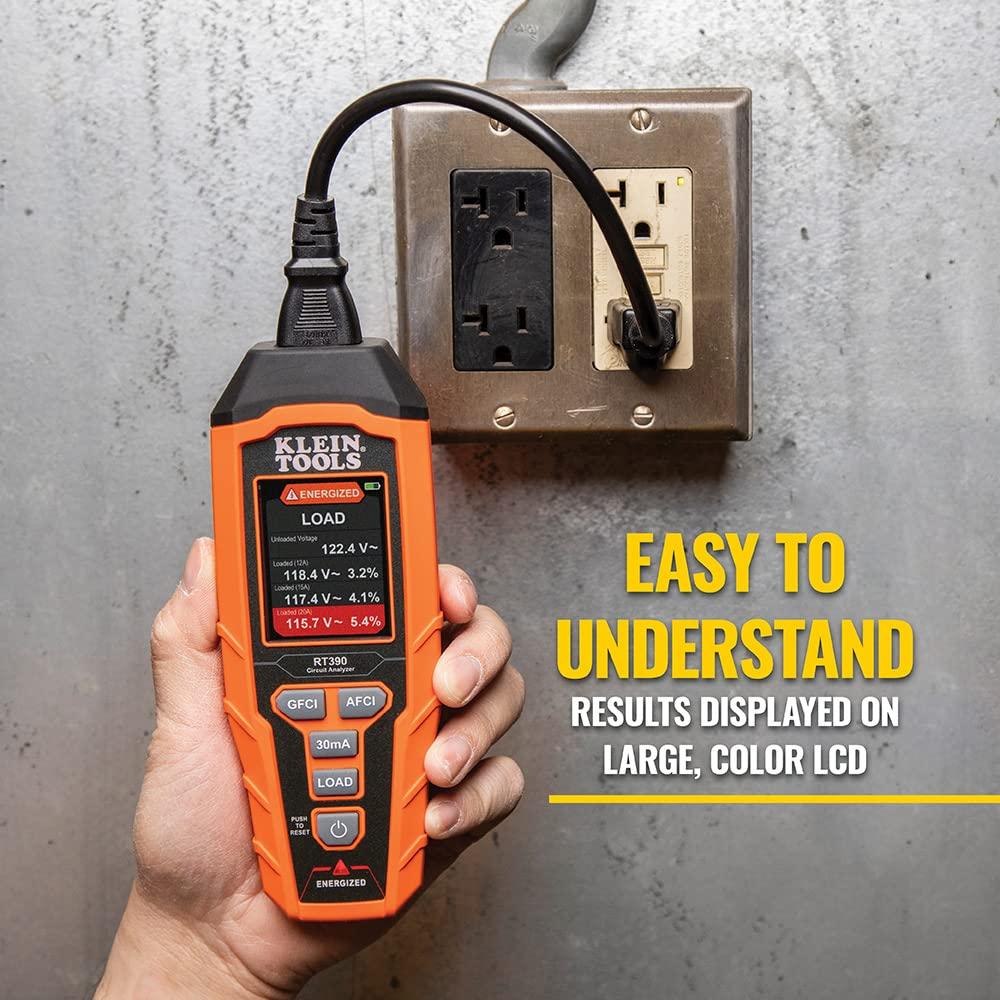
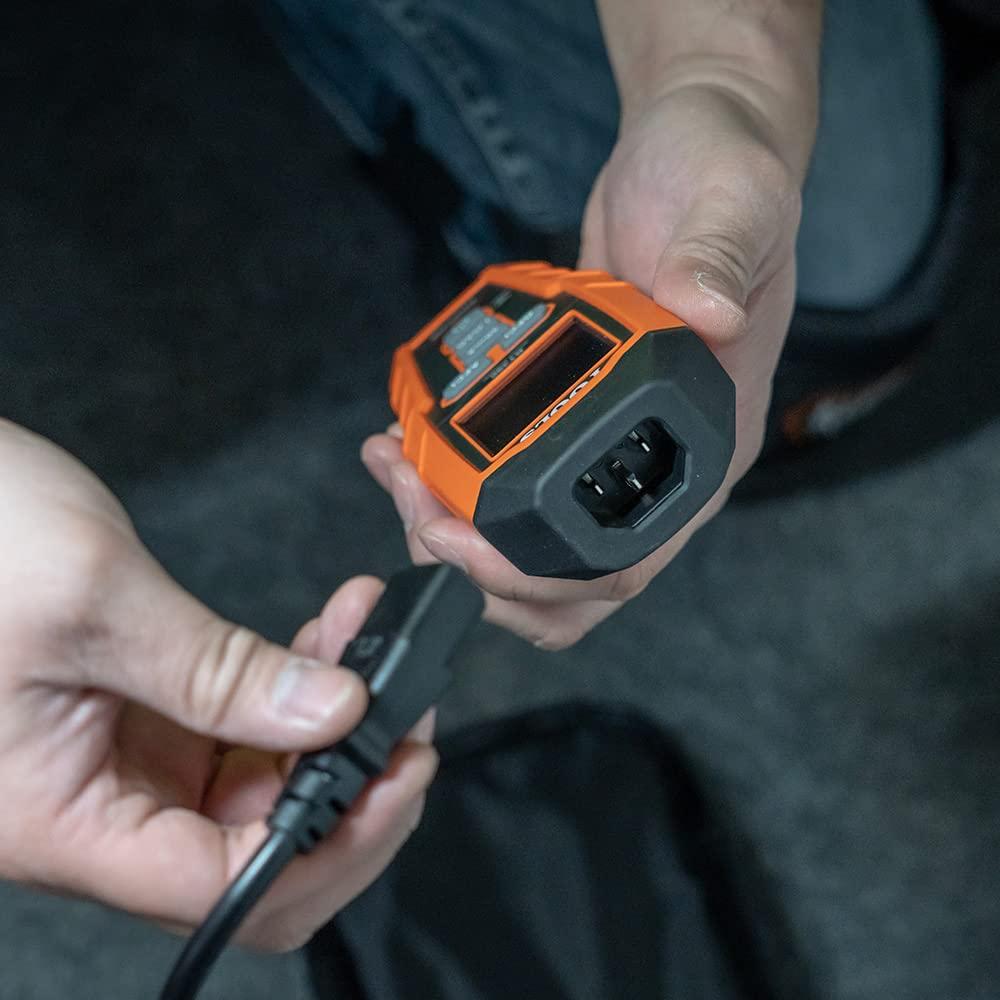
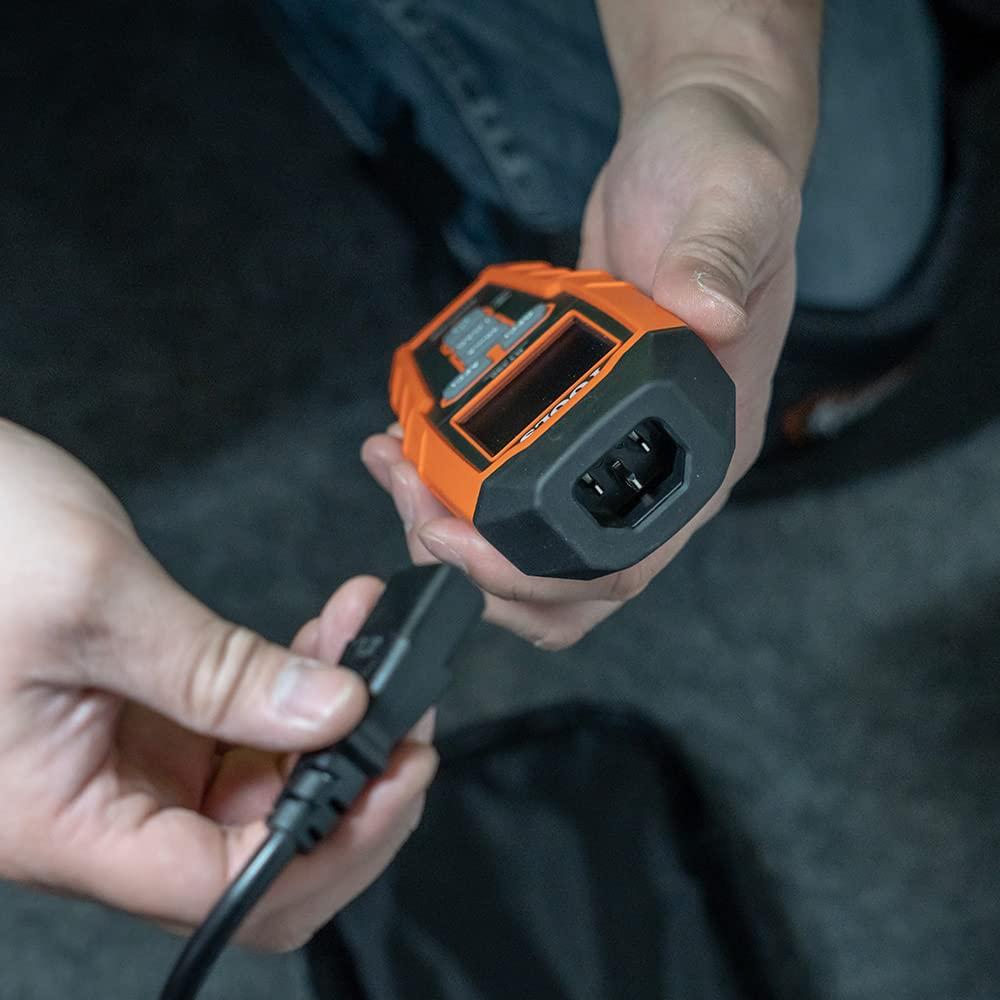
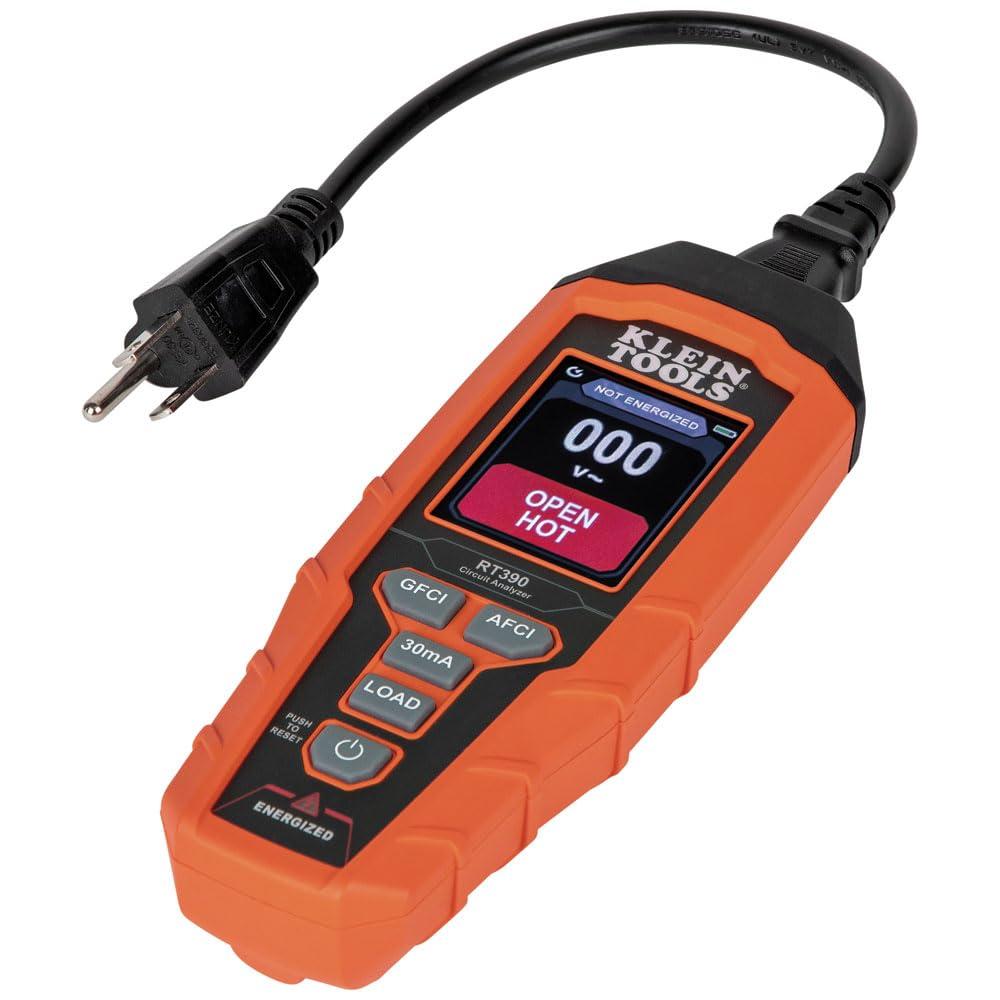
Right out of the box, this Klein circuit analyzer feels like it was designed by someone who actually works in the field. The large color LCD is immediately noticeable-no more squinting at tiny LED lights or cryptic code patterns like the cheaper testers I’ve dealt with over the years. When I’m troubleshooting a mini-split installation or diagnosing power issues on a rooftop unit, the last thing I need is guesswork about whether I’m looking at an open ground or a bootleg neutral. The display clearly spells out exactly what’s wrong, which cuts diagnostic time significantly. The detachable cord is a smart touch; it keeps the unit compact in my tool bag without tangled wires getting caught on other gear. I tested it on several circuits in both residential and light commercial settings, and the response was instant and accurate every time.
What really sets this tester apart for HVAC work is the load testing capability at 12A, 15A, and 20A. I can’t count how many service calls I’ve been on where a homeowner complains about a new heat pump tripping breakers or underperforming, only to find the issue is voltage drop from undersized wiring or a loose connection. Being able to simulate actual load conditions-especially the 20A test that mirrors what a typical 18,000 BTU mini-split or small package unit draws on startup-gives me real-world data instead of just a no-load voltage reading. The GFCI and AFCI testing with trip time measurement is equally valuable since more code-compliant installations now require these devices on condensate pump circuits and outdoor disconnect boxes. Key features worth noting:
- Detects dual wiring faults like simultaneous open neutral and open ground conditions
- Measures trip time and trip current for protective devices, ensuring they’re functioning within spec
- Auto power-off after 5 minutes means I’m not burning through batteries between jobs
- CAT III 135V safety rating appropriate for residential branch circuit work
| Feature | Specification | Field Application |
|---|---|---|
| Voltage Testing | 120V AC 3-wire outlets | Standard residential HVAC circuits |
| Load Testing | 12A, 15A, 20A | Simulates actual equipment draw conditions |
| Display | Large color LCD | Clear readings even in low-light attics or crawlspaces |
| Protective Device Testing | GFCI/AFCI with trip time | Verifies code-compliant protective devices |
| Wiring Fault Detection | Single and dual faults | Identifies dangerous conditions before equipment installation |
How the RT390 Helped Me Diagnose Electrical Issues in HVAC Systems
In my years diagnosing HVAC failures, I’ve learned that most service calls that initially seem like equipment problems-compressor won’t start, blower motor cycling erratically, control board acting up-trace back to electrical issues at the source. I used to carry three separate testers to check outlet wiring, GFCI functionality, and voltage drop under load, which meant more time fumbling through my tool bag when I needed answers fast. This analyzer consolidates everything into one compact unit with a color LCD that shows me exactly what’s happening at the receptacle. The voltage drop testing at 12A, 15A, and 20A loads has been invaluable when troubleshooting mini-splits and condensing units that draw significant startup current; I’ve caught undersized circuits and corroded connections that were causing nuisance trips on 18,000 BTU systems that should have been running flawlessly on dedicated 20A circuits.
| Testing Function | Capability | Field Application |
|---|---|---|
| Wiring Fault Detection | Standard, AFCI, GFCI outlets | Verify proper electrical configuration before connecting condensers or air handlers |
| Dual Fault Detection | Open neutral and open ground | Identify dangerous conditions that can damage variable-speed ECM motors |
| Load Testing | 12A, 15A, 20A with voltage drop % | Confirm circuit can handle compressor inrush current without voltage sag |
| GFCI/AFCI Trip Testing | Measures trip time and current | Validate protective devices on outdoor equipment and rooftop units |
What separates this tool from the cheap plug-in testers is the detailed diagnostics it provides on GFCI and AFCI devices-it doesn’t just tell me if they’re working, but shows trip time in milliseconds and trip current readings. This matters when I’m installing high-efficiency heat pumps with inverter-driven compressors that can be sensitive to ground fault nuisance tripping. The detachable cord makes storage simple in my already-packed service bag, and the auto-shutoff after five minutes has saved the battery more times than I can count. Key features that matter in the field:
- Large color LCD that’s readable even in poorly-lit mechanical rooms or bright sunlight on rooftops
- Comprehensive fault detection including simultaneous open neutral and open ground conditions that can fry control boards
- Real load testing up to 20A reveals voltage drop issues that no-load testers completely miss
- Trip time measurement helps troubleshoot GFCI outlets on condensate pumps and auxiliary heaters
Why I Trust This Tool for Ensuring Safe Equipment Installations
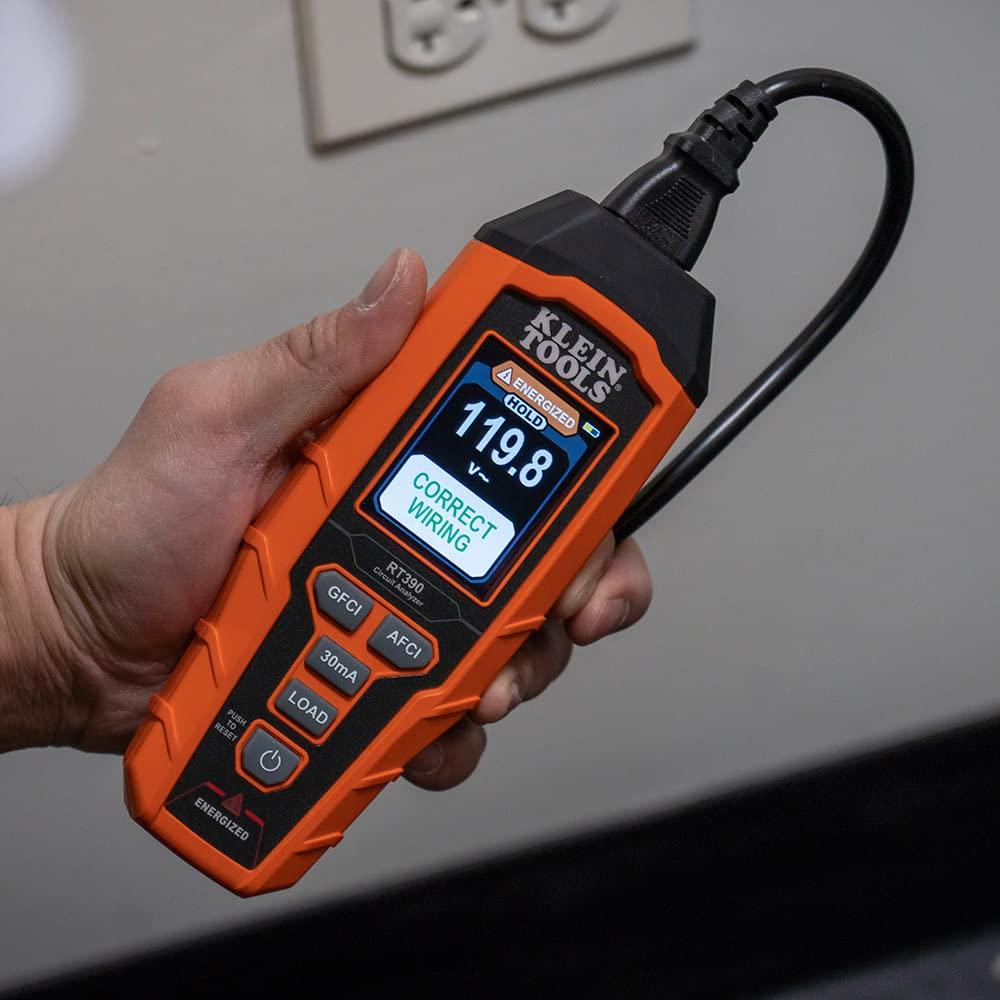
When I’m installing a high-efficiency 16 SEER condensing unit or wiring up a 48,000 BTU heat pump, the last thing I need is an electrical fault taking down the entire system-or worse, creating a safety hazard. I’ve relied on this circuit analyzer because it catches wiring issues before they become callbacks. The dual wiring fault detection is critical when I’m working on older homes where previous installers might have cut corners. I’ve caught open neutrals and open grounds that would have caused intermittent compressor failures or nuisance tripping on 240V equipment. The load testing at 12A, 15A, and 20A is invaluable when I’m verifying circuits for mini-split installations or ensuring a dedicated 20A circuit can handle a furnace blower motor without voltage sag affecting performance.
| Feature | Why It Matters in HVAC Work |
|---|---|
| AFCI/GFCI Testing with Trip Time | Confirms protective devices work properly before connecting condensers or air handlers |
| Voltage Drop Testing | Prevents motor burnout and efficiency loss on high-draw equipment like 3-ton+ units |
| Large Color LCD | Easy readability in cramped attics or dark mechanical rooms |
| Detachable Cord | Fits in tool bag without tangling; essential for mobile service work |
The large color LCD display makes troubleshooting fast and foolproof, even when I’m wedged into a utility closet or working in a dusty attic alongside ductwork. I’ve used it to verify outlet integrity before plugging in diagnostic equipment or confirming that a newly installed disconnect box is wired correctly. The auto power-off feature has saved me from dead batteries more times than I can count, especially on those marathon installation days. What really sets this tool apart is the comprehensive wiring fault detection-it identifies issues that cheaper testers miss entirely, giving me confidence that the electrical foundation is solid before I fire up a new system. Whether I’m installing a variable-speed air handler with specific electrical requirements or just verifying a convenience outlet near an outdoor condenser, this analyzer has become non-negotiable in my toolkit.
What the RT390 Means for My Daily Workflow and Long Term Value
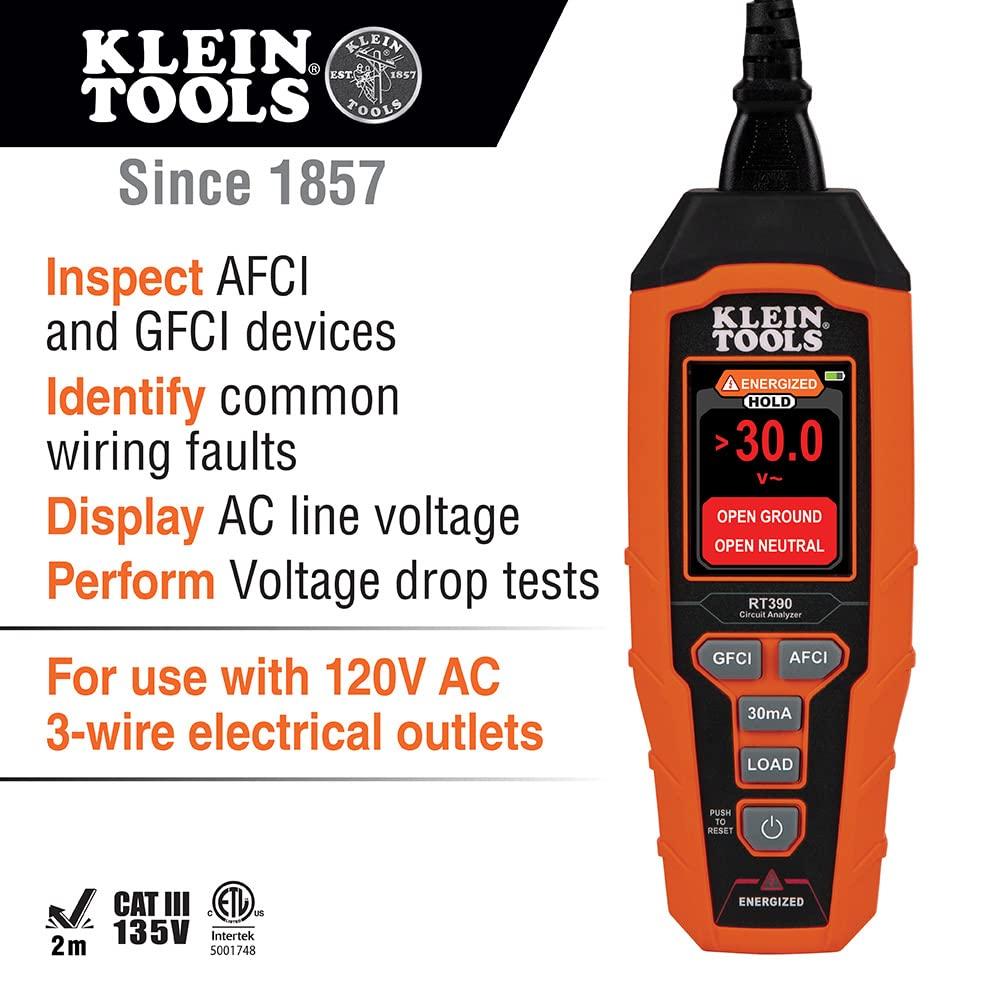
In my daily workflow, this analyzer has fundamentally changed how I approach electrical troubleshooting on HVAC installations. When I’m wiring up a new 18,000 BTU mini-split or connecting a high-efficiency 96% AFUE furnace with its 15-amp electrical requirement, I’m no longer guessing about circuit integrity. The 12A, 15A, and 20A load testing is particularly valuable when verifying that existing circuits can handle the draw from equipment like a 3-ton heat pump or when customers want to add a condensing unit to a circuit that’s already serving other loads. The voltage drop readings have saved me from callbacks on jobs where marginal wiring would have caused nuisance trips or premature compressor failures. I’ve caught issues like open neutrals and open grounds before energizing equipment, which protects both the expensive inverter-driven compressors in modern units and my reputation.
The long-term value proposition is straightforward: this tool pays for itself by preventing one service callback or one piece of fried control board. The AFCI and GFCI trip time testing has become essential as more jurisdictions require GFCI protection on condensing unit disconnects and outdoor equipment. I’m testing receptacles before connecting diagnostic equipment, ensuring I’m not damaging my own meters or laptops on faulty circuits. The detachable cord means it actually stays in my bag instead of getting tangled or damaged, and the auto-shutoff has kept the battery alive through months of daily use. When I’m running voltage drop tests at different amperages, I can definitively tell a homeowner whether their panel needs an upgrade before installing that new 60,000 BTU furnace with ECM blower motor, or if we’re good to proceed with the installation.
| Testing Capability | Real-World HVAC Application |
|---|---|
| 12A/15A/20A Load Testing | Verify circuit capacity for condensing units, air handlers, and furnace blowers |
| Voltage Drop Measurement | Prevent compressor failures and control board damage from inadequate wiring |
| GFCI Trip Time Testing | Ensure code compliance on outdoor equipment disconnects and rooftop units |
| Dual Fault Detection | Catch dangerous wiring issues before energizing inverter-driven or variable-speed equipment |
| AFCI Device Inspection | Verify proper circuit protection for residential HVAC electrical connections |
Discover the Power
## The Bottom Line from the Field
Look, I’ve been in this trade long enough to know that the tools you carry aren’t just about getting through the day-they’re about doing the job right the first time. The Klein RT390 has earned its spot in my bag because it does exactly what I need it to do, without the guesswork or the gray areas that waste time and cost money.
When you’re troubleshooting electrical issues that affect HVAC systems, you can’t afford to miss something. A hidden voltage drop or a faulty GFCI can mean callbacks, frustrated homeowners, and systems that never quite perform the way they should. I’ve seen too many comfort complaints and efficiency problems trace back to electrical issues that weren’t properly diagnosed upfront. This analyzer takes that uncertainty off the table.
At the end of the day, choosing the right diagnostic equipment isn’t about having the fanciest gear-it’s about delivering reliable comfort, protecting your customer’s investment, and standing behind your work. Whether it’s maintaining consistent indoor air quality, preventing premature equipment failure, or keeping energy costs in check, it all starts with accurate information. The RT390 gives you that information, clearly and confidently.
If you’re serious about your craft and you want a tool that matches that commitment, this one won’t let you down. Klein has been building tools for professionals since 1857 for a reason-they understand what we need in the field.