
6-Month Review: Senville 24,000 BTU Heat Pump Air Conditioner
Installing My Sunville Heater: A Journey of Comfort
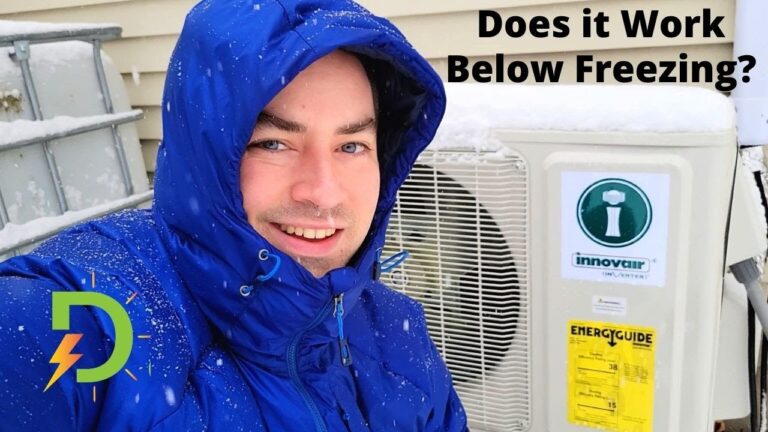
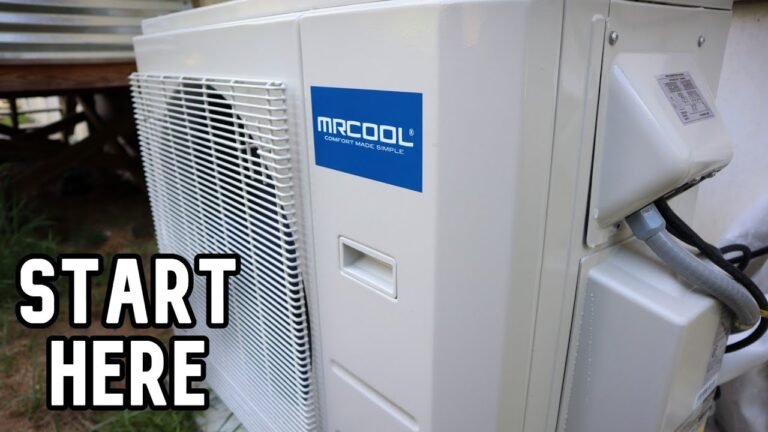
So, I’ve situated my Sunville heater on the exterior wall of our pole building. Allow me to tilt the camera a bit; we operate a quaint flower shop for my wife, and we required a reliable alternative heating solution to ward off winter’s chill. Here in Northern Illinois, the winters have been relatively mild in recent years. However, this winter threw us a curveball with a momentary cold snap just before Christmas, plunging temperatures to an astonishing 15 degrees below zero. I presumed this might be a tad too much for the heater to handle.
The Cold Challenge
During the bitter cold, the flower shop hovered around 50 degrees. Despite setting the thermostat to a comfortable 68, the relentless winds and frigid temperatures seeped through the garage, creating an uncomfortable atmosphere. I understood the struggle but decided to briefly shut the heater down for a spell. At that point, my back-up electric heater in the flower shop remained dormant until I felt the need to kick it into gear. Eventually, I ran both heaters together for a couple of days until the temperature climbed back to something more manageable.
Surprisingly, I did not encounter any further issues aside from this brief spell of extreme cold. We’ve had an array of nights dipping close to zero, and throughout it all, this unit has been remarkably consistent. I programmed my remote control to a cozy 68 degrees, and it manages to maintain that temperature right near the unit itself. Even as you venture deeper into the room, the temperature tends to drop a bit, which is something I expected, as the thermometer is probably located directly above the heat pump or the interior unit.
Drainage Considerations
Let me take a moment to share the specifics of my installation. I crafted a drainage system utilizing a downspout from the roof gutter, routing the condensate appropriately towards the gutter. During the winter months, the unit has dripped water beneath it, which is entirely normal for such systems. Thankfully, I never experienced any issues with the water freezing up while it operated. As of now, the unit is humming softly in the background, providing warmth as we approach the close of another winter season.
Installation Insights
When I first installed the Sunville heater, I managed to complete a significant portion of the work myself, inviting my neighbor to lend a hand with the interior unit installation, as an extra set of hands made the job easier. To ensure everything was done correctly, I chose to hire a retired HVAC technician specializing in heat pump installations. He conveyed that he had installed a daunting number—possibly 60 to 80—of these systems during his long career, mostly while working for a school district. My main motivation for hiring him was to guarantee proper vacuuming of the lines, thus preserving my warranty.
Initially, I thought my friend could handle this step, but his certification had sadly lapsed. The technician, however, shared that throughout his experience, he had never once had to vacuum a new unit. He proceeded to bleed the refrigerant lines for me, opening the necessary valves and ensuring everything was in working order before sealing them again. Since then, I have intermittently tested the air conditioning functionality without facing any difficulties.
Sunville Specifications
What I chose was the Sunville 24,000 BTU model, a compact powerhouse providing ample heating. In contrast, my neighbor opted for the 48,000 BTU version, but he has encountered some complications with his installation. I may consider doing a follow-up video with him, exploring his experiences and opinions regarding the larger unit. For those of you with a Sunville 24,000, I invite you to share your thoughts in the comments section. I installed my unit in October 2022, and as we now move into April 2023, I eagerly await hearing from fellow owners.
A Closer Look at the Interior Unit
Allow me to guide you inside for a closer examination of the unit. Here it is—the Sunville Aura series, adeptly engineered to withstand temperatures as low as minus 22 degrees. Yet, as I mentioned, that one particularly frigid night when it dipped to minus 15, I found it struggled a bit. Within our flower shop, we also maintain the electric heater mounted above, which has been beneficial when the temperatures plummeted dramatically—especially to protect our plants and floral arrangements.
Sharing Experiences and Troubleshooting
Should you share similar experiences, don’t hesitate to reach out in the comments or ask any questions about my setup. I am more than willing to offer insights based on my journey with the Sunville unit. As I continue to familiarize myself with this system, I would love to share additional tips and tricks that may optimize its performance.
Installing the Line Set
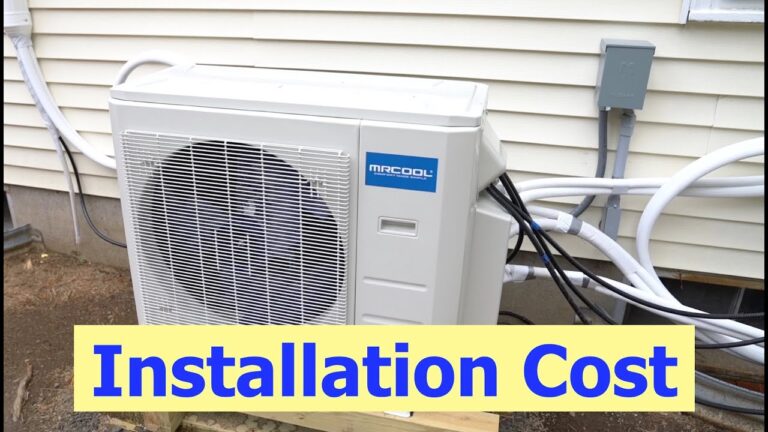
Now, let’s delve into the specifics of how I managed the line set installation. Here’s the route I took when it came through my pole barn’s additional storage area. As you can see, I didn’t utilize a line set cover due to having some excess lines. I chose to run them down towards the corner. Looking back, I realize I made a slight miscalculation and accidentally compromised one of the refrigerant lines while attempting DIY adjustments. Thankfully, the technician I hired expertly spliced in a new piece, rectifying that mistake and ensuring a proper connection.
The drain hose is visible here as well, traveling downwards. Initially, I worried about having insufficient length for my line set, but by sheer coincidence, it worked out just fine. Admittedly, it may not be the most aesthetically pleasing setup inside the building, but it’s quite functional. I’ll conclude with another glance at the mounted unit. I had my younger nephews lend a hand, as this sizeable unit, notably heavy at around 300 pounds, required assistance during the installation process.
Concluding Thoughts
I am pleased to report that my Sunville unit has proven to be reliable and efficient thus far. It doesn’t vibrate excessively or create unwanted noise since it rests securely on the Sunville stand I purchased alongside the unit. Thus far, my experience has been positive and eventful, particularly with the challenges faced during winter’s chill. As I mentioned previously, do ensure that you seek a certified technician for proper installation and for vacuuming the lines; this step significantly preserves your warranty and guarantees optimal performance.
As summer approaches, I anticipate sharing more about my experiences with the Sunville heater, including its performance during the hotter months. For anyone curious or have inquiries regarding my setup or the unit itself, feel free to leave your thoughts in the comments section. Don’t forget to subscribe to my channel for updates as I navigate through these home improvement projects. Thank you for stopping by, and may your days be filled with warmth and joy.