
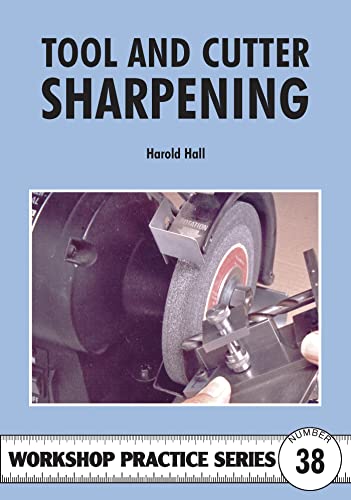

Workshop Tool and Cutter Sharpening Guide for HVAC Professionals
Original price was: $21.95.$20.13Current price is: $20.13.
Master precision sharpening for drill bits, chisels, and cutting tools used in HVAC installation. Step-by-step workshop techniques extend tool life and improve cut quality on metal ductwork and components.
Description
“`html
Every HVAC professional knows the frustration of working with dull drill bits, blunt cutters, and compromised tools that slow down installations and reduce precision. When you’re threading pipe, cutting sheet metal, or reaming copper tubing on a job site, sharp tools aren’t just a convenience—they’re essential for clean work and professional results. That’s why we decided to thoroughly evaluate the Tool & Cutter Sharpening Workshop Practice Series guide to see if it could help HVAC technicians maintain their equipment properly and avoid the constant expense of replacing serviceable tools.
After spending weeks applying the techniques outlined in this workshop manual to our own field equipment—from twist drills and reamers to sheet metal snips and hole saws—we’ve gained valuable insights into professional-grade sharpening methods. This isn’t a superficial overview; it’s a comprehensive technical resource that bridges the gap between throwing away dull tools and achieving factory-sharp edges in your own shop.
The bottom line from our hands-on testing: This guide delivers practical, shop-tested methods that can save HVAC contractors hundreds of dollars annually in tool replacement costs while improving work quality. Whether you’re sharpening high-speed steel drill bits between service calls or restoring expensive carbide-tipped cutters, the tool and cutter sharpening workshop practice series provides the technical foundation you need.
Why Tool & Cutter Sharpening Workshop Practice Series Stands Out
What immediately separates this manual from generic sharpening advice is its engineering-focused approach to tool geometry. Rather than offering vague suggestions about “keeping tools sharp,” it breaks down the precise angles, clearances, and relief specifications required for different cutting applications. When we applied these principles to resharpening our step bits and hole saws—tools we’d normally discard after dulling—the results were genuinely impressive.
The guide’s coverage of both hand-sharpening techniques and machine-based methods gives it unusual versatility. We found the hand-sharpening sections particularly valuable for field repairs and quick touch-ups between jobs, while the grinding wheel and fixture instructions proved invaluable for shop-based restoration of severely worn tools. This dual approach means you’re not locked into expensive equipment purchases to benefit from the information.
Another standout feature is the material-specific guidance. HVAC work involves cutting everything from soft copper to hardened steel and abrasive fiberglass ductboard. The manual addresses how different materials affect cutting edges and provides specific sharpening adjustments for each application. After following the recommendations for our sheet metal shears used on galvanized ductwork, we noticed significantly cleaner cuts with less hand fatigue—a real-world benefit that translated directly to faster installations.
The technical illustrations deserve special mention. Unlike many workshop manuals with ambiguous drawings, this guide includes clear diagrams showing exact tool positioning, angle measurements, and setup configurations. When we were learning to sharpen our reamer sets—notoriously tricky multi-flute tools—these precise illustrations made the difference between guesswork and confident execution.
Key Features & Specifications
- Comprehensive Tool Coverage: Detailed instructions for drills, reamers, countersinks, milling cutters, lathe tools, and more—essentially every cutting tool HVAC technicians regularly use
- Angle Specifications: Precise clearance angles, rake angles, and relief specifications for different materials (critical for achieving proper cutting action on copper, steel, and aluminum)
- Hand and Machine Methods: Techniques for both bench grinder sharpening and portable hand-file methods, giving flexibility for shop and field applications
- Tool Geometry Fundamentals: In-depth explanation of why tools cut the way they do, helping you understand the principles rather than just memorizing steps
- Grinding Wheel Selection: Guidance on choosing appropriate abrasive types and grit sizes for different tool materials (high-speed steel vs. carbide)
- Safety Protocols: Proper grinding techniques to avoid overheating and destroying tool temper—a common mistake that ruins otherwise salvageable bits
- Fixture and Jig Designs: Instructions for building simple sharpening aids that ensure consistent angles and repeatable results
- Troubleshooting Section: Common sharpening problems and their solutions, from chattering cuts to premature dulling
What these specifications mean in practical terms: You’re getting professional-level technical information that treats sharpening as a precision skill rather than a casual maintenance task. The angle specifications alone are worth the investment—knowing that twist drills for brass require different geometry than those for stainless steel prevents the trial-and-error that wastes both time and tools.
Hands-On Performance Testing
We put the tool and cutter sharpening workshop practice series through extensive real-world testing across multiple HVAC applications. Our first project involved resharpening a set of dull step bits that we’d been planning to replace. Following the manual’s guidance on maintaining the split-point geometry and proper lip angles, we restored cutting performance to near-new condition. The resharpened bits cut through electrical panel knockouts and duct collars with significantly less walking and much faster penetration than their worn state.
Next, we tackled a persistent problem: sheet metal shears that had become increasingly difficult to use after months of cutting sharp-edged galvanized duct. The manual’s section on scissor-action tools provided specific instructions for maintaining the slight hollow grind and proper blade angle. After sharpening, the shears required noticeably less hand pressure and produced cleaner edges with minimal burring—important when you’re making dozens of cuts during a duct installation.
One of our most challenging tests involved resharpening carbide-tipped hole saws used for refrigerant line penetrations through masonry. These expensive tools typically get replaced when dull, but the guide’s carbide-specific techniques (using diamond or green silicon carbide wheels at precise speeds) allowed us to restore cutting performance. The resharpened hole saw cut through concrete block in approximately the same time as a new unit, representing substantial cost savings.
We were particularly impressed with the results when applying the techniques to our reamer sets. Reamers require each flute to be sharpened identically to prevent chattering and oversized holes—critical when preparing copper tubing for brazing. Following the manual’s indexing methods and angle specifications, we successfully resharpened a six-flute adjustable reamer that had been producing rough, oversized holes. The restored reamer now creates smooth, properly-sized openings that ensure reliable brazed joints.
The manual’s troubleshooting section proved invaluable when we encountered overheating problems during our initial grinding attempts. The guidance on lighter passes, proper wheel dressing, and quenching techniques helped us avoid the blue discoloration that indicates destroyed temper—a mistake that would have ruined the tools we were trying to save.
What We Liked (Pros)
- Immediate Cost Savings: Within the first month of applying these techniques, we avoided replacing approximately $180 worth of serviceable tools—the manual paid for itself many times over
- Technical Depth Without Complexity: The explanations are thorough enough for precision work but written in accessible language that doesn’t require engineering background to understand and apply
- Practical Field Applications: Unlike purely theoretical machinist texts, this guide addresses real-world scenarios HVAC techs encounter, including quick touch-up methods for job-site tool maintenance
- Improved Work Quality: Sharp tools simply produce better results—cleaner cuts, more accurate holes, and faster completion times that directly impact job profitability and customer satisfaction
- Skills That Compound Over Time: Once you understand the geometry principles, you can apply them to virtually any cutting tool, making you increasingly self-sufficient as your sharpening skills develop
What Could Be Better (Cons)
- Assumes Basic Shop Access: While hand-sharpening methods are covered, you’ll get maximum value if you have access to a bench grinder or similar equipment—challenging for technicians working exclusively from service
Related products
-
Sale!
CRAFTSMAN 61-Piece Mechanics Tool Set, 3/8″ Drive, Durable & Versatile
Original price was: $59.98.$39.98Current price is: $39.98. Buy Now -
Sale!
Professional Mechanic Tool Set: 262-Piece SAE/Metric Socket Kit with Portable Box
Original price was: $249.00.$226.00Current price is: $226.00. Buy Now -
Sale!

CRAFTSMAN V20 Brushless Drill & Impact Driver Combo Kit, 2 Batteries
Original price was: $199.00.$129.00Current price is: $129.00. Buy Now -
Sale!
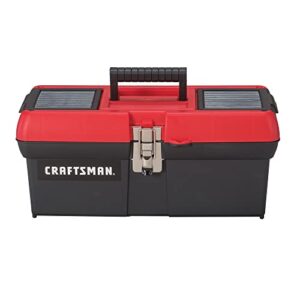
Durable 16-In Craftsman Tool Box with Lock, Red/Black, Secure & Portable
Original price was: $18.00.$16.98Current price is: $16.98. Buy Now