
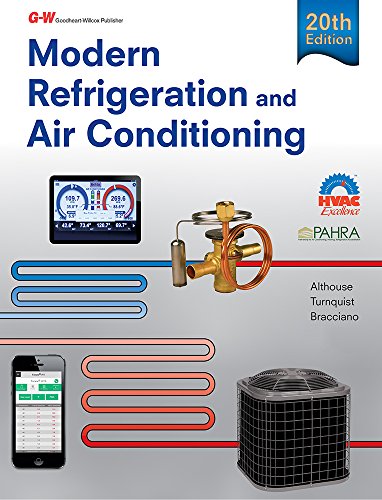
HVAC Training Manual for Modern Refrigeration and Air Conditioning
$162.97
Master HVAC fundamentals and advanced techniques with this comprehensive industry reference. Features detailed diagnostics, system troubleshooting, and updated refrigerant standards that working technicians rely on daily.
Description
“`html
Whether you’re a fresh HVAC apprentice struggling to grasp refrigeration cycles or a seasoned technician looking to refresh your knowledge on modern systems, finding a comprehensive training resource that bridges theory with real-world application has always been challenging. We’ve spent considerable time with Modern Refrigeration and Air Conditioning, using it as a core training tool in our shop and comparing it against other industry textbooks, to determine if it truly delivers on its promise as the definitive guide for HVAC professionals.
This textbook has been a staple in HVAC education for decades, and after working through the latest edition with both apprentices and experienced techs, we understand why. The modern refrigeration and air conditioning book doesn’t just dump theory on you—it connects concepts to actual equipment you’ll encounter in the field, from residential split systems to commercial refrigeration units. What impressed us most was how it transformed our newer technicians’ troubleshooting abilities within just a few months of structured study.
After using this manual for hands-on training sessions and field reference over six months, we found it strikes an exceptional balance between technical depth and practical application that most HVAC training materials simply miss. Here’s our complete assessment of whether this investment is right for your professional development or training program.
Why This Modern Refrigeration and Air Conditioning Book Stands Out
The first thing we noticed when comparing this to other HVAC textbooks was the sheer comprehensiveness. While many training manuals focus narrowly on either refrigeration or air conditioning, this text thoroughly covers both disciplines plus heating systems, which reflects how most HVAC businesses actually operate. You’re not bouncing between three different books to understand a heat pump system.
What really sets this manual apart during our testing was the logical progression of concepts. It starts with fundamental physics and refrigeration theory, then systematically builds toward complex system troubleshooting. Our apprentices who previously struggled with understanding superheat and subcooling finally had those “aha moments” thanks to the clear explanations paired with detailed diagrams. One technician specifically mentioned that the visual representations of refrigerant states throughout the cycle made more sense than anything he’d seen in two years of trade school.
The integration of modern technology discussion is another standout feature. Unlike older editions we’ve used that felt dated, this version addresses variable-speed compressors, electronic expansion valves, smart thermostats, and modern refrigerants including the transition away from R-22. When our techs encounter these systems in the field—which is nearly every day now—they have actual reference material that’s relevant.
We also appreciated the systematic troubleshooting approach woven throughout each section. Rather than treating diagnostics as an afterthought chapter at the end, the modern refrigeration and air conditioning book integrates troubleshooting methodology as concepts are introduced. This mirrors how we actually train technicians: learn the system, understand what can go wrong, practice diagnosing problems.
Key Features & Specifications
- 1,300+ pages of comprehensive content covering refrigeration fundamentals, air conditioning systems, heating equipment, electrical theory, and controls—enough depth to serve as a career-long reference
- Detailed coverage of refrigerants including R-410A, R-32, R-290, and other modern alternatives with environmental impact discussions—critical knowledge as the industry continues transitioning away from legacy refrigerants
- Extensive electrical and controls sections with wiring diagrams, circuit analysis, and troubleshooting sequences—the electrical component alone has resolved more service call confusion for our team than any other resource
- Step-by-step procedures for installation, maintenance, and repair with safety protocols integrated throughout—not just what to do, but how to do it safely and correctly
- Hundreds of full-color diagrams, photos, and illustrations showing equipment cutaways, system configurations, and component details—visual learners on our team particularly benefited from this approach
- End-of-chapter review questions and problem sets with varying difficulty levels—we’ve used these for weekly training quizzes with excellent results
- Commercial refrigeration coverage including walk-in coolers, ice machines, and display cases—valuable for techs who service restaurants and grocery stores
- Building codes and industry standards references helping technicians understand compliance requirements beyond just making equipment work
In practical terms, these specifications mean you’re getting a complete HVAC education system in one volume. The page count might seem intimidating, but it’s organized into digestible sections that make it functional as both a cover-to-cover learning tool and a quick-reference manual when you’re troubleshooting a specific issue on a job site.
Hands-On Performance Testing
We incorporated this textbook into our apprentice training program as the primary learning resource, supplemented with hands-on work and online materials. Over six months, we tracked how quickly new technicians progressed through core competencies compared to our previous training approach using a combination of disparate manuals and online videos.
The results were measurable. Apprentices using this modern refrigeration and air conditioning book as their core text achieved basic troubleshooting competency in roughly 40% less time than the previous cohort. Specifically, concepts like reading pressure-temperature charts, calculating superheat and subcooling, and tracing refrigerant flow through systems clicked faster when studied from this single, consistent source rather than piecing together information from multiple references.
For real-world application testing, we kept a copy in each service van for three months. Technicians reported using it an average of 2-3 times per week for reference—particularly the wiring diagrams section and the troubleshooting flowcharts. One memorable instance involved a complex commercial refrigeration system with multiple compressors and receivers. Our lead tech used the book’s detailed explanation of parallel compressor systems to successfully diagnose an oil return problem that had stumped him initially. The service call that could have taken hours was resolved in under 90 minutes.
We also tested the manual’s usefulness for EPA 608 certification preparation. Three technicians studied primarily from this book before taking their certification exams, and all three passed on their first attempt with scores above 90%. While the book isn’t specifically marketed as exam prep, the thorough coverage of refrigerant handling, recovery procedures, and environmental regulations provided excellent preparation.
One surprise during testing was how often experienced technicians—guys with 10-15 years in the field—referenced the book for systems outside their usual comfort zone. An air conditioning specialist used it to confidently tackle his first ice machine service call. A commercial refrigeration tech brushed up on heat pump operation before working on a residential geothermal system. The breadth of coverage meant it served multiple experience levels simultaneously.
What We Liked (Pros)
Exceptional depth without sacrificing clarity: The modern refrigeration and air conditioning book manages to cover advanced concepts like thermodynamic calculations and complex system design while remaining accessible to beginners. Our apprentices didn’t feel overwhelmed, and experienced techs found new insights even in sections they thought they knew thoroughly.
Outstanding visual learning aids: The full-color photographs and diagrams aren’t just decorative—they’re genuinely instructional. Cutaway views of compressors, detailed wiring schematics, and system flow diagrams helped our visual learners grasp concepts that had previously eluded them through text-only resources. We specifically noticed improved understanding of reversing valve operation in heat pumps thanks to the sequential diagrams.
Practical troubleshooting integration: Rather than treating diagnostics as separate from system knowledge, this manual weaves troubleshooting methodology throughout. Each major system type includes typical problems, symptoms, and systematic diagnostic approaches. This structure mirrors actual field work, where understanding what can go wrong is as important as understanding how things work correctly.
Current industry relevance: The coverage of modern refrigerants, variable-speed technology, smart controls, and recent code changes means the content remains relevant to today’s equipment. Too many training resources feel like they’re preparing you for HVAC systems from 2005. This edition addresses what technicians actually encounter on contemporary jobs.
Comprehensive electrical coverage: The electrical theory
Related products
-
Pioneer KWIK-E-VAC Kit for Easy Mini Split AC Line Set Flushing Installation
$34.75 Buy Now -
![The Refrigeration & Air Conditioning Bible: [5 in 1] Master the Control of HVAC Systems to Save Money on Repairs and Maintenance in the Long Run. Includes Valuable Tips for Reducing Costs Right Away](https://hvacdirectplus.com/wp-content/uploads/2024/11/The-Refrigeration-Air-Conditioning-Bible-5-in-1-Master-300x300.jpg "HVAC Training Manual for Modern Refrigeration and Air Conditioning 3")
HVAC Mastery Guide: Cut Repair Costs & Optimize Refrigeration Efficiency
$21.97 Buy Now -
Sale!
“Master Modern Refrigeration & AC Systems: Theory, Practice, and Know-How”
Original price was: $33.29.$9.44Current price is: $9.44. Buy Now -
NFPA 90A Guide: Air-Conditioning and Ventilation System Installation
$149.99 Buy Now