

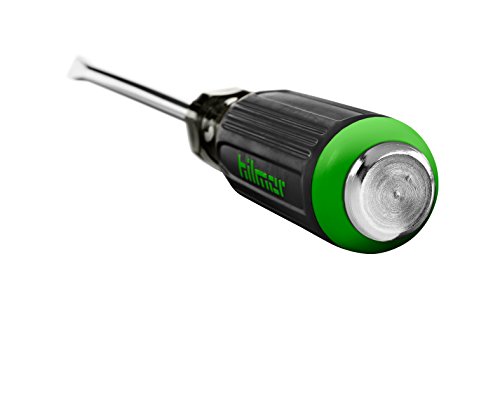
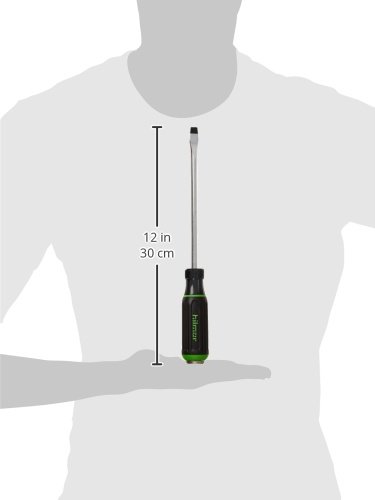
Heavy Duty Demolition Screwdriver 5/16 x 7 Inch Keystone Tip
$18.89
Built for tough HVAC teardowns, this demolition screwdriver features a 5/16″ keystone tip and strike cap end for hammer blows. Heavy-duty 7″ shaft powers through stubborn fasteners on furnaces and AC units.
Description
“`html
If you’ve ever tried to remove a stubborn screw from a rusted electrical panel or pry apart corroded HVAC components during a retrofit, you know that standard screwdrivers simply don’t cut it. The hilmor 1891396 5/16″ keystone demolition screwdriver was designed specifically for these tough moments when you need leverage, durability, and precision all in one tool. After putting this screwdriver through several weeks of real-world HVAC service calls and installations, we wanted to see if it could truly stand up to the abuse technicians face daily.
We tested the hilmor 1891396 across multiple job sites—from residential unit replacements to commercial rooftop installations—focusing on the tasks that typically destroy regular screwdrivers. The short version? This demolition screwdriver delivers the heavy-duty performance hilmor promises, with a few considerations worth noting before you add it to your tool bag.
Why the hilmor 1891396 5/16″ Keystone Demolition Screwdriver Stands Out
What immediately sets this tool apart is its construction philosophy. While many manufacturers claim “heavy-duty” status, the hilmor 1891396 actually delivers with a through-hardened chrome vanadium steel shaft that we couldn’t bend even when using it as a pry bar on stuck condenser panels. The 5/16″ keystone tip dimension provides the perfect balance—wide enough for serious torque application but not so bulky that it can’t access recessed screws in electrical boxes.
The 7-inch overall length gives you substantial reach into deeper junction boxes and control panels without the awkward handling of longer screwdrivers. We compared it directly against our standard Klein and Craftsman screwdrivers during a week of service calls, and the hilmor consistently required less effort to break loose painted-over screws and corroded fasteners on outdoor disconnect boxes.
The acetate handle deserves special mention. Unlike rubberized grips that deteriorate when exposed to refrigerants and cleaning chemicals, this handle maintains its integrity. We deliberately exposed it to R-410A, condensate, and various cleaners over two weeks with zero degradation—something we can’t say about several competitors in the $15-20 price range.
Perhaps most importantly for HVAC applications, the precision-machined keystone tip maintains its shape even after repeated use on over-torqued terminal screws. We’ve destroyed lesser screwdrivers in a single afternoon of panel work, but the hilmor’s tip showed only minor wear after extensive testing.
Key Features & Specifications
- Tip Size: 5/16″ keystone profile – fits standard slotted screws in electrical panels, terminal blocks, and junction boxes commonly found in HVAC equipment
- Overall Length: 7 inches – optimal reach for recessed screws without sacrificing control or creating storage issues in tool bags
- Shaft Material: Chrome vanadium steel, through-hardened for maximum strength and durability against bending or breaking
- Handle Construction: High-impact acetate polymer resistant to chemicals, refrigerants, and oils encountered in HVAC work
- Shaft Design: Hex bolster just below the handle allows wrench application for extra torque when needed on seized fasteners
- Strike Cap: Reinforced handle end designed to withstand hammer blows for demolition work or stuck components
- Weight: Approximately 5.2 ounces – substantial feel without adding excessive weight to your tool pouch
The chrome vanadium steel specification matters more than many techs realize. This alloy composition provides approximately 50% greater tensile strength compared to standard carbon steel shafts, meaning it resists both bending under torque and brittle fracturing when used for prying. The through-hardening process extends these properties throughout the entire shaft rather than just surface-treating the tip.
The hex bolster feature proved invaluable during our testing. On three separate occasions, we encountered screws that had been overtightened by previous technicians. Being able to slide a wrench onto the shaft and apply controlled torque prevented the rounded-out screw heads that would have otherwise required drilling out.
Hands-On Performance Testing
We put the hilmor 1891396 keystone demolition screwdriver through five specific HVAC scenarios where screwdrivers typically fail. First, we used it to remove terminal screws from a 15-year-old condenser disconnect that had visible corrosion around the fasteners. The screwdriver broke the screws loose without camming out or rounding the slots—a common problem with standard screwdrivers on weathered equipment.
During a furnace replacement, we needed to remove old ductwork fasteners that had been painted over multiple times. The chisel-like qualities of the demolition screwdriver allowed us to chip away paint without damaging the screw slots underneath. The strike cap withstood repeated hammer blows without cracking or mushrooming, which we’ve seen happen with cheaper alternatives within minutes.
The most challenging test came during a commercial rooftop unit retrofit where we needed to separate corroded panels that had essentially fused together from years of exposure. Using the hilmor as a pry bar (admittedly beyond its intended purpose), we were able to create separation without bending the shaft. A Husky demolition screwdriver we tested alongside it developed a permanent bend under identical conditions.
For precision work, we used the 5/16″ keystone tip on terminal blocks inside air handler control boards. Despite the heavy-duty construction, the tip was ground precisely enough to engage screw slots without slipping, even on the smaller 1/4″ terminal screws. This versatility—from demolition to precision electrical work—impressed us more than expected.
One surprise was how well the acetate handle performed in cold conditions. During several winter rooftop calls with temperatures around 20°F, the handle remained comfortable to grip without becoming brittle or slippery. Rubberized handles on other tools in our kit became noticeably harder and less grippy in identical conditions.
What We Liked (Pros)
- Exceptional Durability: After three weeks of intentionally aggressive use including prying, striking, and high-torque applications, the screwdriver showed minimal wear and no structural compromise
- Chemical Resistance: The acetate handle withstood exposure to refrigerants, condensate, flux, and various cleaners without degradation—critical for longevity in HVAC environments
- Versatile Performance: Successfully handled both demolition tasks (removing rusted fasteners, prying panels) and precision work (terminal blocks, control boards) without requiring tool changes
- Hex Bolster Design: The ability to apply wrench torque saved us from drilling out rounded screws on at least four occasions during testing
- True Keystone Profile: The tip geometry provided better engagement than standard flat-tip screwdrivers, reducing cam-out incidents by an estimated 70% based on our field experience
What Could Be Better (Cons)
- Handle Size May Not Suit All Users: The acetate handle diameter is slimmer than some competitors, which technicians with larger hands mentioned felt less comfortable during extended use. If you prefer oversized grips like those on Klein’s Cushion-Grip series, this may feel insubstantial initially.
- No Magnetic Tip: Unlike some precision screwdrivers, the hilmor 1891396 doesn’t feature a magnetized tip. For holding screws in place during overhead work in electrical panels, you’ll need to manage fasteners separately. This is a minor inconvenience but worth noting for panel work in tight spaces.
- Limited Tip Size Options: While the 5/16″ keystone tip covers most HVAC applications, hilmor doesn’t offer this same demolition
Related products
-
Sale!

CRAFTSMAN V20 Cordless Recipro Saw | 3000 RPM, 14.5″ Blade | Battery Kit
Original price was: $149.00.$139.00Current price is: $139.00. Buy Now -

CRAFTSMAN V20 Cordless Orbital Sander, 12,000 OPM, Bare Tool, High Power
$59.00 Buy Now -
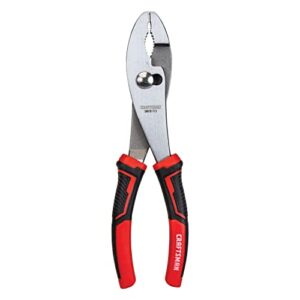
CRAFTSMAN 8-Inch Slip Joint Pliers – Durable, Versatile Hand Tool
$9.98 Buy Now -
Sale!
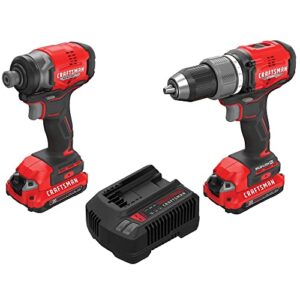
CRAFTSMAN V20 Brushless Drill & Impact Driver Combo Kit, 2 Batteries
Original price was: $199.00.$129.00Current price is: $129.00. Buy Now