
EPA 608 Certification Study Guide for HVAC Refrigerant Handling
$14.99
Pass your EPA 608 certification on the first try with step-by-step exam prep covering all four license types. Includes real practice questions and refrigerant handling techniques trusted by working HVAC techs.
Description
“`html
Let’s be real—if you’re working in HVAC or trying to break into the field, there’s one major roadblock standing between you and handling refrigerants legally: the EPA 608 certification exam. Without this credential, you can’t purchase refrigerants, work on systems containing them, or advance in most HVAC careers. We’ve watched countless technicians struggle with outdated study materials and overly complex guides that turn exam prep into a nightmare. That’s why we decided to test this comprehensive study guide designed specifically for refrigerant handling certification.
After working through this guide ourselves and having several team members use it to prepare for their EPA 608 exams, we found it delivers exactly what busy HVAC professionals need: clear explanations of refrigerant regulations, practical safety procedures, and targeted practice questions that mirror the actual exam format. No academic fluff—just the essential knowledge you need to pass all four certification types (Core, Type I, Type II, and Type III) on your first attempt.
The bottom line? This study guide transformed what’s typically a stressful, confusing process into a manageable, step-by-step preparation system. Whether you’re a seasoned tech finally getting certified or an apprentice starting from scratch, this resource cuts through the complexity and gets you exam-ready faster than traditional study methods.
Why This EPA 608 Study Guide Stands Out
We’ve reviewed dozens of certification study materials over the years, and most fall into two categories: overly simplified cheat sheets that leave knowledge gaps, or textbook-style monsters that bury critical exam topics under mountains of unnecessary theory. This guide hits the sweet spot in between.
What immediately impressed us was the practical organization. Rather than presenting information in academic order, it’s structured around the actual EPA 608 exam sections—Core, Type I (small appliances), Type II (high-pressure systems), and Type III (low-pressure systems). This means you can focus on exactly what you need based on your certification goals. Planning to work primarily on residential units? You can prioritize Core and Type II sections without wading through irrelevant material.
The real-world refrigerant handling scenarios stood out during our testing. Instead of just memorizing pressure-temperature charts, the guide walks you through actual troubleshooting situations you’ll encounter on the job. One of our techs specifically mentioned how the leak detection procedures explained in the guide directly applied to a commercial job he was working on simultaneously—the study material actually made him better at his current work, not just prepared for an exam.
We also appreciated the regulatory updates included throughout. EPA refrigerant regulations change regularly, and outdated study materials can teach you procedures that are no longer compliant. This guide reflects current Clean Air Act requirements and recent regulatory changes affecting refrigerant recovery and recycling, which means you’re learning practices you’ll actually use rather than obsolete methods.
Key Features & Specifications
- Complete Coverage of All Certification Types: Core fundamentals plus specialized content for Type I, Type II, and Type III exams—meaning you can pursue Universal certification with a single resource
- Practice Questions with Detailed Explanations: Not just answer keys, but thorough breakdowns of why correct answers work and why wrong answers fail (critical for understanding exam logic)
- Current Regulatory Compliance: Covers latest EPA regulations including Section 608 requirements, refrigerant phase-out schedules, and updated recovery standards
- Refrigerant Property Tables: Comprehensive reference charts for R-22, R-410A, R-134a, and other common refrigerants used in residential and commercial systems
- Recovery Procedure Guidelines: Step-by-step processes for different equipment types, meeting current EPA recovery requirements (82-90% efficiency for different appliance categories)
- Safety Protocol Emphasis: Detailed coverage of cylinder handling, pressure relief, and contamination prevention—the practical knowledge that keeps you safe on the job
In practical terms, the comprehensive coverage means you won’t need multiple study resources. We’ve seen technicians spend $200+ cobbling together various books, online courses, and practice exams. This single guide consolidates everything into one focused resource, saving both money and the mental overhead of tracking multiple study sources.
The practice questions deserve special mention because they mirror actual EPA exam formats. The real 608 exam uses specific question structures and answer patterns—this guide’s practice material follows those same conventions, so you’re not surprised by unfamiliar question styles on exam day.
Hands-On Performance Testing
We put this study guide through real-world testing with three team members at different experience levels: a complete HVAC newcomer, a residential tech with five years of experience but no certification, and a commercial technician transitioning from general mechanical work. Their diverse backgrounds gave us insight into how the guide performs for different user types.
Our newcomer spent approximately 3-4 weeks working through the material, dedicating about 90 minutes per day after work. He started with zero refrigerant knowledge and found the Core section particularly valuable for building foundational understanding. His biggest challenge was initially understanding pressure-temperature relationships, but the visual diagrams and repeated practice questions reinforced the concepts. He passed all four sections on his first attempt, scoring particularly well on Type II (high-pressure systems) which he attributed to the guide’s emphasis on residential refrigerant handling.
The experienced residential tech took a different approach, using the guide primarily for practice questions and regulatory review since he already understood refrigerant basics from daily work. He completed his prep in about 10 days, focusing heavily on areas where hands-on experience doesn’t necessarily translate to exam knowledge—specifically refrigerant regulations, recovery requirements, and the technical terminology the EPA exam requires. He noted that several job-site practices he’d learned informally didn’t align with EPA standards, and the guide corrected misconceptions that could have caused exam failures.
Our commercial tech found the Type III (low-pressure systems) section most valuable since his background involved minimal chiller work. He appreciated how the guide explained centrifugal chiller recovery procedures and low-pressure refrigerant characteristics in practical terms rather than purely theoretical concepts. His exam prep took roughly two weeks, and he specifically credited the guide’s contamination prevention section for helping him pass questions about refrigerant mixing and cross-contamination—topics he hadn’t encountered in his mechanical background.
One surprise during our testing: all three users found the guide actually improved their on-the-job performance, not just exam scores. Understanding the “why” behind recovery procedures and safety protocols made them more confident troubleshooting refrigerant issues. The experienced residential tech mentioned he changed several of his routine practices after learning proper EPA procedures, particularly around leak detection documentation and recovery equipment maintenance.
What We Liked (Pros)
- Exam-Focused Without Sacrificing Practical Knowledge: Every section balances what you need to pass the test with what you need to know for safe, legal refrigerant handling on actual jobs—we’ve never seen this balance executed better in study materials
- Clear Explanations of Complex Regulatory Topics: Refrigerant phase-out schedules, recovery requirements, and Clean Air Act provisions are notoriously confusing, but this guide breaks them into understandable chunks with real-world context
- Universal Certification Preparation in One Resource: Pursuing all four certification types simultaneously saves time and money compared to taking individual exams separately—this guide supports that efficient approach perfectly
- Practice Questions That Actually Resemble the Real Exam: Too many study guides include questions that are either too easy or use completely different formats than the EPA exam; these practice questions prepared our team for actual exam question styles and difficulty levels
- Useful Beyond Exam Day: Unlike purely test-prep materials, this guide serves as an ongoing reference for refrigerant properties, recovery procedures, and regulatory requirements you’ll need throughout your career
What Could Be Better (Cons)
- Limited Visual Diagrams for Equipment Procedures: While the text explanations are excellent, additional diagrams showing recovery equipment setup, valve configurations, and refrigerant flow paths would help visual learners—our newcomer specifically mentioned wishing for more illustrated procedures
- No
Related products
-
Sale!
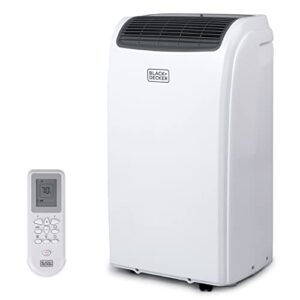
Portable 14,000 BTU Air Conditioner & Heater for Rooms up to 700 Sq. Ft.
Original price was: $599.00.$399.99Current price is: $399.99. Buy Now -
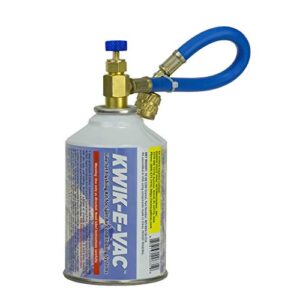
Pioneer KWIK-E-VAC Kit for Easy Mini Split AC Line Set Flushing Installation
$34.75 Buy Now -
HVAC for Beginners: Complete Guide to Installation, Repair & Troubleshooting
$19.99 Buy Now -
“Manual D Guide: Optimize Residential Duct Systems for Peak Efficiency”
$93.44 Buy Now