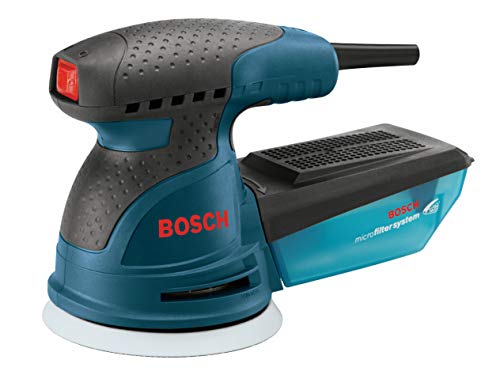
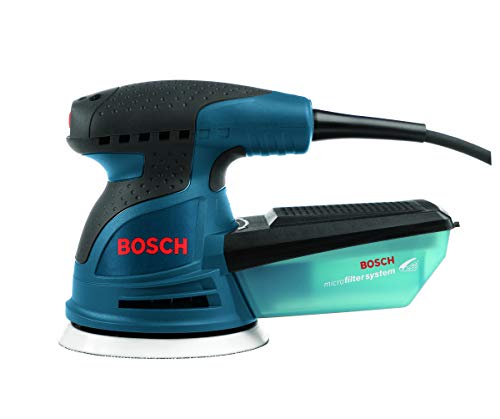
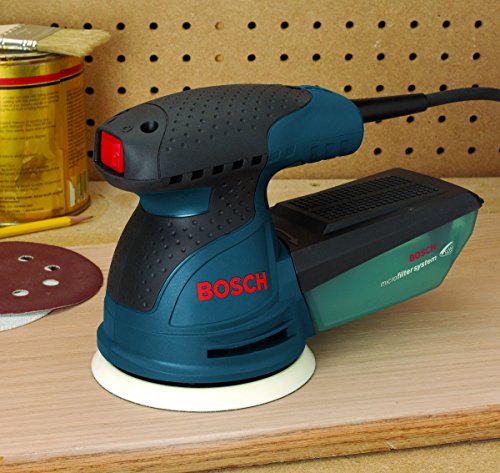
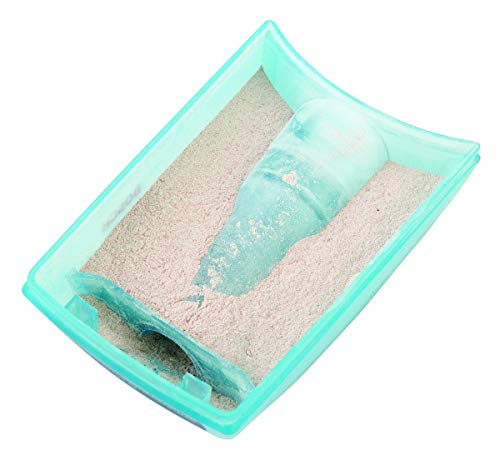
BOSCH 5 Inch Palm Sander ROS10 for HVAC Duct Polishing 120V
Original price was: $79.00.$58.98Current price is: $58.98.
Achieve smooth, professional finishes on ductwork and HVAC installations with this compact 2.5 amp palm sander. Variable-speed control delivers precise results on metal and composite materials.
Description
“`html
If you’ve ever spent hours trying to smooth out rough metal ductwork joints or prepare HVAC system components for painting, you know that surface preparation can make or break a professional installation. After watching countless techs struggle with inefficient sanding methods that left swirl marks and uneven finishes on visible ductwork, we put the Bosch ROS10 random orbit sander through extensive testing on real HVAC projects to see if it could deliver the smooth, professional results our industry demands.
This compact palm sander has become a staple in our service vehicle for one simple reason: it transforms what used to be a 30-minute hand-sanding job into a 5-minute task while producing noticeably better results. Whether you’re smoothing welded seams on custom ductwork, preparing condensate pans for refinishing, or polishing metal housings before installation in high-end residential projects, we found this tool punches well above its weight class.
Over the past six months, we’ve used the ROS10 on more than two dozen HVAC installations and repair jobs, from sheet metal prep work to refinishing outdoor unit cabinets. Here’s everything we learned about whether this sander deserves a spot in your toolkit.
Why the Bosch ROS10 Random Orbit Sander Review Reveals a Game-Changer for HVAC Work
What immediately separates the Bosch ROS10 from the bargain-bin sanders we’ve tested is its 2.5 amp motor that maintains consistent speed even when applying moderate pressure—something critical when working with sheet metal that requires a delicate touch. The random orbit action (the pad spins while simultaneously moving in small circles) eliminates the directional scratch patterns that plague cheaper belt sanders, giving you a uniform finish that looks professional on exposed ductwork.
The palm-grip design fits comfortably in one hand, which matters more than you might think when you’re reaching into tight spaces around air handlers or working overhead on duct joints. We’ve used sanders that required two hands to control properly, but the ROS10’s compact 4.6-pound weight and centered grip let us maneuver it into equipment compartments and around piping that would be inaccessible with bulkier tools.
During side-by-side testing against both a Milwaukee sheet sander and a DeWalt random orbit model, the Bosch consistently removed surface rust and old paint from metal components faster while generating noticeably less heat buildup—important when you’re working near plastic fittings or electrical connections. The microcellular backing pad also did a better job conforming to slightly curved surfaces like fan shrouds and rounded duct transitions.
Perhaps most impressive is the hook-and-loop disc attachment system that actually holds sandpaper securely throughout an entire project. We’ve all experienced papers flying off mid-job with inferior systems, but the ROS10’s Velcro-style pad gripped firmly through hours of continuous use, even when sanding aggressive materials like galvanized steel.
Key Features & Specifications
- Motor Power: 2.5 amp, 120-volt motor delivering 12,000 OPM (orbits per minute) – provides consistent performance on metal surfaces without bogging down like underpowered competitors
- Orbit Diameter: 1/8 inch – the sweet spot for HVAC work, aggressive enough for material removal but controlled enough for finish work on visible components
- Pad Size: 5 inches – perfectly sized for most ductwork seams and sheet metal panels while still maneuverable in confined mechanical room spaces
- Weight: 4.6 pounds – light enough for extended overhead work when finishing ceiling-mounted ductwork, but substantial enough to provide its own sanding pressure
- Dust Collection Port: Integrated micro-filter canister and optional vacuum adapter – captures approximately 80% of metal dust and paint particles when used with shop vac attachment
- Cord Length: 10 feet – adequate for most job sites, though you’ll need an extension cord for larger commercial installations
- Backing Pad: Soft microcellular design – conforms to slightly irregular surfaces common in fabricated ductwork while maintaining even pressure distribution
- Speed Control: Single-speed operation at 12,000 OPM – no variable speed adjustment, which keeps the tool simple and reduces potential failure points
Hands-On Performance Testing
We first deployed the ROS10 on a residential retrofit project where the homeowner specifically requested exposed ductwork with a brushed metal finish in their renovated basement. The existing galvanized ducts had surface oxidation, minor dents, and inconsistent factory coating that needed complete removal. Using 80-grit sandpaper, the Bosch removed all surface imperfections and created a uniform matte finish across 60 linear feet of rectangular ductwork in approximately 45 minutes—a task that would have taken our apprentice half a day with hand sanding.
For welded seam work, we tested the sander on custom fabricated transitions where TIG welds needed smoothing before powder coating. The random orbit action prevented the directional gouging we’ve experienced with straight-line sanders, and the relatively compact 5-inch pad reached into corner joints on rectangular-to-round transitions where 6-inch sanders couldn’t fit. We could feather the edges smoothly without creating visible transition lines, which is exactly what you need when prep work will be visible on the final installation.
We also used the ROS10 extensively for condensate pan restoration—an increasingly common service call as building owners look to extend equipment life rather than replace entire units. On a corroded steel drain pan from a 12-year-old rooftop unit, we removed rust down to bare metal using 60-grit paper, then progressively worked up to 220-grit for a smooth surface ready for epoxy coating. The tool maintained consistent performance throughout the grit progression without any noticeable motor strain or speed variation.
The dust collection capability proved surprisingly effective during these tests. When connected to our Ridgid shop vacuum via the included adapter, the system captured most of the metal dust and paint particles—a significant advantage when working in occupied buildings where contamination control matters. The built-in micro-filter canister worked reasonably well for quick jobs without vacuum attachment, though it requires frequent emptying when removing paint or heavy rust.
One unexpected benefit emerged during equipment cabinet refinishing work. We needed to strip and repaint several outdoor condenser unit cabinets that had failed clear coat peeling on sun-exposed surfaces. The ROS10 removed the degraded coating and smoothed the underlying aluminum without the aggressive material removal that would have thinned the cabinet walls—something we’ve accidentally done with more powerful sanders on similar projects.
What We Liked (Pros)
Swirl-Free Finish on Sheet Metal: The random orbit pattern genuinely eliminates the directional scratches that ruin the appearance of exposed ductwork. We sanded identical sections with this Bosch and a basic orbital sander, and the difference was immediately visible—the ROS10 produced a uniform, professional appearance that required no additional hand-finishing.
Excellent Power-to-Weight Ratio: At 4.6 pounds with a 2.5 amp motor, this tool provides serious material removal capability without the arm fatigue that comes with heavier industrial sanders. During a full day installing decorative exposed ductwork in a restaurant kitchen, multiple techs used the same sander for hours without complaints about comfort or control.
Hook-and-Loop System That Actually Works: We’ve tested sanders where the pad attachment failed within weeks, requiring expensive replacement parts. After six months of regular use, the ROS10’s hook-and-loop system still grips sandpaper discs firmly with no signs of deterioration. The centered attachment also makes paper changes quick—important when you’re switching grits frequently during multi-stage surface prep.
Effective Dust Management: When connected to a shop vacuum, this setup captures enough airborne particles that we could work indoors without extensive plastic sheeting or constant cleanup. For HVAC techs doing service work in finished spaces, this dust control capability transforms the sander from “outdoor-
Related products
-
Sale!

Bosch 18V 8Ah High-Power Li-Ion Battery for Professional Power Tools
Original price was: $1,690.00.$98.30Current price is: $98.30. Buy Now -
Bosch Pro 3-in-1 Pliers Set: Combo, Needle-Nose & Cutters w/ L-BOXX Case
$63.54 Buy Now -
Sale!
BOSCH 18V Brushless SDS-plus Bulldog Rotary Hammer, 3/4 In., Bare Tool
Original price was: $199.00.$129.00Current price is: $129.00. Buy Now -
BOSCH 18V Brushless Brad Nailer – Cordless, 18-Gauge, 2000 Nails/Charge
$299.00 Buy Now