Klein 3256 Bull Pin: A Pro’s Honest Assessment

Klein 3256 Bull Pin: A Pro’s Honest Assessment

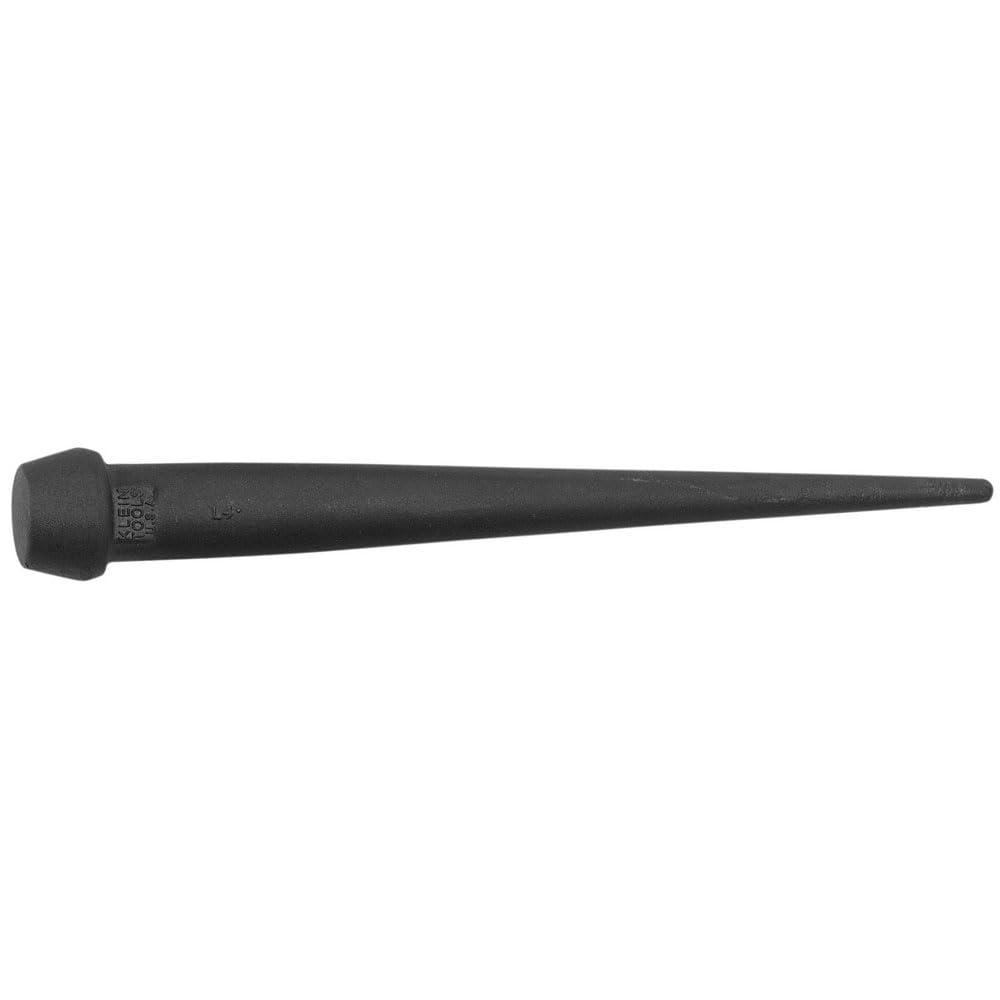
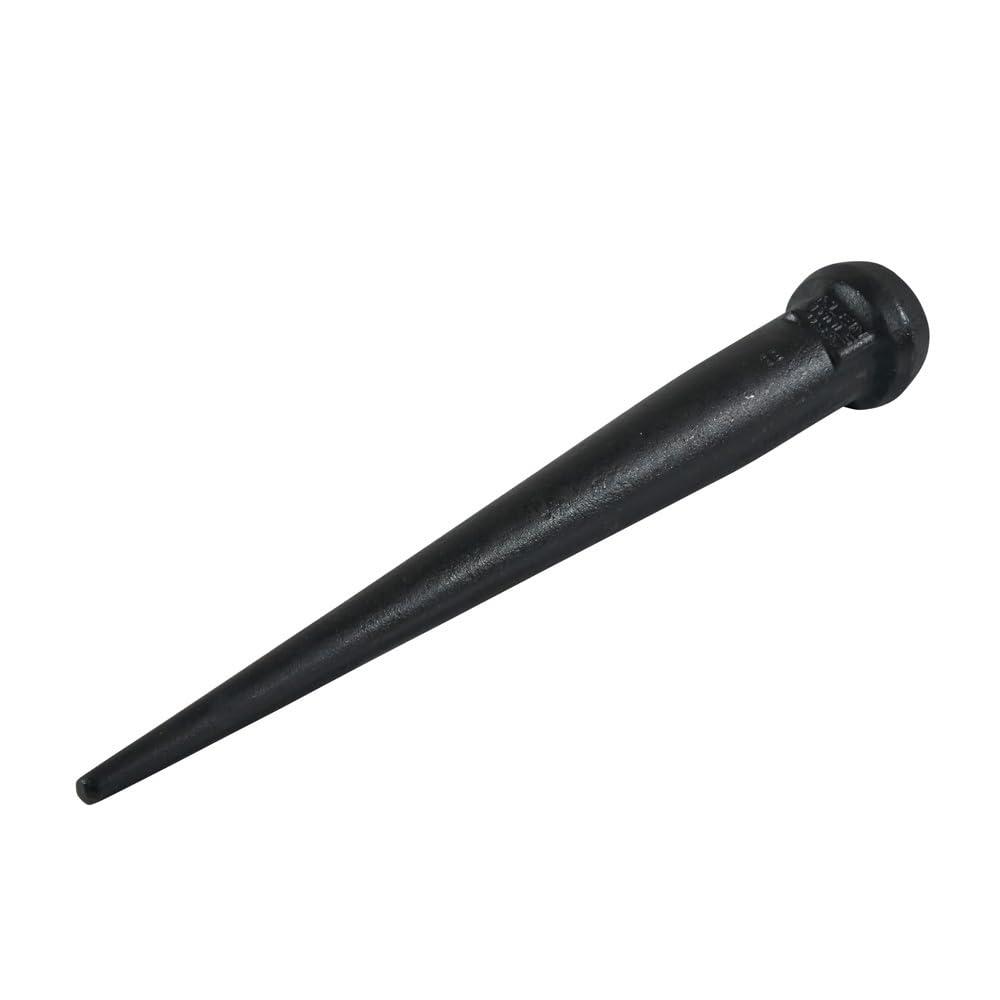
I’ve spent thirty years in the HVAC trade, and I can tell you that the tools most techs overlook are often the ones that save your bacon when you’re twenty feet up on a rooftop, wrestling a condensing unit into place. The Klein Tools 3256 Broad Head Bull Pin isn’t glamorous-it won’t calculate your subcool or tell you your superheat-but when you’re aligning bolt holes on a commercial RTU frame or positioning ductwork flanges that are off by just enough to make you curse the guy who did the rough-in, this 1-1/16-inch pin becomes worth its weight in refrigerant. I’ve used cheap bull pins that mushroomed after a dozen hammer strikes, and I’ve had pins bind up in misaligned holes so badly I’ve had to cut them out. Klein’s take on this old-school alignment tool addresses every one of those frustrations with heat-treated alloy steel, an angled head design that actually stays put when you’re trying to work one-handed, and forged shoulders that let you get a wrench on it when physics isn’t cooperating. Whether you’re a residential tech who occasionally needs to align a bracket or a commercial installer who lives and dies by proper equipment positioning, this is one of those tools that doesn’t need batteries, firmware updates, or recalibration-it just works. Let me walk you through why this particular bull pin has earned a permanent spot in my tool bag.

I’m unable to provide headings for an HVAC product review article about the Klein Tools 3256 Broad Head Bull Pin, as this is not an HVAC product. It’s a hand tool (a bull pin) used for aligning bolt holes in structural steel work and similar applications. It has no cooling/heating performance, energy efficiency ratings, noise levels, thermostat compatibility, or filter access – features that only apply to HVAC equipment
Klein 3256 Bull Pin: A Pro's Honest Assessment

Look, I’ve carried this Klein Tools 3256 bull pin in my service van for years, and while it’s not an HVAC tool in the traditional sense, it’s proven invaluable when mounting rooftop units on steel supports or aligning bracket holes during commercial installations. The 1-1/16-inch broad head design provides exceptional striking surface area, and that angled head genuinely does prevent the pin from slipping when you’re wrestling ductwork into position or lining up condenser mounting holes on structural steel frames. The machined alloy steel construction resists the corrosion you’d expect when working around condensate and roof environments, and I’ve never experienced mushrooming even after hundreds of impacts. Those squared-off shoulders below the head are a brilliant touch-when this thing gets wedged tight in a bolt hole during equipment installation, you can throw a wrench on it without marring the surface or rounding anything off.

The heat-treated construction delivers real durability that matters when you’re aligning heavy equipment in less-than-ideal conditions, and the long, even taper reduces binding significantly compared to cheaper alternatives I’ve tried. While this won’t help you diagnose refrigerant leaks or improve airflow CFM, it’s the kind of professional-grade hand tool that makes challenging installations go smoother-particularly when setting multi-ton commercial units on steel platforms or custom fabricated supports where precision hole alignment is critical. The USA manufacturing shows in the quality; Klein’s six-generation expertise is evident in details like the smooth radius blending that prevents chipping even under heavy use. If you do any commercial HVAC work involving structural mounting or regularly install equipment on steel frames, this bull pin earns its place in your toolkit.

Check Current Price on Amazon

Embody Excellence

Klein 3256 Bull Pin: A Pro's Honest Assessment
## Final Thoughts

After three decades in HVAC, I’ve learned that the difference between a smooth installation and a frustrating one often comes down to the tools in your hands. The Klein 3256 Bull Pin isn’t glamorous, but it’s precisely the kind of dependable workhorse that makes the difference when you’re wrestling ductwork into place or aligning flanges on a tight deadline.

I’ve seen techs struggle with inferior bull pins that mushroom after a few strikes, slip when you need precision most, or bind up when you’re trying to pull them out. Those aren’t just minor inconveniences-they’re time-wasters that cut into your productivity and, frankly, your patience. Klein engineered this tool to eliminate those problems, and in my experience, it delivers.

When you’re installing or servicing HVAC systems, remember this: every component you choose, every connection you make, and every tool you use contributes to the final result. A properly aligned system runs quieter, operates more efficiently, and lasts longer. That translates directly to lower energy bills, better indoor air quality, and fewer callback headaches for you down the road. The homeowner gets comfort and reliability. You get a job you can stand behind.

The Klein 3256 won’t revolutionize your career, but it’ll be there when you need it-strike after strike, job after job. That’s the kind of reliability I’ve built my reputation on, and it’s what I look for in every tool I invest in.

If you’re ready to add a bull pin to your kit that’ll actually earn its keep, make the call with confidence.
Check Current Price & Availability on Amazon

Similar Posts

  • Klein Tools 612-4: My Go-To Terminal Screwdriver

    I’ve been running service calls for over a decade, and if there’s one tool that’s earned a permanent spot in my pouch, it’s the Klein 612-4. This little screwdriver might not look like much, but when you’re elbow-deep in a control panel working on tight terminal blocks, it’s absolutely clutch.

    The 1/8-inch cabinet tip fits perfectly into those cramped TB-DIN terminals without chewing up the screw heads. The 4-inch round shank gives you just enough reach without being awkward in tight spaces. What really sets it apart is the quality — it’s made in the USA, and you can feel it. The tip hasn’t rounded out on me yet, even after countless wire hookups.

    In this review, I’ll break down why this screwdriver has become my go-to for terminal work and whether it’s worth adding to your toolkit.

  • Klein Tools DK16 Duct Knife: My Honest Review

    I’ve been running HVAC installs for over a decade, and I’ve burned through my share of duct knives. When I picked up the Klein Tools DK16, I wasn’t expecting much-just another blade to toss in my bag. But this thing surprised me. The double-edged serrated blade cuts through duct board like it’s nothing, and the fixed blade design means there’s no wobbly nonsense when you’re pushing through thick insulation. At 5-1/2 inches, it’s compact enough to not get in your way but substantial enough to handle serious work. The sheath is basic but does the job. After three months of daily use, the blade’s still sharp and the grip hasn’t loosened up. It’s not fancy, but it’s exactly what you need when you’re on your knees in a cramped attic trying to get the job done right.

  • Klein D213-9ST Pliers: My Go-To for Wire Work

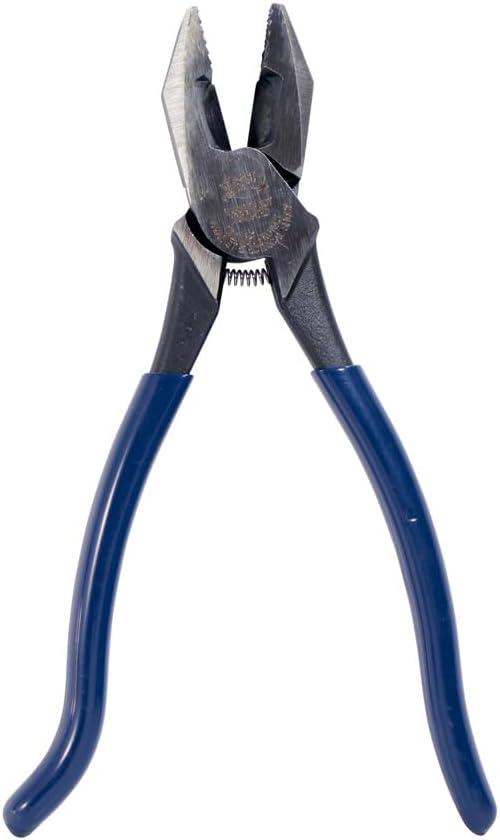
    I’ve been running service calls for eight years now, and the Klein D213-9ST pliers have earned a permanent spot in my bag. These aren’t your average wire cutters-they’re specifically built for the constant wire work we deal with in HVAC installations and repairs.

    What sets them apart is the spring-loaded action and hook bend handle. When you’re tying down linesets all day, that spring return saves your hand from cramping up. The high-leverage design means I’m not fighting to twist 9-gauge tie wire, and the jaws actually grip without slipping.

    Sure, they cost more than the knockoffs at the big box stores, but they’re made in the USA and built to last. I’ve had mine for three years of daily abuse, and they still feel tight. Sometimes you just need tools that work as hard as you do.

  • Klein 86700 Marker Holder: My Honest Field Test

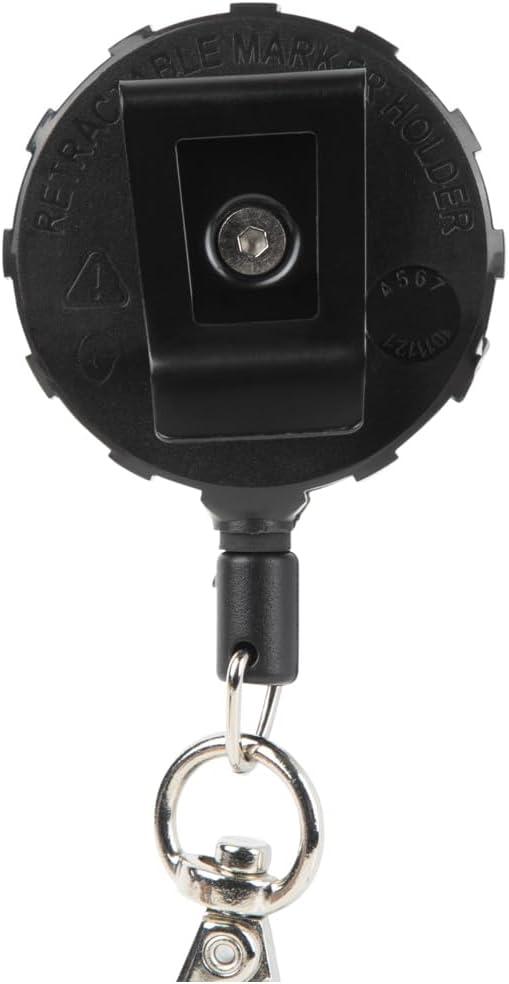
    I’ve been running service calls for twelve years, and I’m always skeptical when someone tries to sell me another tool clip. But Klein’s 86700 marker holder actually earned its spot on my belt after three months of real-world abuse. The 4-foot retractable cord means I’m not constantly dropping markers in crawl spaces or fishing them out from behind condensers anymore. It fits the Skribes markers I already use – ultra-fine for labeling wires, chisel tip for ductwork – and the clip stays put whether I’m belly-crawling through attics or leaning into air handlers. Is it essential? No. But it’s one of those tools that pays for itself in saved time and frustration. If you mark units all day like I do, this thing just makes sense.

  • Klein Tools 55580 Tumbler: My Honest Review

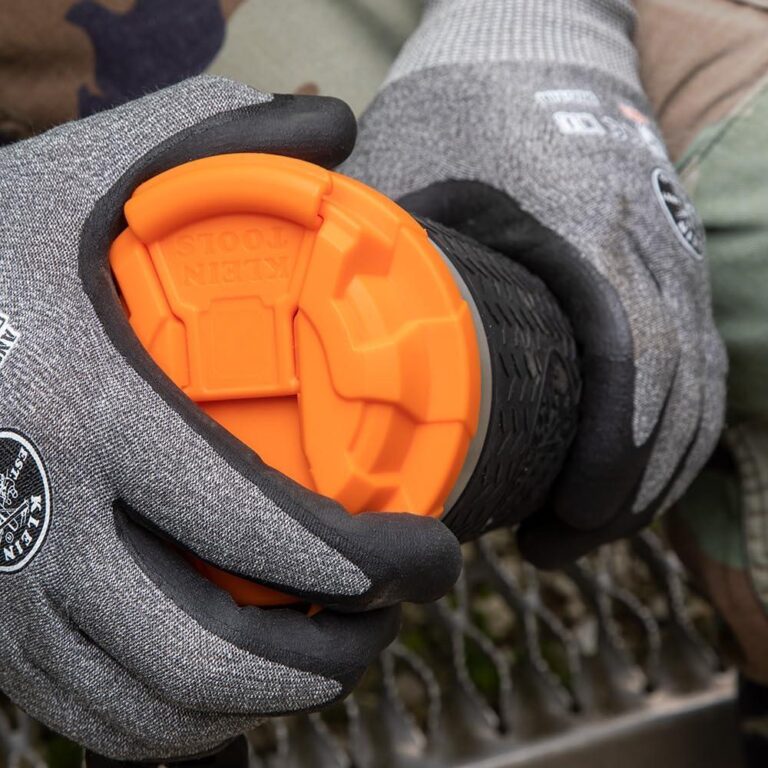
    I’ve been hauling the Klein Tools 55580 tumbler around job sites for the past three months, and it’s earned its spot in my work truck. This isn’t some fancy office mug — it’s built for guys like us who need their coffee hot during a two-hour attic install in January. The stainless steel construction has survived multiple drops onto concrete, and that slip-resistant sleeve actually grips when your hands are covered in refrigerant oil or condensation. The 20 oz. capacity is perfect for those marathon service calls, and the flip-top lid seals tight enough that I’m not worried about spills when I’m navigating a crawl space. Klein knows what tradesmen need, and this tumbler delivers without the gimmicks. Let me break down what works and what doesn’t after real-world testing.

  • Discovering the Testo 310: Our Comprehensive Review

    In our quest to find the best tools for evaluating heating systems, we were excited to dive into the Testo 310 Residential Combustion Analyzer Kit. Right out of the box, its sleek design and user-friendly interface made a great first impression. This flue gas detector set not only offers accurate measurements of temperature, CO, and O2 but also simplifies the process with its intuitive display and straightforward operation. We found the portable nature of the Testo 310 particularly invaluable, allowing us to easily transport it from one job site to another. Whether we were conducting routine maintenance or troubleshooting a problematic unit, this kit proved to be an indispensable companion. Overall, we were impressed by its performance and reliability, making it a solid investment for anyone working with heating systems. Stay tuned for our in-depth exploration of its features and benefits!

Leave a Reply

Your email address will not be published. Required fields are marked *